Media Home
 UN Web TV
 UN Audiovisual Library
 UN Photo
UNICEF / DRC CHILDREN CHOLERA OUTBREAK
Download
There is no media available to download.
Share
STORY: UNICEF / DRC CHILDREN CHOLERA OUTBREAK
TRT: 05:12
SOURCE: UNICEF
RESTRICTIONS: PLEASE CREDIT UNICEF ON SCREEN
LANGUAGE: FRENCH / SWAHILI / NATS
DATELINE: AUGUST 2023, BULENGO IDP SITE, NORTH-KIVU PROVINCE, DEMOCRATIC REPUBLIC OF THE CONGO
1.Wide shot, Bulengo IDP site
2. Wide shot, water supply system in the Bulengo IDP site to make drinking water permanently accessible and reduce the risk of water-borne diseases.
3. Wide shot, a UNICEF-supported hygienist decontaminates UNICEF-installed toilets to prevent the risk of cholera.
4 Wide shot, a UNICEF-supported hygienist decontaminates UNICEF-installed toilets to prevent the risk of cholera.
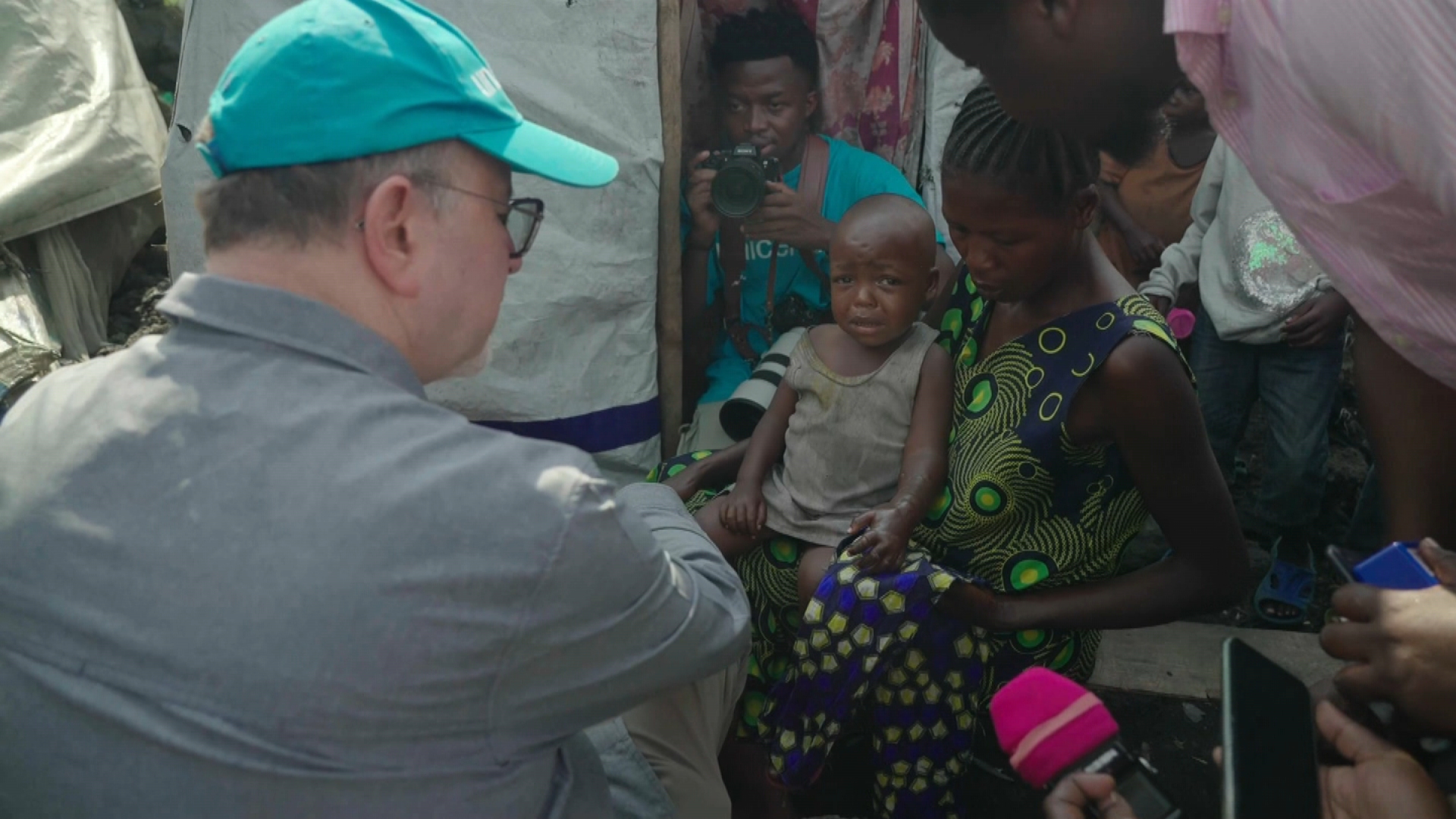
6. Med shot, doctor Amina Bakunda talks to a mother.
7. Med shot, doctor Amina Bakunda talks to a mother.
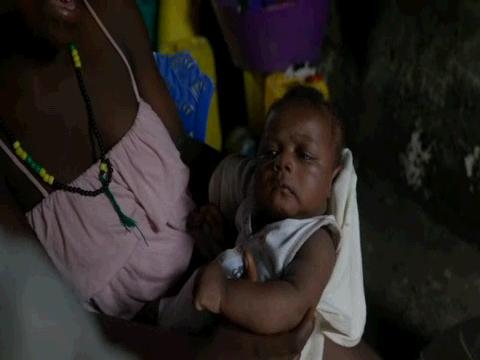
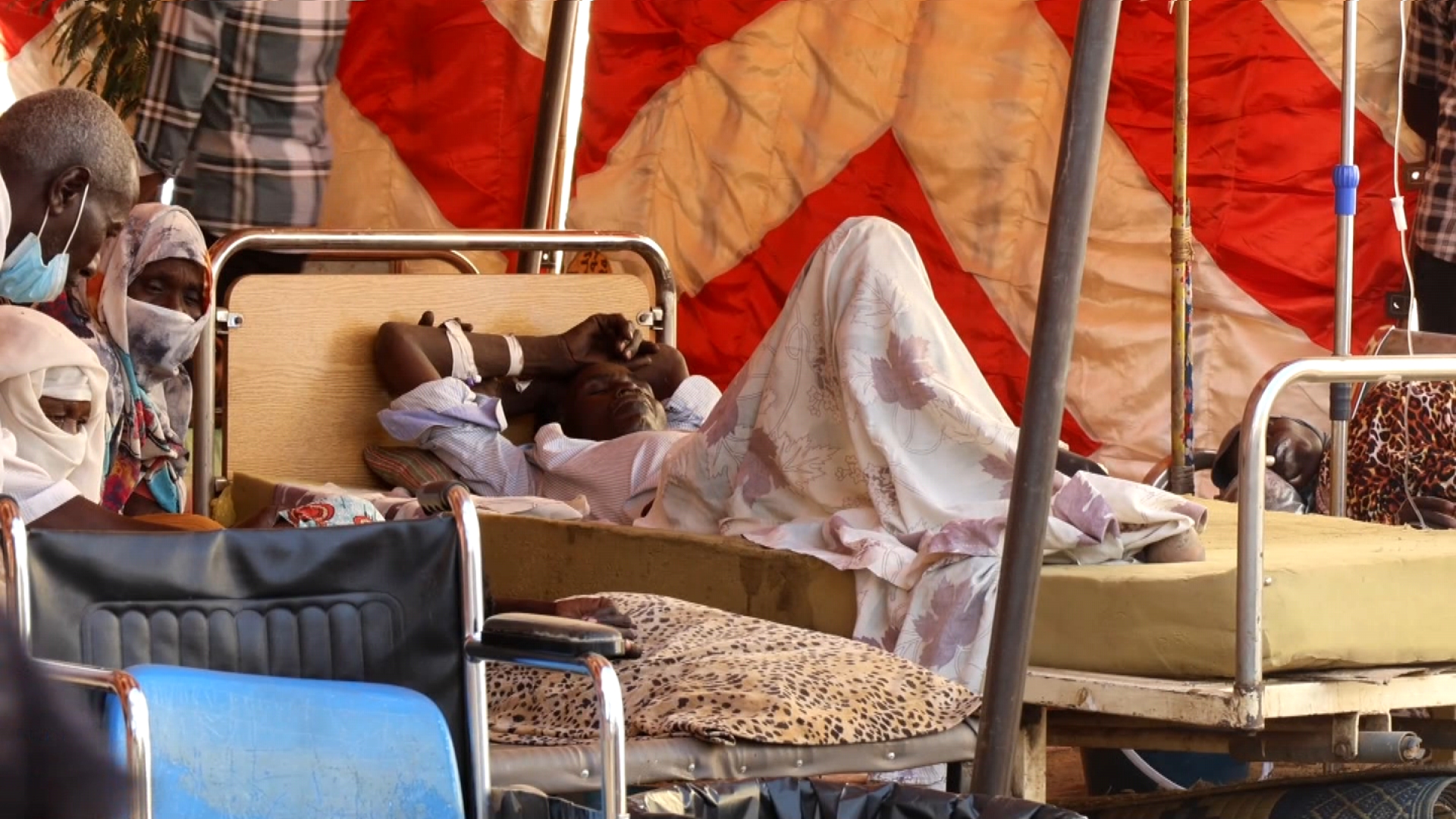
8. Close up, child suffering from cholera receiving treatment.
9. Close up, child suffering from cholera receiving treatment.
10. Med shot, doctor Amina Bakunda talks to a mother whose child is being treated.
11. Close up, a doctor registering a patient.
12. Med shot, a doctor registering a patient.
13. SOUNDBITE(French) Amina Bakunda, doctor at the Cholera Treatment Center:
"My name is Amina Bakunda, I work here in the CTC I'm the focal point of the CTC service. What we do here first, we treat the suspected cholera cases. That's what we do here. The patient arrives, we have a triage service and observation. We triage the patient and then observe for four to six hours. We see if it's confirmed, if it's a case of cholera. If it's not, we refer the patient to other departments, but if it's a case of cholera, we treat him. Since this service was set up, we have received 2,359 cases, of which 2,349 were cured and 10 have died. We used to have a lot of problems, but things have now stabilized. There were difficulties with displaced patients, who didn't want to come for the medical consultation.”
14. Wide shot, a Red Cross worker educates displaced persons on cholera.
15. SOUNDBITE (Swahili)f Kanyere, displaced mother of Six:
“When we first arrived at this site for displaced people, we had to fetch water from the lake. It was a long distance, and the water was very dirty, with no Aquatabs to purify it. This water caused us health problems, as we did our laundry where we got the water to drink. We are happy with the work of UNICEF and AVUDES. We have drinking water, showers and latrines. Before, we used to go to the toilet in the forest and we were exposed to gas. They've also taught us about hygiene.”
16. Wide shot, a Red Cross worker educates displaced persons on cholera.
17. SOUNDBITE (French) Pascal Chito, Project Manager:
“We are here at the Bulengo IDP site, where we carry out hygiene and water purification activities. In terms of water, when we arrived here, there was a serious problem because the displaced families didn't have access to drinking water. They were drawing water from the lake, which is at least 1 km away. This water was not drinkable. Nor did they have access to sanitation facilities. Today, the change is visible. Before, it was a serious problem. Thanks to UNICEF, we have installed 121 latrine doors and around a hundred showers. We have also dug garbage pits to manage waste.”
18. Wide shot, a Red Cross worker educates displaced persons on cholera.
A spike in conflict and displacement in the eastern Democratic Republic of the Congo is pushing children into the worst cholera crisis since 2017, warns UNICEF.
Across the country, there have been at least 31,342 suspected or confirmed cholera cases and 230 deaths in the first seven months of 2023, many of them children. The worst affected province, North Kivu, has seen more than 21,400 confirmed or suspected cases, including more than 8,000 children under 5 years, according to the Ministry of Public Health. This compares to 5,120 total cases in all of 2022, with 1,200 for children under 5 years.
"The size of the cholera outbreak and the devastation it threatens should ring alarm bells,” said Shameza Abdulla, UNICEF DRC Senior Emergency Coordinator, based in Goma. “If urgent action is not taken within the next months, there is a significant risk that the disease will spread to parts of the country that have not been affected for many years. There is also the danger it will continue to spread in displacement sites where systems are already overwhelmed and the population – especially children – is highly vulnerable to illness and – potentially – death. Displaced families have already been through so much.”
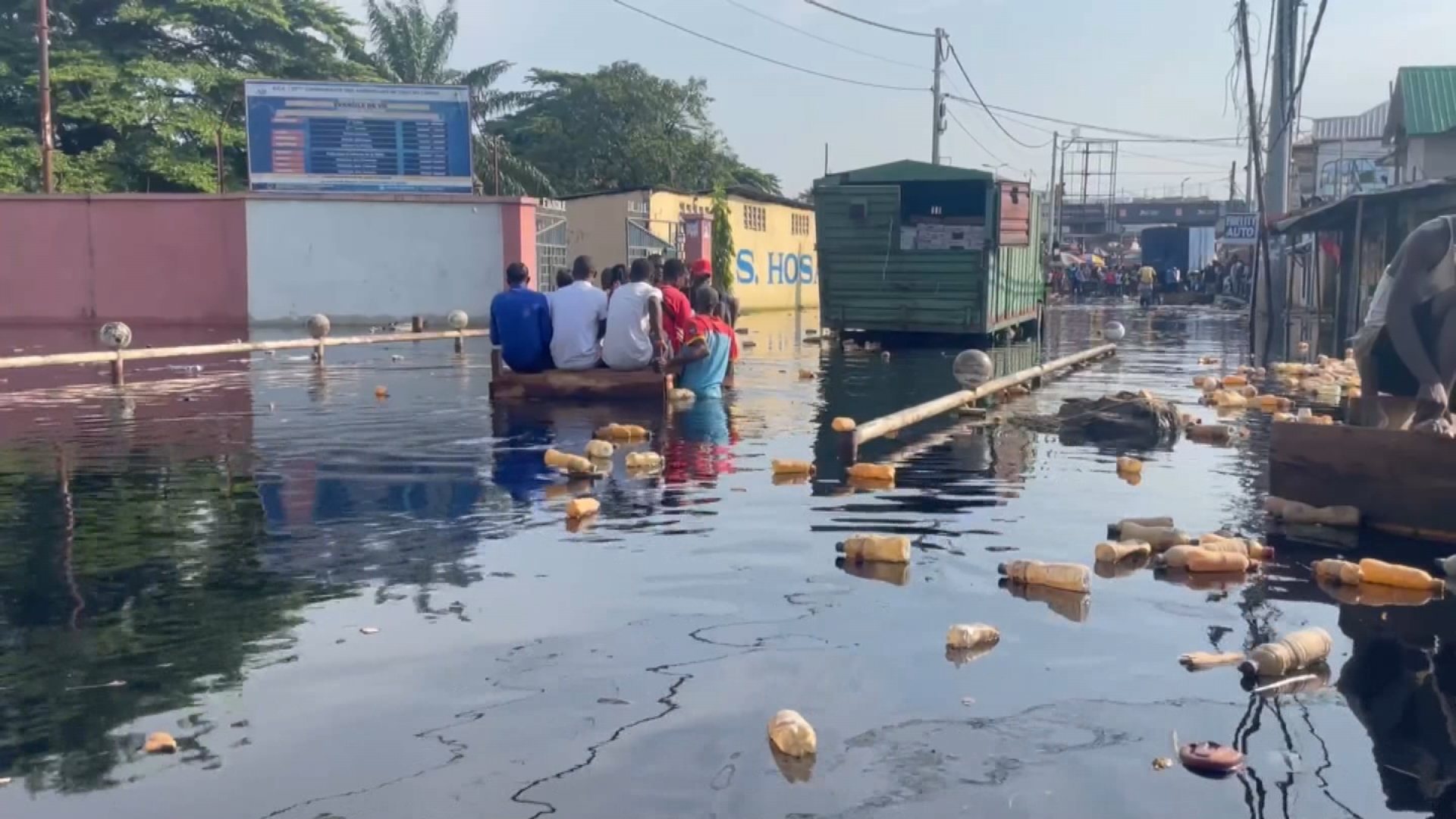
In a similar situation in 2017, cholera expanded to the entire country, including the capital city, Kinshasa, leading to almost 55,000 cases and more than 1,100 deaths.
The DRC – which shoulders the worst displacement crisis in Africa and among the worst globally, with more than 6.3 million displaced people across the country – has seen more than 1.5 million people, including over 800,000 children, displaced in North Kivu, South Kivu, and Ituri provinces since January 2023.
The displacement camps are generally overcrowded and overstretched, making them ripe for cholera transmission. For example, families living in displacement camps around the provincial capital Goma are facing a massive shortage of water and sanitation: Almost 300,000 people, including 183,000 children, lack access to sufficient water; fewer than a third of people have access to a latrine, meaning 159 people have to share a single latrine.
In-depth investigations by the Ministry of Public Health in May and June in households with cholera cases in North Kivu’s four biggest hotspots found that between 62 per cent to 99 per cent of cholera-affected households – depending on the hotspot and week of investigation – were families that had been displaced this year. The survey also showed that families living in cholera hotspots face multiple other health risks, including malnutrition and lack of access to prenatal care and vaccinations.
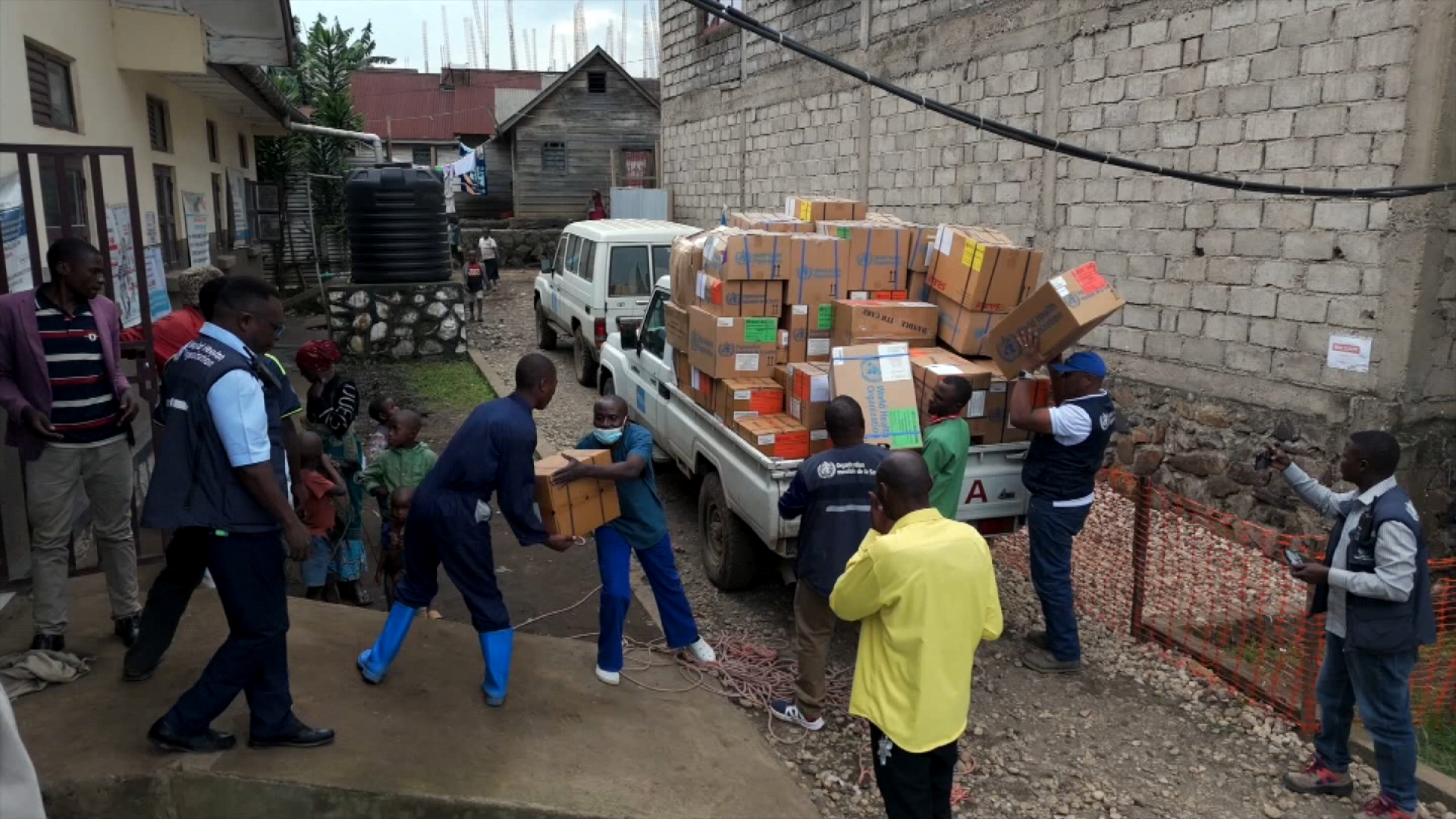
UNICEF is calling for US$ 62.5 million to scale up its prevention and response activities to the cholera and WASH crisis over the next five months, which seeks to reach 1.8 million people, including 1 million children, with safe water, hygiene kits, latrines, medical supplies, and child-friendly cholera care. Currently, the appeal is just 9 per cent funded.