Media Home
 UN Web TV
 UN Audiovisual Library
 UN Photo
GENEVA / CLIMATE CHILDREN DISPLACED
Download
There is no media available to download.
Share
STORY: GENEVA / CLIMATE CHILDREN DISPLACED
TRT: 01:59
SOURCE: UNTV CH
RESTRICTIONS: NONE
LANGUAGE: ENGLISH / NATS
DATELINE: 06 OCTOBER 2023 GENEVA, SWITZERLAND
1. Wide shot, Palais des Nations, Geneva
2. Various shots, briefing room
3. SOUNDBITE (English) Verena Knaus, Global Lead on Migration and Displacement, UN Children’s Fund (UNICEF):
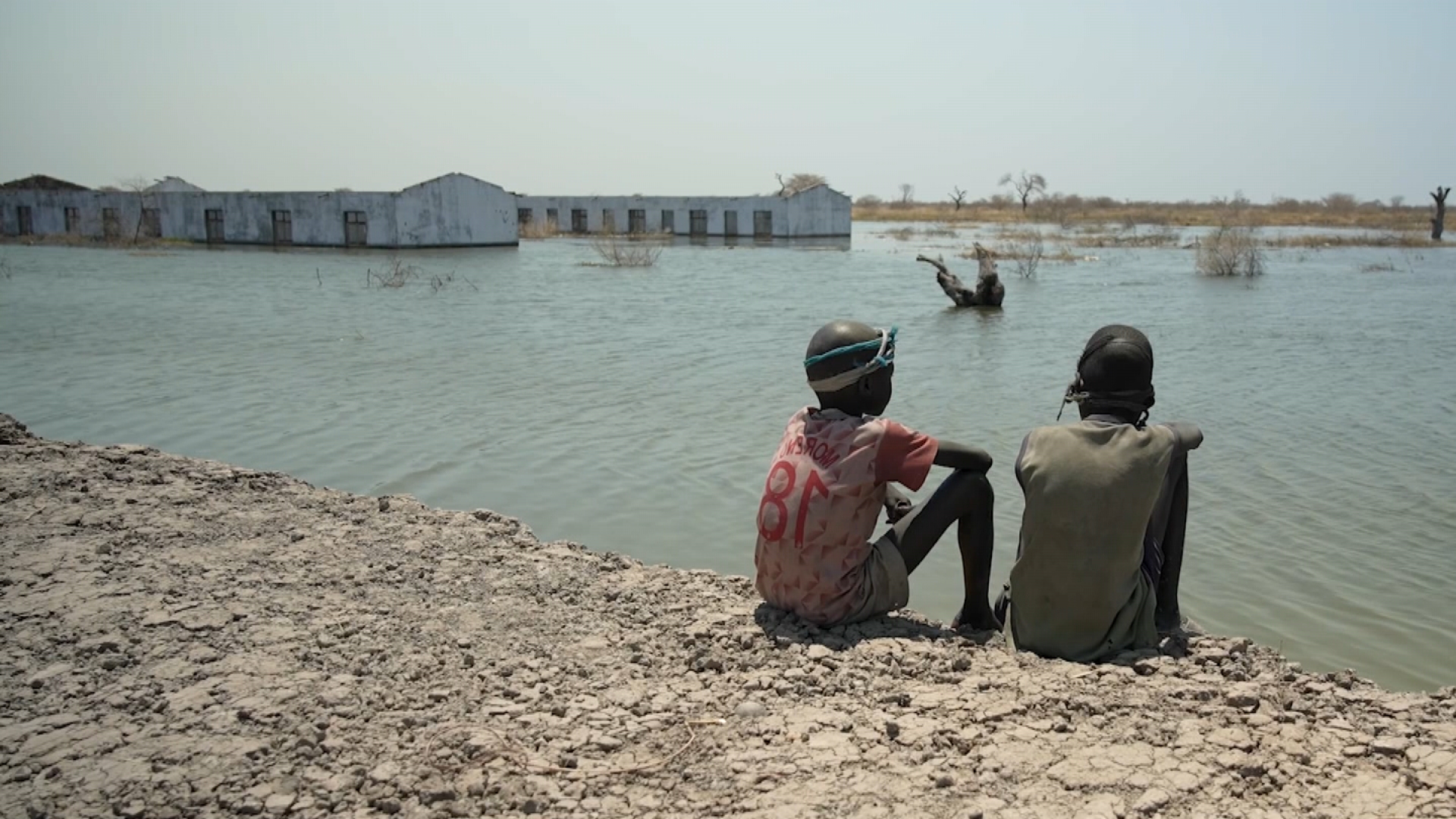
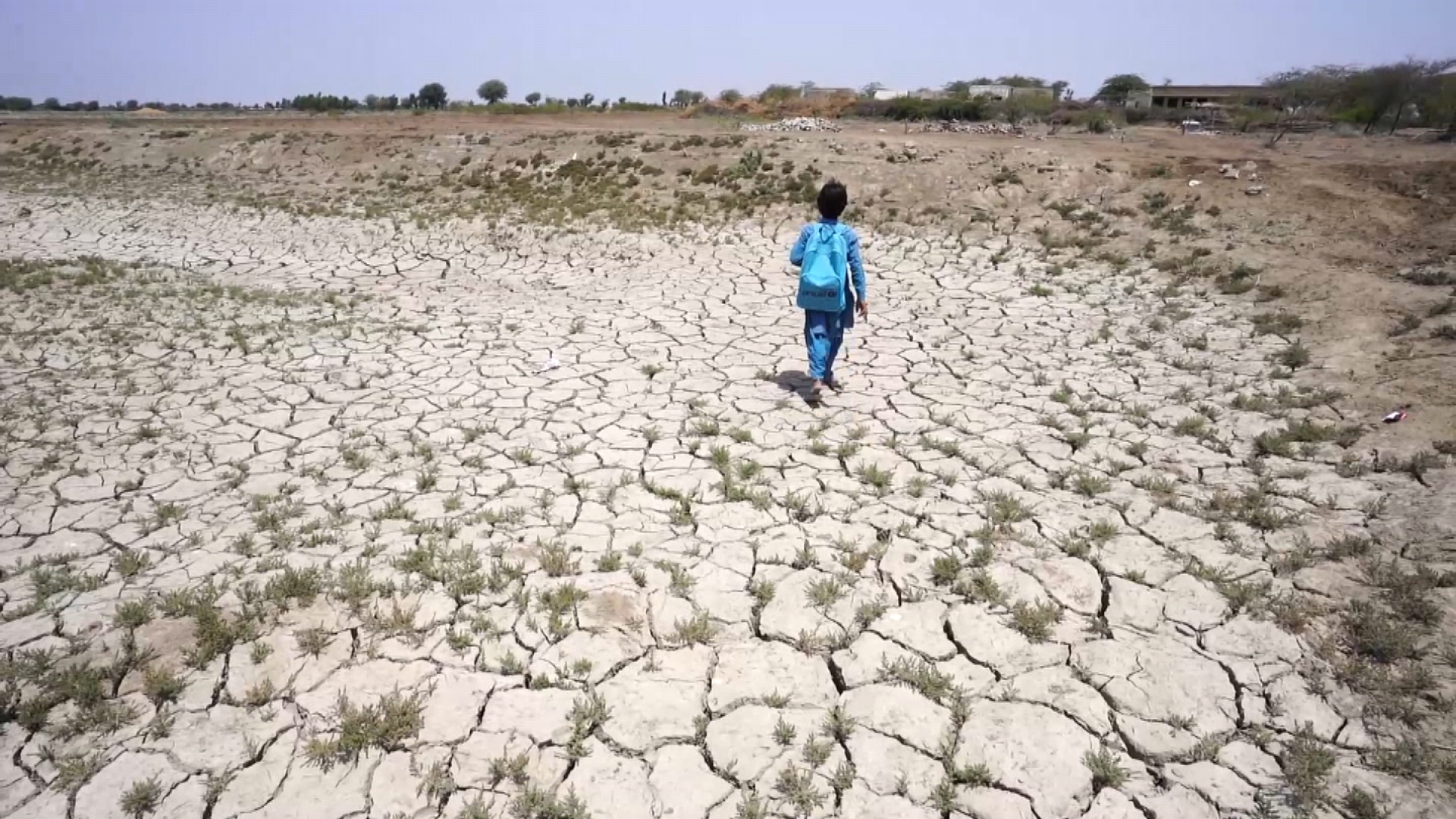
“The report finds that on average, every single day 20,000 children have been displaced by floods, storms, wildfires, or droughts. Or put differently: it is disasters like tropical storms, hurricanes, floods – like in Pakistan and wildfires like recently in Canada – that have displaced more than 43 million children over 44 countries in the past six years.”
4. Med shot, attendee taking photo at briefing
5. SOUNDBITE (English) Verena Knaus, Global Lead on Migration and Displacement, UN Children’s Fund (UNICEF):
“The ‘Children Displaced in Changing Climate report’ finds that floods and storms account for 95 percent of those child displacements, especially in countries where there are large, good and robust displacement evacuation systems in place or early-warning, many of them are evacuated and their lives are saved, but the numbers keep growing.”
6. Med shot, attendees
7. SOUNDBITE (English) Verena Knaus, Global Lead on Migration and Displacement, UN Children’s Fund (UNICEF):
“With every additional one degree of warming, the IPCC (Intergovernmental Panel on Climate Change) believes the global risk of displacement by flooding – the largest driver – could rise by 50 percent. We are not prepared for this climate-changed future. And the displacement of children is barely on the radar of leaders and will probably only on the margins be discussed at COP28 in Dubai.”
8. Wide shot, panel at press briefing
9. SOUNDBITE (English) Verena Knaus, Global Lead on Migration and Displacement, UN Children’s Fund (UNICEF):
“We need to re-imagine climate finance. We need to use all the opportunities we have from risk insurance schemes to green bonds, blue bonds. But most importantly, we need to unlock climate finance to go to the countries where the greatest risks meet the weakest coping capacities.”
10. Wide shot, panel and attendees at press briefing
11. Med shot, attendees filming and taking photo at briefing
12. Med shot, panel and attendees at press briefing
Every single day 20,000 children have been displaced by floods, storms, wildfires, or droughts, UNICEF said.
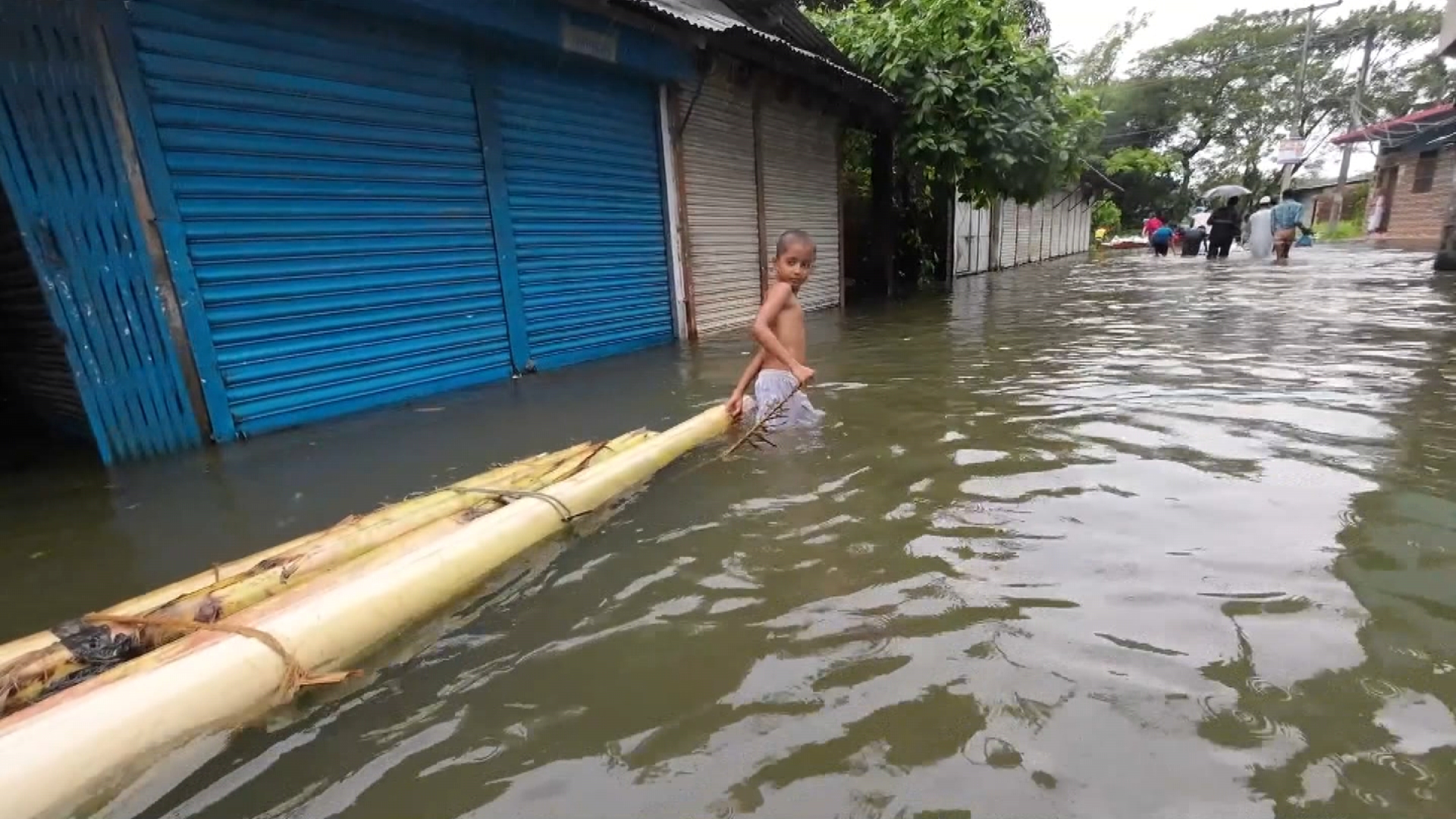
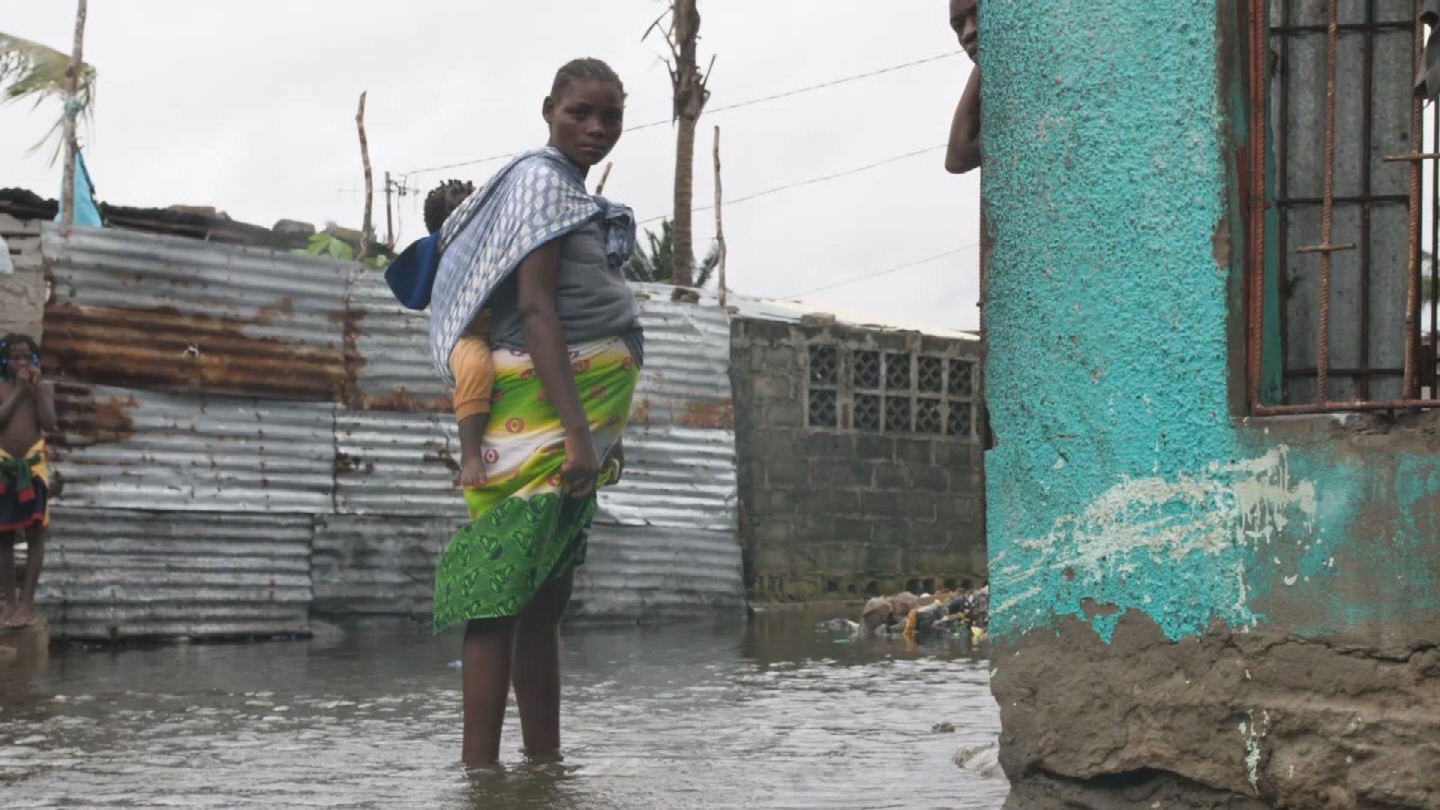
Speaking to reporters today (06 Oct) in Geneva, UNICEF’s Global Lead on Migration and Displacement Verena Knaus, said, “The report finds that on average, every single day 20,000 children have been displaced by floods, storms, wildfires, or droughts. Or put differently: it is disasters like tropical storms, hurricanes, floods – like in Pakistan and wildfires like recently in Canada – that have displaced more than 43 million children over 44 countries in the past six years.”
According to her, “The ‘Children Displaced in Changing Climate report’ finds that floods and storms account for 95 percent of those child displacements, especially in countries where there are large, good and robust displacement evacuation systems in place or early-warning, many of them are evacuated and their lives are saved, but the numbers keep growing.”
She also added, “With every additional one degree of warming, the IPCC (Intergovernmental Panel on Climate Change) believes the global risk of displacement by flooding – the largest driver – could rise by 50 percent. We are not prepared for this climate-changed future.”
Knaus continued, “and the displacement of children is barely on the radar of leaders and will probably only on the margins be discussed at COP28 in Dubai.”
The UNICEF representative stressed, “We need to re-imagine climate finance. We need to use all the opportunities we have from risk insurance schemes to green bonds, blue bonds.”
She concluded, but most importantly, we need to unlock climate finance to go to the countries where the greatest risks meet the weakest coping capacities.”