Media Home
 UN Web TV
 UN Audiovisual Library
 UN Photo
OCHA / GAZA MATERNITY HOSPITAL
Download
There is no media available to download.
Share
STORY: OCHA / GAZA MATERNITY HOSPITAL
TRT: 05:21
SOURCE: OCHA
RESTRICTIONS: PLEASE CREDIT OCHA ON SCREEN
LANGUAGE: ARABIC / NATS
DATELINE: 25, 27 JANUARY 2024, AL-HELAL AL-EMIRATI MATERNITY HOSPITAL, RAFAH, GAZA STRIP
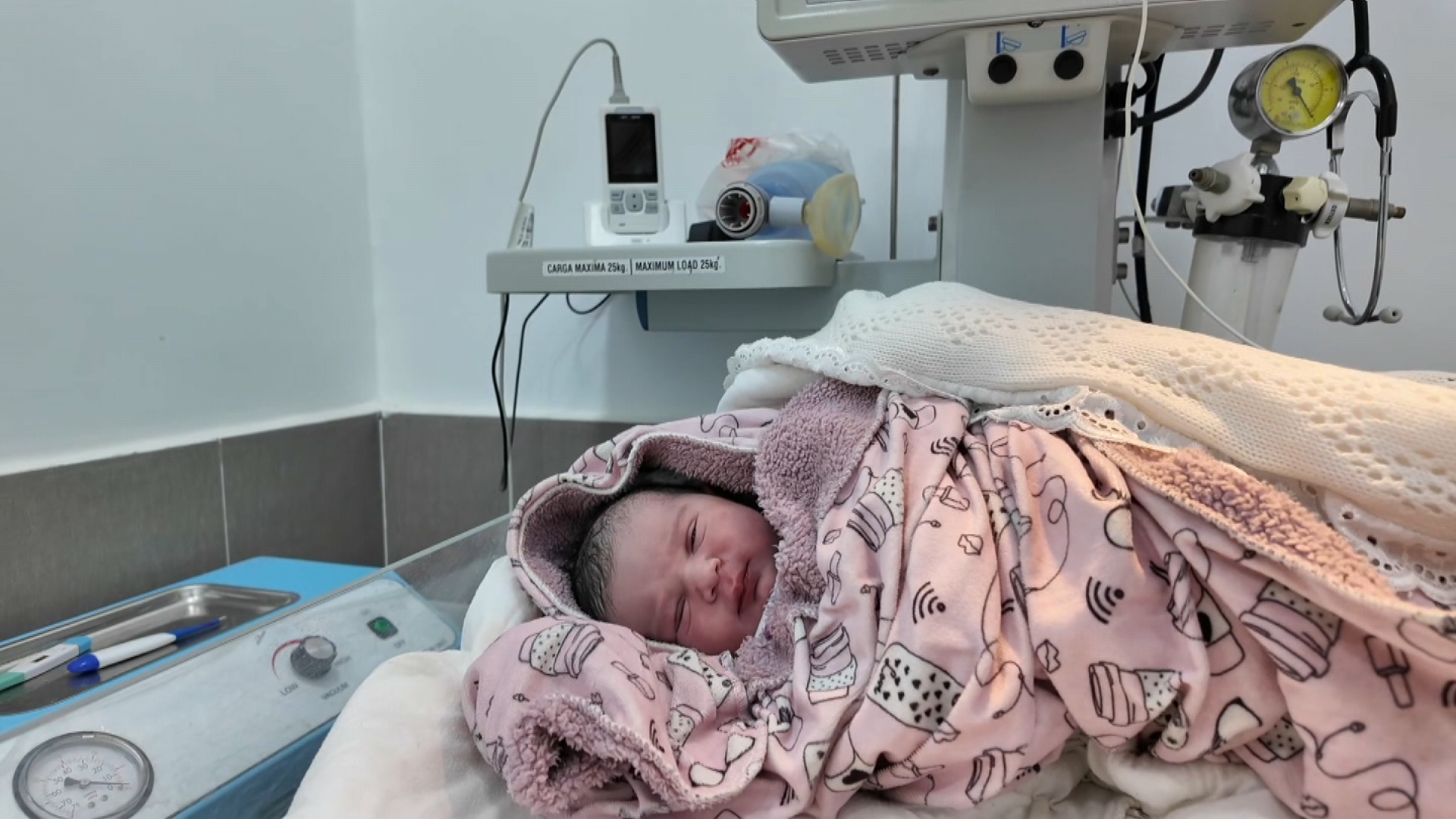
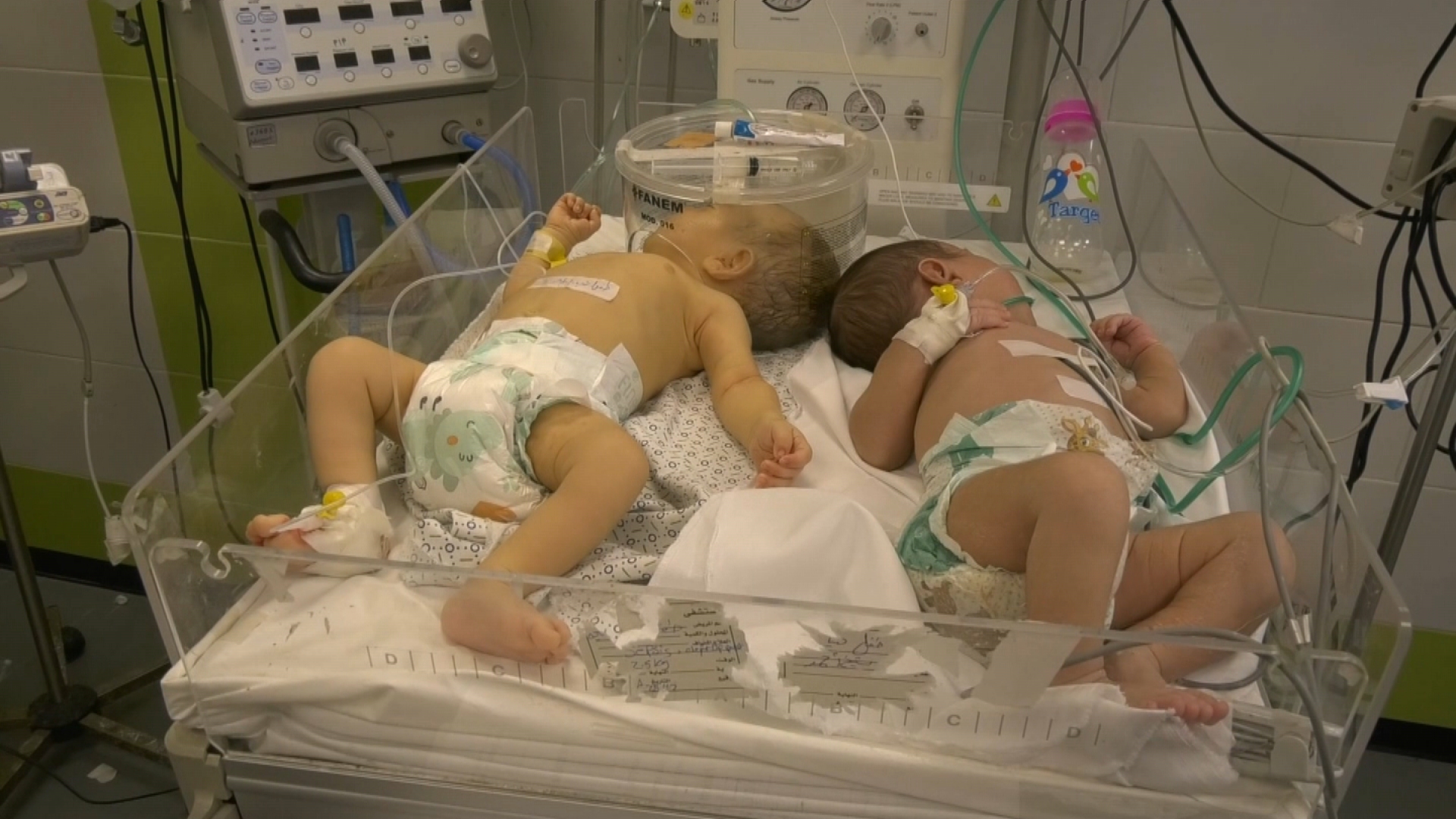
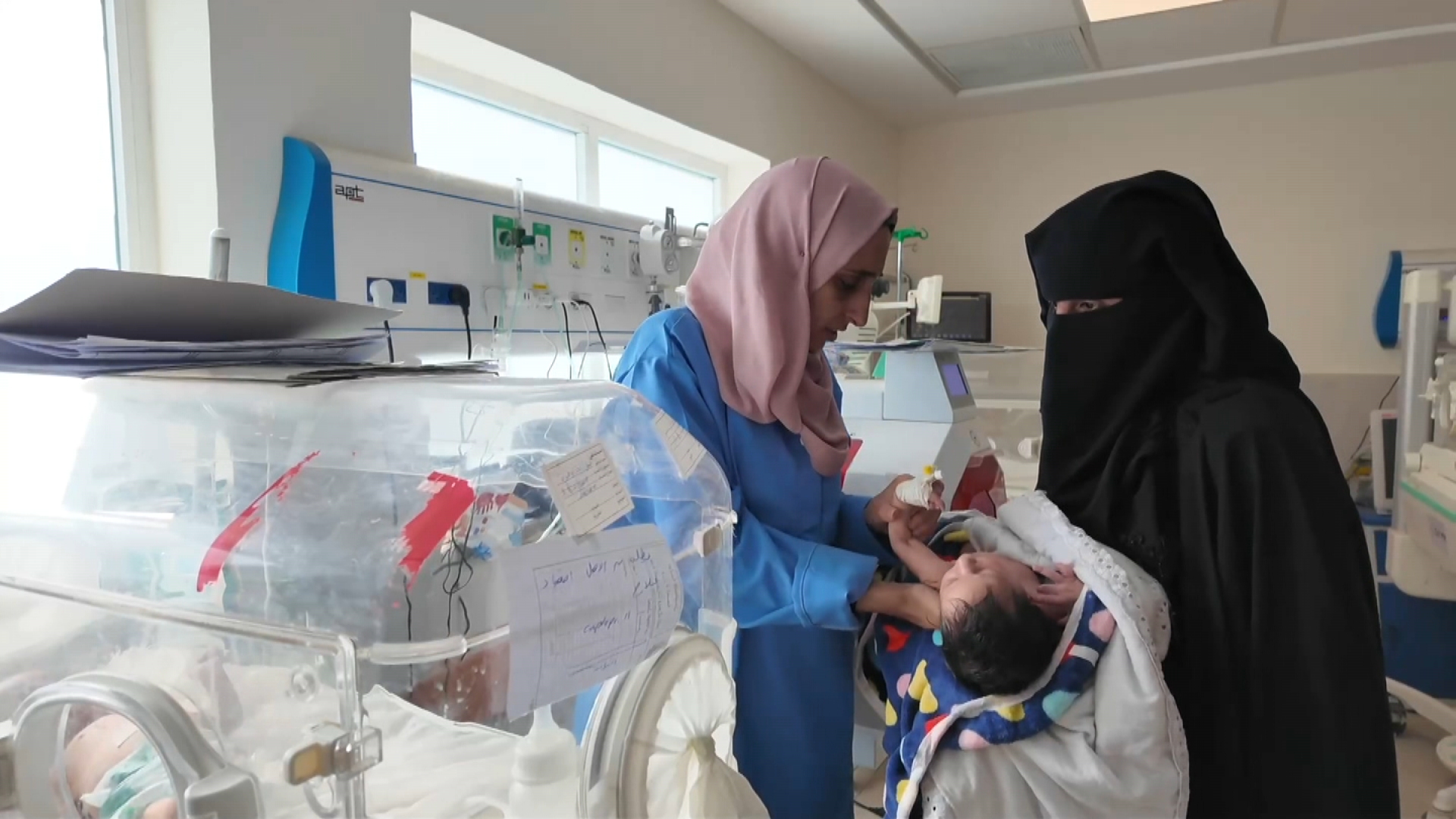
Dr Mohammad Salama, Head of Neonatal ICU, Al-Helal Al-Emirati Maternity Hospital, outlines the health issues of children in Gaza the challenges experienced by medical staff.
27 JANUARY 2024, AL-HELAL AL-EMIRATI MATERNITY HOSPITAL, RAFAH, GAZA STRIP
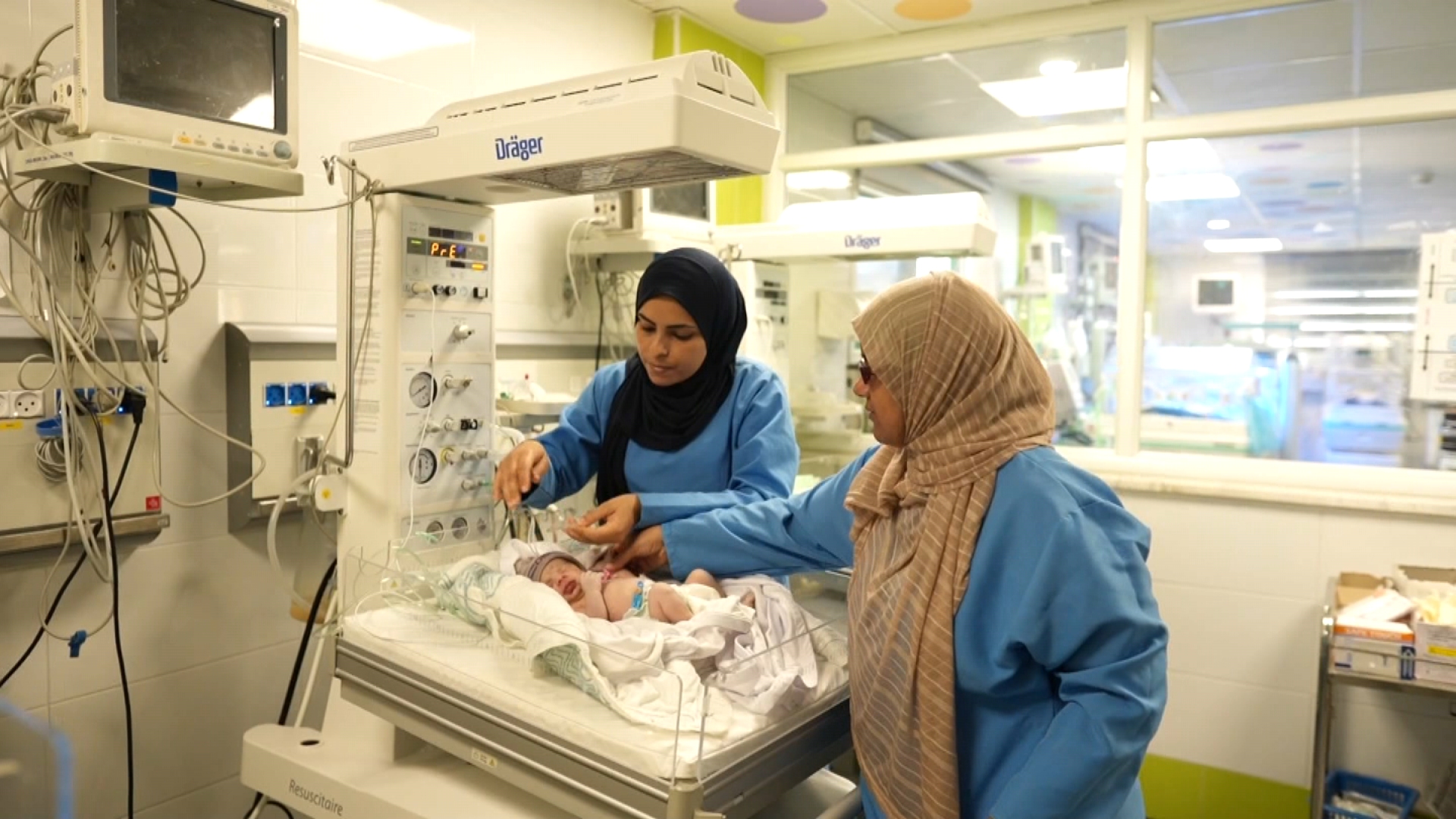
1. Various shots, Dr Salama at work in the Neonatal ICU
25 JANUARY 2024, AL-HELAL AL-EMIRATI MATERNITY HOSPITAL, RAFAH, GAZA STRIP
2. SOUNDBITE (Arabic) Dr Mohammad Salama, Head of Neonatal ICU, Al-Helal Al-Emirati Maternity Hospital:
“I am a doctor working as the head of neonatal intensive care unit in the Emirates Red Crescent Hospital (Tal Al Sultan). I used to live in Khan Younis. I was displaced to four locations before reaching Rafah, where I work.”
3. Various shots, exteriors of Al-Helal Al-Emirati Maternity Hospital
4. SOUNDBITE (Arabic) Dr Mohammad Salama, Head of Neonatal ICU, Al-Helal Al-Emirati Maternity Hospital:
“Every day when I come to the hospital, I am not sure if I will make it due to shelling.
At the hospital, we face huge problems, such as lack of supplies, equipment, medicines and other things. Additionally, there is a lack of health workers as many were killed, injured, or displaced in far areas, preventing them from reaching the hospital.”
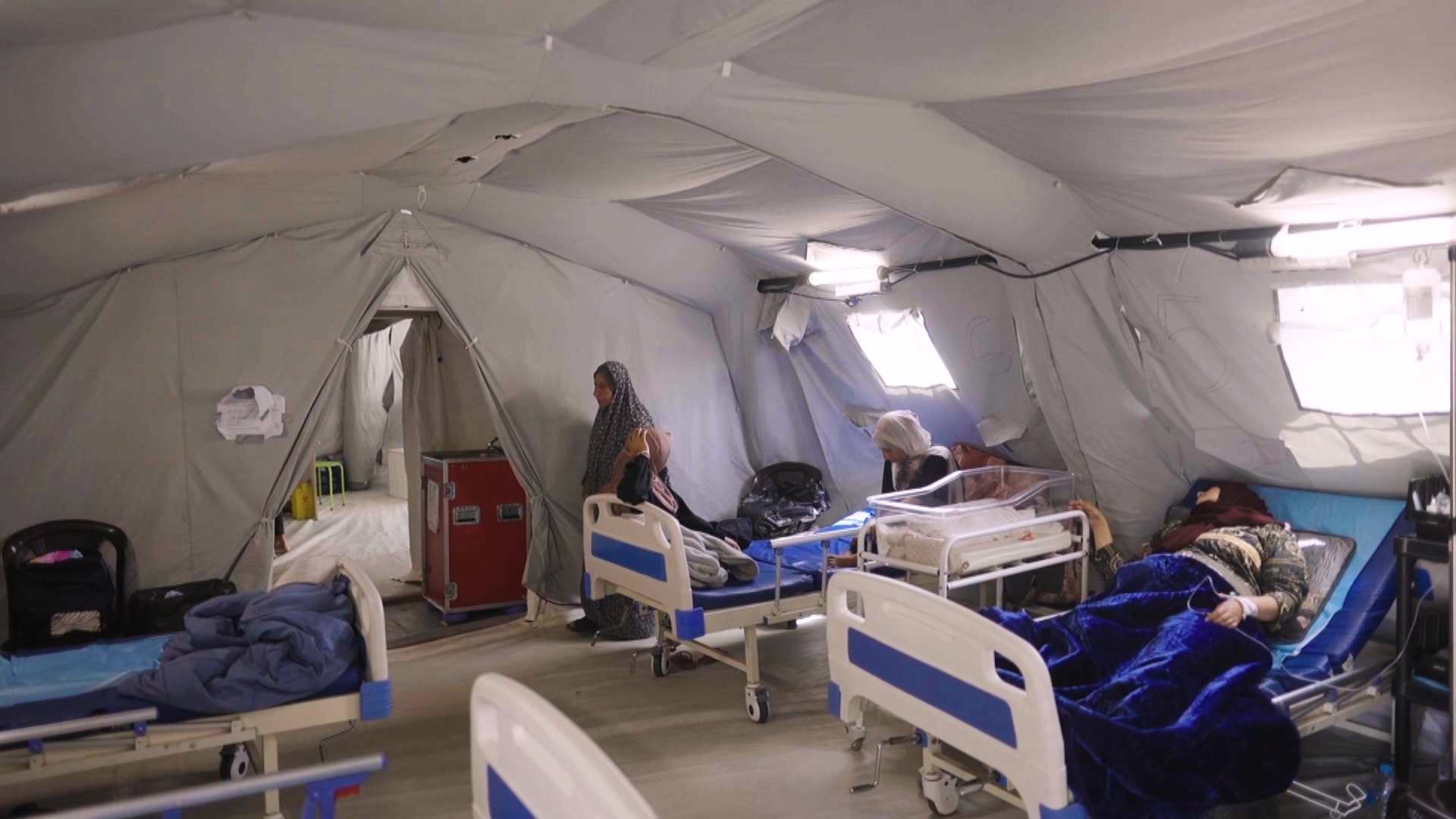
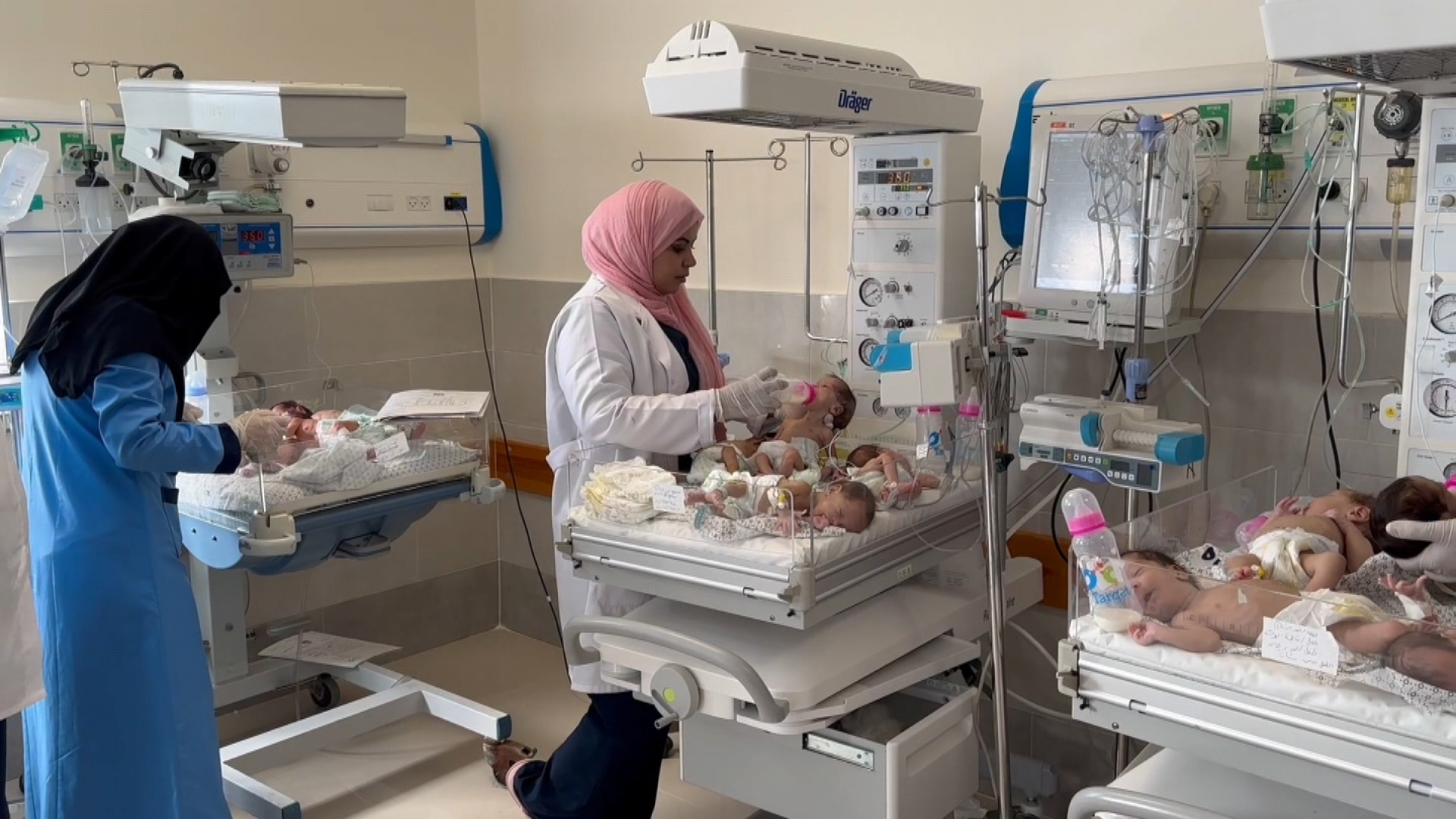
5. Various shots, of the Neonatal ICU
6. SOUNDBITE (Arabic) Dr Mohammad Salama, Head of Neonatal ICU, Al-Helal Al-Emirati Maternity Hospital:
“A recovered child who leaves the hospital to stay in a tent, might return to us after a few days in very dire health conditions. This is due to severe hunger, lack of basic needs, dehydration, and the spread of diseases in displacement sites,
such as pneumonia, bronchial or intestinal infections and severe bacterial infections in the blood. Children die every day because of these diseases. There is also the severe cold weather. The worst thing that might affect a discharged child is low temperatures. If a child's body temperature goes down, the entire organ system collapses.”
7. Various shots, the Neonatal ICU
8. SOUNDBITE (Arabic) Dr Mohammad Salama, Head of Neonatal ICU, Al-Helal Al-Emirati Maternity Hospital:
“Available services, including transportation, are very poor. Most doctors might walk to work, and this happens all the time, including myself. Many people would often walk 5 to 10 kilometers to reach their destination. All of this happens amid the lack of basic necessities. After a workday, we go back home to try to collect water for the children.”
9. Various shots, the Neonatal ICU
Dr Mohammad Salama, Head of Neonatal ICU, Al-Helal Al-Emirati Maternity Hospital, outlines the health issues of children in Gaza the challenges experienced by medical staff.
He said, “I am a doctor working as the head of neonatal intensive care unit in the Emirates Red Crescent Hospital (Tal Al Sultan). I used to live in Khan Younis. I was displaced to four locations before reaching Rafah, where I work.”
Salama continued, “Every day when I come to the hospital, I am not sure if I will make it due to shelling. At the hospital, we face huge problems, such as lack of supplies, equipment, medicines and other things. Additionally, there is a lack of health workers as many were killed, injured, or displaced in far areas, preventing them from reaching the hospital.”
He also said, “A recovered child who leaves the hospital to stay in a tent, might return to us after a few days in very dire health conditions.”
“This is due to severe hunger, lack of basic needs, dehydration, and the spread of diseases in displacement sites, such as pneumonia, bronchial or intestinal infections and severe bacterial infections in the blood,” he explained.
Salama stressed, “Children die every day because of these diseases. There is also the severe cold weather. The worst thing that might affect a discharged child is low temperatures. If a child's body temperature goes down, the entire organ system collapses.”
According to him, “Available services, including transportation, are very poor. Most doctors might walk to work, and this happens all the time, including myself.”
He concluded, “Many people would often walk 5 to 10 kilometers to reach their destination. All of this happens amid the lack of basic necessities. After a workday, we go back home to try to collect water for the children.”