Media Home
 UN Web TV
 UN Audiovisual Library
 UN Photo
UNHCR / SUDAN DISPLACED BY WAR
Download
There is no media available to download.
Share
STORY: UNHCR / SUDAN DISPLACED BY WAR
TRT: 04:38
SOURCE: UNHCR
RESTRICTIONS: PLEASE CREDIT UNHCR ON SCREEN
LANGUAGES: ENGLISH / ARABIC / NATS
DATELINE: 08 AUGUST 2024, KASSALA, SUDAN
08 AUGUST 2024, KASSALA, SUDAN
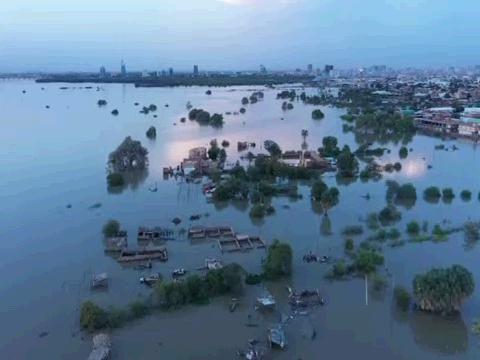
1. Wide shot, flooded area in Kassala, Sudan
2. Med shot of flooding with people’s belongings washed away
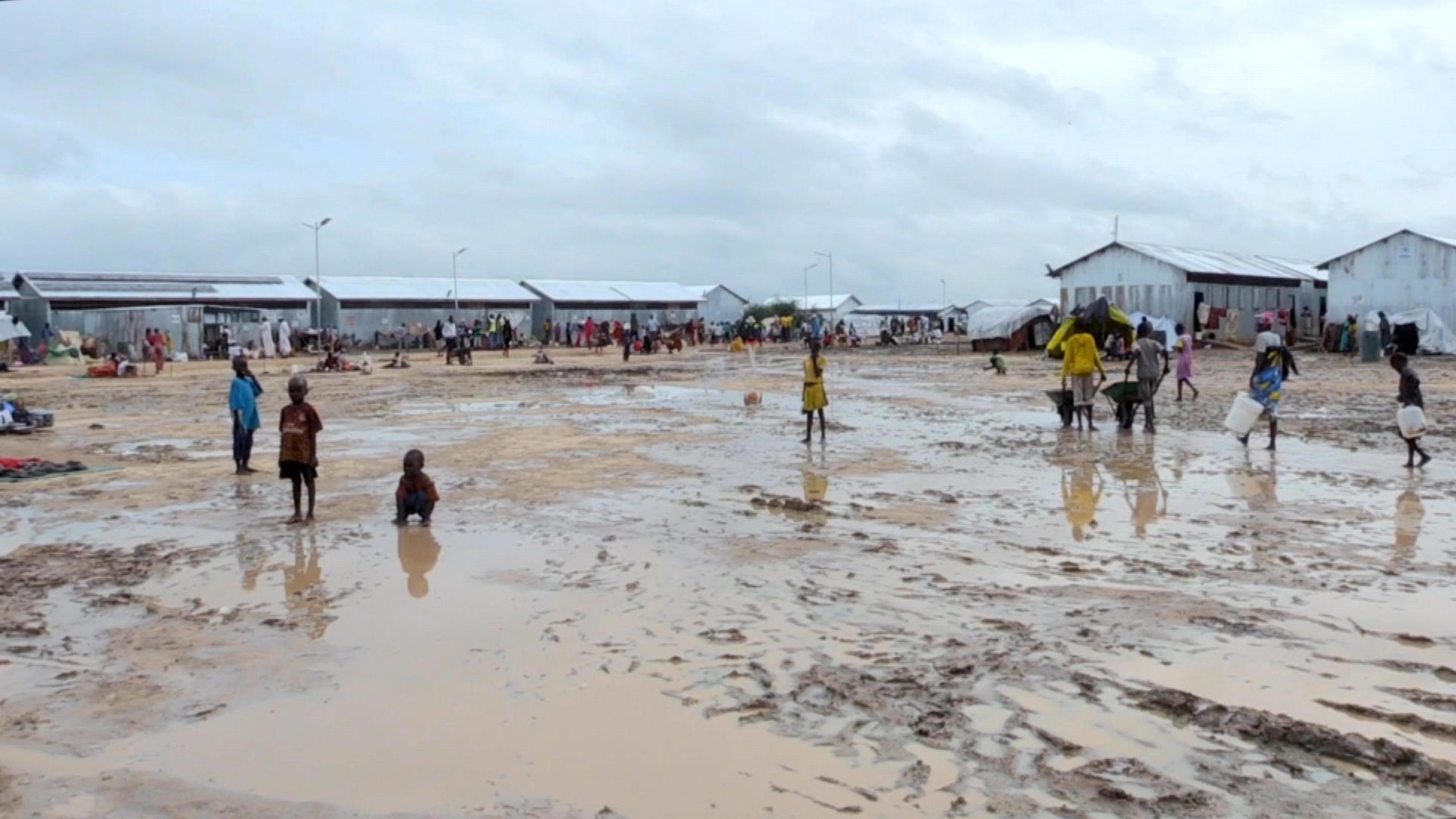
3. Wide shot, flooded school compound that is hosting internally displaced people
4. Wide shot of makeshift structure washed away in the flooding
5. Wide shot of flooded area
6. Med shot, tent structure in a pool of water
7. Med shot, inside of a tent covered in mud after the flooding
8. Close up, clothes in the mud
9. SOUNDBITE (Arabic) Marwa Musa Mohammed, Internally Displaced Sudanese:
“The school was flooded while we were asleep, we woke and found it was submerged. Vehicles sank, and we lost all our belongings. We need drinking water, a fully equipped clinic for children and chronic diseases. My mother is out of diabetic medication, and there are no nearby pharmacies, grocery stores, or markets.”
10. Wide shot, flood water inside a tent
11. SOUNDBITE (Arabic) Ashraf Zakaria Ibrahim, Internally Displaced Sudanese:
“On the same day we arrived, it rained heavily. The suffering was immense; this was the second suffering after the war. All the tents were swamped—not inside, but underneath the plastic.”
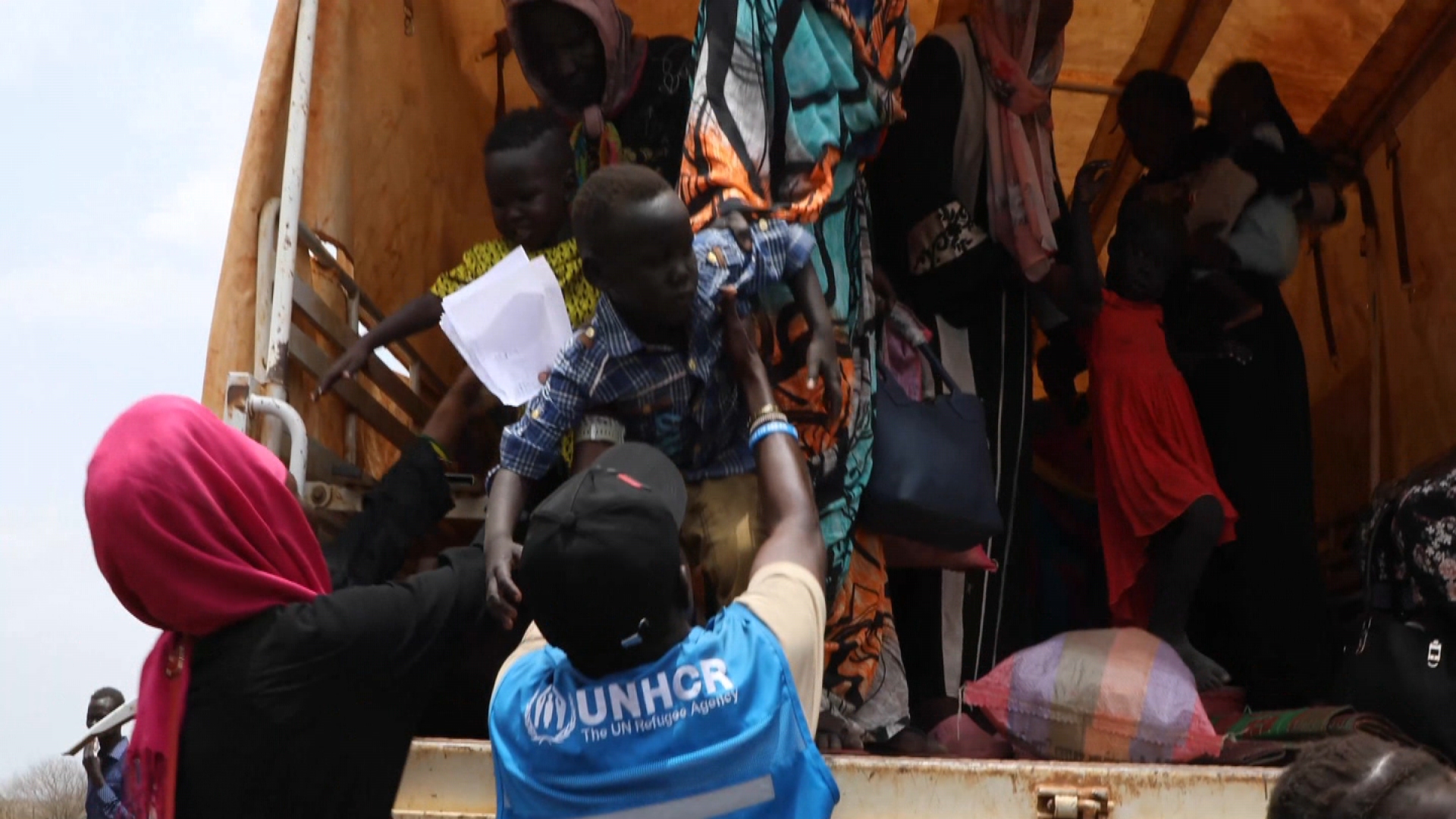
12. Wide shot, internally displaced people arriving at the new location
13. Med shot, people standing in front of newly constructed tents
14. Wide shot, tents being setup at the location
15. Wide shot, tents being setup at the new location
16. Med shot, Bichenge Malaika Balikwisha, head of UNHCR Sub office in in Kassala interacting with people
17. Med shot, a family sitting outside their new tent
18. SOUNDBITE (English) Bichenge Malaika Balikwisha, Head of Kassala Sub-office, UNHCR:
“We are currently in the process of distributing the Non-Food items, which will help forcible displaced communities affected by floods to face the current situation. You can understand that this is a crisis over a crisis.”
19. Wide shot, various shots, children filling sacks with soil to form sandbags
20. Various shots, displaced man working on his tent
21. Med shot, displaced woman hangs cloths on her tent
22. Med shot, women entering a tent
23. SOUNDBITE (English) Bichenge Malaika Balikwisha, Head of Kassala Sub-office, UNHCR:
“The needs are still very, very huge. People who have been affected by floods still need shelter, health services, access to water hygiene and sanitation. They still need access to education, child protection, but also access to livelihood opportunities.”
24. Wide shot, newly constructed tents for the internally displaced in Kassala
25. SOUNDBITE (Arabic) Marwa Musa Mohammed, Internally Displaced Sudanese:
“I hope the war stops, peace spreads, and people can return home. I truly wish people could go back to their homes safely because nothing can replace the comfort of home. No matter what the organizations do, nothing compares to being at home.”
26. Med shot, displaced family setting up their tent
27. SOUNDBITE (Arabic) Ashraf Zakaria Ibrahim, Internally Displaced Sudanese:
“I hope the war ends so we can return home. That is all we wish for—being able to go back to our families.”
28. Wide shot, people outside their newly constructed tents
As heavy seasonal rains kick in across Sudan, refugees and internally displaced people continue to bear the brunt of an incredibly dire humanitarian situation after more than a year of deadly war that has now led to the tragedy of famine conditions, all compounded by the growing impacts of climate change. Heavy rains and flooding have already impacted tens of thousands of people across Sudan, causing further displacement, injuries and deaths.
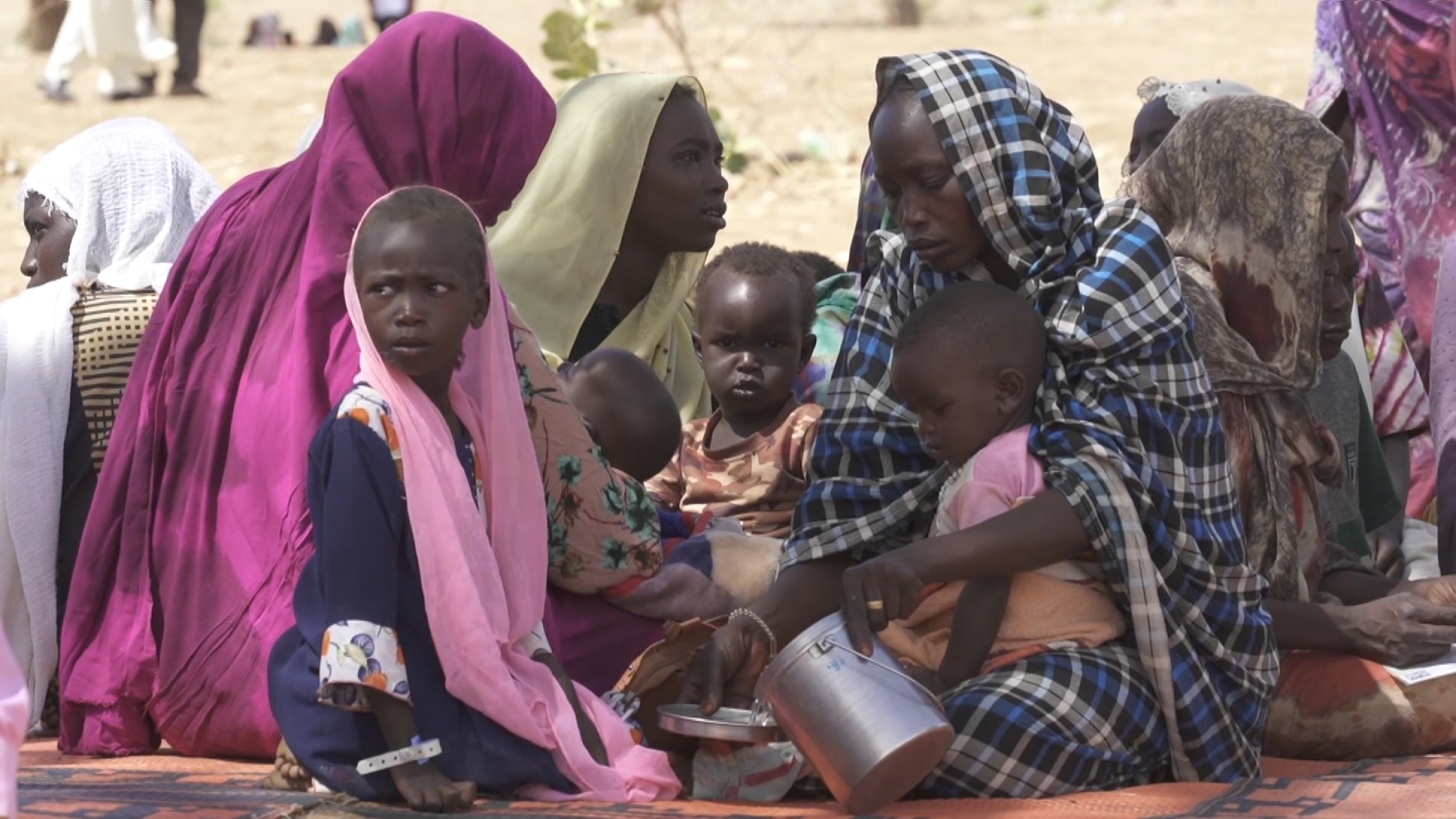
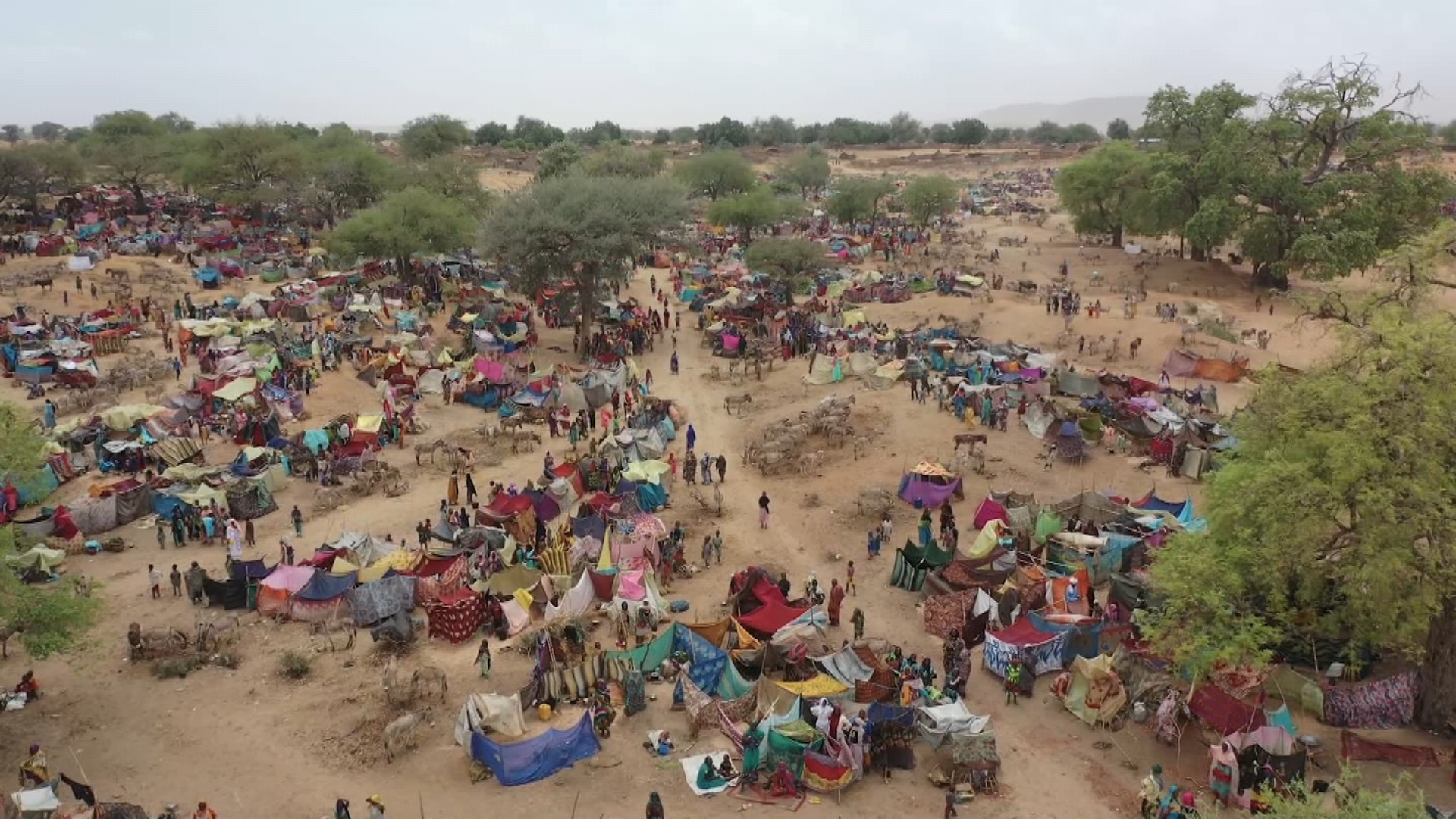
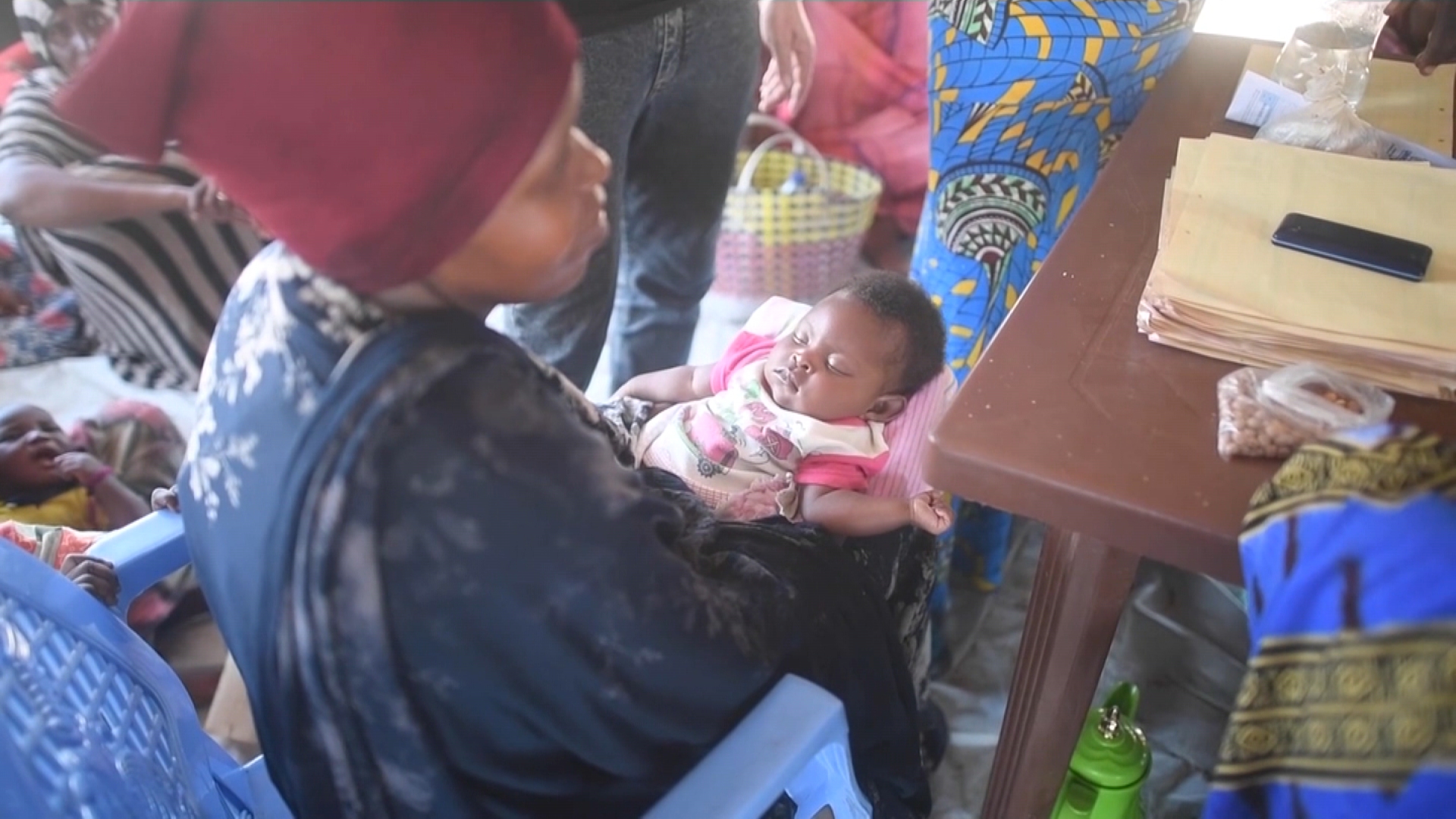
Over eleven thousand people, including refugees hosted in the country and local communities in the eastern Kassala state, have been impacted by severe floods and heavy rains in the past two weeks. This includes many families who recently arrived after fleeing violence in Sennar state and who were sheltering in five gathering sites and reception centers. Some have been displaced three or four times since the start of the conflict. They have lost their belongings, including food rations, and are facing significant challenges in accessing clean water and sanitation facilities, increasing the risk of waterborne diseases. More than 400 shelters have also been damaged in Shagarab refugee camp, leaving already vulnerable people destitute.
UNHCR, the UN Refugee Agency, and partners are on the ground making every effort to assist the most vulnerable. Together with state authorities, new land has been identified where tents are being set up to accommodate the affected families.
The new site is expected to host some 800 families newly displaced due to the flooding. UNHCR has already started erecting emergency shelters, with some 400 tents installed so far. Despite the ongoing rain, at least 200 families have been relocated. In addition, UNHCR is planning to distribute plastic sheeting to refugees to repair roofs damaged by the storms.
More rainfall is expected in the eastern and western parts of the country. To mitigate similar impacts in other states including Gedaref, White Nile and Blue Nile states, UNHCR is prepositioning core relief items and shelter kits, cleaning drainages and building dikes to shore up internal roads to protect camps and sites hosting displaced people.
Flooding in the Darfur region is also impacting the already limited ability of aid agencies to reach people in need, in those areas where we otherwise do have access. The humanitarian needs are reaching epic proportions in the region, as hundreds of thousands of civilians remain in harm’s way and famine has recently been confirmed in a displacement site.
The conflict has already destroyed crops and disrupted livelihoods. The climate crisis is making those displaced even more vulnerable. Flooded land means people are unable to grow crops and graze their livestock, adding to food insecurity and hunger in areas also affected by drought and conflict. Climate adaptation measures are sorely needed to reduce vulnerability to these repeated shocks.
As the conflict spreads across the country, people continue to move in search of safety. To date, over ten million people have been forced to flee their homes both within the country and across its borders.
Since mid-April, El Niño-related heavy rainfall has led to extreme weather events across East Africa – including flooding, landslides, violent winds and hail – which are pounding refugee and displaced communities. As the situation is expected to worsen during the year, UNHCR launched a regional floods appeal for nearly USD 40 million to assist and protect 5.6 million refugees, returnees, internally displaced people and local communities in Burundi, Ethiopia, Somalia, Rwanda, South Sudan and Sudan, which has so far received only USD five million in funds.