Media Home
 UN Web TV
 UN Audiovisual Library
 UN Photo
UN / SPECIAL RAPPORTEUR TRAFFICKING PERSONS
Download
There is no media available to download.
Share
STORY: UN / SPECIAL RAPPORTEUR TRAFFICKING PERSONS
TRT: 02:58
SOURCE: UNIFEED
RESTRICTIONS: NONE
LANGUAGES: ENGLISH / NATS
DATELINE: 17 OCTOBER 2024, NEW YORK CITY / FILE
FILE – NEW YORK CITY
1. Wide shot, United Nations headquarters
17 OCTOBER 2024, NEW YORK CITY
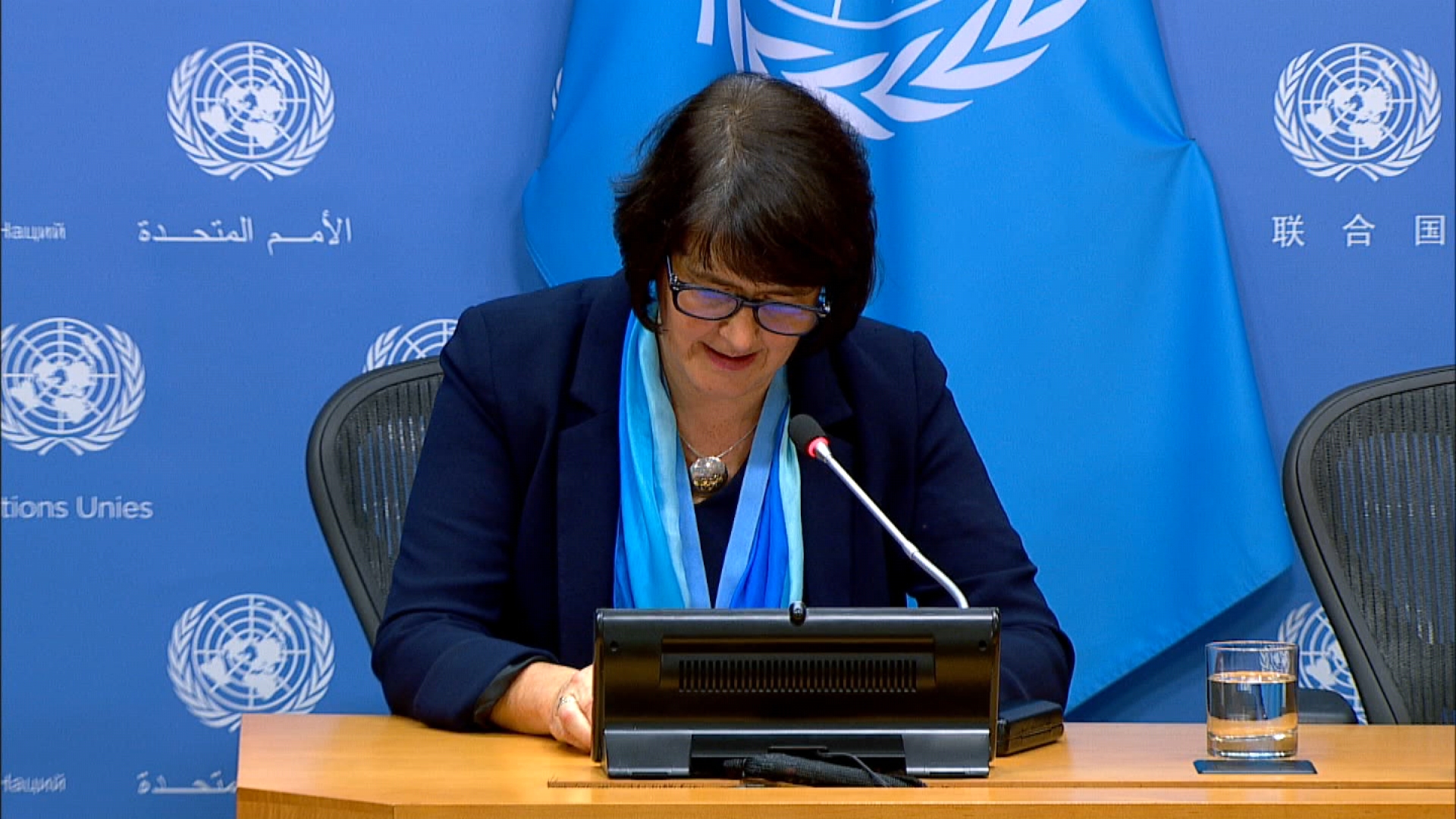
2. Wide shot, press briefing room
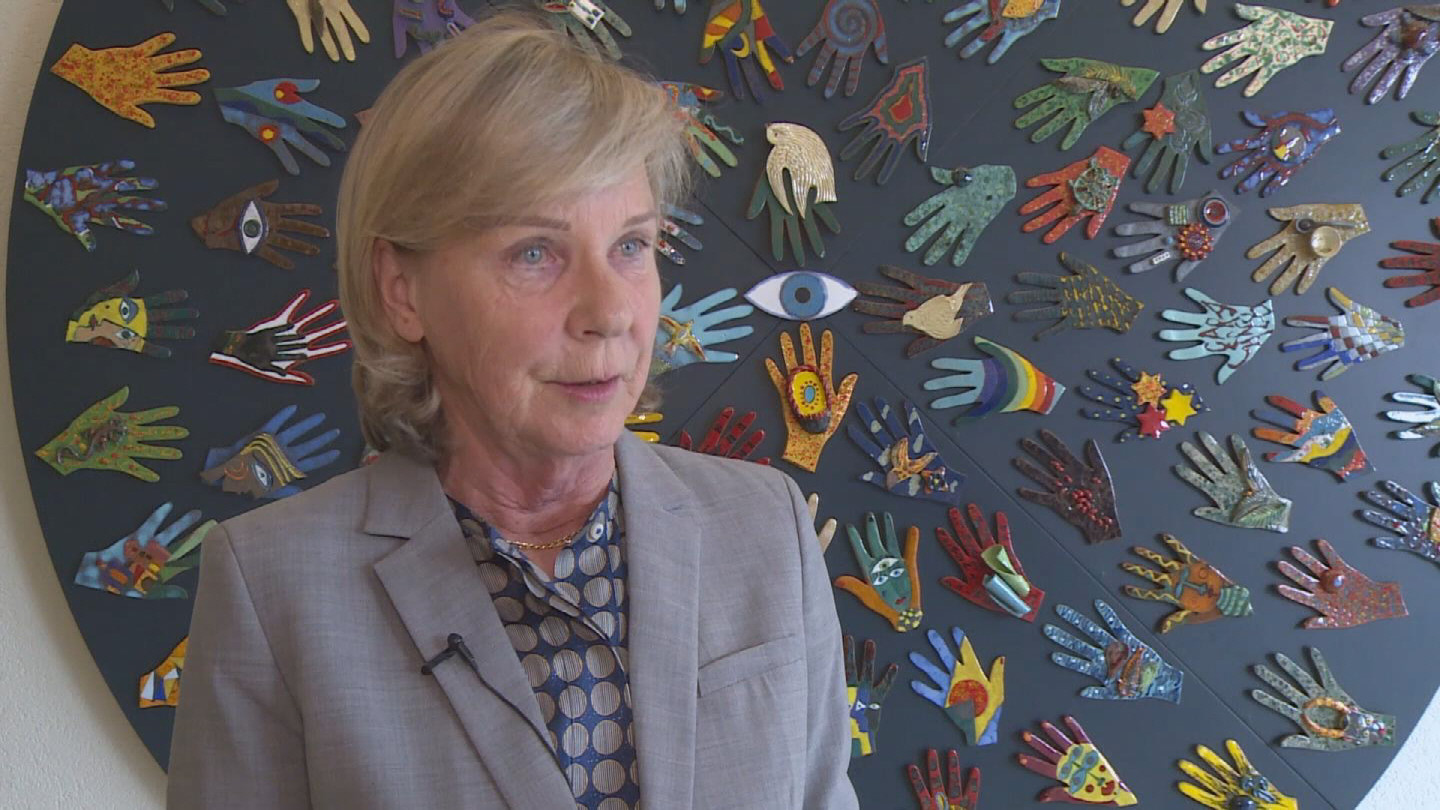
3. SOUNDBITE (English) Siobhán Mullally, Special Rapporteur on Trafficking in Persons, Especially Women and Children:
“My report to the 79th session of the General Assembly looks at the intersections between trafficking in persons and Gender Peace and Security, extending beyond the attention on Women Peace and Security to include a wider focus on gender and gender equality, recognizing the significance of gender in the realization of justice, peace and security.”
4. Med shot, journalist
5. SOUNDBITE (English) Siobhán Mullally, Special Rapporteur on Trafficking in Persons, Especially Women and Children:
“The achievement of gender equality requires a transformation of gendered relations of power and inequality and a recognition of the indivisibility of economic, social and cultural and civil and political rights.”
6. Wide shot, press briefing room
7. SOUNDBITE (English) Siobhán Mullally, Special Rapporteur on Trafficking in Persons, Especially Women and Children:
“We do see that in conflict and post conflict situations, discrimination and violence against indigenous peoples, persons of African descent and racialized and minority communities intersect with gender to increase risks of trafficking for all purposes of exploitation, including by armed groups and armed forces and by criminal organizations and networks.”
8. Wide shot, press briefing room
9. SOUNDBITE (English) Siobhán Mullally, Special Rapporteur on Trafficking in Persons, Especially Women and Children:
“There has been limited attention to the Rights of Persons with Disabilities and actions taken in the context of the women peace and security agenda, or in peace building measures to date.”
10. Wide shot, press briefing room
11. SOUNDBITE (English) Siobhán Mullally, Special Rapporteur on Trafficking in Persons, Especially Women and Children:
“I also want to highlight the incidents of trafficking for purposes of forced labor, which, as we know, has a significant gendered impact, but which receives limited attention in women Peace and Security agendas and action plans. Trafficking for labor exploitation can also coincide with other forms of exploitation, including sexual exploitation, and includes both internal and cross border trafficking. According to ILO child labor estimates, there's also a strong correlation between child labor and situations of conflict and disaster and that may lead to increased risks of child trafficking.”
12. Wide shot, press briefing room
13. SOUNDBITE (English) Siobhán Mullally, Special Rapporteur on Trafficking in Persons, Especially Women and Children:
“I also highlight the failure to identify men and boys as victims of trafficking or at risk of trafficking for all purposes of exploitation, recognizing the particular obstacles to recognition of men and boys as victims of sexual exploitation and sexual slavery. I also highlight that LGBT persons and persons of diverse gender identities may face additional risks of trafficking due to discrimination and violence, including in situations of displacement and conflict and as a consequence of marginalization and limited employment or regular migration opportunities.”
14. Med shot, journalist
15. SOUNDBITE (English) Siobhán Mullally, Special Rapporteur on Trafficking in Persons, Especially Women and Children:
“This is the best way to prevent trafficking in persons – by ensuring safe migration planned relocation, for example, in the context of climate displacement, and effective access to asylum resettlement opportunities without discrimination.”
16. Wide shot, end of press conference
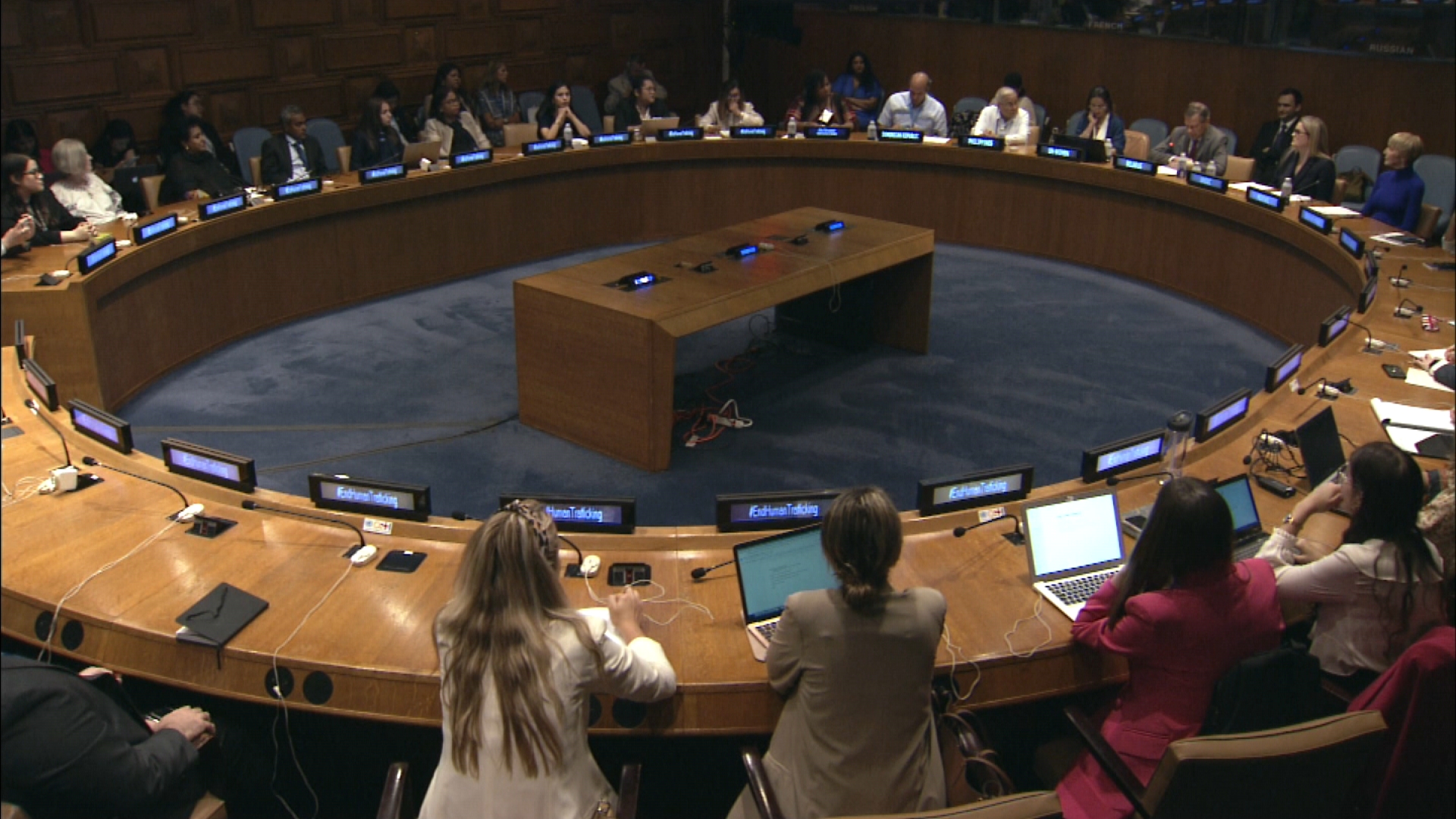
Briefing reporters today (17 Oct) in New York City, a UN expert highlighted that limited progress has been made to integrate measures to combat trafficking in persons into the Women and Peace and Security (WPS) agenda, nearly 25 years after the adoption of Security Council Resolution 1325.
Siobhán Mullally, the Special Rapporteur on trafficking in persons, especially women and children delivered a report to the 79th session of the General Assembly that “looks at the intersections between trafficking in persons and Gender Peace and Security, extending beyond the attention on Women Peace and Security to include a wider focus on gender and gender equality, recognizing the significance of gender in the realization of justice, peace and security.”
Mullally said, “the achievement of gender equality requires a transformation of gendered relations of power and inequality and a recognition of the indivisibility of economic, social and cultural and civil and political rights.”
In her report to the General Assembly, Mullally called for effective measures to address the gendered impact of trafficking in persons in the WPS agenda and related action plans and programmes. She presents targeted recommendations to strengthen action to combat trafficking in persons in the WPS agenda, prioritising human rights of trafficked persons, effective prevention and accountability measures, including reparations and guarantees of non-recurrence.
While recognition of trafficking in persons for purposes of sexual exploitation, or sexual slavery, as a form of sexual violence in conflict has increased attention to such risks, other forms of trafficking in persons, for purposes of forced labour, forced marriage, or domestic servitude, receive less attention, resulting in failures to identify, assist and protect victims of trafficking, and failures of prevention, the Special Rapporteur’s report noted.
She also raised concerns about limited attention to rights of persons with disabilities in WPS actions, and in peacebuilding measures, despite women and girls with disabilities being disproportionately impacted by armed conflict.
Mullally said racism and racial discrimination play a pivotal role in increasing the risks of trafficking in persons and in limiting the effectiveness of prevention, protection and assistance measures. She said, “in conflict and post conflict situations, discrimination and violence against indigenous peoples, persons of African descent and racialized and minority communities intersect with gender to increase risks of trafficking for all purposes of exploitation, including by armed groups and armed forces and by criminal organizations and networks.”
The expert concluded by saying the best way to prevent trafficking in persons is “ensuring safe migration, planned relocation, for example, in the context of climate displacement, and effective access to asylum resettlement opportunities without discrimination.”