Media Home
 UN Web TV
 UN Audiovisual Library
 UN Photo
SOUTH SUDAN / POLITICAL TRANSITION YOUTH
Download
There is no media available to download.
Share
STORY: SOUTH SUDAN / POLITICAL TRANSITION YOUTH
TRT: 02:15
SOURCE: UNMISS
RESTRICTIONS: NONE
LANGUAGES: ENGLISH / NATS
DATELINE: 13 MARCH 2025, JUBA, SOUTH SUDAN
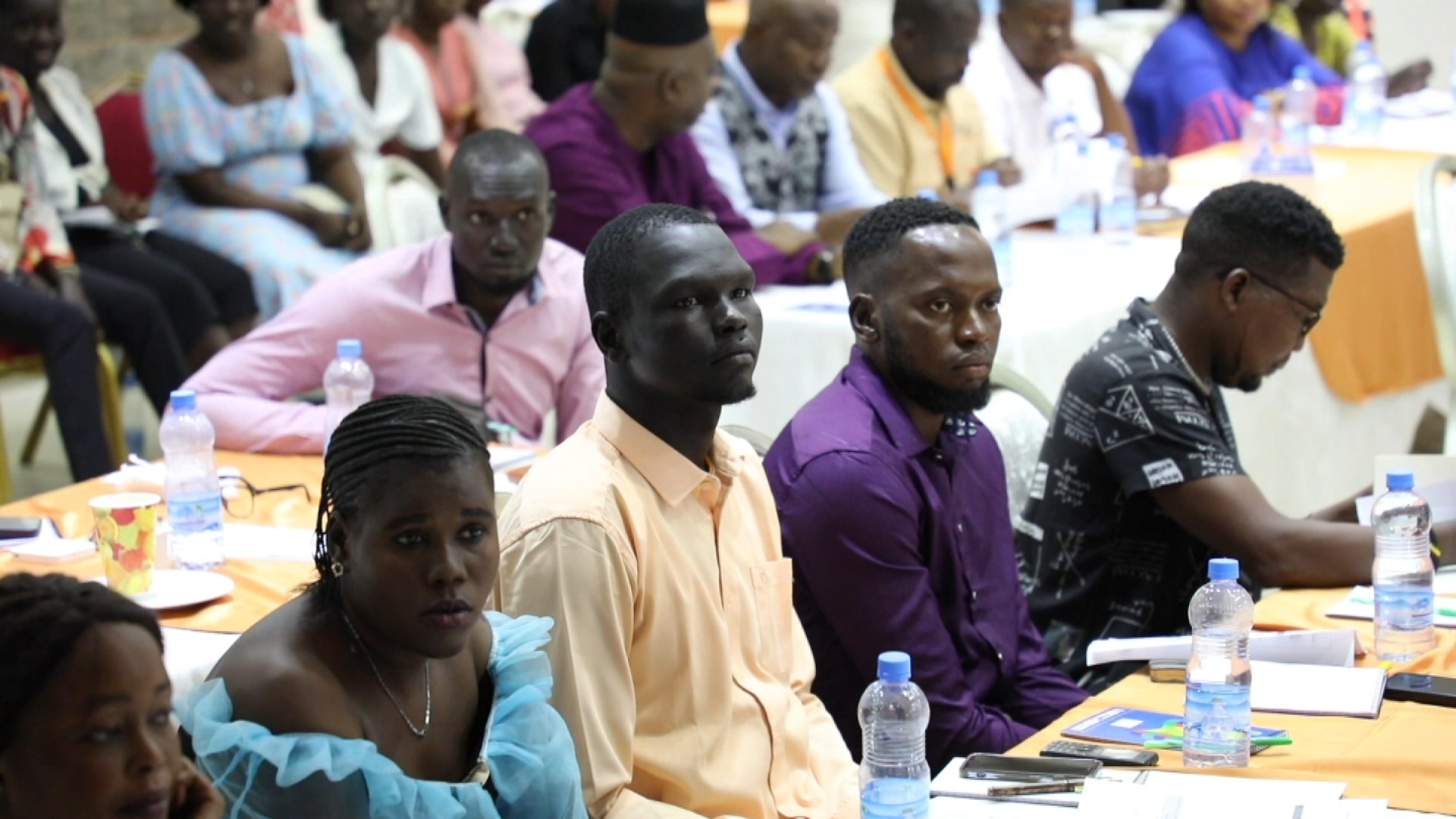
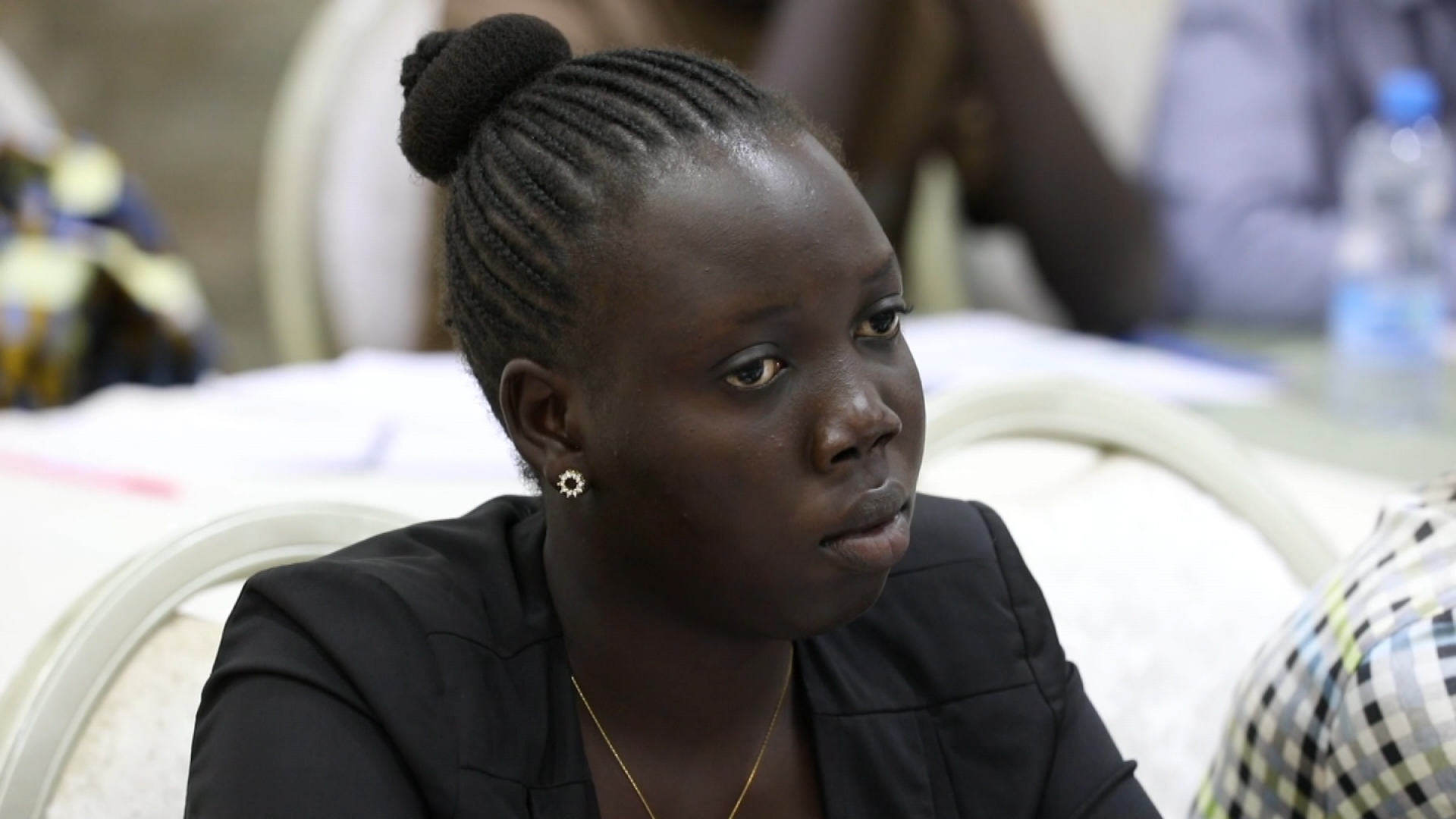
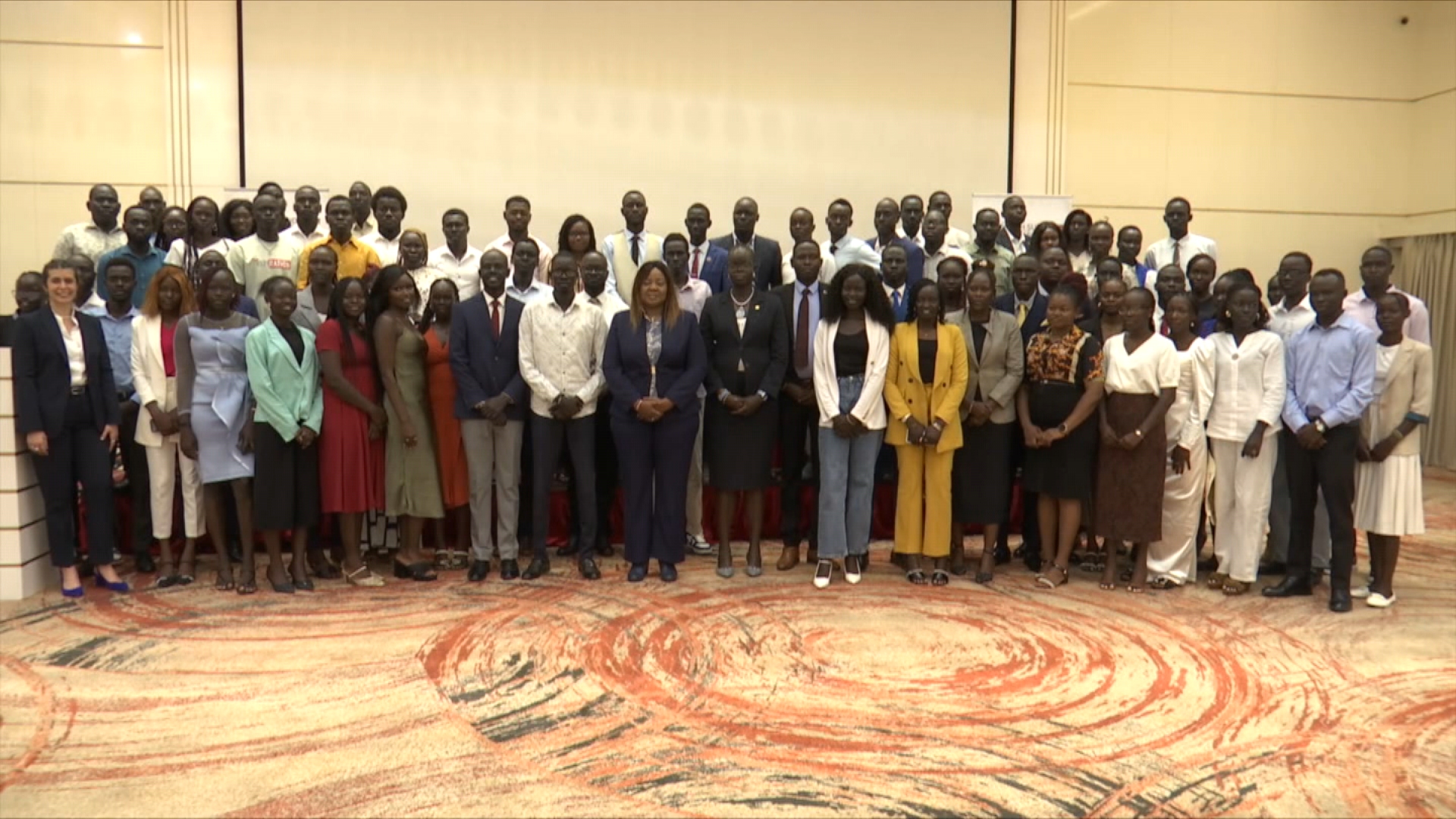
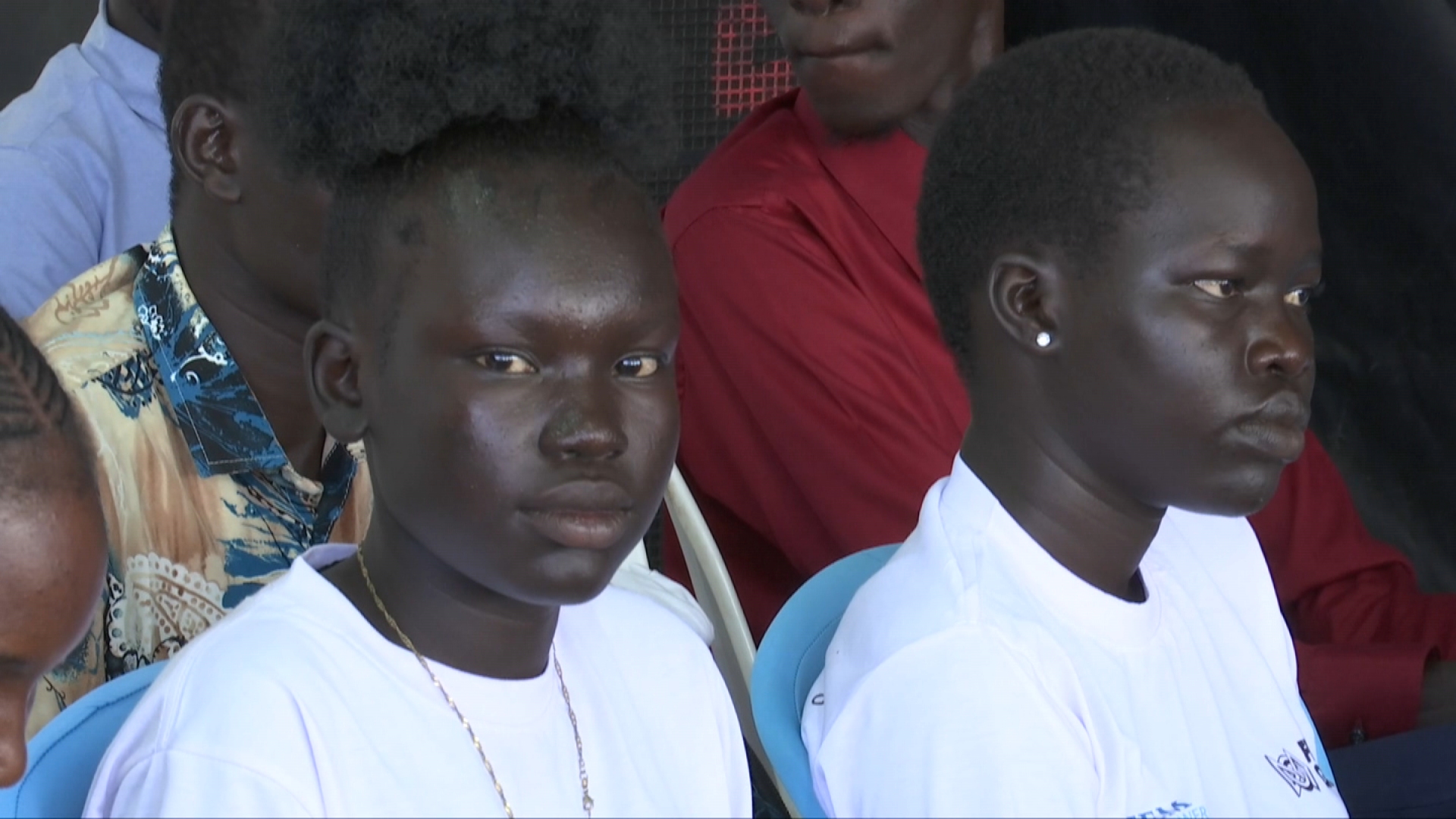
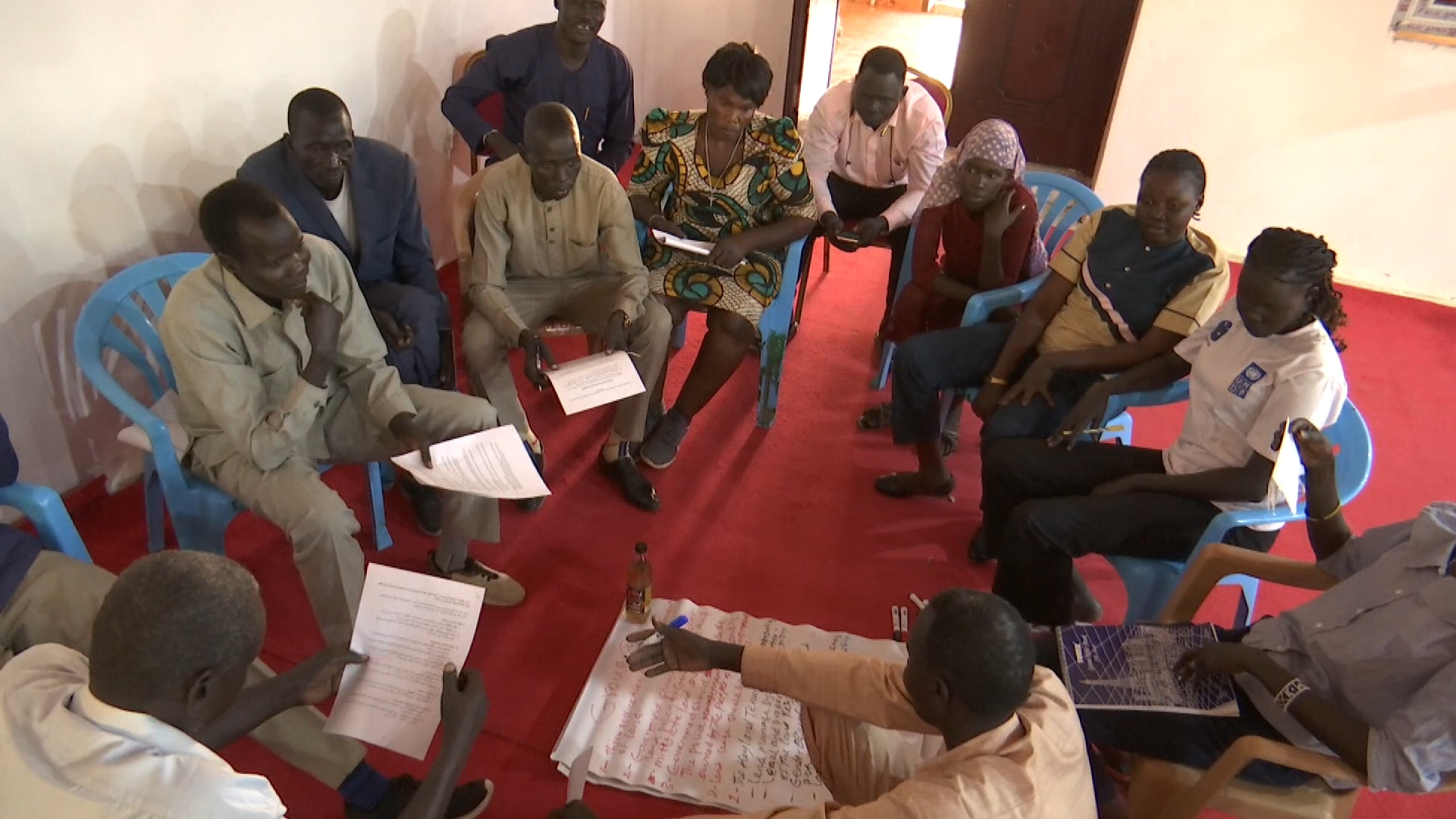
1. Various shots, workshop
2. SOUNDBITE (English) Guy Bennett, Chief of UNMISS Political Affairs Division:
“The constitution-making process is going to be one of those strategically important processes that helps the South Sudanese define the future they want. Given that the country has such a youthful population, and we're talking about 70 percent something around that mark that can consider themselves as youth, it is vital that those voices are heard, and they can help define the future political landscape of the country.”
3. Various shots, workshop
4. SOUNDBITE (English) Deng’kur Mading, Executive Director of South Sudan Youth Interface:
“The young people we are engaging today are the future of the country and the constitution-making process that is going on now is the only opportunity they can use [to make themselves heard].”
5. Various shots, Workshop
6. SOUNDBITE (English) Riang Yer Zuor, Chairperson of the National Constitutional Review Commission:
“Our starting point should be a question of what the [peace] agreement says about the youth of this country. The parties are required by the same agreement to strive to include them in their quotas at different levels of government.”
7. Various shots, workshop
South Sudan’s Revitalized Peace Agreement stipulates measures to be taken to end the conflict by addressing its root causes, not least by drafting a new, permanent and inclusive constitution. Inclusivity is a key word, but despite making up more than two thirds of the population, the involvement of South Sudan’s youth (here defined as anyone under the age of 30) in the process of writing a new constitution has been limited.
To discuss how their role can become more significant, the South Sudan Youth Interface and the Ministry of Youth and Sports organized a workshop, supported by the United Nations Mission in South Sudan (UNMISS), for youth representatives and other constitution-making stakeholders.
Guy Bennett, Chief of UNMISS Political Affairs Division said, “The constitution-making process is going to be one of those strategically important processes that helps the South Sudanese define the future they want. Given that the country has such a youthful population, and we're talking about 70 percent something around that mark that can consider themselves as youth, it is vital that those voices are heard, and they can help define the future political landscape of the country.”
It is crucial to create spaces where everyone, including youth, women, people living with disabilities, and other marginalized groups, can express their views on vital political matters.
Deng’kur Mading, Executive Director of South Sudan Youth Interface said, “The young people we are engaging today are the future of the country and the constitution-making process that is going on now is the only opportunity they can use [to make themselves heard].”
Increasing the political representation and influence of young women and men is vital if the provisions of the nation’s peace deal are to be fully implemented.
Riang Yer Zuor, Chairperson of the National Constitutional Review Commission said, “Our starting point should be a question of what the [peace] agreement says about the youth of this country. The parties are required by the same agreement to strive to include them in their quotas at different levels of government.”
Forum participants concluded that more youth-led initiatives that can broaden South Sudan’s civic and political space are both wanted and needed.