Media Home
 UN Web TV
 UN Audiovisual Library
 UN Photo
SOUTH SUDAN / BENTIU FLOOD PREPARATION
Download
There is no media available to download.
Share
STORY: SOUTH SUDAN / BENTIU FLOOD PREPARATION
TRT: 02:52
SOURCE: UNMISS
RESTRICTIONS: NONE
LANGUAGE: ENGLISH / NATS
DATELINE: 30 MAY 2025, BENTIU, SOUTH SUDAN
30 MAY 2025, BENTIU, SOUTH SUDAN
1. Wide shot, Aerial, Rubkona Airstrip surrounded by water
2. Wide shot, UNMISS Bentiu Base and IDP Camp surrounded by water
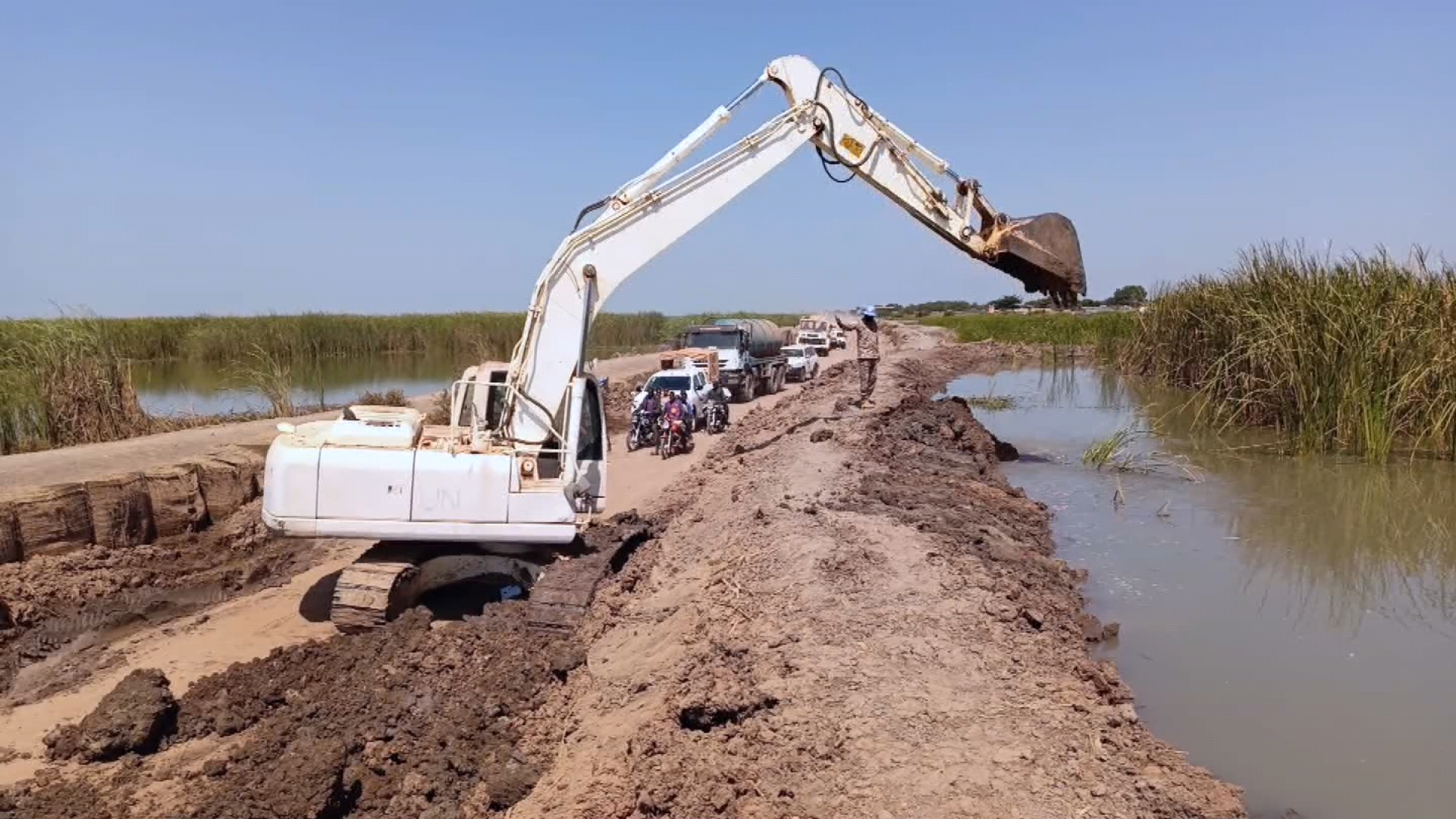
3. Wide shot, Pakistani Engineers working on dike
4. Med shot, Pakistani Engineer overseeing dike reinforcement with Ghanian FPU
5. Wide shot, Locals swimming in waters next to dike
6. Med shot, Local man swimming alone
7. SOUNDBITE (English) Solomon Yain, Leader of Displacement Camp:
“People are now living safely and not in the water. As you can see, the water has left the area.”
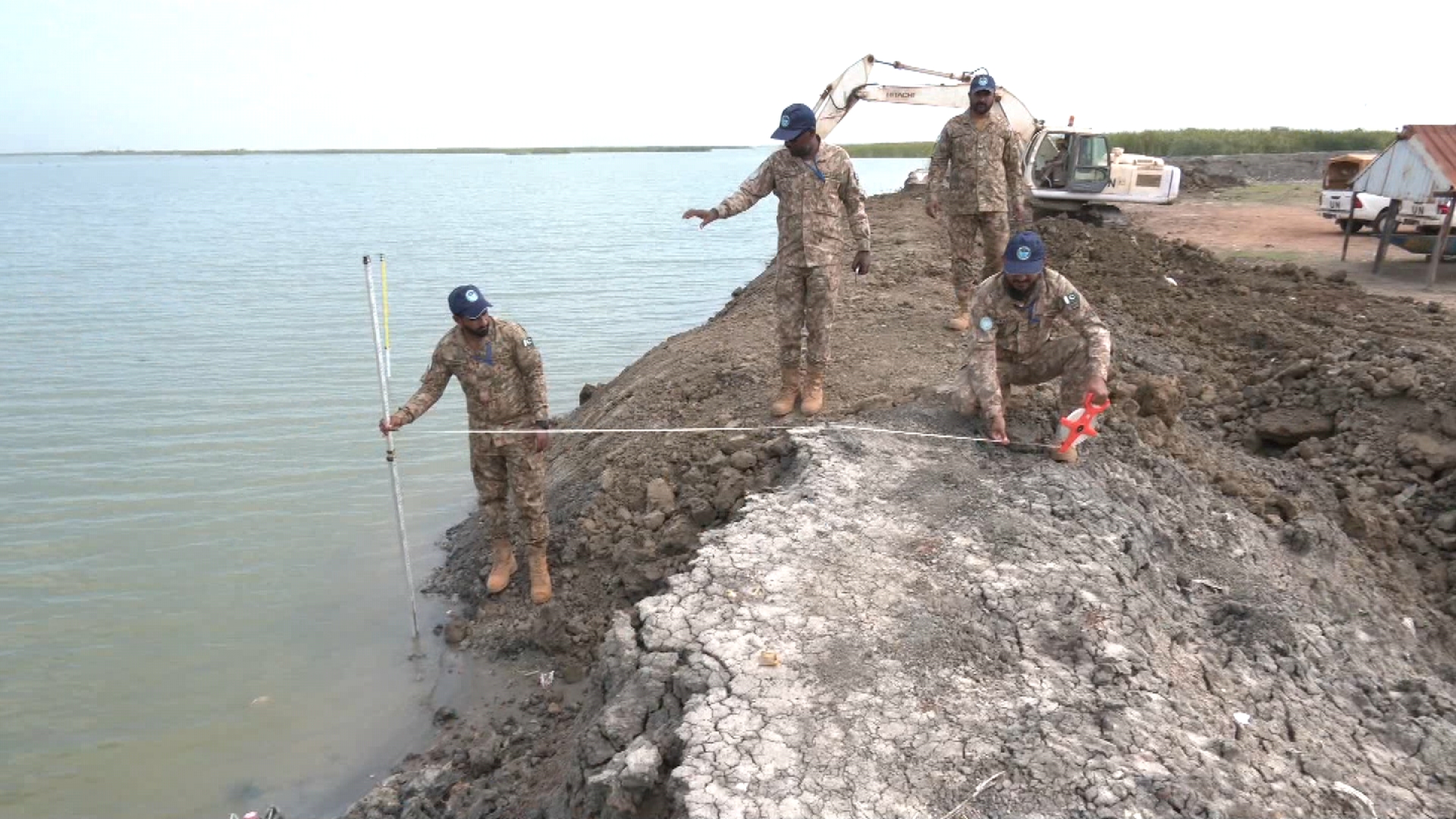
8. Various shots, Pakistani Engineers measuring water levels
9. SOUNDBITE (English) Major Hilmi Munsif, Pakistan Engineering Contingent, Chief of Operations:
“In my point of view, the biggest reward we have is when we see people and families living behind these dikes safely, enjoying their lives with their families. This makes us feel like we’ve done something, not just a technical task, but something worthwhile.”
FILE – JUNE 2022
10. Various shots, aerial view of land surrounded by water
30 MAY 2025, BENTIU, SOUTH SUDAN
11. Various shots, MonBatt Peacekeepers patrolling Dike
12. SOUNDBITE (English) Lkhagvabaatar Tumurbaatar, Mongolian Peacekeeping Contingent, Deputy Commander:
“Our main priority is the protection of civilians as well as we protect the UN facilities and its partners and supporting their efforts.”
13. Various shots, local woman tending to her crops
14. SOUNDBITE (English) Denis Fuh Chenwi, Acting Head Of Field Office Bentiu:
“I would say that we wish we didn’t have the dikes in place, that we didn’t have the floodings, so the dikes wouldn’t be required for flood mitigation and flood response. But unfortunately, we have the dikes to respond to climate shocks. Our longer-term plan is to work closer with the government and give the capacity to the state and local communities.”
In Bentiu, survival requires vigilance and vigorous efforts to maintain and strengthen the vast network of dikes that protect hundreds of thousands of people living on a tiny sliver of land surrounded by 4,500 square kilometres of floodwater. The catastrophic flooding that struck Unity State in 2020 from extraordinary rainfall causing a massive overflow from the swollen Nile River, have never fully receded. However, people are living as best as they can on the land that has managed to be reclaimed.
SOUNDBITE (English) Solomon Yain, Leader of Displacement Camp:
“People are now living safely and not in the water. As you can see, the water has left the area.”
Every year, when the rainy season strikes, the water begins to rise. Last year, they reached just 30 centimetres below the existing dikes. In response, Pakistani engineering peacekeepers serving with the United Nations Mission in South Sudan have dedicated their time and energy to raising the levels to at least one and a half meters above the water levels.
SOUNDBITE (English) Major Hilmi Munsif, Pakistan Engineering Contingent, Chief of Operations:
“In my point of view, the biggest reward we have is when we see people and families living behind these dikes safely, enjoying their lives with their families. This makes us feel like we’ve done something, not just a technical task, but something worthwhile.”
The work to strengthen the defences aims to prevent breaches, such as in 2022 when a rupture of the western wall, threatened the safety of 300,000 civilians, including many living in a nearby displacement camp as well as the UNMISS field office. United by their shared commitment to protecting local communities, the Pakistani engineers have joined forces with Mongolian peacekeeping colleagues to relentlessly patrol the dike system, checking for potential breach sites. The Mongolian contingent also provides a protective presence while the engineers are working.
SOUNDBITE (English) Lkhagvabaatar Tumurbaatar, Mongolian Peacekeeping Contingent, Deputy Commander:
“Our main priority is the protection of civilians as well as we protect the UN facilities and its partners and supporting their efforts.”
Climate change is posing a growing threat to communities across South Sudan, as already scarce resources are being severely impacted by floods and droughts. This escalates tensions between communities and heightens the risk of conflict.
SOUNDBITE (English) Denis Fuh Chenwi, Acting Head Of Field Office Bentiu:
“I would say that we wish we didn’t have the dikes in place, that we didn’t have the floodings, so the dikes wouldn’t be required for flood mitigation and flood response. But unfortunately, we have the dikes to respond to climate shocks. Our longer-term plan is to work closer with the government and give the capacity to the state and local communities.”
The strong partnership between peacekeepers, humanitarians and communities, is keeping vulnerable people safe for now, but the threat remains, as the rain begins to fall.