Media Home
 UN Web TV
 UN Audiovisual Library
 UN Photo
UNHCR / BURUNDI CONGOLESE REFUGEES
Download
There is no media available to download.
Share
STORY: UNHCR / BURUNDI CONGOLESE REFUGEES
TRT: 6:23
SOURCE: UNHCR
RESTRICTIONS: PLEASE CREDIT UNHCR ON SCREEN
LANGUAGE: FRENCH / SWAHILI / NATS
DATELINE: 18 DECEMBER 2025, BUSUMA REFUGEE SITE, DEMOCRATIC REPUBLIC OF CONGO
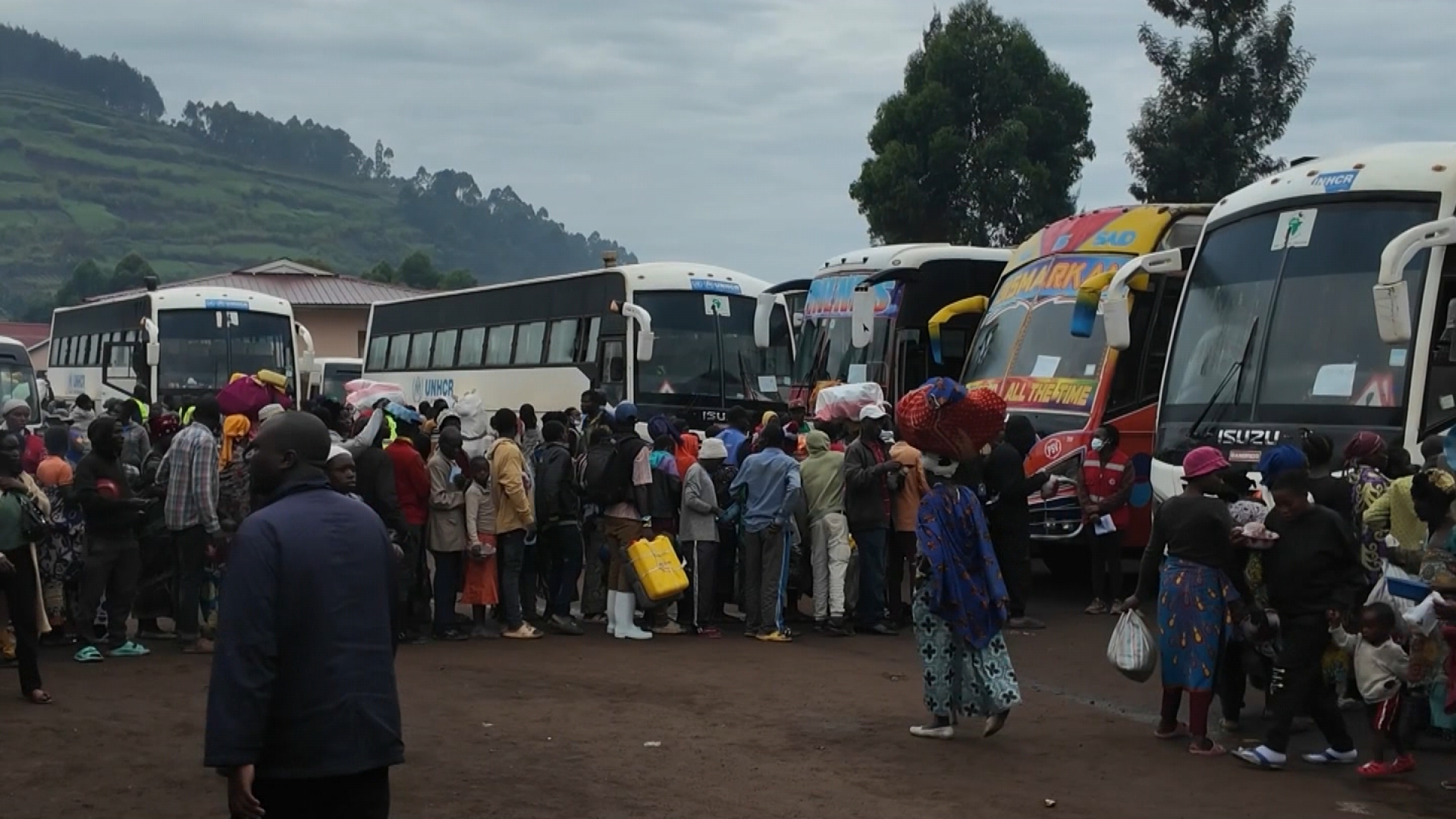
1.Wide shot, buses relocating refugees to busuma in the distance
2.Various shots,buses relocating refugees to busuma arriving / people getting off buses
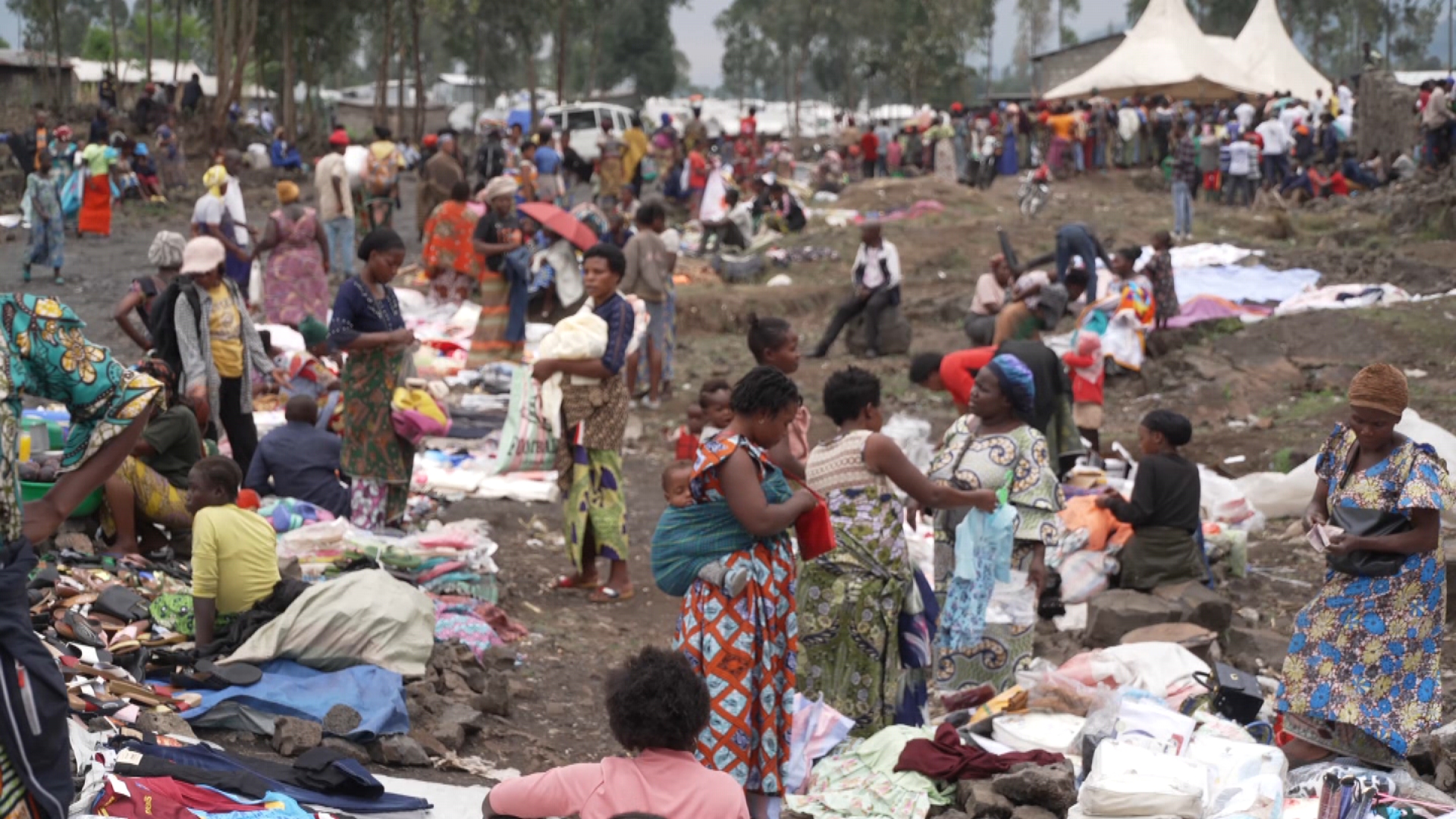
3. Various shots, camp area in busuma / big crowds of people
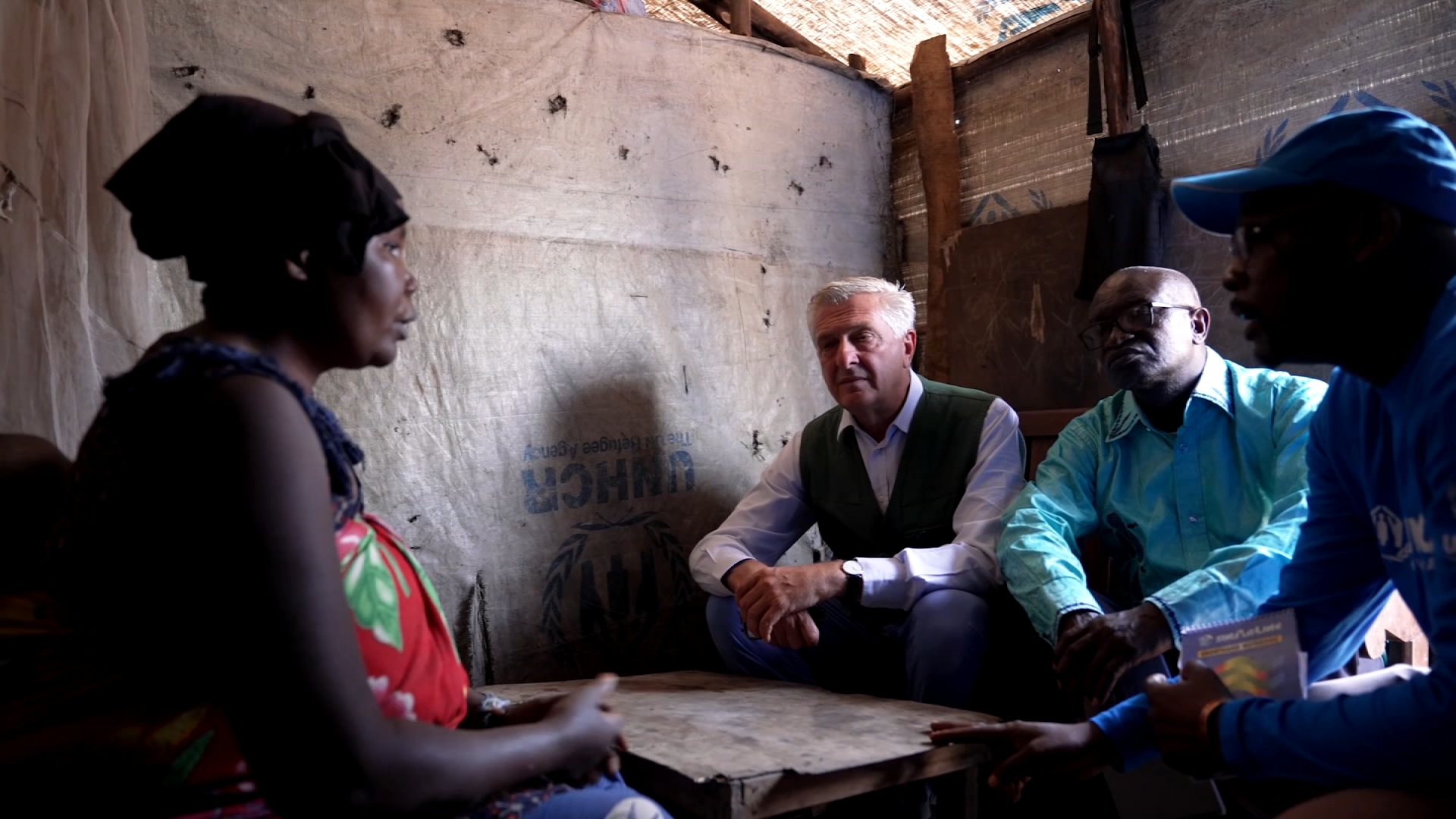
4.Various shots, registration / unhcr staff gathering information from refugees
5.Various shots, refugees scrambling for food
6.Wide shot, congoglese refugee maombe sariue waiting for food
7. Various shots, empty cooking posts on the ground
8. SOUNDBITE (Swahili) Maombe Sariue, Congolese Refugee:
“Help us. Since we left our village, we have been sleeping outside, getting soaked in the rain, we are sick, we have no medicine. There was no shelter, no food. I am pregnant. We need help.”
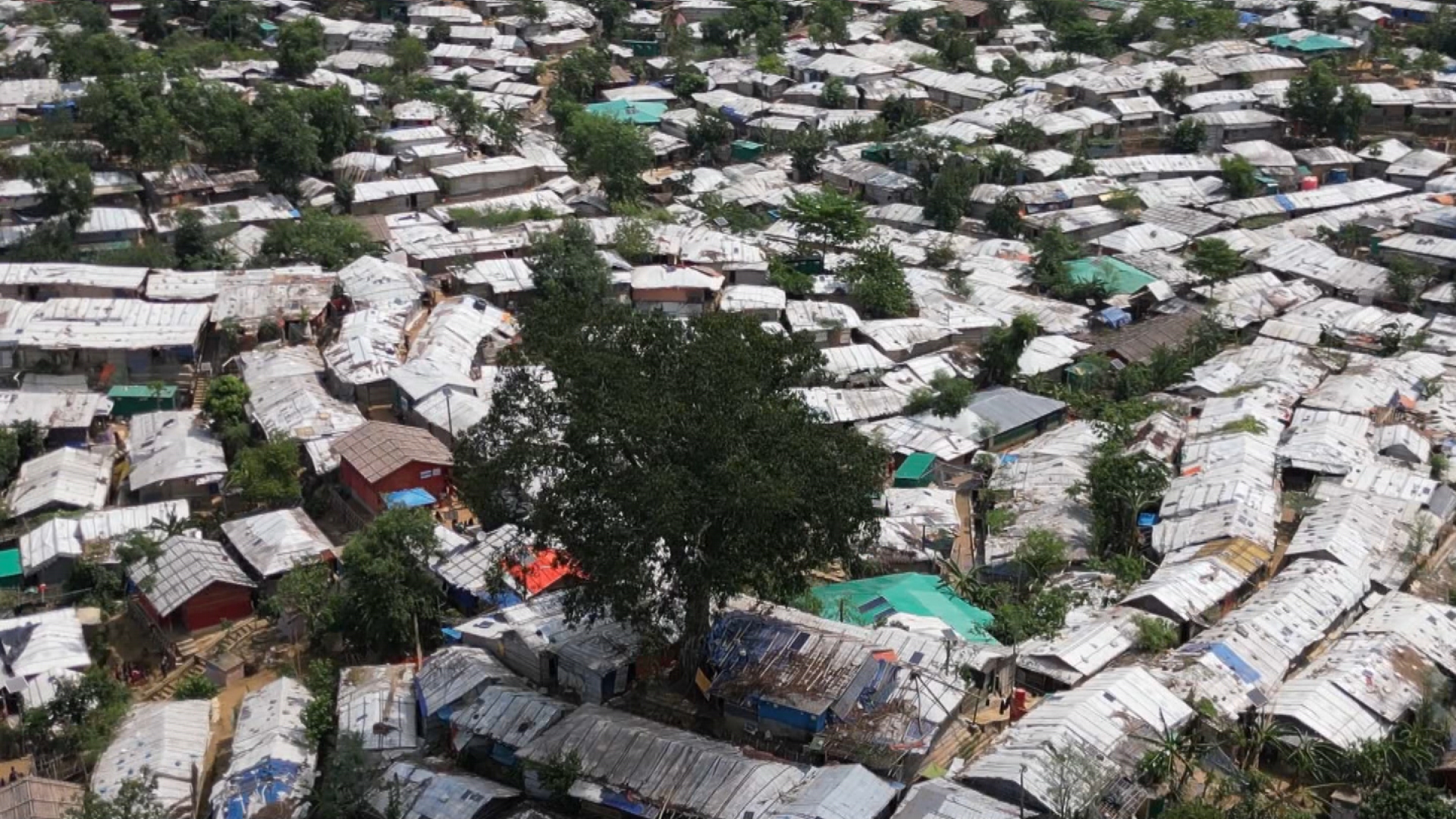
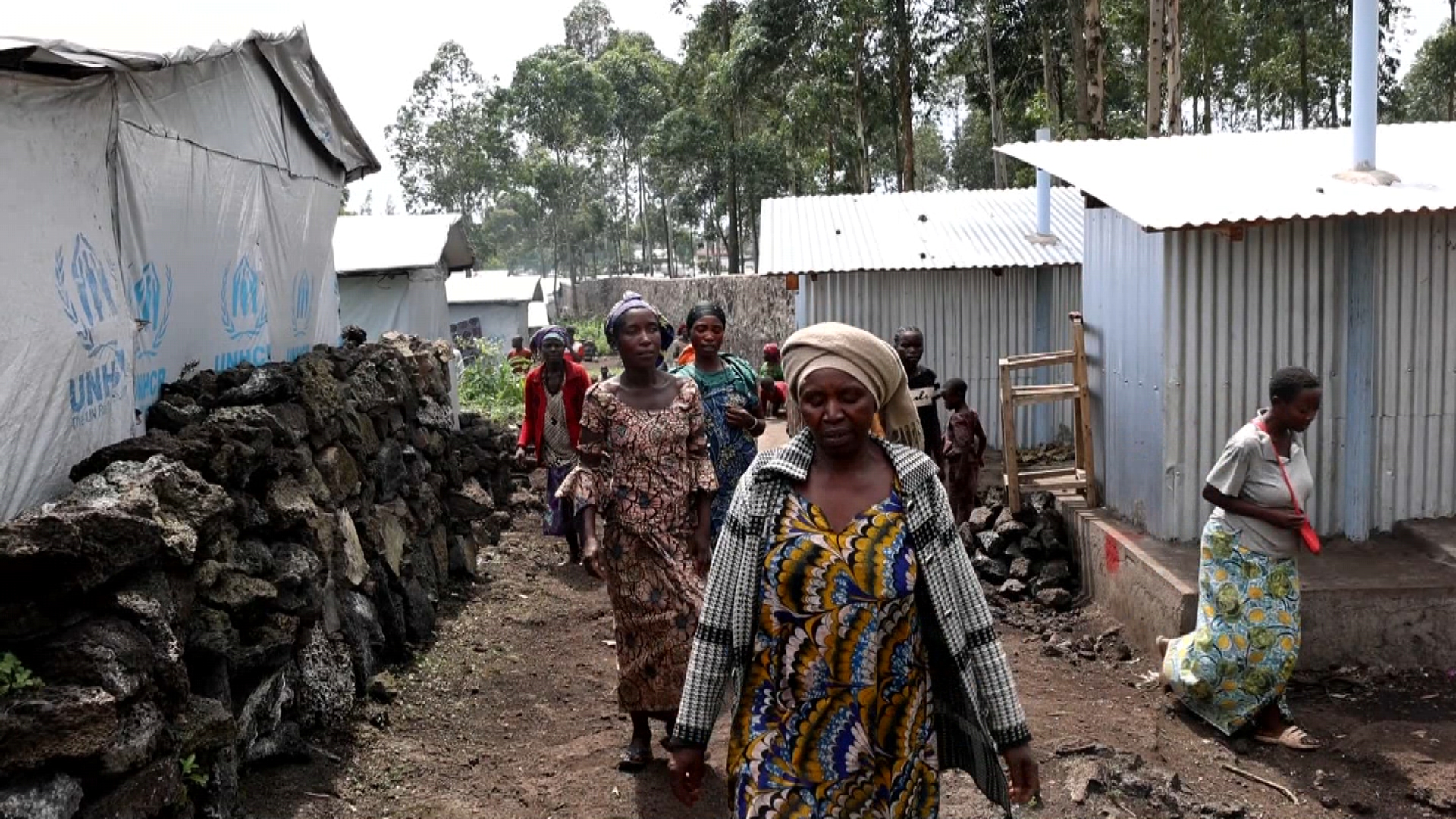
9. various shots, refugee site / makeshift shelters / people sitting outside with their belongings
10. Various shots, refugee undergoing medical check
11. Various shots, refugees at water distribution point
12. Various shots, shelter material / unhcr staff, simplice kpandji
12. SOUNDBITE (French) Simplice Kpandji, Unhcr Staff:
“To date, we have 17,000 people and there are many more who are still arriving at this site. As you can see, there are a lot of needs. We need shelter, we need water, we need food, we also need health. So take a good look varound you, you will notice that indeed all these people who are there, we do not have the capacity today to be able to accommodate them all, to be able to feed them all because we do not have the means.”
13. SOUNDBITE (French) Simplice Kpandji, Unhcr Staff:
“This number is not fixed. We are at 17,000 today and as i said earlier, there are many more who are still coming. Because this figure is in the space of only one week that we have these 17,000 people. So it is to be expected that by the end of this week we will be able to find around 25,000 people. So we still need a lot, the needs are still there and the needs are growing. As you can see, it feels like our efforts are not enough. It's simply because the needs and the resources are not there and so that's just where we are in this situation.”
14. Various shots, shelters coming up
UNHCR, the UN Refugee Agency is deeply alarmed by the worsening humanitarian situation in Burundi that has reached a critical point following a rapid influx of refugees and asylum seekers fleeing violence in the eastern part of the Democratic Republic of the Congo (DRC).
Since early December, over 84,000 people fleeing escalating clashes in DRC’s South Kivu have crossed into Burundi. This surge significantly increases the total number of Congolese refugees and asylum-seekers in Burundi to more than 200,000.
Thousands of people crossing the border on foot and by boats each day have overwhelmed local resources, creating a major humanitarian emergency that requires immediate global support. Women and children are particularly affected, arriving exhausted and severely traumatized, bearing the physical and psychological marks of terrifying violence. Our teams met pregnant women, who shared that they had not eaten in days.
In Burundi, transit centers and informal sites where new arrivals are hosted have far surpassed originally planned capacity in some sites by nearly 200 per cent, leaving hundreds of families in untenable conditions in these sites.
Acute water and sanitation shortages are increasing the risk of outbreaks of life-threatening diseases, including cholera and Mpox.
Immediate supplies, especially more shelters, latrines, water, food and medical stocks are critical to ensure people can access the help they need.
The Government of Burundi has designated a new site for the ongoing arrivals, Bweru, in Ruyigi Buhumuza province in the east of the country to ease congestion in existing sites. However, conditions there remain extremely dire. Many families are still sleeping in the open due to lack of tents, leaving thousands exposed to harsh conditions in a high-altitude area where evening temperatures drop sharply amid ongoing rains.