Media Home
 UN Web TV
 UN Audiovisual Library
 UN Photo
GAZA / UNRWA HEALTH SERVICES
Download
There is no media available to download.
Share
STORY: GAZA / UNRWA HEALTH SERVICES
TRT: 06:48
SOURCE: UNIFEED
RESTRICTIONS: NONE
LANGUAGES: ARABIC / NATS
DATELINE: 29 JANUARY 2026, NUSEIRAT REFUGEE CAMP, CENTRAL GAZA STRIP
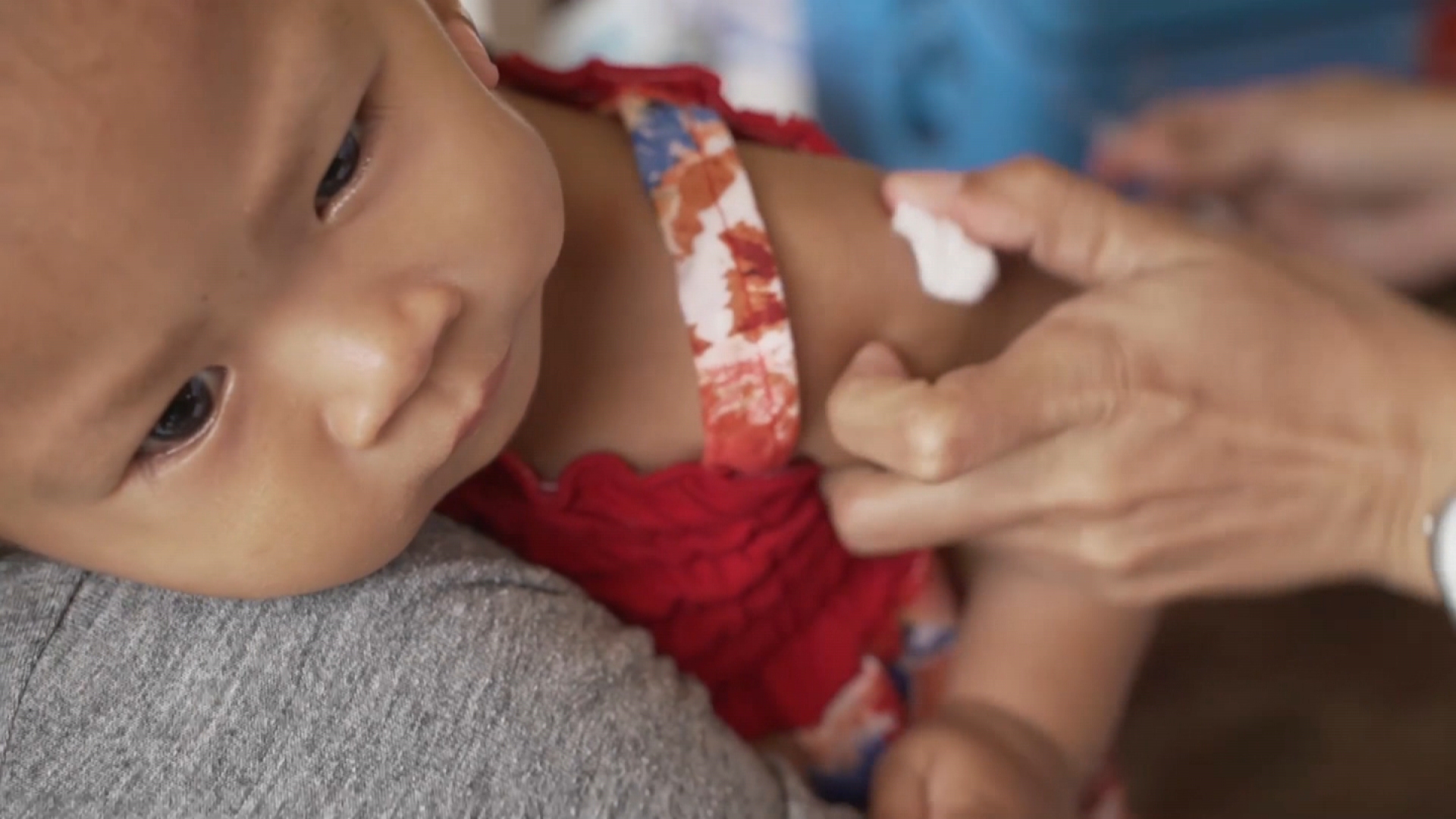
1. Various shots, exteriors of the the Nuseirat Health Clinic, operated by the United Nations Relief and Works Agency for Palestine Refugees (UNRWA), in Nuseirat Refugee Camp, central Gaza Strip
2. Various shots, patients and visitors inside the UNRWA Nuseirat Clinic
3. Various shots, overcrowding inside different departments of the UNRWA Nuseirat Clinic
4. Various shots, Umm Jasser, a displaced woman from Beit Hanoun to central Gaza, who suffers from chronic illnesses, visiting doctors at the UNRWA Nuseirat Clinic
5. SOUNDBITE (Arabic) Umm Jasser, displaced woman:
"There are no painkillers available. They only give us one or two pills because there is a shortage affecting everyone, and UNRWA is forced to help all people. There are no thyroid medications, and they are reducing the quantities so they can distribute them among all patients. There is a real problem, and during the war we suffered a lot. Now my mood is unstable because I could not find the medicine I need and had to buy it myself."
6. Various shots, patients and visitors outside the pharmacy at the UNRWA Nuseirat Clinic
7. Various shots, an elderly patient visiting the UNRWA clinic
8. Various shots, patients waiting inside the departments of the UNRWA Nuseirat Clinic
9. Various shots, Mohammed Arab, a displaced father from Gaza City to Al-Zawaida in central Gaza, waiting with his infant daughter to see a doctor
10. Various shots, awareness posters encouraging residents to vaccinate their children, as part of campaigns supervised by United Nations organizations in cooperation with local health institutions
11. SOUNDBITE (Arabic) Mohammed Arab, father of a patient:
"We came today to the UNRWA Nuseirat Clinic to vaccinate my child. The services we receive here are difficult to find in other clinics, because they follow all preventive measures to limit infection and protect people from diseases. Although there are many local medical points that may be closer to us, the medical service here is better. We hope these services continue and remain available. We also send a message that UNRWA services should not be reduced, not only in the health sector but across all areas of life such as education, employment, and support for residents. If these services stop, we will not find an alternative with the same efficiency and quality that UNRWA provides."
12. Various shots, Mohammed Arab carrying his daughter and entering the vaccination room
13. Various shots, the vaccination campaign carried out by UNRWA in different areas of the Gaza Strip
14. Various shots, children receiving vaccinations at the UNRWA Nuseirat Clinic in central Gaza Strip
15. Various shots, children and women visiting doctors at the UNRWA Nuseirat Clinic in central Gaza Strip
The United Nations Relief and Works Agency for Palestine Refugees (UNRWA) continues to provide primary healthcare services in the Gaza Strip amid severe shortages of medicines and the closure of dozens of health facilities, as the health system remains under intense pressure.
At the UNRWA Nuseirat Health Clinic in central Gaza, one of the few clinics still operating, patients crowd corridors and departments as demand overwhelms limited resources.
Umm Jasser, a displaced woman from Beit Hanoun in northern Gaza who suffers from chronic illnesses, described the impact of medicine shortages on her daily life. She said: “There are no painkillers available. They only give us one or two pills because there is a shortage affecting everyone, and UNRWA is forced to help all people. There are no thyroid medications, and they are reducing the quantities so they can distribute them among all patients. There is a real problem, and during the war we suffered a lot. Now my mood is unstable because I could not find the medicine I need and had to buy it myself.”
Despite the challenges, many displaced families continue to rely on UNRWA clinics for essential services, including childhood vaccinations.
Mohammed Arab, a displaced father from Gaza City now living in Al-Zawaida in central Gaza, came to the clinic to vaccinate his infant daughter. He said: “We came today to the UNRWA Nuseirat Clinic to vaccinate my child. The services we receive here are difficult to find in other clinics, because they follow all preventive measures to limit infection and protect people from diseases. Although there are many local medical points that may be closer to us, the medical service here is better. We hope these services continue and remain available. We also send a message that UNRWA services should not be reduced, not only in the health sector but across all areas of life such as education, employment, and support for residents. If these services stop, we will not find an alternative with the same efficiency and quality that UNRWA provides.”
Humanitarian organizations warn that continued shortages of medicines and reduced access to healthcare in Gaza could further worsen conditions for children, the elderly, and patients with chronic illnesses, as conflict and supply constraints persist.