Media Home
 UN Web TV
 UN Audiovisual Library
 UN Photo
UN / LEBANON UNICEF CHAIBAN PRESSER
Download
There is no media available to download.
Share
STORY: UN / LEBANON UNICEF CHAIBAN PRESSER
TRT: 4:51
SOURCE: UNIFEED
RESTRICTIONS: NONE
LANGUAGE: ENGLISH / NATS
DATELINE: 23 MARCH 2026, NEW YORK CITY / FILE
FILE – NEW YORK CITY
1. Wide shot, exterior, United Nations Headquarters
23 MARCH 2026, NEW YORK CITY
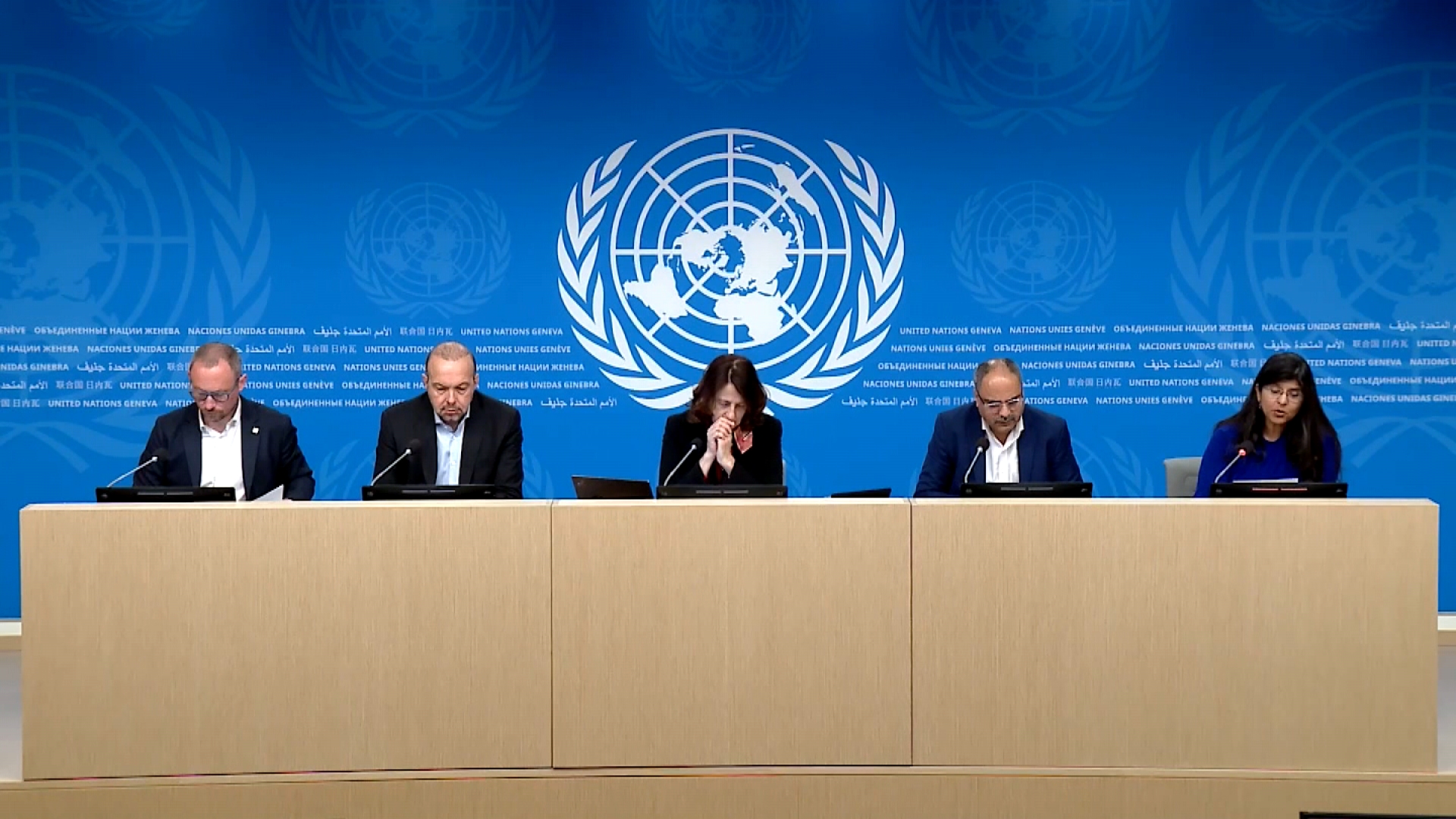
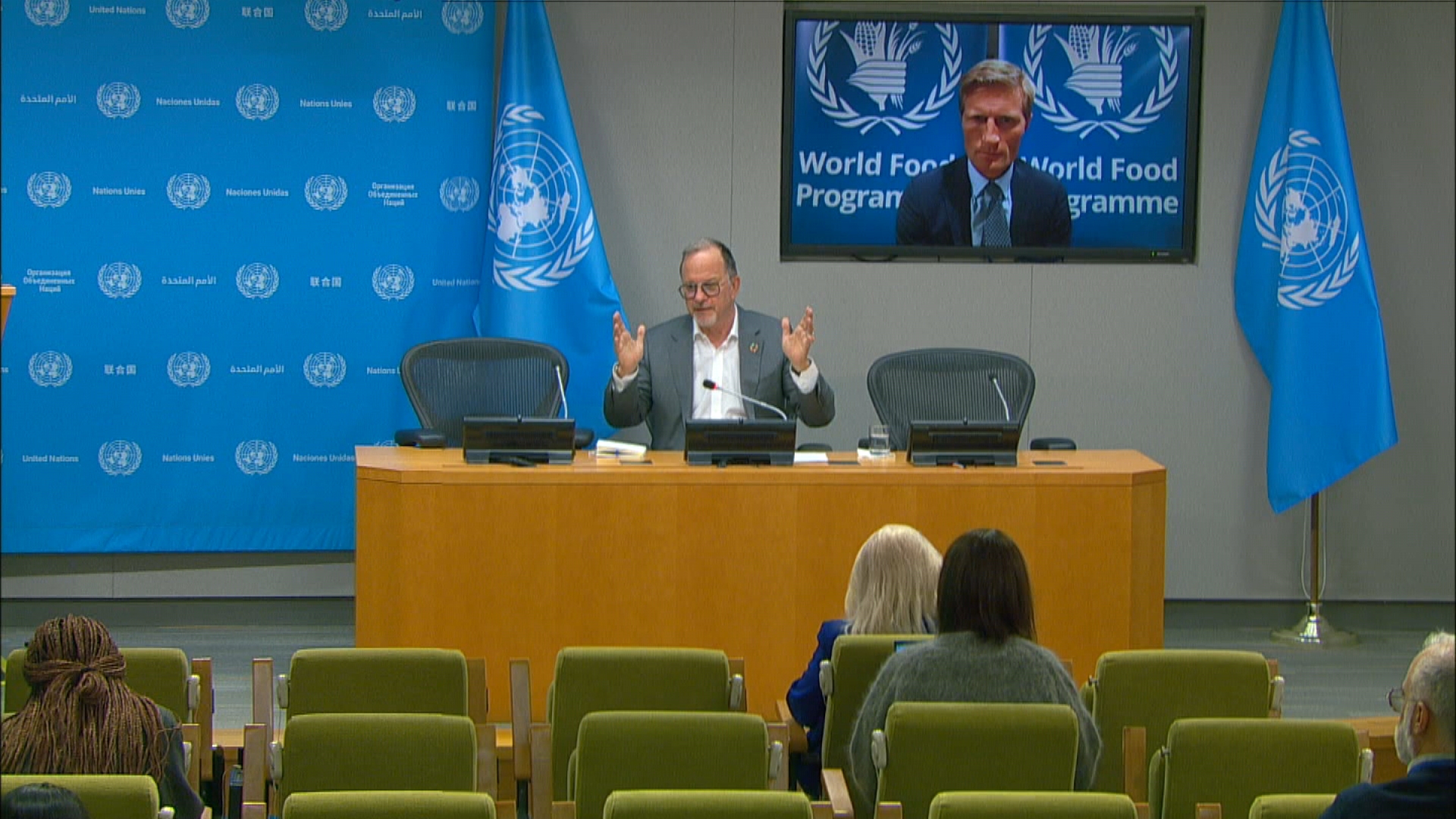
2. Wide shot, press briefing room
3. SOUNDBITE (English) Ted Chaiban, Deputy Executive Director, United Nations Children’s Fund (UNICEF):
“Twenty-three days into the escalating conflict in the Middle East, children across the region are paying a devastating price. A further descent into a wider and more protracted conflict would be catastrophic for millions more. More than 2,100 children have been killed or injured, including 206 children killed in Iran, 118 in Lebanon, four children killed in Israel and one in Kuwait. These are the reported figures and they are expected to rise as the violence continues. That's an average of approximately 87 children either killed or injured every day since the beginning of the war.”
4. Wide shot, press briefing room
5. SOUNDBITE (English) Ted Chaiban, Deputy Executive Director, United Nations Children’s Fund (UNICEF):
“Alongside the dead and the wounded, we are witnessing rapid displacement across several countries, driven by relentless bombardments and evacuation orders that have emptied communities and entire urban areas. In Iran, there are estimates of up to 3.2 million people that have been displaced, including 864,000 children. In Lebanon, more than a million people are displaced, including 400,000 children, making up nearly one third of the displaced. Many families are taking refuge in public buildings, including schools. 90,000 Syrians have returned to Syria since the onset of the conflict, alongside several thousand Lebanese. Across the Middle East, around 44.8 million children were already living in conflict affected settings before this war and the consequences of what is unfolding now will be long lasting for them.”
6. Wide shot, press briefing room
7. SOUNDBITE (English) Ted Chaiban, Deputy Executive Director, United Nations Children’s Fund (UNICEF):
“More than 350 public schools are used as shelters, disrupting the education for around 100,000 students. And though efforts are on the way to provide online education and other ways to access children with learning and teaching, as we know schools provide more than learning. They offer structure, protection and continuity. So when schools are closed, are repurposed, those stabilizing elements are lost.”
8. Wide shot, press briefing room
9. SOUNDBITE (English) Ted Chaiban, Deputy Executive Director, United Nations Children’s Fund (UNICEF):
“So I had mentioned that 118 children have been killed. 372 more have been injured in Lebanon since the escalation began. If you add those two numbers up, that's the equivalent of a classroom of children every day that's either killed or injured.”
10. Wide shot, press briefing room
11. SOUNDBITE (English) Ted Chaiban, Deputy Executive Director, United Nations Children’s Fund (UNICEF):
“UNICEF and Partners have been responding to the crisis. We've reached 151,000 IDPs in more than 250 shelters, and in hard-to-reach areas with essential non-food items. We're providing water and sanitation support to 188 of the shelters out of the 600, serving around 46,000 people. We've pre-positioned high energy biscuits, ready to use complementary foods to prevent wasting among children. Some 13,000 children in shelters have received education and learning materials.”
12. Wide shot, press briefing room
13. SOUNDBITE (English) Ted Chaiban, Deputy Executive Director, United Nations Children’s Fund (UNICEF):
“The UN issued a flash appeal for $308 million. The UNICEF portion of that’s required is 48.2 million. This is three-month flash appeal. And yet for both the UN and for UNICEF, there's about an 85 percent funding gap. So, you know, a key demand is for support to be able to sustain the response, but also essential services that are critical for the population, and for the displaced in particular.”
14. Wide shot, press briefing room
15. SOUNDBITE (English) Ted Chaiban, Deputy Executive Director, United Nations Children’s Fund (UNICEF):
“First, a cessation of hostilities and protection of civilians and civilian infrastructure. We remind all parties of their obligations under international humanitarian law. And as the Secretary-General has indicated, we need a de-escalation and a political way forward to this war. Second, safe, rapid and unimpeded humanitarian access to support the kind of missions that are being undertaken to go south, this becomes more difficult to do as several of the bridges have now been cut. And third, urgent financial support to sustain the response.”
16. Wide shot, press briefing room
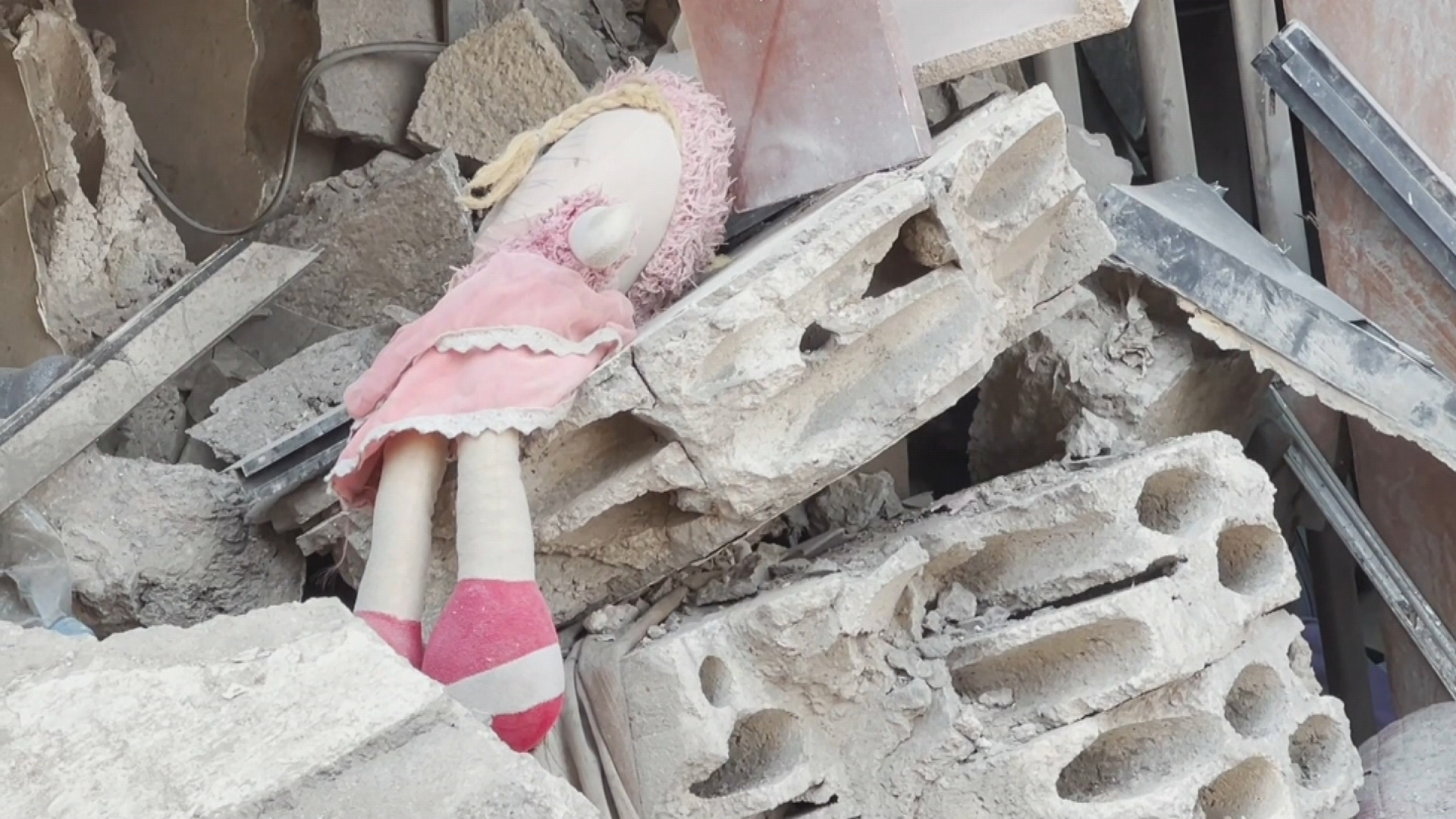
UNICEF senior official Ted Chaiban told reporters that 118 children have been killed and 372 more have been injured in Lebanon since the escalation began –“the equivalent of a classroom of children every day that's either killed or injured.”
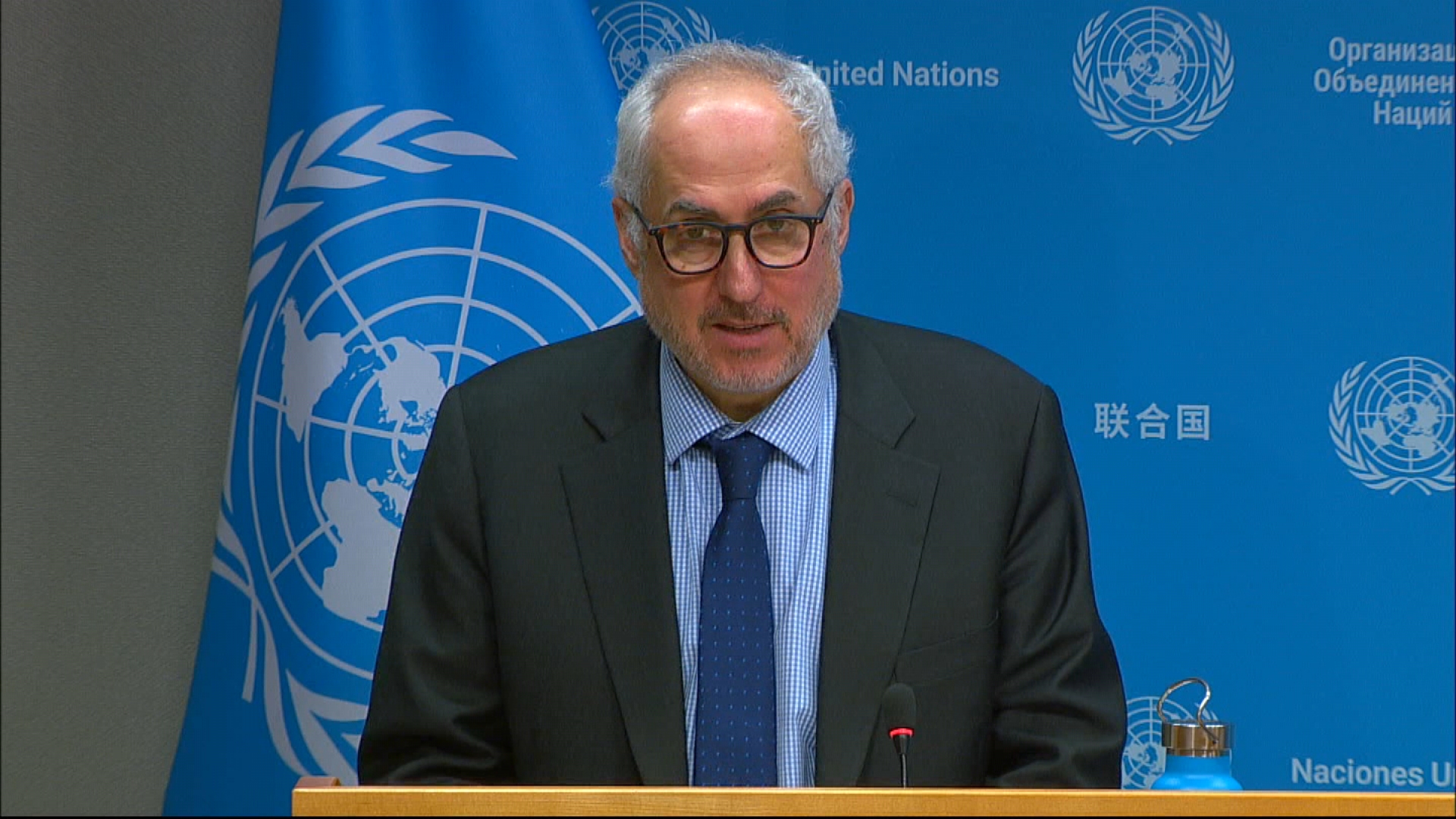
UNICEF’s Deputy Executive Director Ted Chaiban briefed reporters today (23 Mar) on his recent visit to Lebanon.
He said, “Twenty-three days into the escalating conflict in the Middle East, children across the region are paying a devastating price. A further descent into a wider and more protracted conflict would be catastrophic for millions more.”
According the UNICEF, more than 2,100 children have been killed or injured, including 206 children killed in Iran, 118 in Lebanon, four children killed in Israel and one in Kuwait. “These are the reported figures and they are expected to rise as the violence continues. That's an average of approximately 87 children either killed or injured every day since the beginning of the war,” Chaiban added.
The UNICEF deputy chief also said, “alongside the dead and the wounded, we are witnessing rapid displacement across several countries, driven by relentless bombardments and evacuation orders that have emptied communities and entire urban areas.”
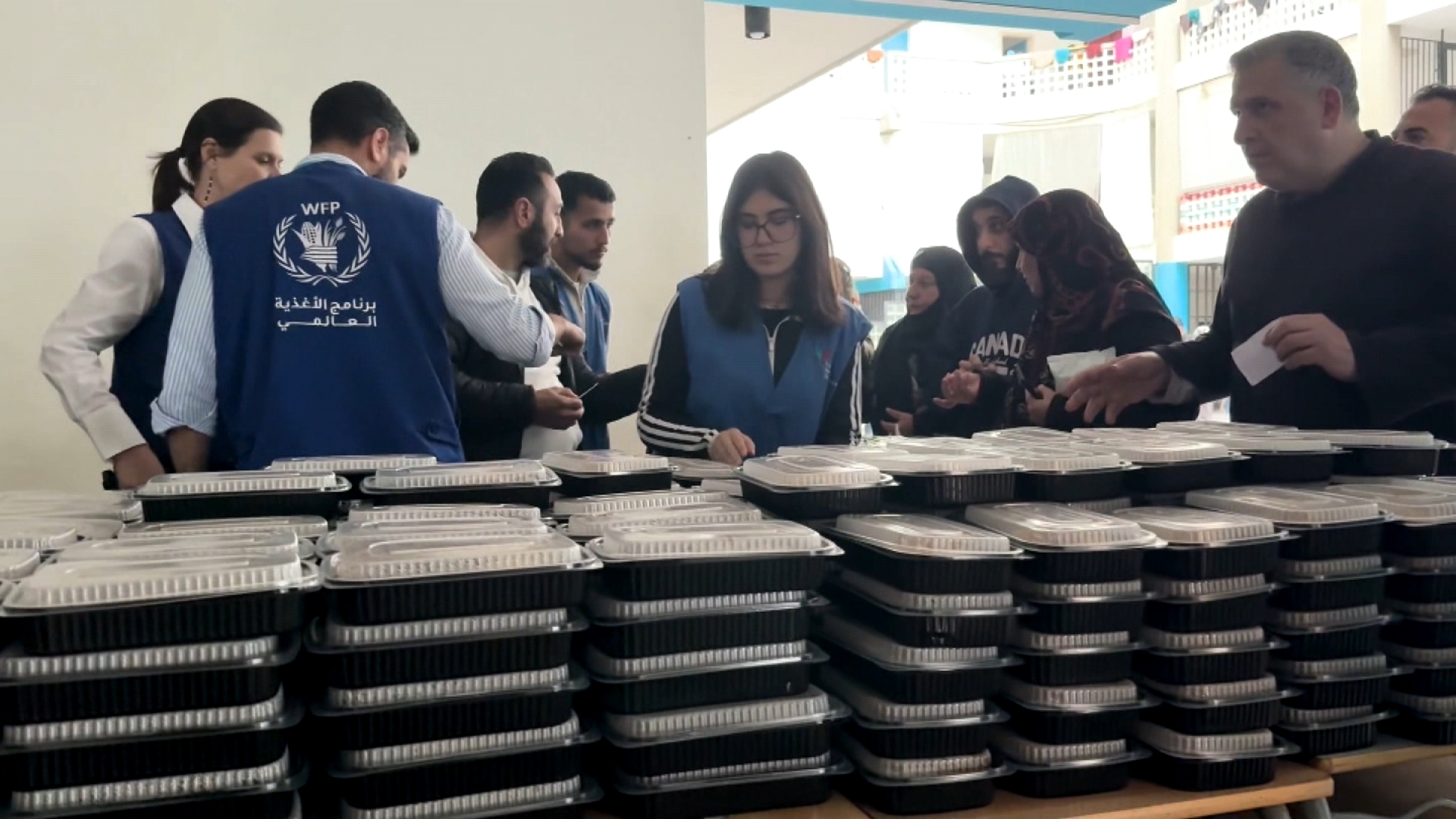
He continued, “In Iran, there are estimates of up to 3.2 million people that have been displaced, including 864,000 children. In Lebanon, more than a million people are displaced, including 400,000 children, making up nearly one third of the displaced. Many families are taking refuge in public buildings, including schools. 90,000 Syrians have returned to Syria since the onset of the conflict, alongside several thousand Lebanese.”
“Across the Middle East, around 44.8 million children were already living in conflict affected settings before this war and the consequences of what is unfolding now will be long lasting for them,” Chaiban said.
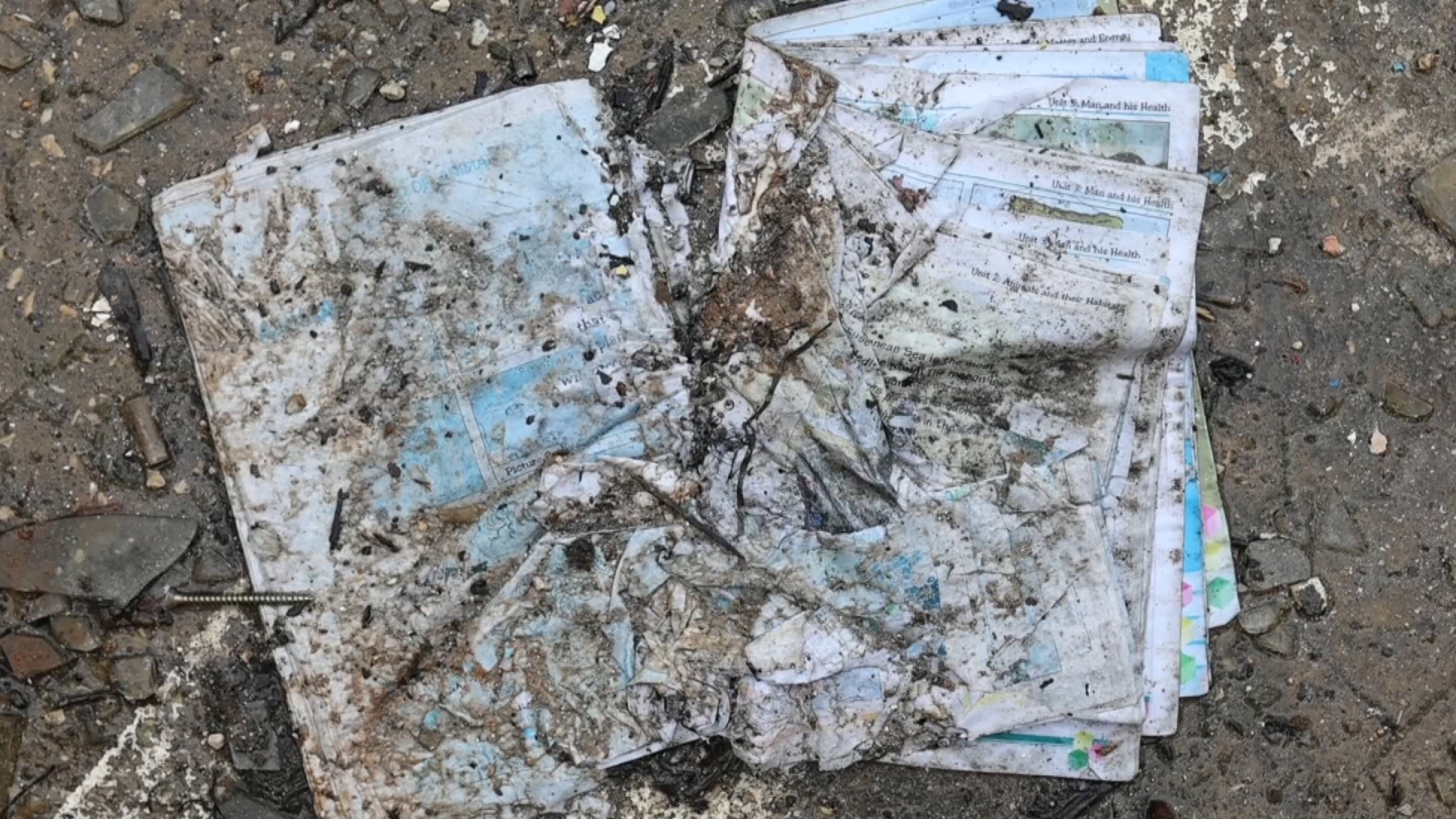
The UNICEF deputy chief highlighted that more than 350 public schools are used as shelters, disrupting the education for around 100,000 students.
He said, “though efforts are on the way to provide online education and other ways to access children with learning and teaching, as we know schools provide more than learning. They offer structure, protection and continuity. So when schools are closed, are repurposed, those stabilizing elements are lost.”
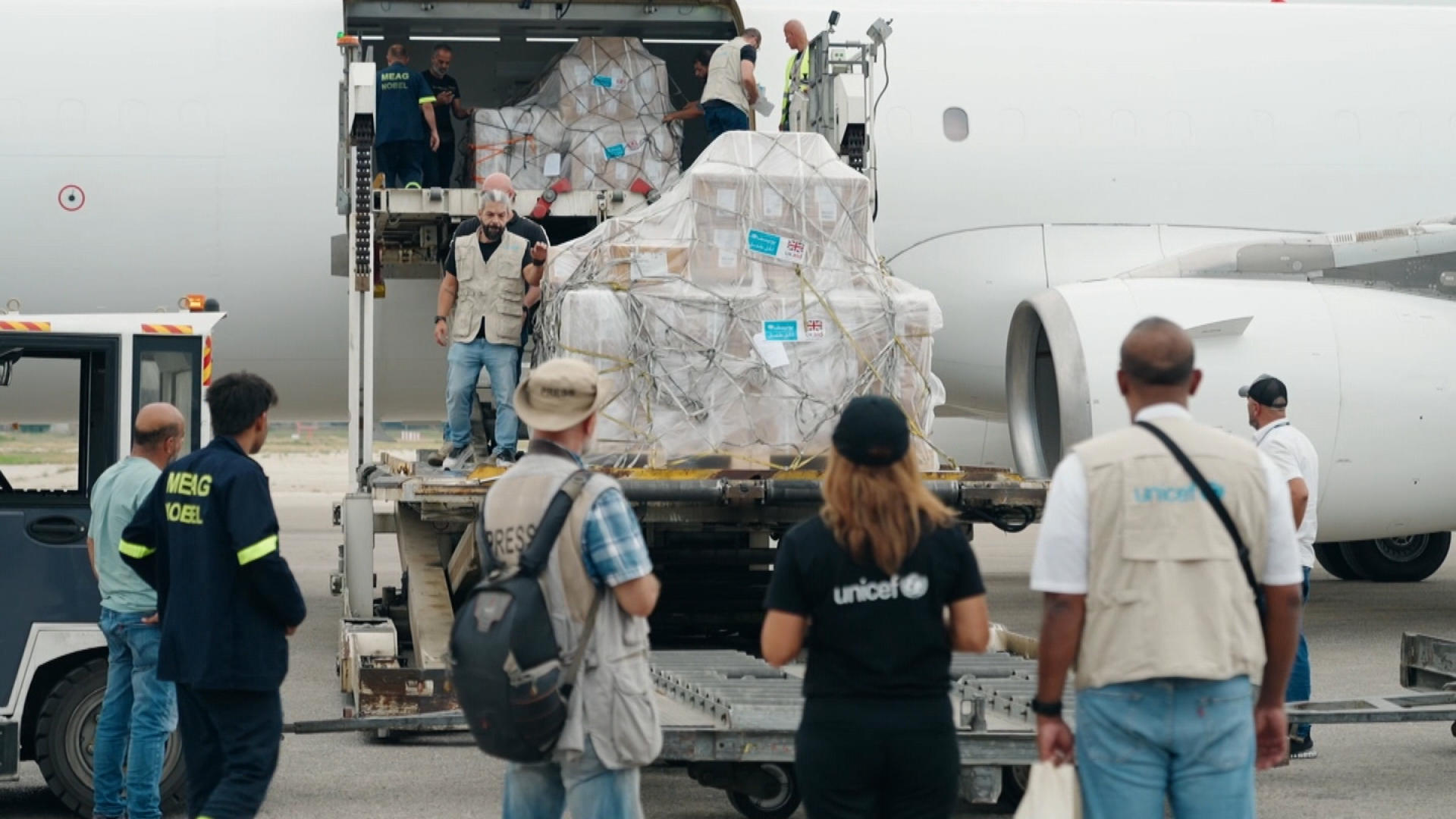
UNICEF and Partners have been responding to the crisis, Chaiban said, adding that the Fund has reached 151,000 IDPs in more than 250 shelters, and in hard-to-reach areas with essential non-food items.
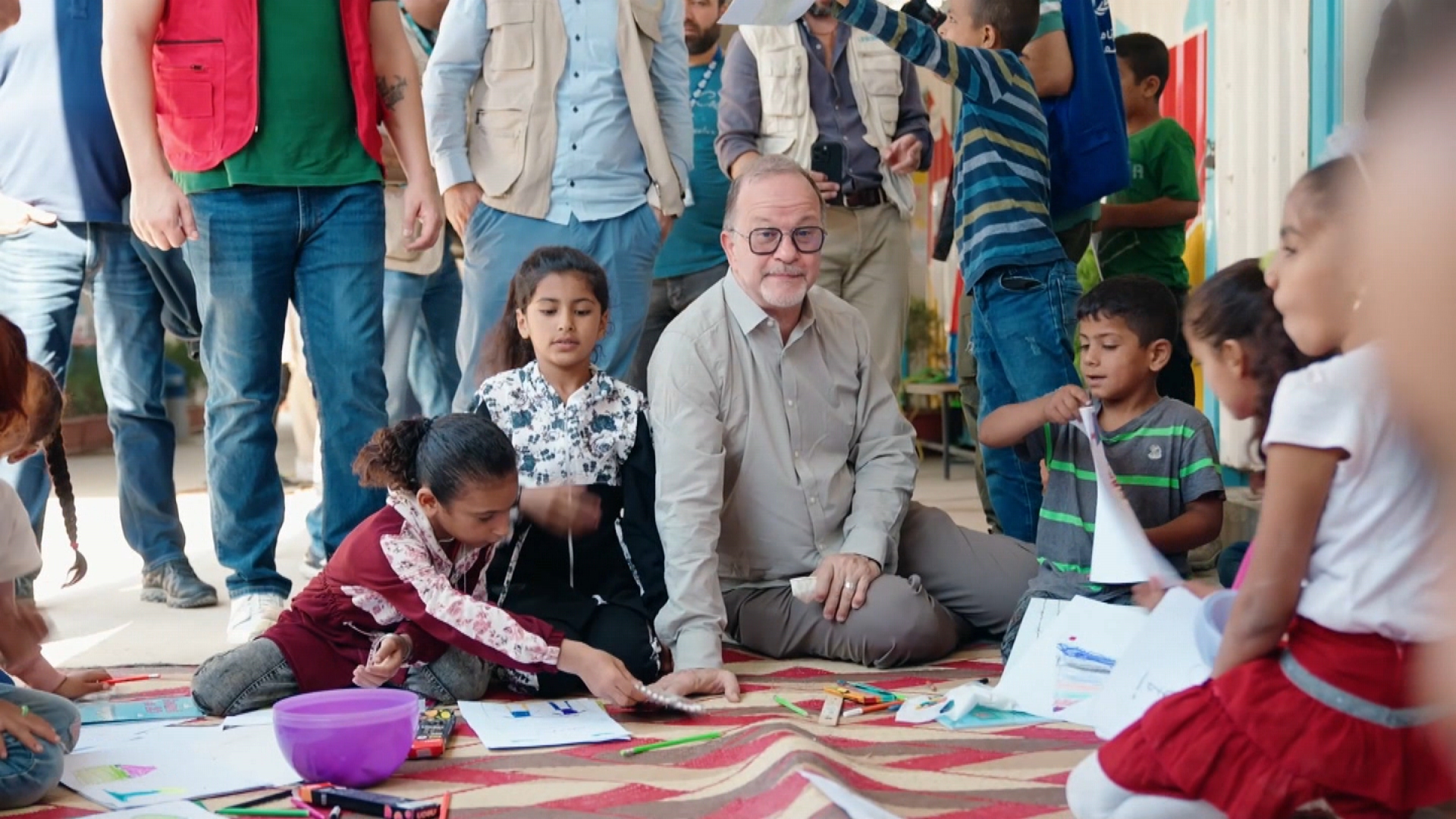
“We're providing water and sanitation support to 188 of the shelters out of the 600, serving around 46,000 people. We've pre-positioned high energy biscuits, ready to use complementary foods to prevent wasting among children. Some 13,000 children in shelters have received education and learning materials,” he added.
On funding gap, the UNICEF deputy chief said, “the UN issued a flash appeal for $308 million. The UNICEF portion of that’s required is 48.2 million. This is three-month flash appeal. And yet for both the UN and for UNICEF, there's about an 85 percent funding gap. So, you know, a key demand is for support to be able to sustain the response, but also essential services that are critical for the population, and for the displaced in particular.”
The children’s fund called for “a cessation of hostilities and protection of civilians and civilian infrastructure,” reminding all parties of their obligations under international humanitarian law.
Chaiban said, “as the Secretary-General has indicated, we need a de-escalation and a political way forward to this war.”
He also called for “safe, rapid and unimpeded humanitarian access” to support missions that are being undertaken to go south and the urgent financial support to sustain the response.