Media Home
 UN Web TV
 UN Audiovisual Library
 UN Photo
IMF / WORLD ECONOMIC OUTLOOK
Download
There is no media available to download.
Share
STORY: IMF / WORLD ECONOMIC OUTLOOK
TRT: 2:59
SOURCE: IMF
RESTRICTIONS: NONE
LANGUAGE: ENGLISH / NATS
DATELINE: APRIL 14, 2026, WASHINGTON DC
RECENT - WASHINGTON DC
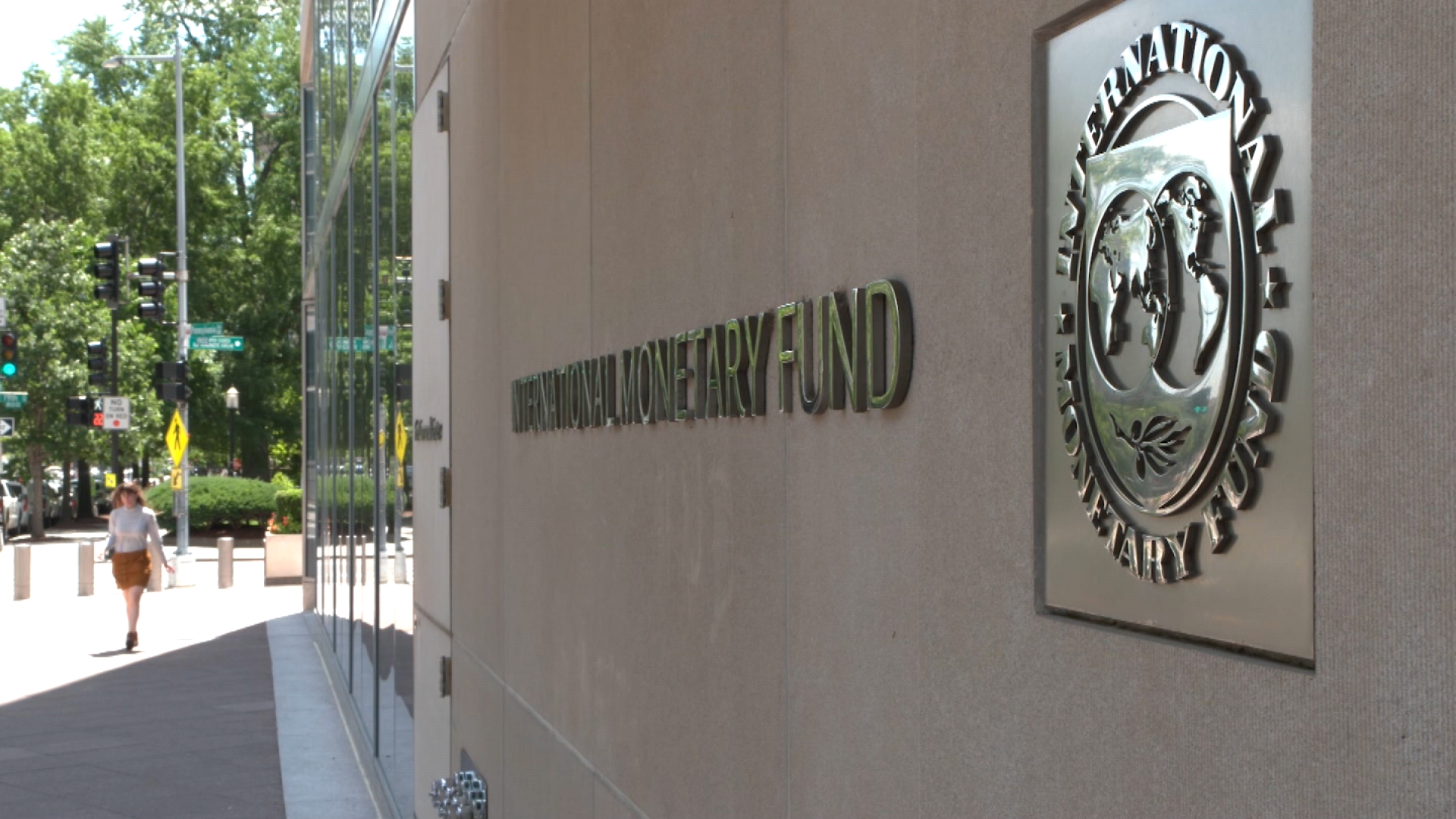
1. Wide shot, IMF building exterior
April 14, 2026, WASHINGTON DC
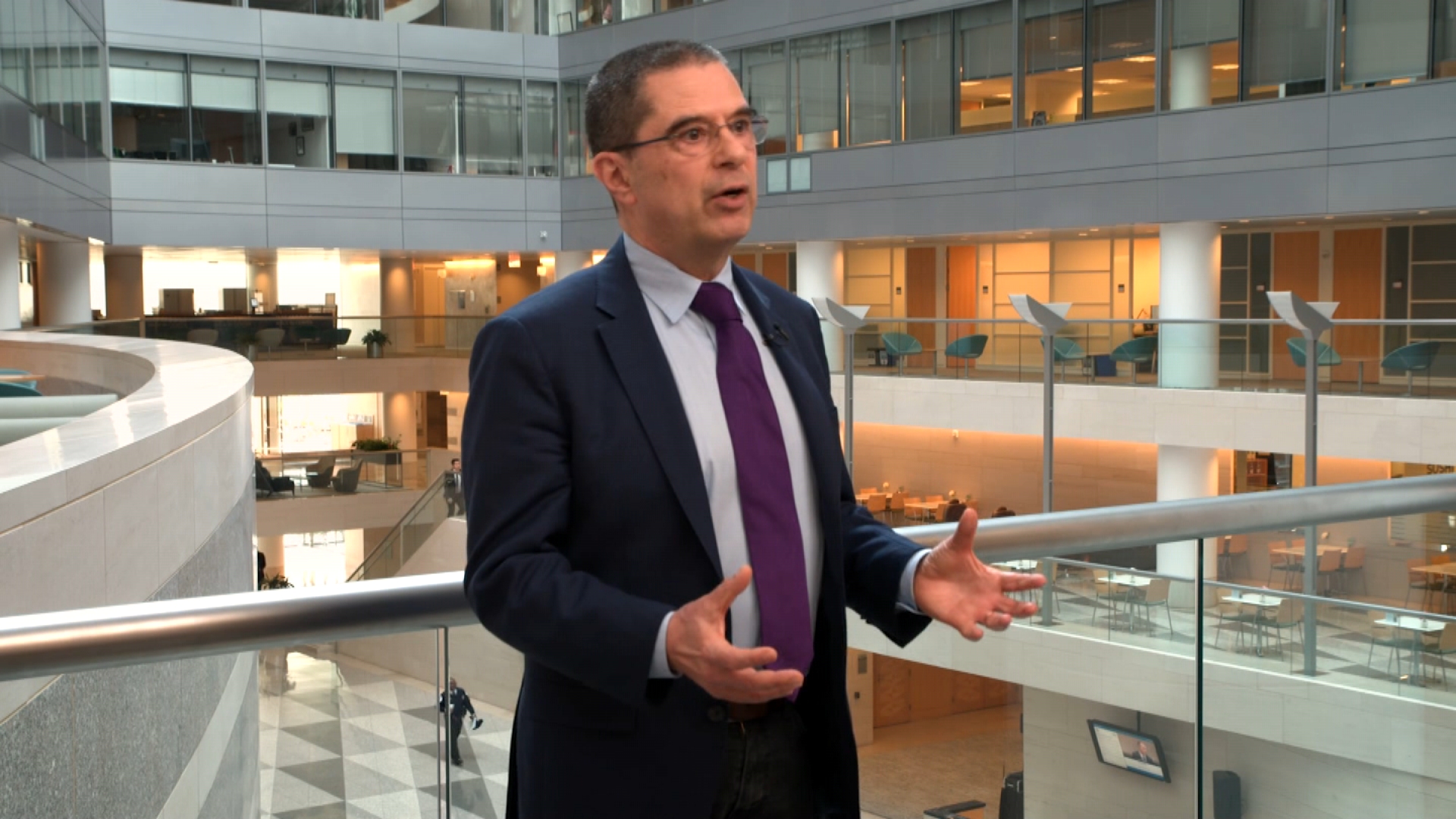
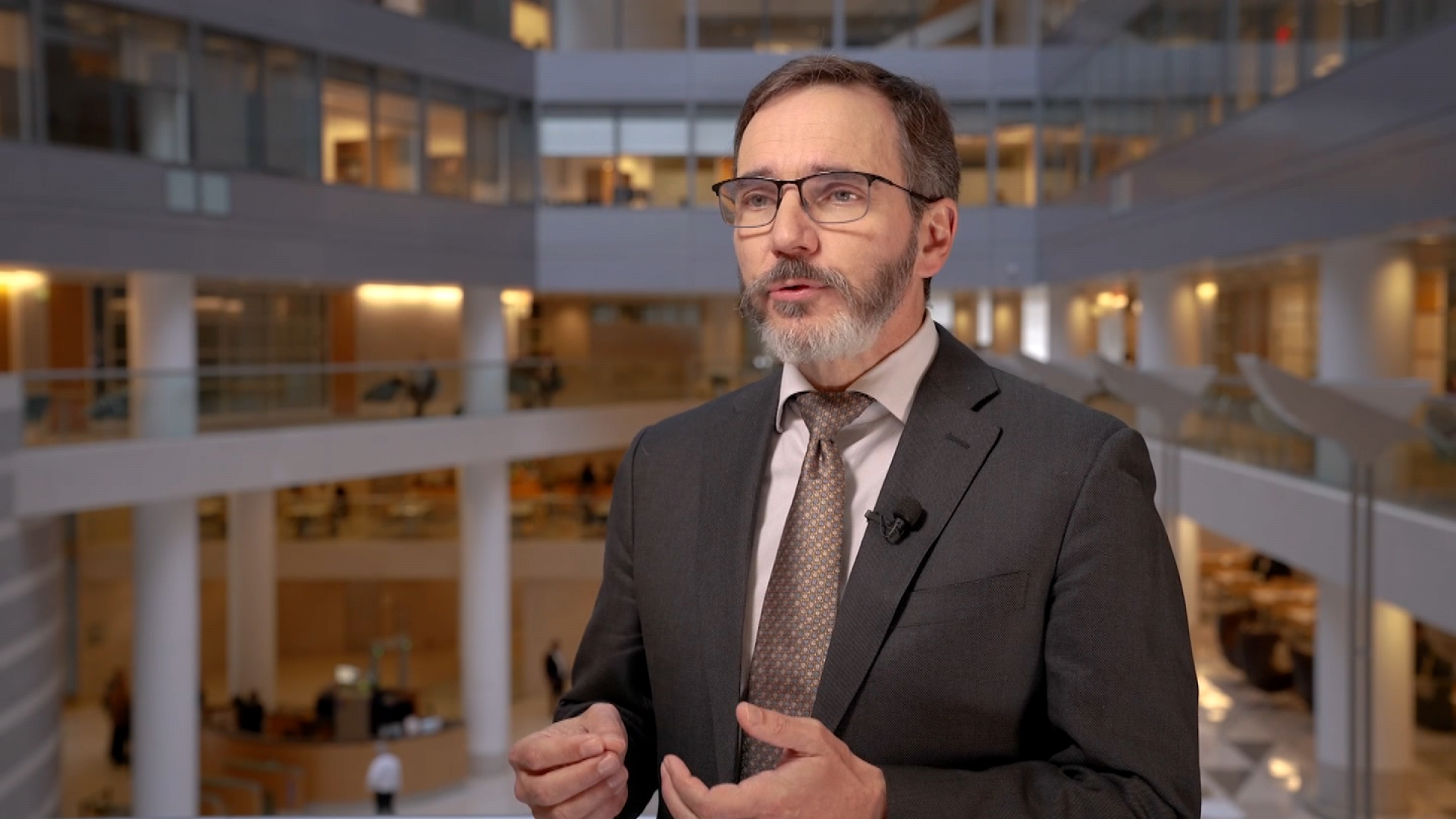
2. Med shot, Pierre-Olivier Gourinchas speaking
3. SOUNDBITE (English) Pierre-Olivier Gourinchas, Chief Economist, IMF:
“The global economy was on a steady growth trajectory - around 3.3 percent in recent years - and we were looking to upgrade our projections. The war has stopped that momentum and we now project growth of 3.1 percent this year - under our reference forecast - with inflation rising to 4.4 percent, a sharp departure from the previous trend. The economic impact will depend on the duration and scale of the conflict and could be worse under our adverse and severe scenarios, as we show in our report. It will be highly uneven across countries, hitting countries in the conflict region, commodity-importing low-income countries, and emerging market economies hardest, through three channels: first, higher energy and food prices themselves; second, persistence in wage and price inflation; and third, a confidence shock that tightens financial conditions.”
4. Med shot, Pierre-Olivier Gourinchas speaking b-roll
5. Med shot, Pierre-Olivier Gourinchas speaking
6. SOUNDBITE (English) Pierre-Olivier Gourinchas, Chief Economist, IMF:
“Risks are firmly to the downside, including a further escalation of the war, new trade tensions or a re-assessment of the profitability of AI investments. On the other hand, a swift resolution of the war, productivity gains from a faster adoption of AI or easing in trade tensions could uplift the global economy.”
7. Med shot, Pierre-Olivier Gourinchas speaking b-roll
8. Med shot, Pierre-Olivier Gourinchas speaking
9. SOUNDBITE (English) Pierre-Olivier Gourinchas, Chief Economist, IMF
“Central banks need to communicate clearly their readiness to act if needed. However, if the conflict is short-lived and inflation expectations remain well-anchored, they can afford to wait and assess. With very little room left, fiscal policy must act prudently. Any fiscal support should be targeted to the most vulnerable and temporary, with clear sunset clauses. Importantly, fiscal policy should not complicate the task for central banks. Beyond the immediate measures to contain the crisis, countries should also use this opportunity to invest in energy security through investment in renewables. With the right policies, and stronger global cooperation, the damage can be contained.”
RECENT - WASHINGTON DC
10. Wide shot, IMF building exterior
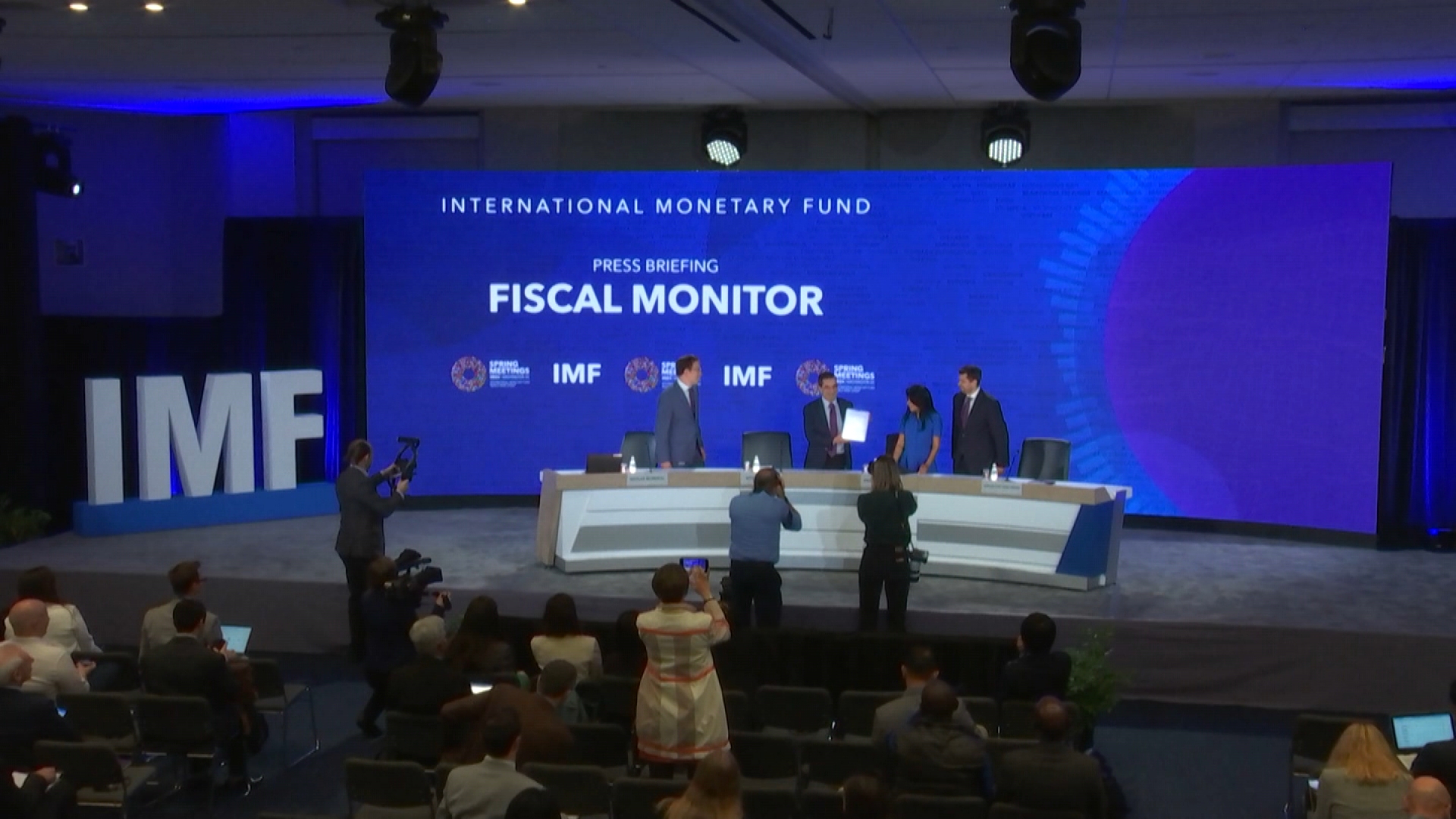
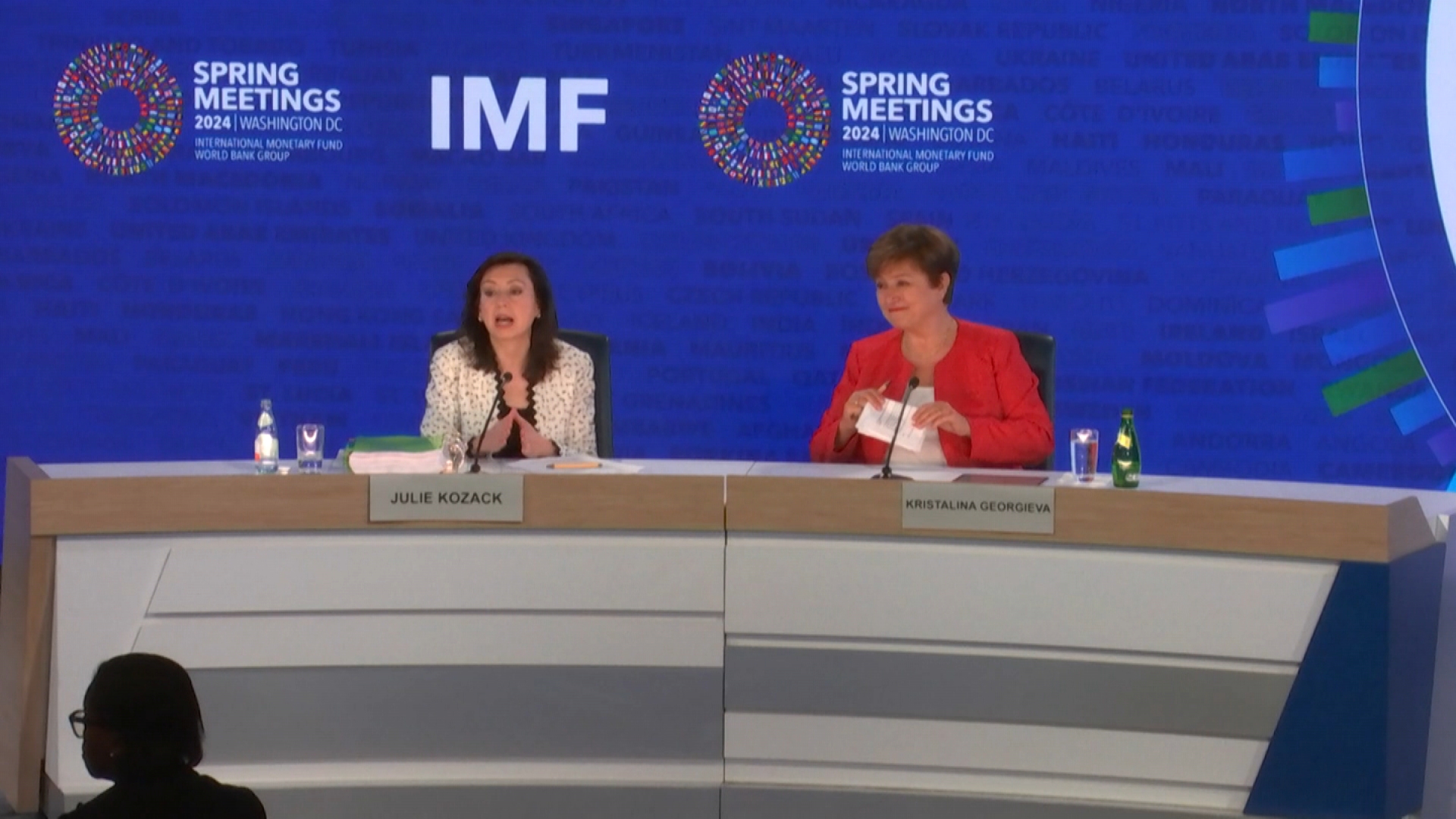
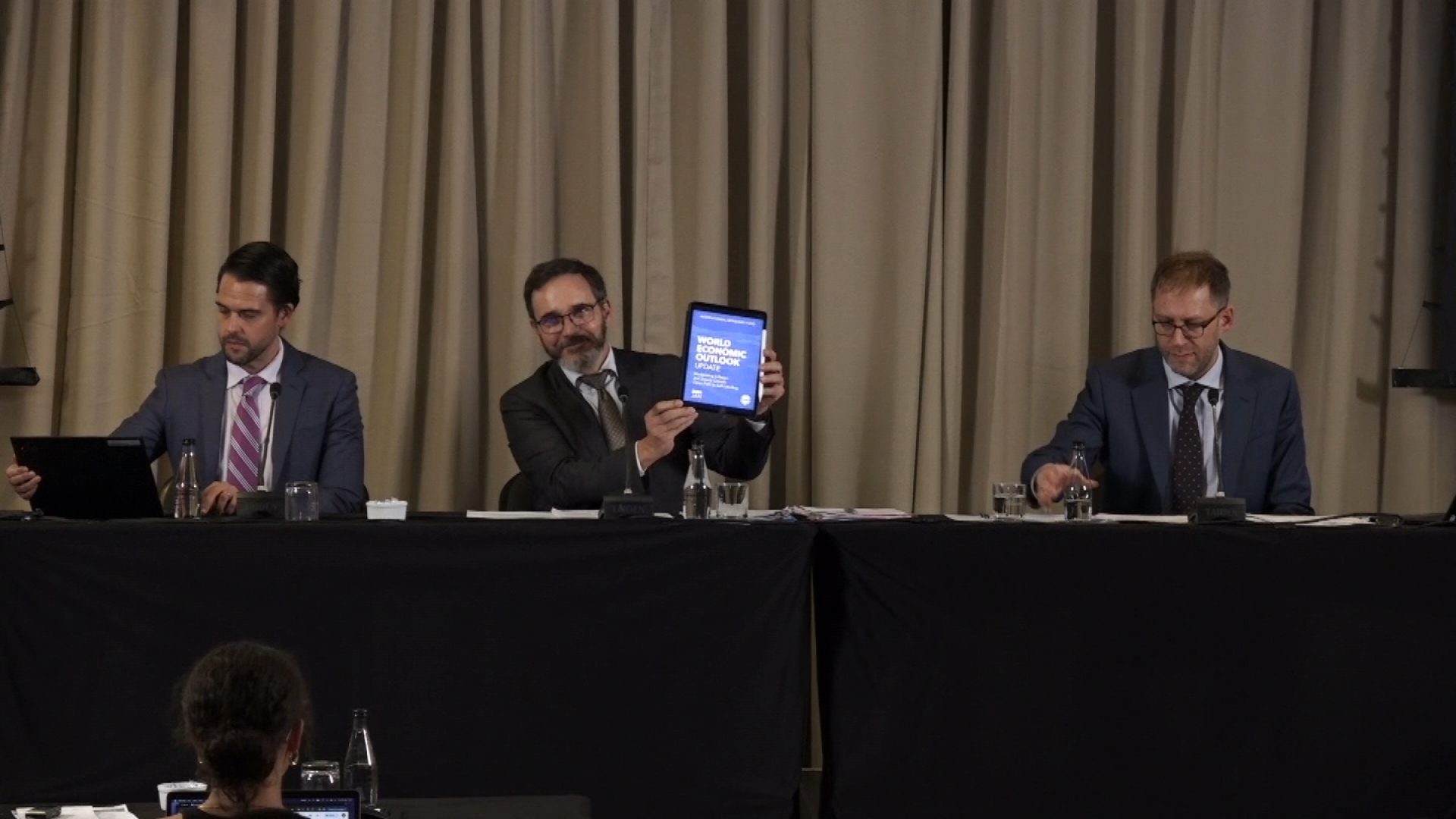
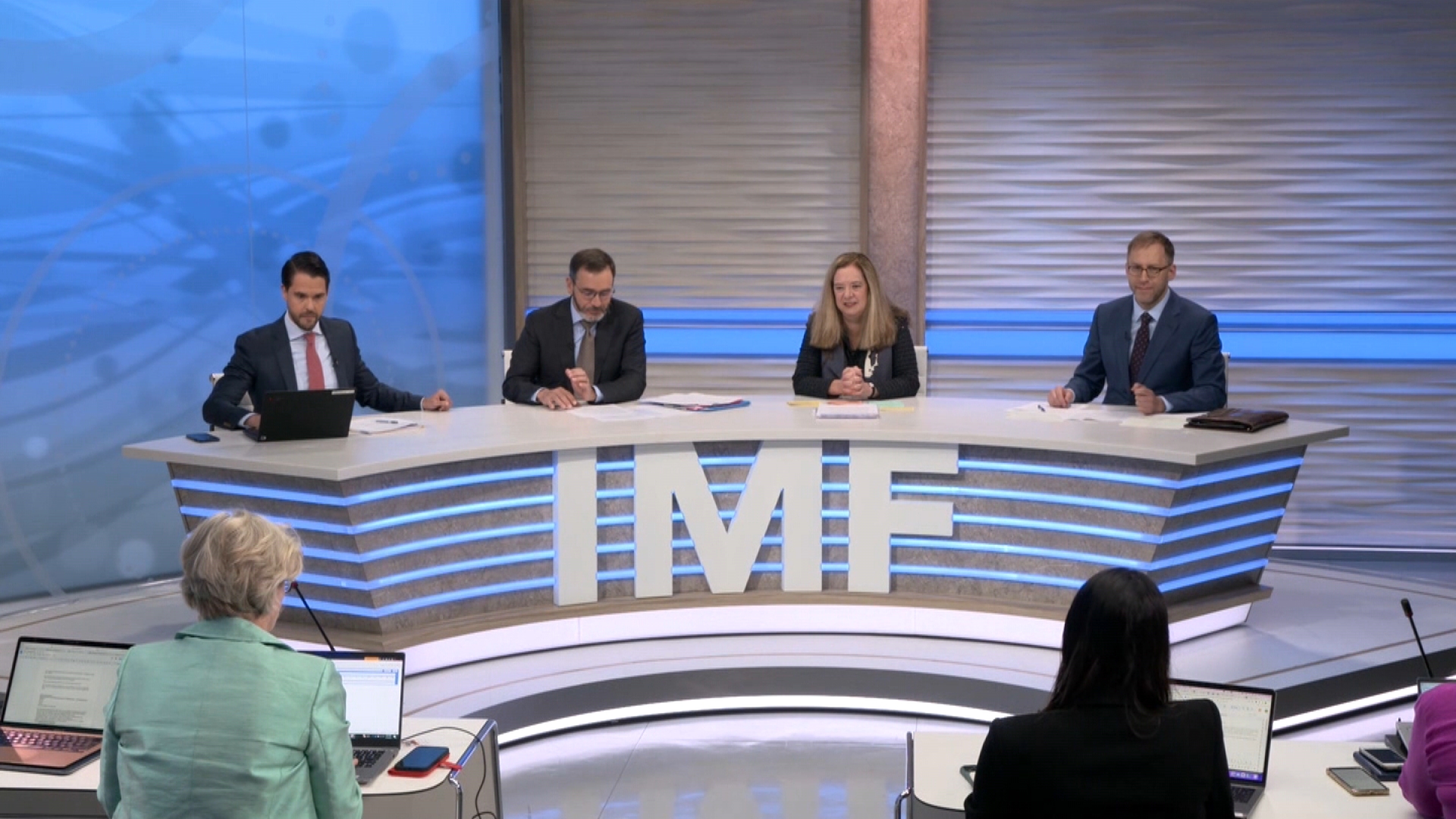
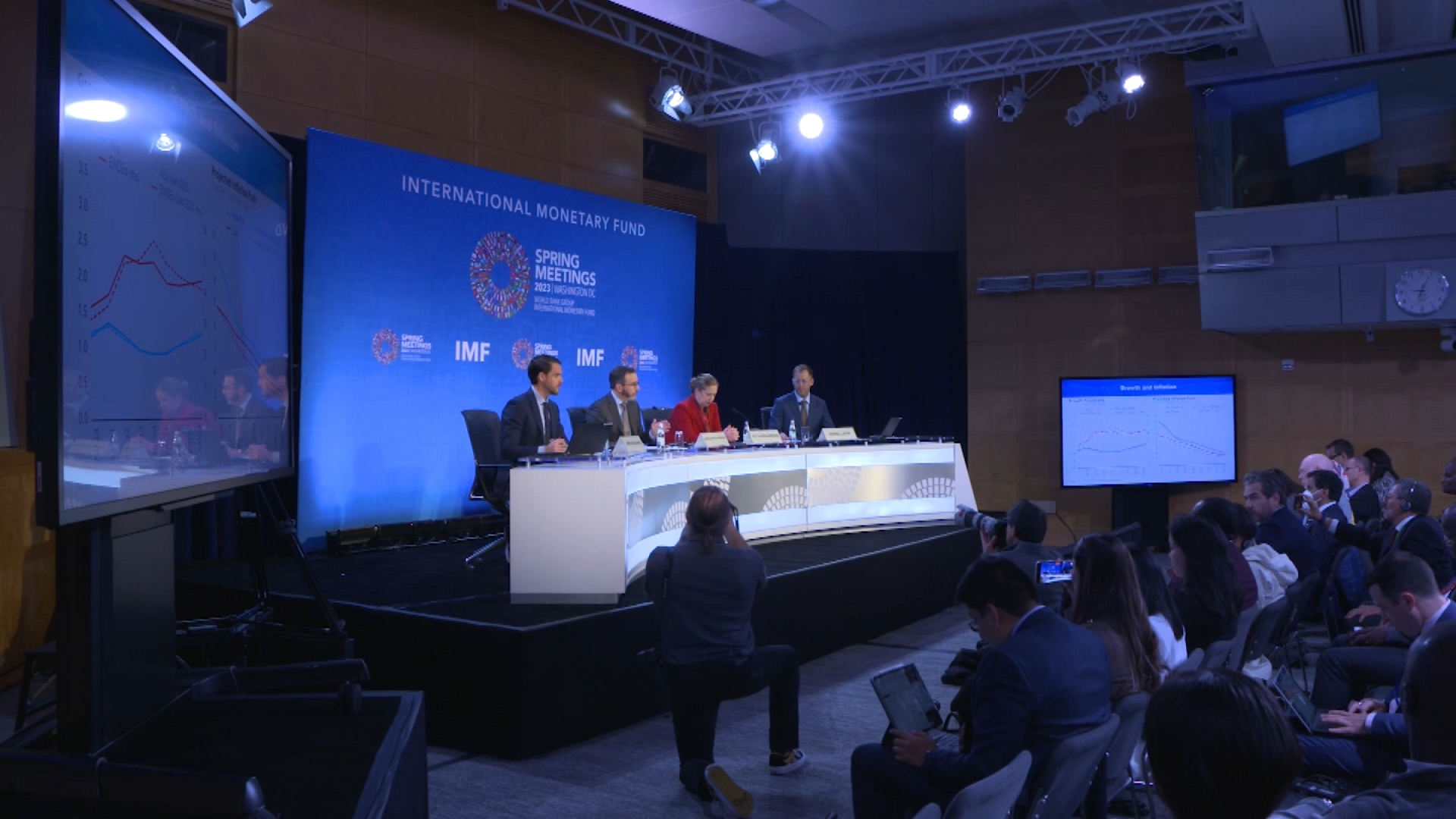
The 2026 Spring International Monetary Fund (IMF) Meetings and publication of the World Economic Outlook arrive during a moment of acute global fragility, as conflict in the Middle East sharply alters the economic outlook. Chief Economist Pierre-Olivier Gourinchas outlined the fund's assessment and policy prescriptions in remarks accompanying the report's release.
“The global economy was on a steady growth trajectory - around 3.3 percent in recent years - and we were looking to upgrade our projections. The war has stopped that momentum and we now project growth of 3.1 percent this year - under our reference forecast - with inflation rising to 4.4 percent, a sharp departure from the previous trend. The economic impact will depend on the duration and scale of the conflict and could be worse under our adverse and severe scenarios, as we show in our report. It will be highly uneven across countries, hitting countries in the conflict region, commodity-importing low-income countries, and emerging market economies hardest, through three channels: first, higher energy and food prices themselves; second, persistence in wage and price inflation; and third, a confidence shock that tightens financial conditions,” Gourinchas predicted.
The dispersion in outcomes across countries is stark, with the Middle East and North Africa region facing a cumulative growth revision of nearly three percentage points for 2026, while advanced economies see comparatively modest effects. Whether the situation deteriorates further hinges on a set of risks the IMF has carefully mapped out.
“Risks are firmly to the downside, including a further escalation of the war, new trade tensions or a re-assessment of the profitability of AI investments. On the other hand, a swift resolution of the war, productivity gains from a faster adoption of AI or easing in trade tensions could uplift the global economy,” suggested Gourinchas.
Navigating this environment requires policymakers to balance competing pressures simultaneously — fighting renewed inflation while avoiding premature tightening that could deepen the slowdown. However, the policy response must be both calibrated and coordinated.
“Central banks need to communicate clearly their readiness to act if needed. However, if the conflict is short-lived and inflation expectations remain well-anchored, they can afford to wait and assess. With very little room left, fiscal policy must act prudently. Any fiscal support should be targeted to the most vulnerable and temporary, with clear sunset clauses. Importantly, fiscal policy should not complicate the task for central banks. Beyond the immediate measures to contain the crisis, countries should also use this opportunity to invest in energy security through investment in renewables. With the right policies, and stronger global cooperation, the damage can be contained,” advised Gourinchas.