Media Home
 UN Web TV
 UN Audiovisual Library
 UN Photo
GENEVA / GAZA HEALTH UPDATE
Download
There is no media available to download.
Share
STORY GENEVA / GAZA HEALTH UPDATE
TRT: 04:39
SOURCE: UNTV CH / UNRWA
RESTRICTIONS: PLEASE CREDIT UNRWA FOOTAGE ON SCREEN
LANGUAGE: ENGLISH / NATS
DATELINE: 22 MAY 2026 GENEVA, SWITZERLAND / 25 APRIL 2026 GAZA, PALESTINE
FILE - GENEVA, SWITZERLAND
1. Wide shot, exterior, Palais des Nations, Flag Alley
22 MAY 2026, GENEVA, SWITZERLAND
2. Wide shot, speakers at the podium of the press conference; speaker on screens; journalists in the press room
3. SOUNDBITE (English) Dr Renee Van de Weerdt, Representative in the Occupied Palestinian Territory, World Health Organization (WHO):
“Nothing prepares you for Gaza. And I thought going in the second time would make things easier. But it just doesn't, it just doesn't, and, as you rightly say, despite the ceasefire of last October, there is perhaps less fire, but the violence continues. We hear bombs nearby. There is gunfire every day.”
4. Med shot, journalists in the press room
5. SOUNDBITE (English) Dr Renee Van de Weerdt, Representative in the Occupied Palestinian Territory, World Health Organization (WHO):
“In Jordan, there is a prefabricated hospital waiting for months to enter Gaza. Laboratory equipment, reagents, oxygen concentrators, orthopaedic items, not luxury items. These are essential items. These are essential items that are needed to make health facilities and the health system work.”
6. Wide shot, journalists in the press room; speaker on screens
7. SOUNDBITE (English) Dr Renee Van de Weerdt, Representative in the Occupied Palestinian Territory, World Health Organization (WHO):
“Without laboratory equipment and reagents, we cannot diagnose diseases and detect potential disease outbreaks. We're talking about hantavirus; we're talking about Ebola virus. This is not luxury. This is equipment that we need to save lives, to detect diseases, to alert the world about potential outbreaks and make sure that people don't die. And you can only imagine with the horrific living conditions, overcrowding, rodents, lack of water and sanitation, that this is urgently, urgently needed.”
8. Med shot, speakers at the podium of the press conference; speaker on screens; journalists in the press room
9. SOUNDBITE (English) Dr Renee Van de Weerdt, Representative in the Occupied Palestinian Territory, World Health Organization (WHO):
“Some of these supplies that are not entered, you might have heard about it. Israel calls them dual use. Israel has a specific legislation that talks about dual use. This is not dual use. Essential medicines, WHO has internationally recognized lists of essential medicines. That is what we are talking about.”
10. Med shot, journalists in the press room
11. SOUNDBITE (English) Dr Renee Van de Weerdt, Representative in the Occupied Palestinian Territory, World Health Organization (WHO):
“5,000 people with amputations, for them to get their prosthetic limbs, which is also, by the way, a dual use item considered by Israel, but for someone who has had an amputation, they need corrective surgery to make sure that that limb can be fitted appropriately. And that surgery for the moment can't take place in Gaza. So, these unfortunate people need then to be on a waiting list to leave.”
12. Med shot, speakers at the podium of the press conference
13. SOUNDBITE (English) Dr Renee Van de Weerdt, Representative in the Occupied Palestinian Territory, World Health Organization (WHO):
“We just need to make sure that when we talk about medical evacuations, that we also make sure that we understand how difficult this is for these patients and their families. Often only one or two family members can leave and conditions for return are not always there. So that's why, of course, at WHO, we keep advocating for medical evacuations for very specialized cases. But we also want to make sure that an increasing number of the thousands and thousands of people that need specialized care in Gaza today, that they can be treated in Gaza.”
14. Med shot, speakers at the podium of the press conference; speaker on screens; journalists in the press room
15. SOUNDBITE (English) Dr Akihiro Seita, Director of Health, UN Relief and Works Agency for Palestine Refugees in the Near East (UNRWA):
“Because of the Knesset bills against UNRWA, we are not able to bring the medicines inside Gaza and the West Bank. And also, that we lost two health centres in the East Jerusalem early this year. Jerusalem Health Centre and the Shu'fat, which covers around 11,000 patients every year.”
16. Med shot, journalists in the press room
17. SOUNDBITE (English) Dr Akihiro Seita, Director of Health, UN Relief and Works Agency for Palestine Refugees in the Near East (UNRWA):
“Many of our staff still live in tents. And one of the staff told me, which I[‘ll] never forget, ‘Dr. Seita, I feel like I become an orphan of the world. No one's taking care of us. They forgot us.’”
18. Med shot, journalists in the press room
UNRWA - 25 APRIL 2026, GAZA, Palestine
19. Various shots, people with skin rashes
20. Various shots, UNRWA sanitation teams at work
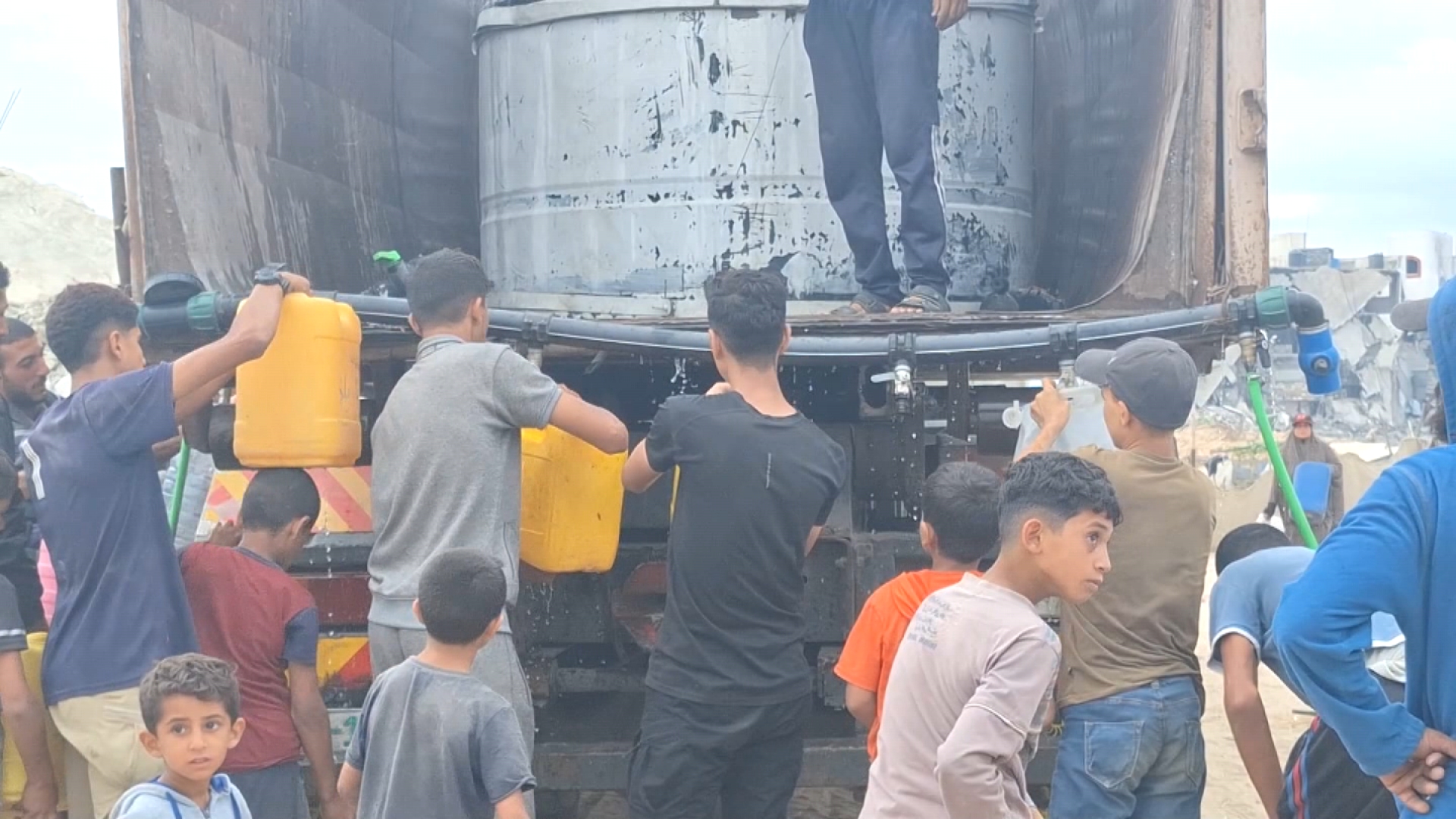
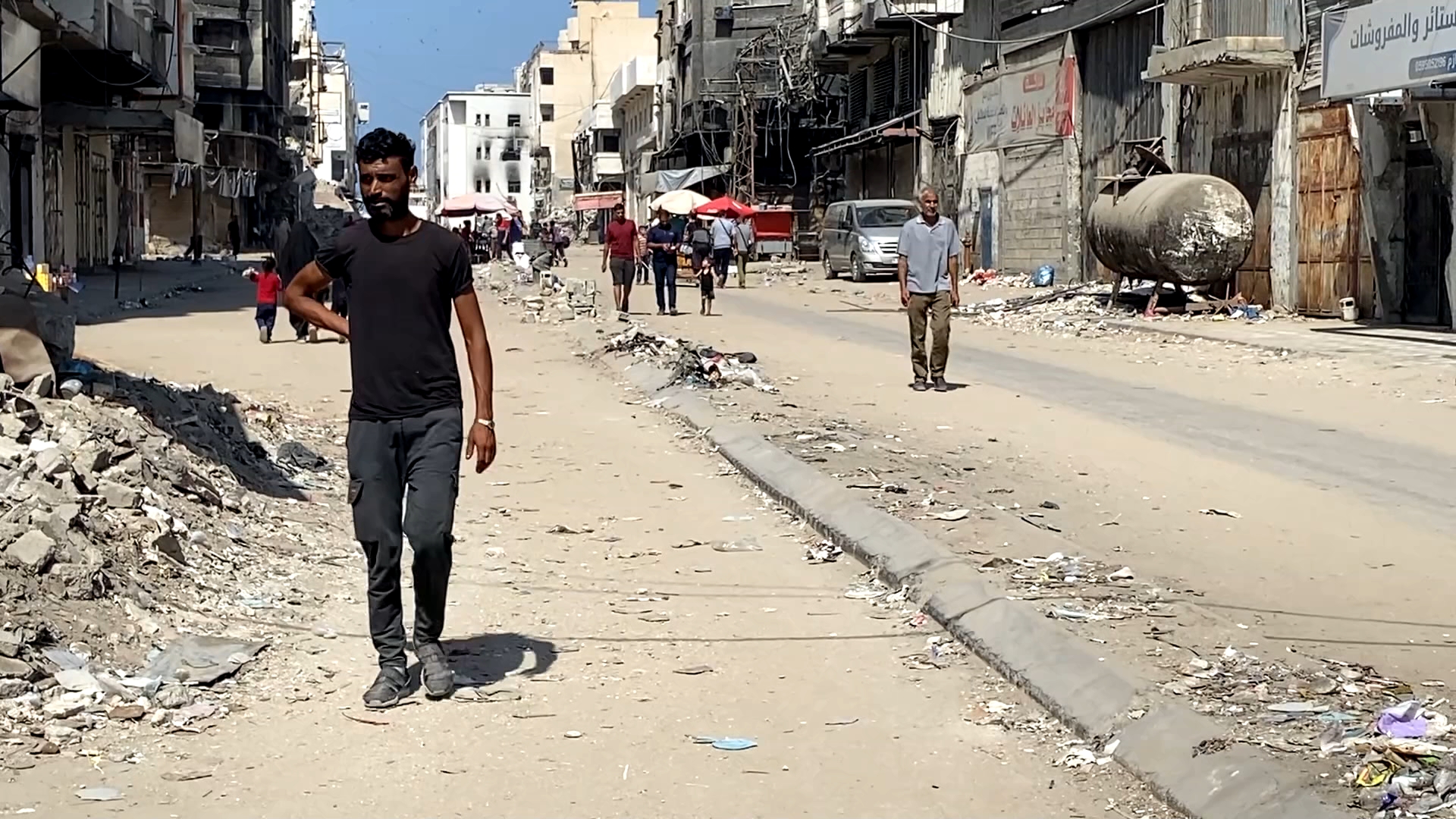
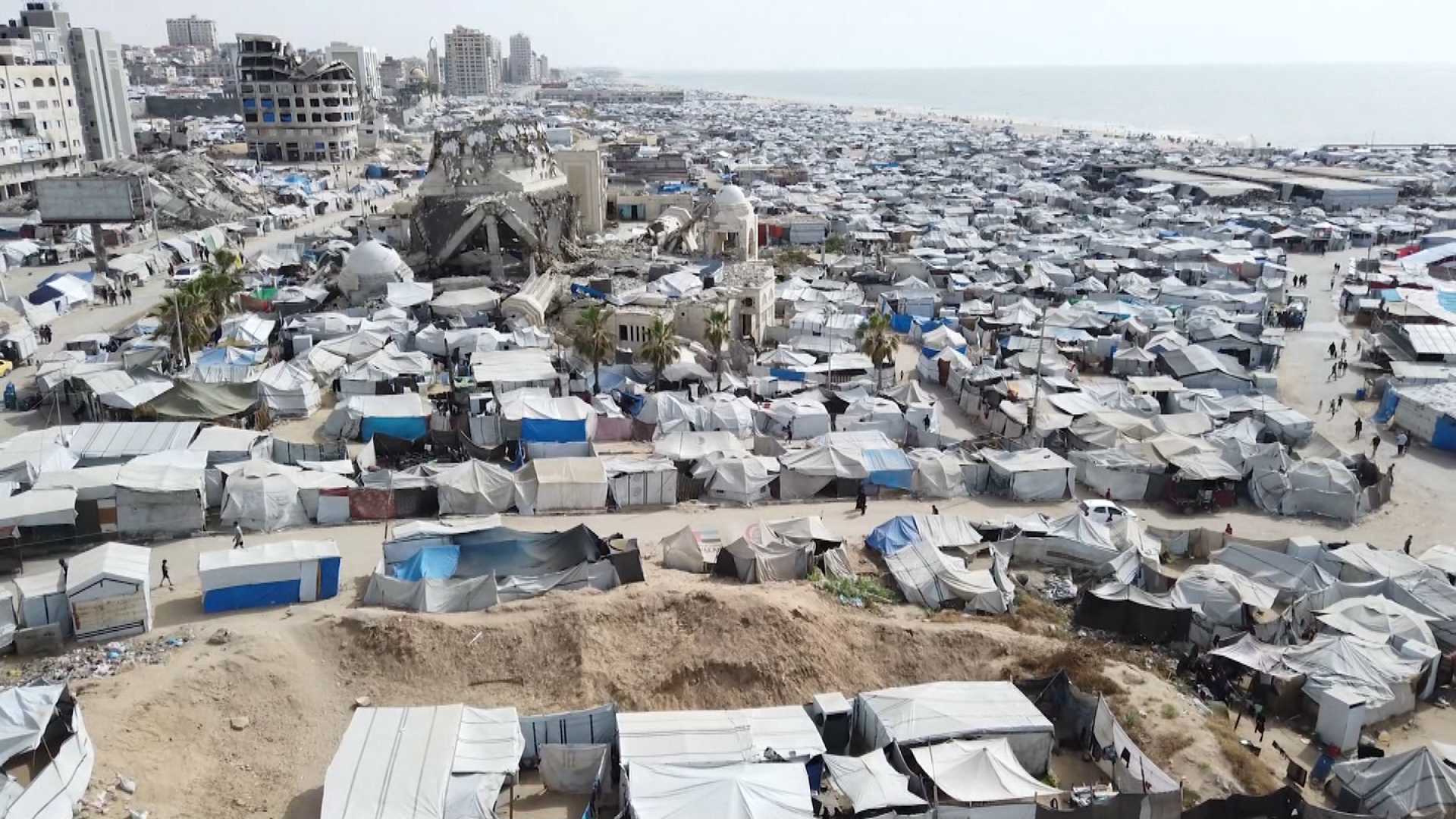
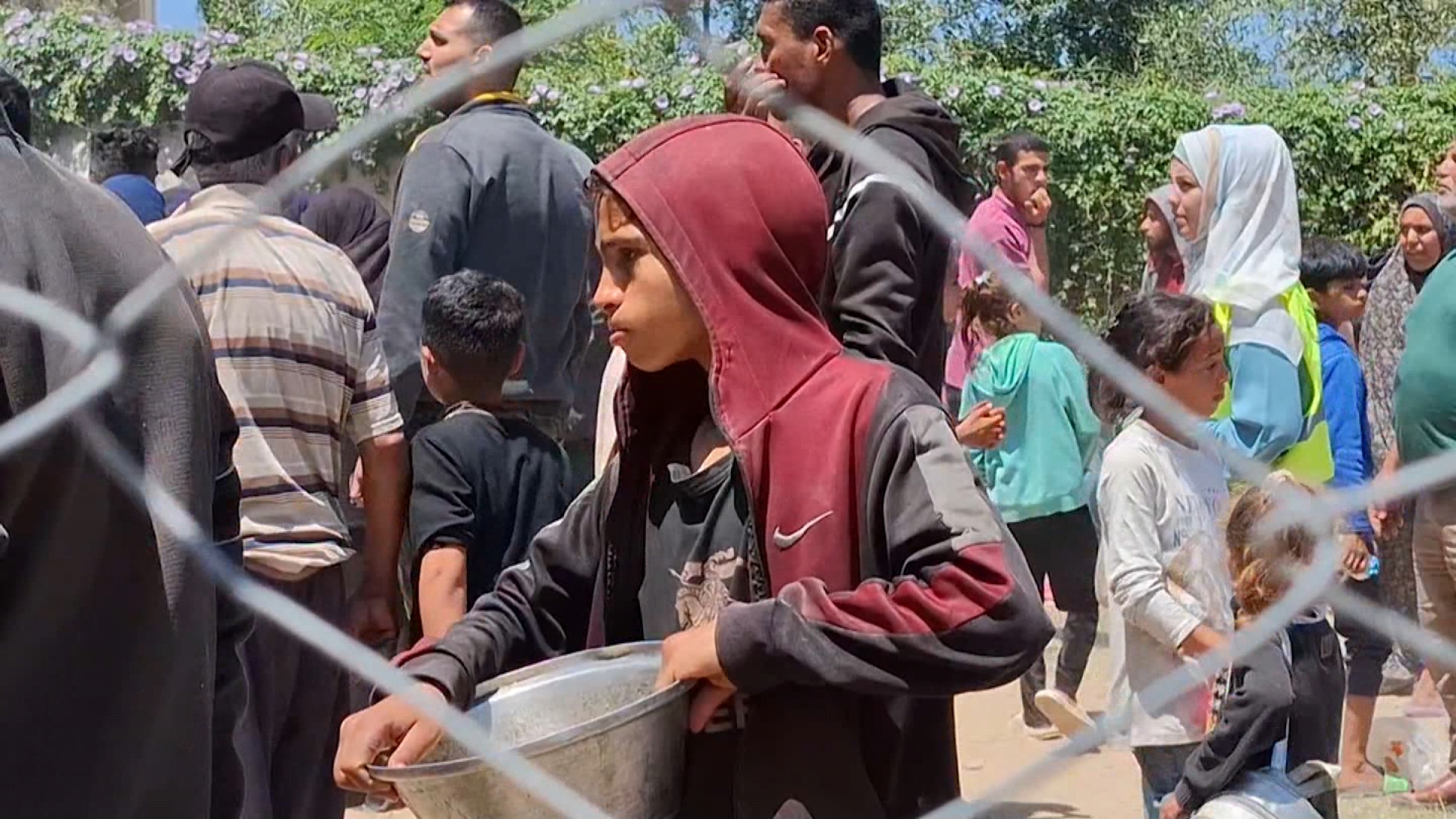
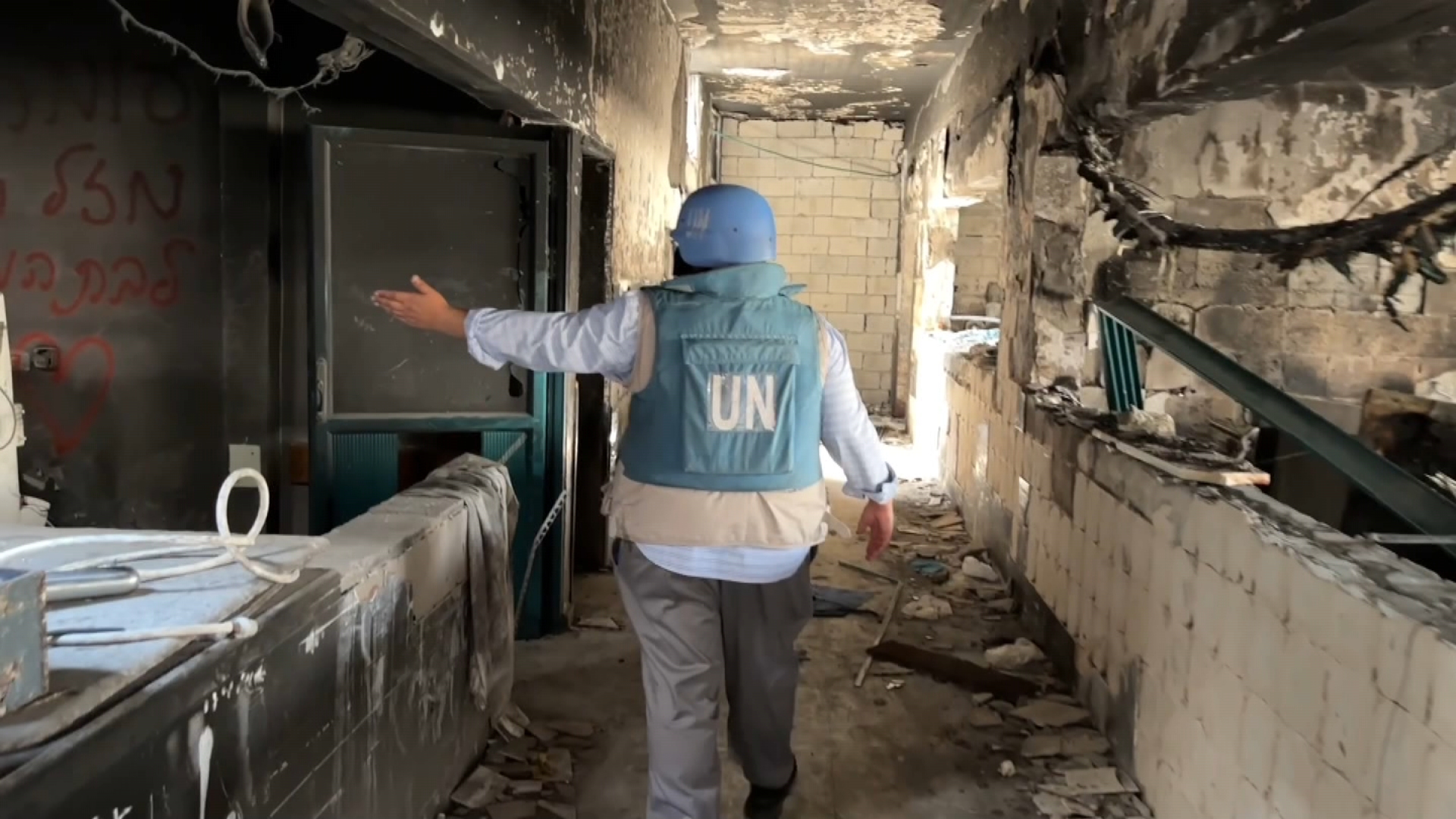
In Gaza, a dire humanitarian situation marked by continuing violence, rodent infestations and the spread of diseases is being made worse by blockages of essential medical supplies, UN agencies warned today (22 May).
Recently returned from a visit to the devastated enclave, Dr Renee Van de Weerdt, the World Health Organization (WHO)’s representative in the Occupied Palestinian Territory, told reporters in Geneva, “Nothing prepares you for Gaza.”
“I thought going in the second time would make things easier. But it just doesn't,” she said.
Dr Van de Weerdt underscored that since the October 2025 ceasefire between Israel and Hamas at least 880 people have been killed in the Strip and more than 2,600 injured.
“There is perhaps less fire, but the violence continues,” she said. “We hear bombs nearby. There is gunfire every day.”
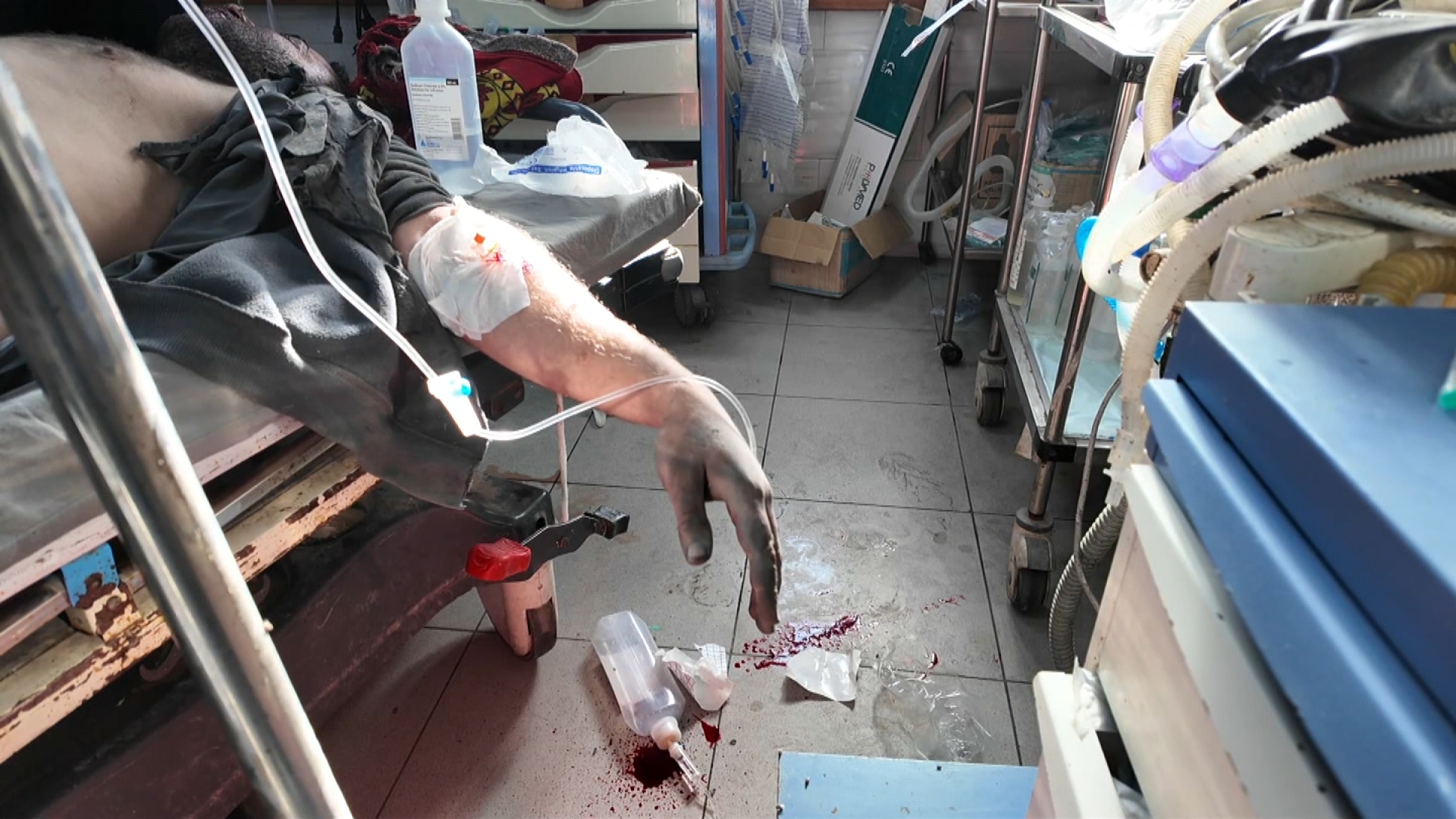
The WHO representative painted a dark picture of the health situation in the enclave, noting that some 22 attacks on health have been reported in Gaza this year and that barely half of the hospitals are “partially functional”, while not a single hospital can be considered “fully functional”.
“One of the key reasons these facilities are not functioning is because they are struggling with critical shortages of medical supplies,” she explained.
Vital supplies and equipment are blocked on the other side of the Strip’s borders, Dr Van de Weerdt said, with devastating effects for the health of the population.
“In Jordan, there is a prefabricated hospital waiting for months to enter Gaza,” she said. “Laboratory equipment, reagents, oxygen concentrators, orthopaedic items, not luxury items,” adding that these are essential items “needed to make health facilities and the health system work.”
Without laboratory equipment and reagents, “we cannot diagnose diseases and detect potential disease outbreaks,” the WHO representative insisted.
“We're talking about hantavirus; we're talking about Ebola virus. This is not luxury. This is equipment that we need to save lives, to detect diseases, to alert the world about potential outbreaks and make sure that people don't die.”
“You can only imagine with the horrific living conditions, overcrowding, rodents, lack of water and sanitation, that this is urgently, urgently needed,” she stressed.
Dr Van de Weerdt explained that some items are banned under Israeli regulations on “dual use” items, which are considered to have potential military uses. She pushed back on applying the qualification to internationally recognized lists of essential medicines.
Prosthetic limbs, for instance, are considered dual use. Some 5,000 amputees in Gaza are waiting not only for prosthetics but also for corrective surgery to make sure that that limb can be fitted appropriately.
“That surgery for the moment can't take place in Gaza,” she said. “So, these unfortunate people need to be on a waiting list to leave.”
WHO has supported the health authorities on organizing medical evacuations for thousands of patients to more than 30 countries. Since its February reopening the Rafah crossing has been a key gateway through which patients can leave the Strip to Egypt, Dr Van de Weerdt said, while from the Kerem Shalom crossing, which can be used up to once a week, patients can go “through a very long and complicated pathway to Jordan.”
The WHO representative insisted on the extreme difficulties associated with medical evacuations for patients and their families.
“Often only one or two family members can leave and conditions for return are not always there,” she said. “We keep advocating for medical evacuations for very specialized cases. But we also want to make sure that an increasing number of the thousands and thousands of people that need specialized care in Gaza today” can be treated in Gaza.
A key provider of health services in Gaza is the UN agency for Palestine refugees, UNRWA, although Israeli parliamentary bans on its activity have largely complicated its operations. UNRWA’s Director of Health Dr Akihiro Seita told reporters in Geneva that last year, the agency provided 4.5 million medical consultations in the enclave, or some 40 per cent of the total volume of medical consultations in Gaza, notably supporting pregnant women, malnourished children and vaccination campaigns in what he described as a “tremendous contribution to the stability of the region.”
WHO’s Dr Van de Weerdt insisted that “Nobody can replace what UNRWA is doing.”
Dr Seita deplored the fact that “because of the Knesset bills against UNRWA” the agency is unable to bring medicines inside Gaza and the West Bank and lost two of its East Jerusalem health centres earlier this year, which used to serve 11,000 patients annually.
The UNRWA official underscored the fact that almost 400 of the agency’s staff were killed in the Gaza war. Thousands continue to assist desperate Gazans and face horrific conditions on the ground.
“Many of our staff still live in tents,” he said, quoting one staff member who said, “I feel like I’ve become an orphan of the world. No one's taking care of us. They forgot us.”