Media Home
 UN Web TV
 UN Audiovisual Library
 UN Photo
UNHCR / REFUGEES GLOBAL TRENDS REPORT
Download
There is no media available to download.
Share
STORY: UNHCR / REFUGEES GLOBAL TRENDS REPORT
TRT: 05:56
SOURCE: UNHCR / UNTV CH
RESTRICTIONS: NONE
LANGUAGES: ENGLISH / NATS
DATELINE: 09 JUN 2026, GENEVA, SWITZERLAND
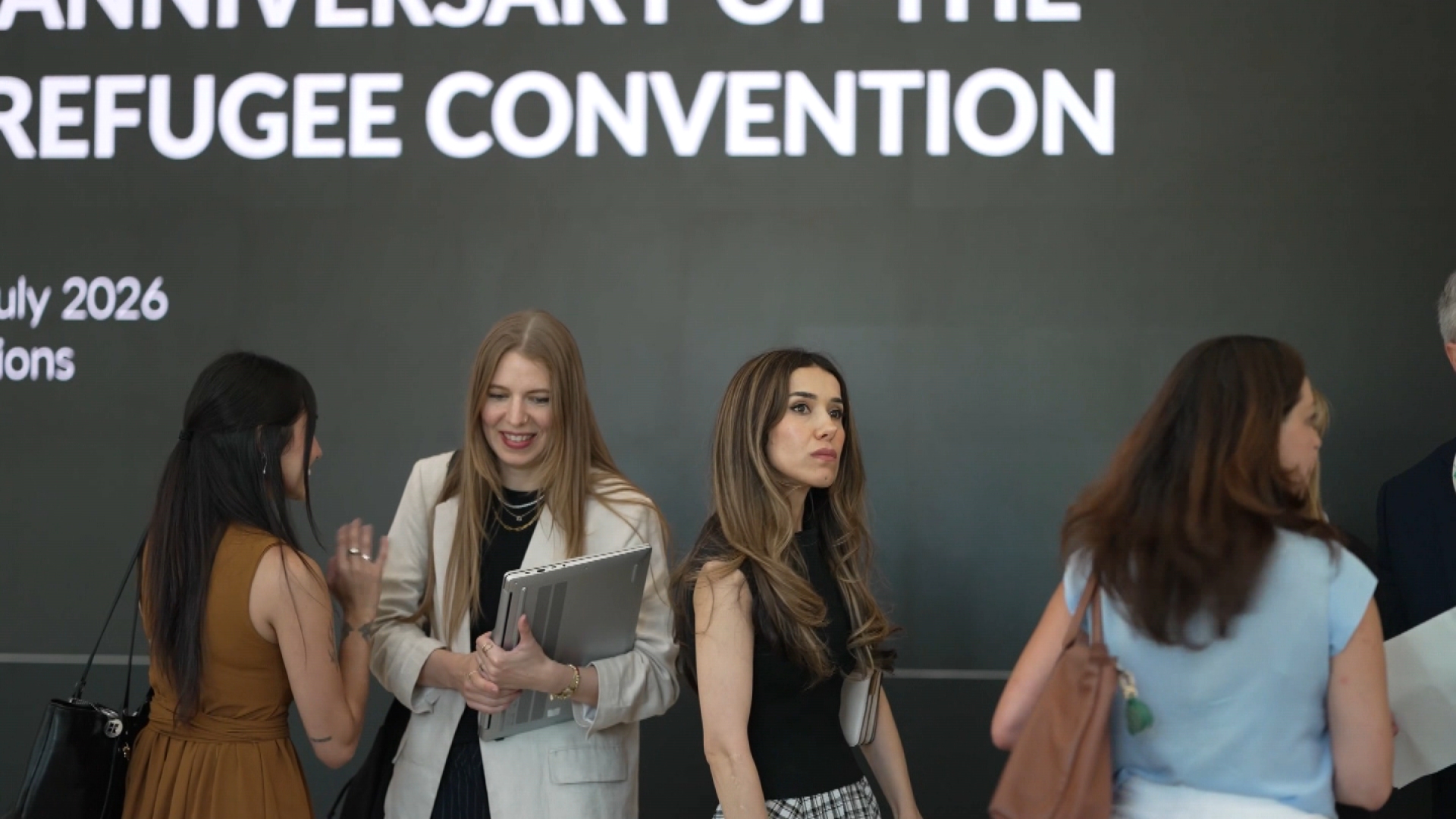
1. Wide shot, Global Trends Press Conference
2. SOUNDBITE (English) Barham Salih, High Commissioner for Refugees, UN Refugee Agency (UNHCR):
“The overall picture; 41.6 million people were refugees at the end of 2025. That figure includes35.6 million refugees under UNHCR mandate and 6 million Palestinian refugees under UNRWA's mandate. It is 1.2 million fewer than the previous year, and that modest decline is welcome news.”
3. Various shots, Global Trends Press Conference
4. SOUNDBITE (English) Barham Salih, High Commissioner for Refugees, UN Refugee Agency (UNHCR):
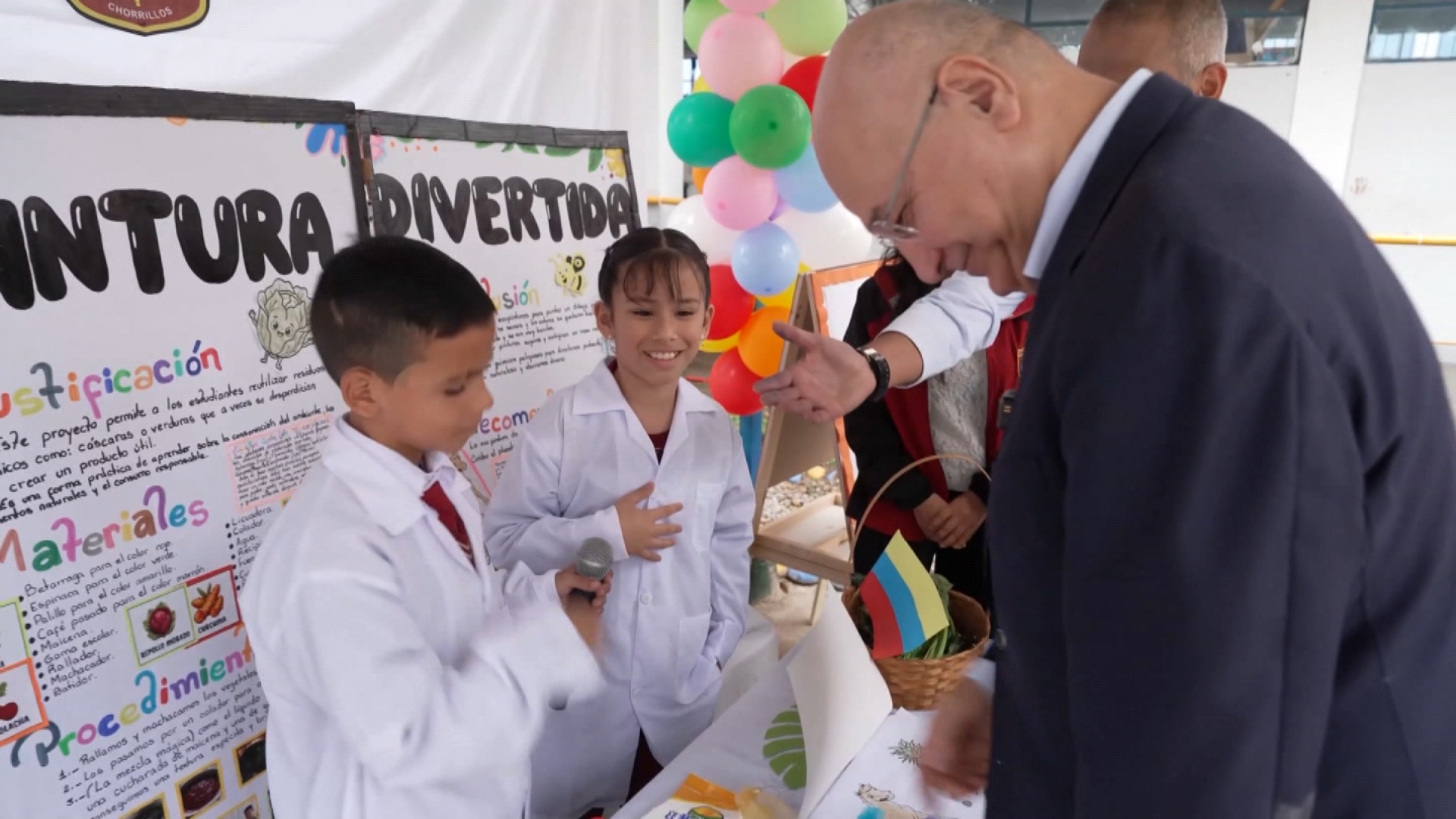
“Who are the refugees? And where are they? 36 percent of the world's refugees are hosted by just six countries, Colombia, Germany, Turkey, Uganda, Iran, and Chad. Nearly two-thirds live in countries neighbouring their own. More than a quarter are hosted in the world's lowest, least developed countries. 39 percent of refugees are children, a proportion far exceeding their share of the world population as a whole.”
5. Various shots, Global Trends Press Conference
6. SOUNDBITE (English) Barham Salih, High Commissioner for Refugees, UN Refugee Agency (UNHCR):
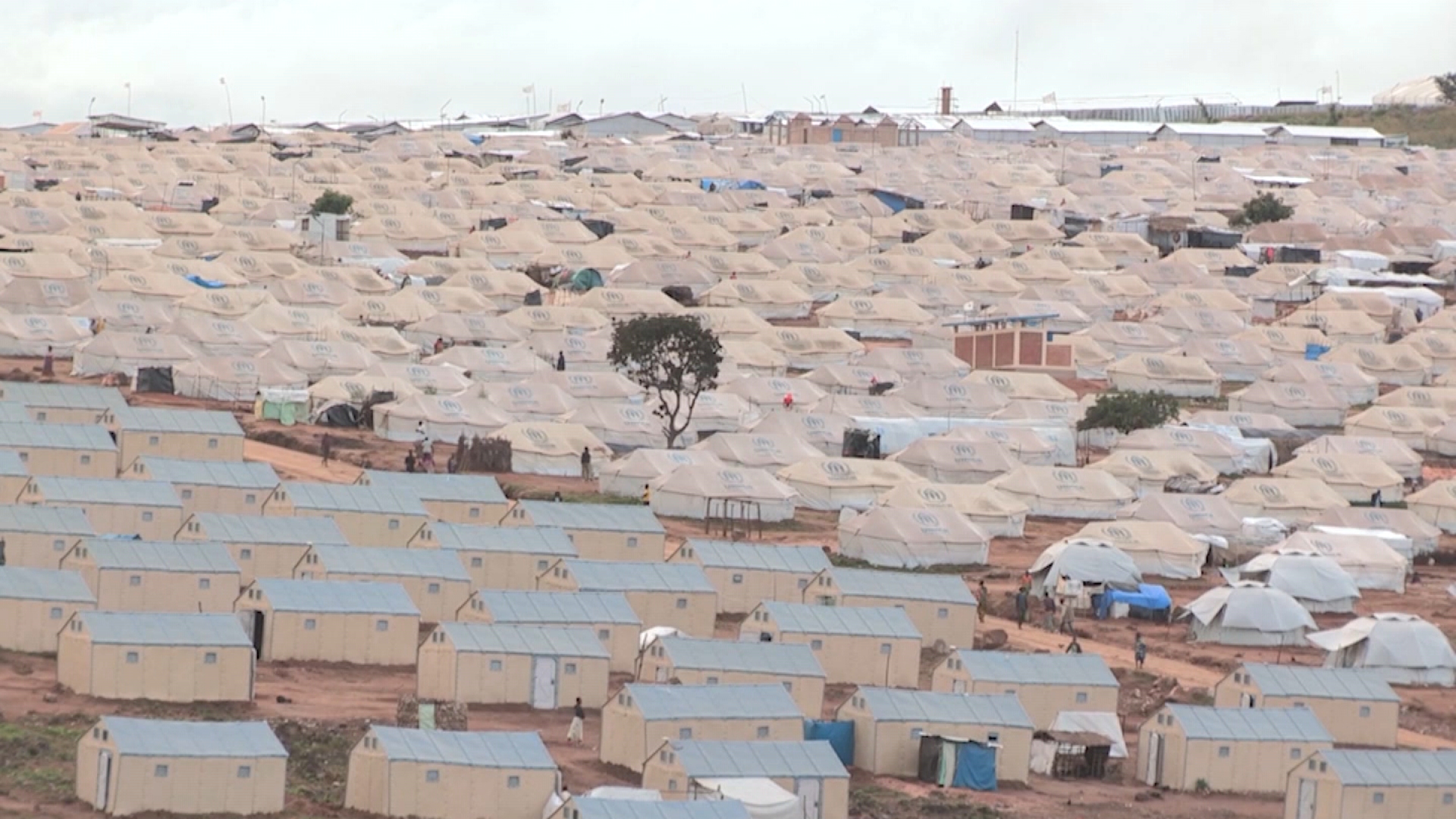
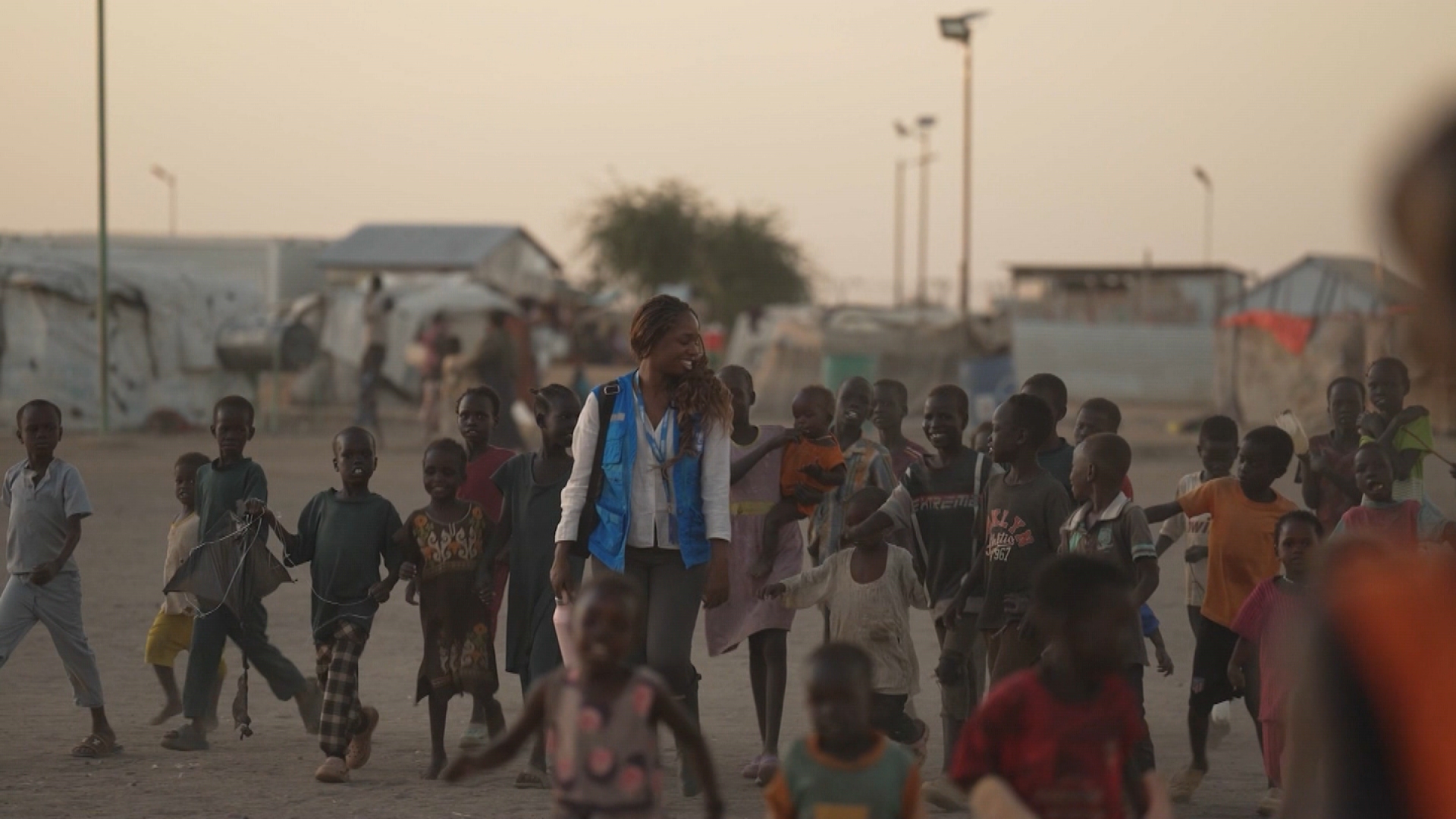
“Beyond the headlines, figures, the global trend report highlights a challenge that rarely receives the attention it deserves. Displacement is becoming increasingly prolonged. Today, 70 percent of refugees are living in protracted situations, defined as situations where refugees have been in exile for five years and more, without immediate prospects of a durable solution. That is nearly 25 million people. They include families who have spent not years, but sometimes decades in exile. Children, who have grown up knowing no other life.”
7. Various shots, Global Trends Press Conference
8. SOUNDBITE (English) Barham Salih, High Commissioner for Refugees, UN Refugee Agency (UNHCR):
“Humanitarian Assistance has saved lives and remains indispensable in emergencies, but it was designed for emergencies. It was never intended to sustain generations of people indefinitely. It cannot deliver the jobs, education, investment, and stability that enable people to build their lives. We cannot remain trapped in that model designed for short-term emergencies when most displacement today is painfully protracted.”
9. Various shots, Global Trends Press Conference
10. SOUNDBITE (English) Barham Salih, High Commissioner for Refugees, UN Refugee Agency (UNHCR):
“UNHCR's strategic ambition over the next decade is to help reduce by half the number of refugees in protracted displacement who remain dependent on humanitarian assistance. We call this 50 by 35. This is not a call to reduce support for refugees. It is a call to ensure that fewer people need to be dependent on humanitarian assistance for years or decades because they have meaningful opportunities to rebuild their lives. It is about expanding opportunity, restoring agency, and helping more refugees regain control over their futures.”
11. Various shots, Global Trends Press Conference
12. SOUNDBITE (English) Barham Salih, High Commissioner for Refugees, UN Refugee Agency (UNHCR):
“As we mark the 75th year of the Convention, UNHCR calls on states to reaffirm a number of fundamental priorities. First, the principle of non-refoulement, the prohibition on returning a person to a country where they face a real risk of persecution or serious harm is the heart of the Convention. It is non-negotiable. At a time when political pressure to restrict asylum is growing in many countries, we call on all states to uphold this principle without exception.”
13. Wide shot, Global Trends Press Conference
With 7 in 10 refugees living in long-term displacement, UN Refugee Agency (UNHCR) chief calls for renewed push for solutions.
New data show global forced displacement fell for the first time in a decade.
UNHCR aims to halve by 2035 the number of refugees in long-term displacement and reliant on humanitarian assistance, by catalysing efforts to create jobs, education opportunities and lasting solutions like returns.