Media Home
 UN Web TV
 UN Audiovisual Library
 UN Photo
UN / YEMEN
Download
There is no media available to download.
Share
STORY: UN / YEMEN
TRT: 03:37
SOURCE: UNIFEED
RESTRICTIONS: NONE
LANGUAGES: ENGLISH / NATS
DATELINE: 13 JULY 2026, NEW YORK CITY / FILE
FILE - NEW YORK CITY
1. Wide shot, exterior, United Nations Headquarters
10 JULY 2026, NEW YORK CITY
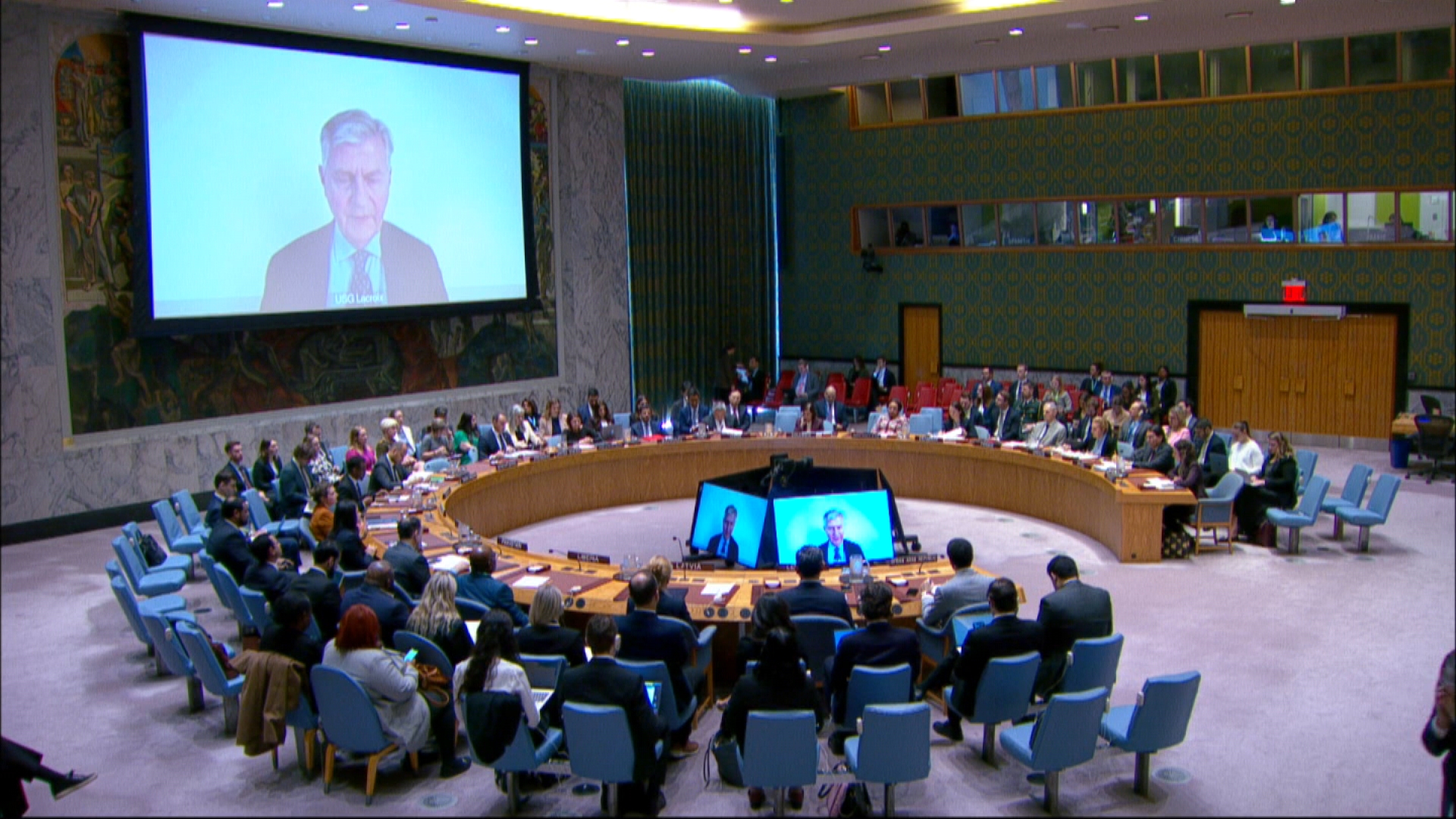
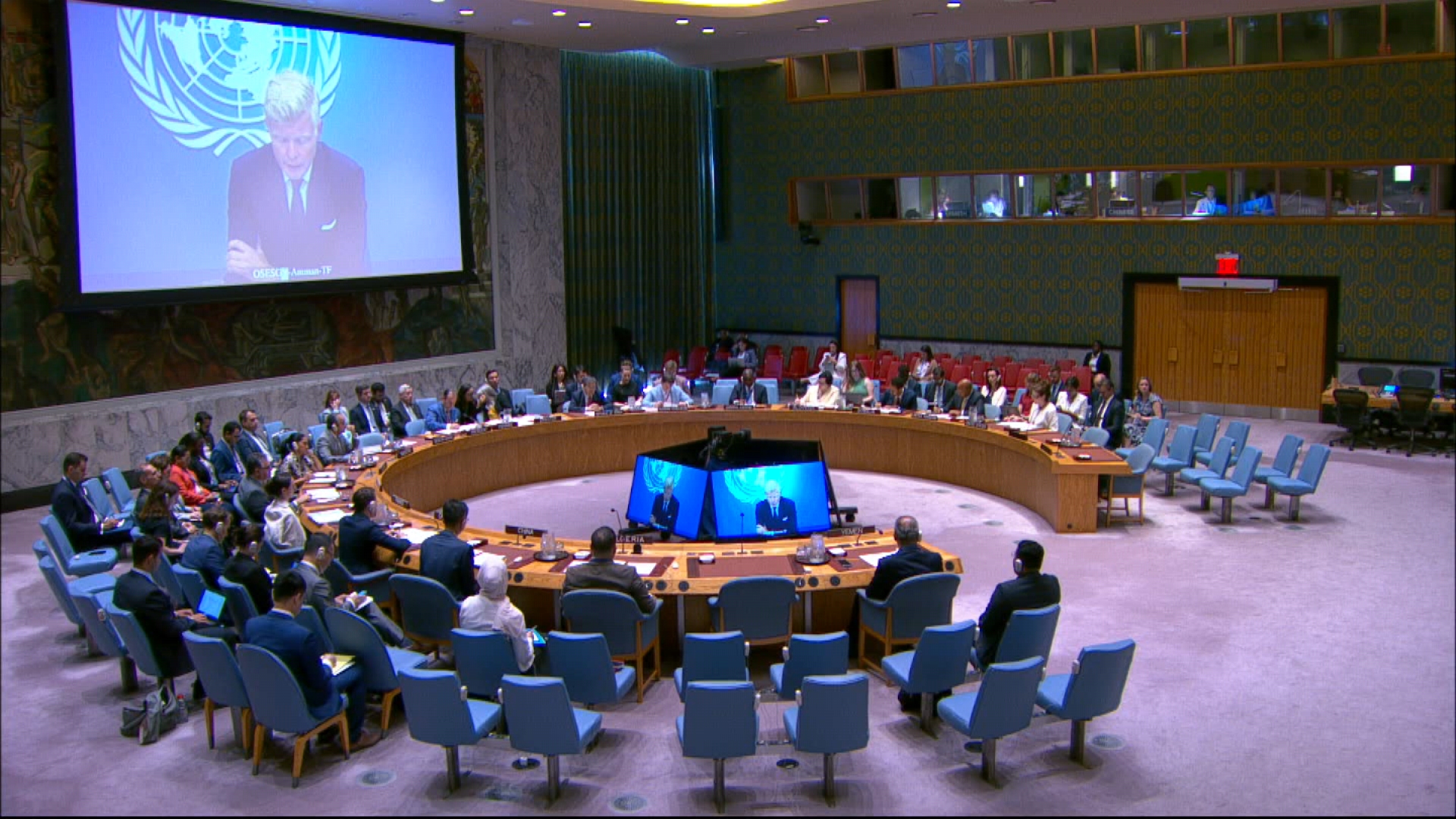
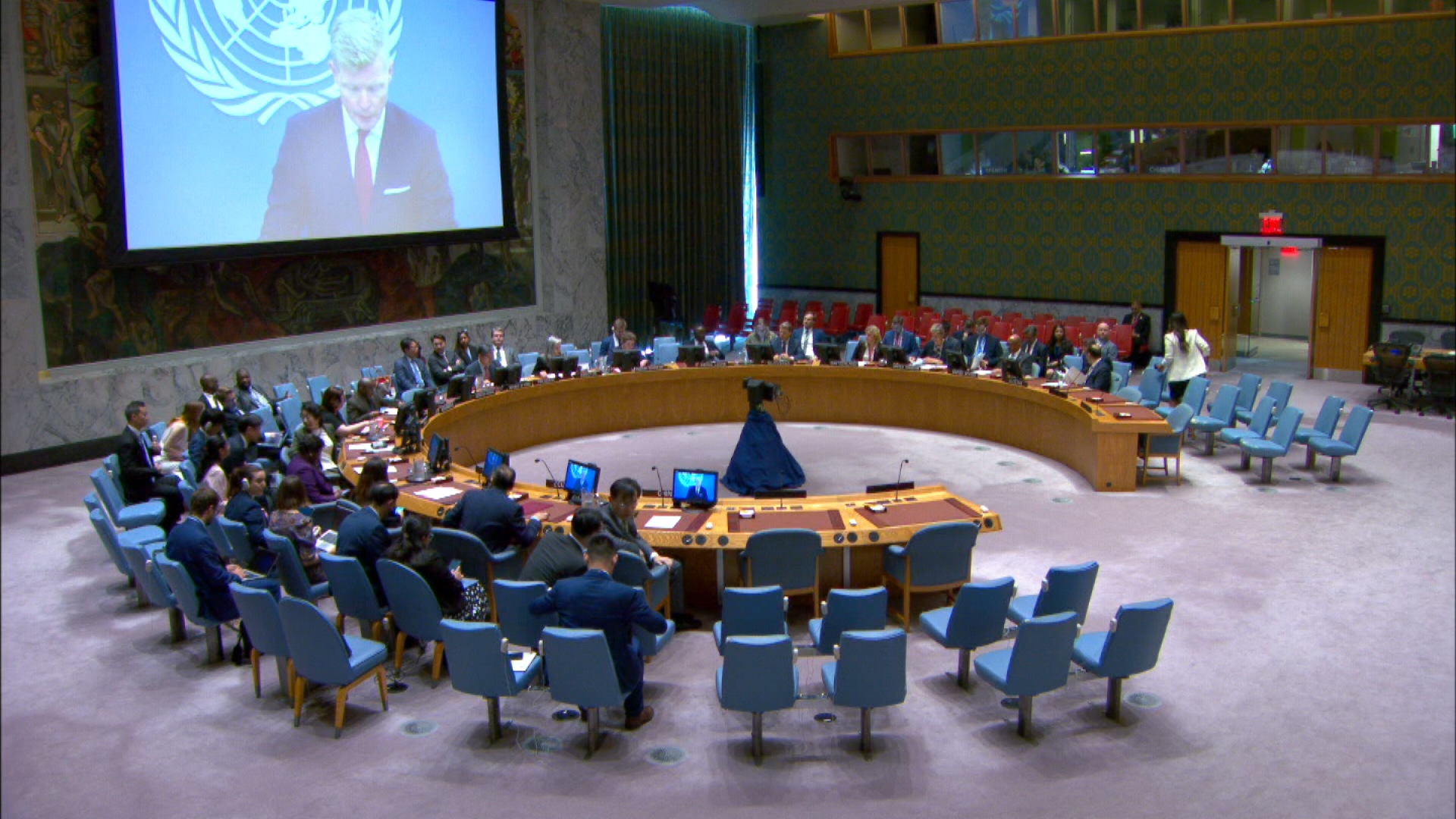
2. Wide shot, Security Council
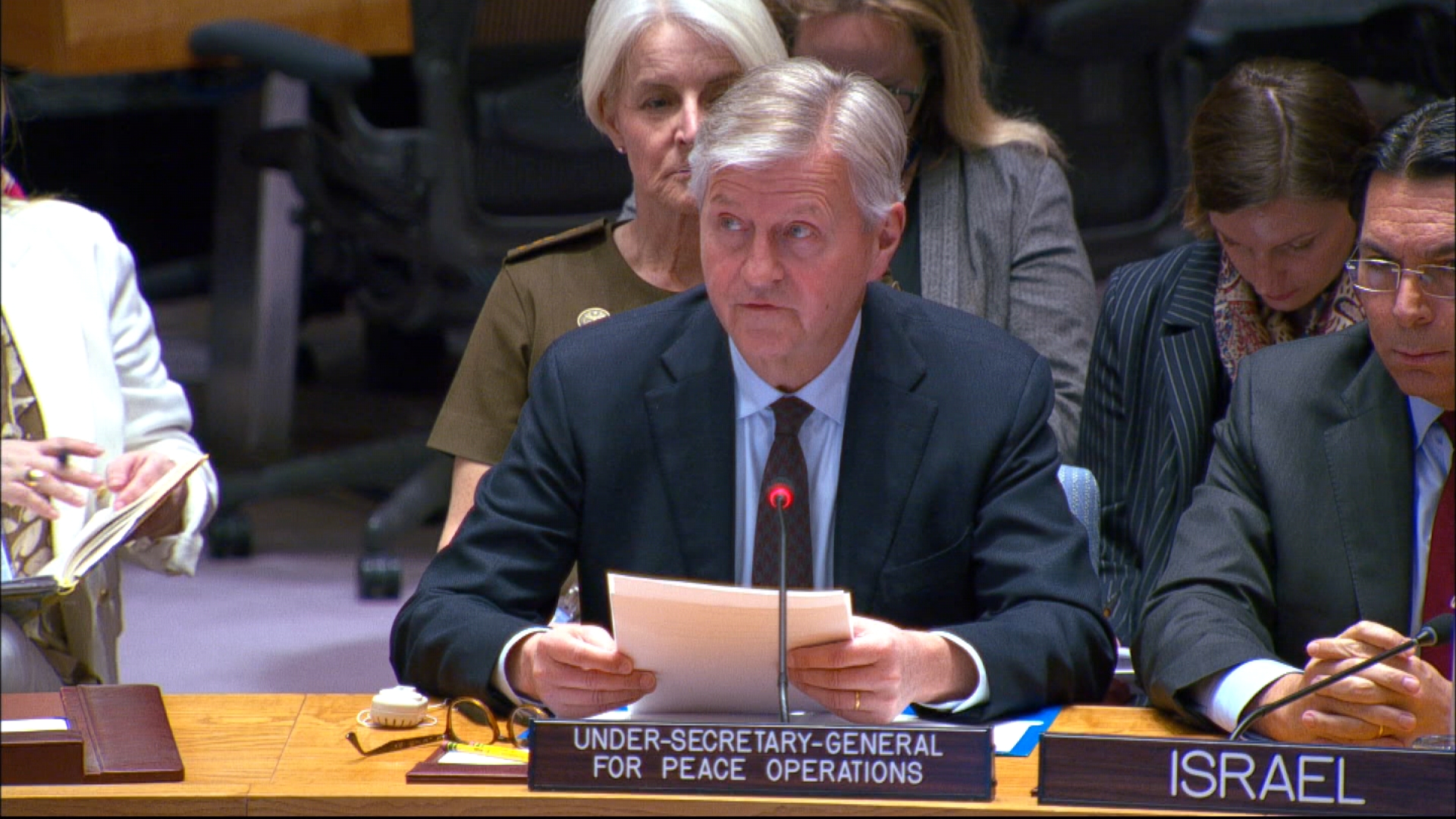
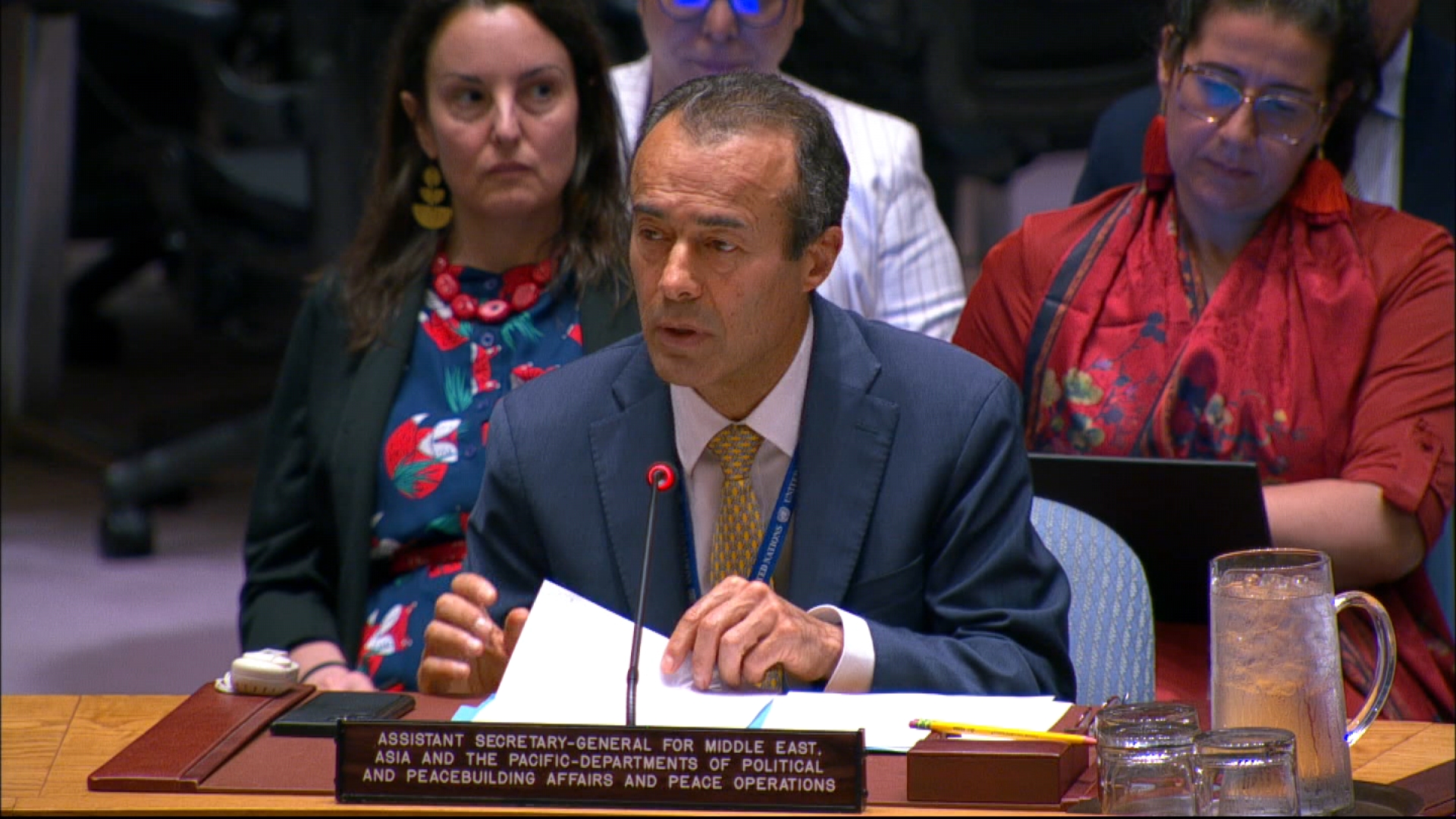
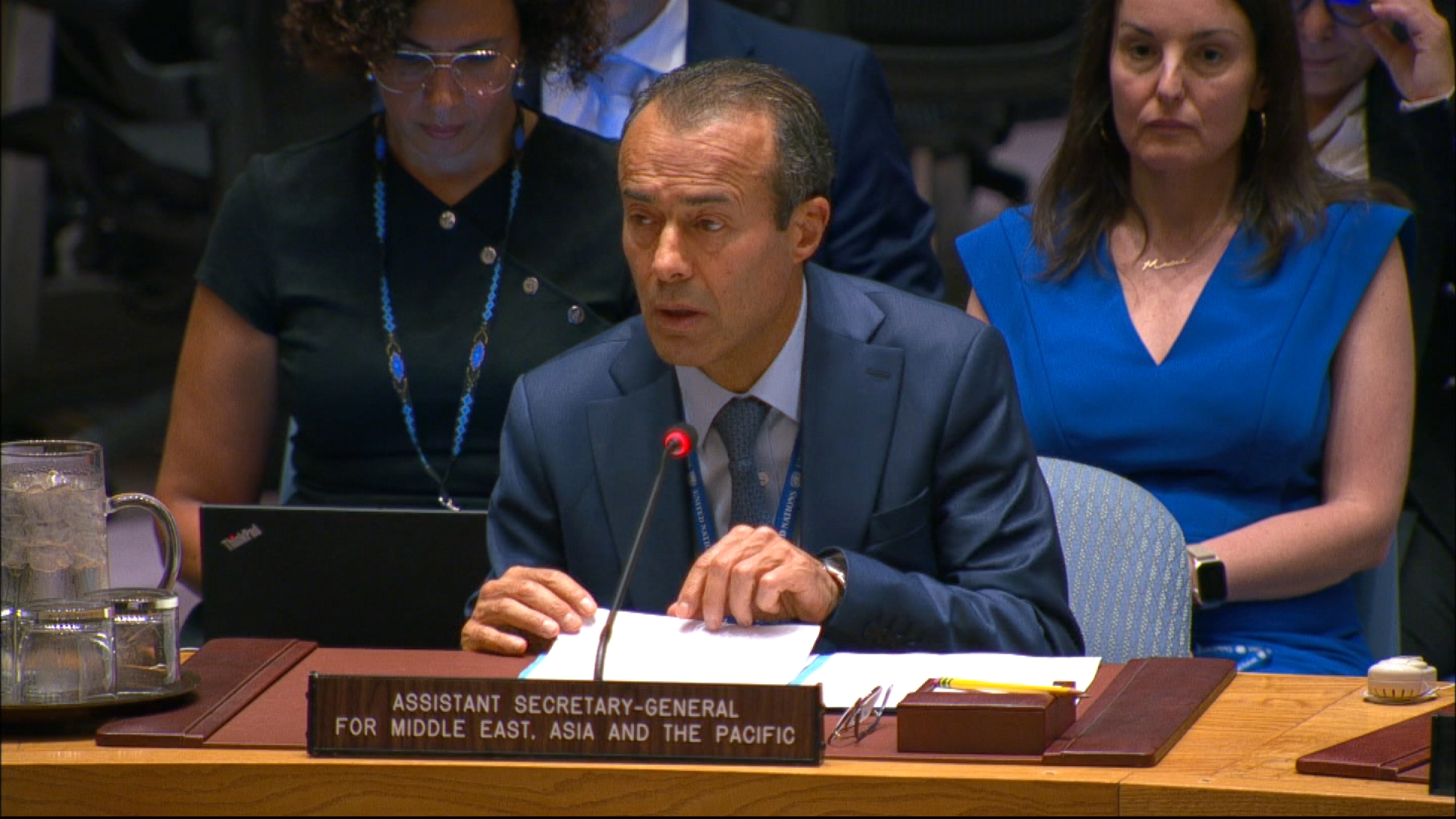
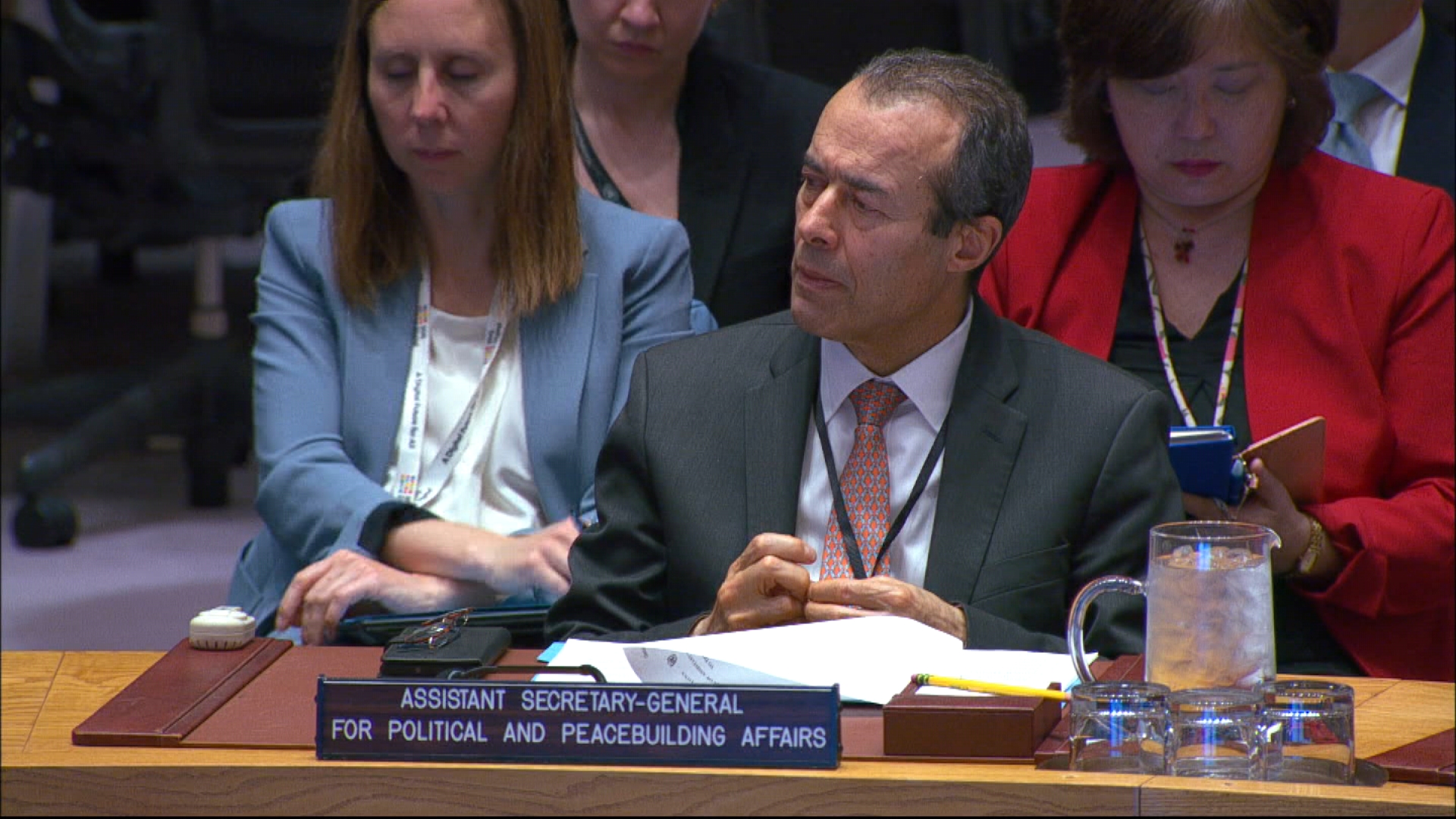
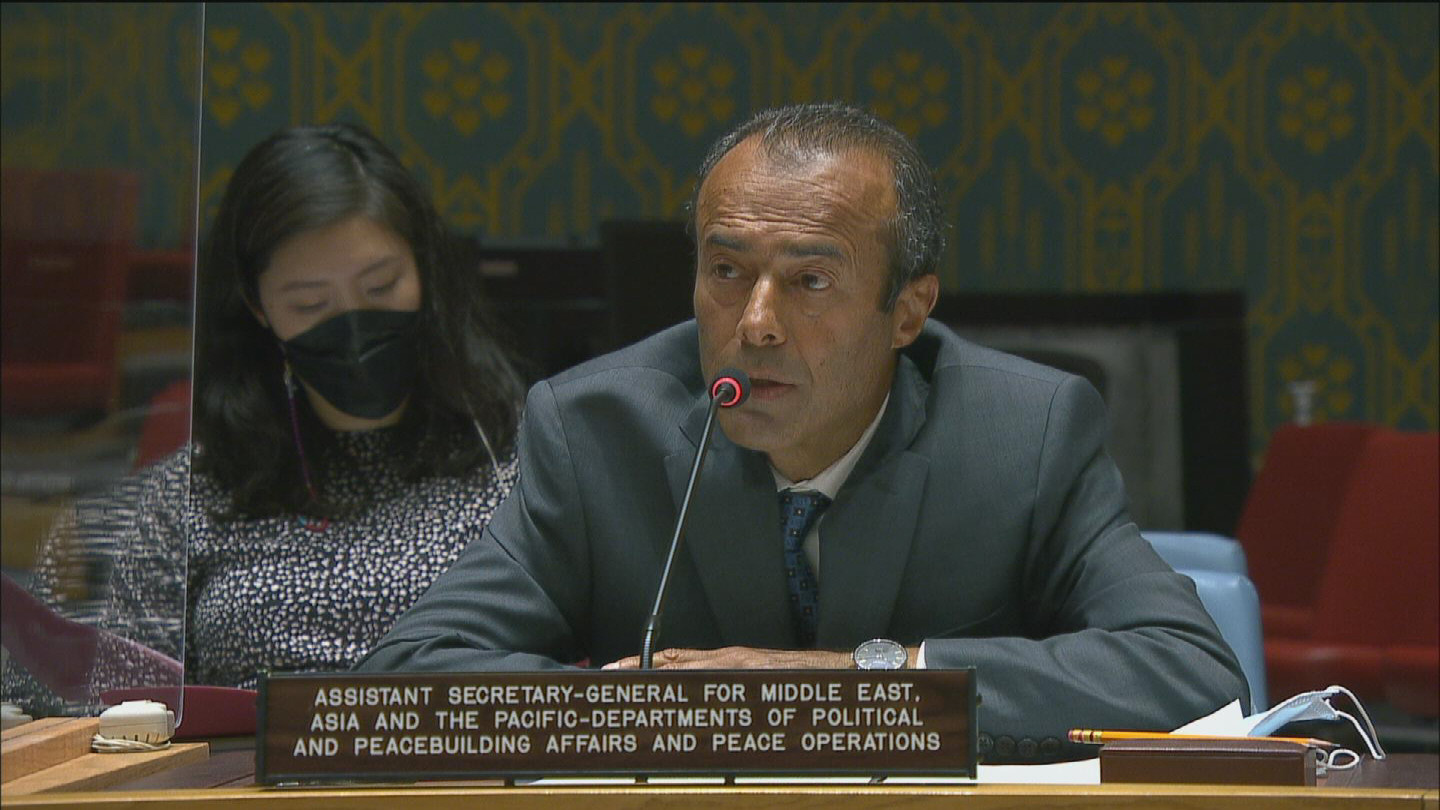
3. Wide shot, Assistant Secretary-General Khaled Khiari, addressing Council
4. SOUNDBITE (English) Khaled Khiari, Assistant Secretary-General, Departments of Political and
Peacebuilding Affairs and Peace Operations (DPO), Department of Political and Peacebuilding Affairs (DPPA):
“We are deeply concerned about the risk of wider escalation. Yemen and the wider region cannot afford another cycle of escalation. We call on all actors to constructively engage in negotiations under United Nations auspices. Such engagement is essential to ensure de-escalation; advance safe, predictable and sustainable civilian air access, among other priorities.”
5. Wide shot, Khiari addressing Council
6. SOUNDBITE (English) Khaled Khiari, Assistant Secretary-General, Departments of Political and
Peacebuilding Affairs and Peace Operations (DPO), Department of Political and Peacebuilding Affairs (DPPA):
“The parties negotiated and agreed under UN auspices in May to release over 1,600 conflict related detainees, the largest such release agreed since the start of the conflict in Yemen. This demonstrates that mutually acceptable agreements remain achievable even amid complex and challenging circumstances.”
7. Wide shot, Khiari addressing Council
8SOUNDBITE (English) Khaled Khiari, Assistant Secretary-General, Departments of Political and
Peacebuilding Affairs and Peace Operations (DPO), Department of Political and Peacebuilding Affairs (DPPA):
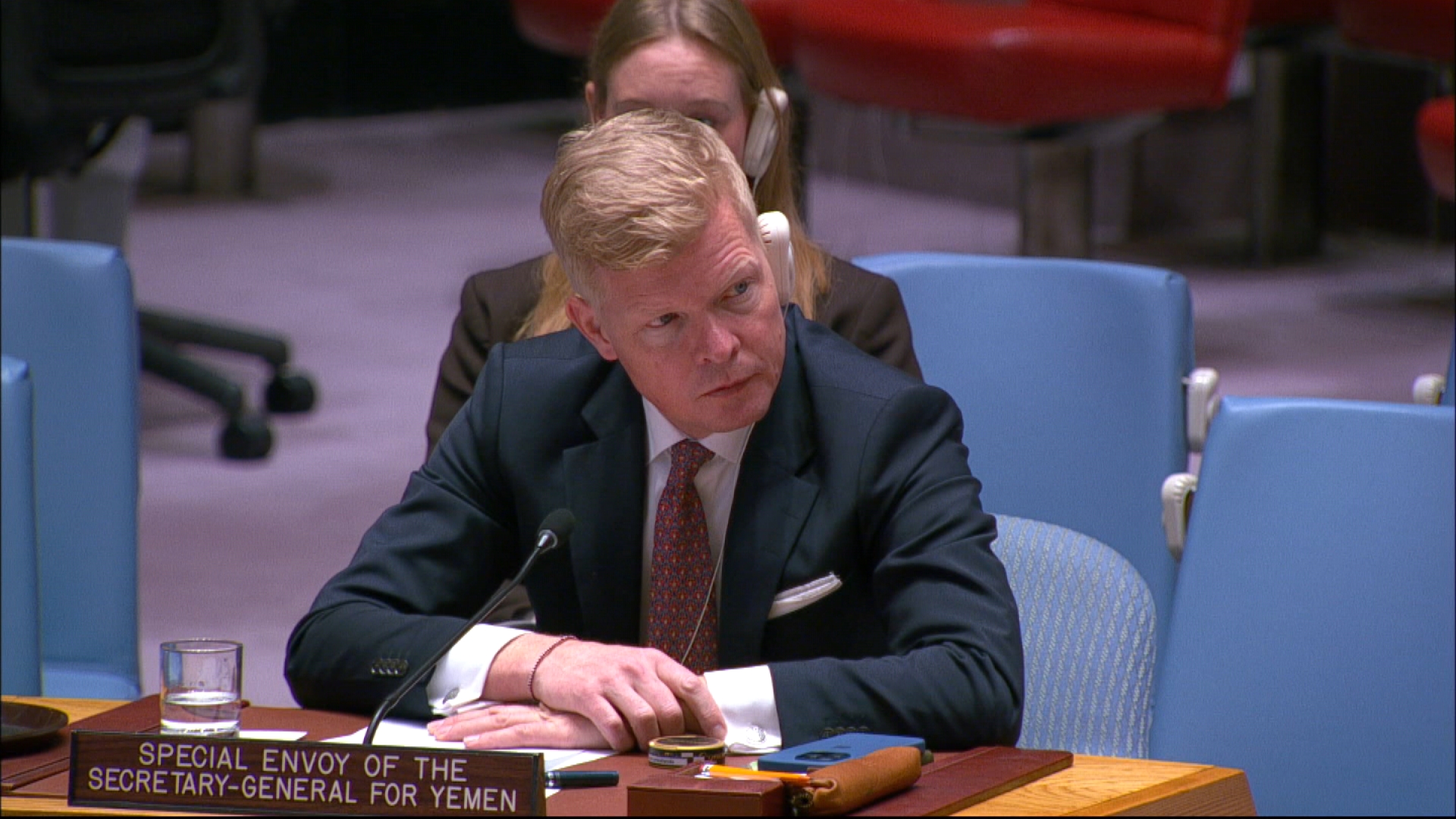
“Unilateral measures will not bring Yemen closer to peace. On the contrary, they risk entrenching divisions, accelerating fragmentation and heightening the danger of renewed escalation and military confrontation. We therefore continue to urge all parties to reduce tensions and address their differences through dialogue. Specifically, we call on the parties to engage constructively with the efforts of the Special Envoy to choose dialogue over violence and to refrain from measures that could undermine prospects for peace.”
9. Wide shot, Khiari addressing Council
10. SOUNDBITE (English) Khaled Khiari, Assistant Secretary-General, Departments of Political and
Peacebuilding Affairs and Peace Operations (DPO), Department of Political and Peacebuilding Affairs (DPPA):
“The United Nations remain committed to supporting the Yemenis in restarting a political process to end the conflict in Yemen, as noted by the Special Envoy and many members of this Council in previous meetings, regional de-escalation can create a more conducive environment for reviving the Yemeni political process.”
11. Wide shot, Acting Assistant Secretary-General Indrika Ratwatte addressing Council
12. SOUNDBITE (English) Indrika Ratwatte, Acting Assistant Secretary-General for Humanitarian Affairs
and Deputy Emergency Relief Coordinator:
“Yemen's humanitarian crisis deepening just as our ability to respond has been sharply reduced. The country is facing multiple shocks at once, worsening food insecurity, the expected impact of El Niño on food production and livelihoods, and an unprecedented fall in humanitarian funding.”
13. Wide shot, Ratwatte addressing Council
14. SOUNDBITE (English) Indrika Ratwatte, Acting Assistant Secretary-General for Humanitarian Affairs
and Deputy Emergency Relief Coordinator:
“Food insecurity is approaching catastrophic levels, with more than 18 million people across Yemen hungry and many of them in an acute situation of hunger. Yemen remains one of the world's worst food security crises. It has the largest population facing global emergency levels of food insecurity, IPC phase four or worse. Malnutrition continues to threaten millions of children as well as pregnant and breastfeeding women.”
15. Wide shot, Yemeni Ambassador addressing Council
16. SOUNDBITE (English) Abdullah Ali Fadhel Al-Saadi, Permanent Representative to the United Nations, Yemen:
“The issue before us today is not only about a member state’s right to manage its airspace. We are dealing here with a deliberate attempt to impose a fait accompli that bypasses the legitimate government, defies Security Council resolutions, tests the international sanctions regime and turns civil aviation into a tool to achieve military and political objectives that are inconsistent with international law.”
17. Wide shot, end of meeting
Following reports of Iranian violations of Yemeni airspace and Saudi airstrikes at Sana’a International Airport to prevent Iranian planes from landing, Assistant Secretary-General Khaled Khiari today (13 Jul) called for de-escalation in order to “advance safe, predictable and sustainable civilian air access, among other priorities.”
Addressing an emergency meeting of the Security Council requested by the Yemeni government, Khiari said, “Yemen and the wider region cannot afford another cycle of escalation” and called on all actors “to constructively engage in negotiations under United Nations auspices.”
He noted that the parties had negotiated an agreement in May to release over 1,600 conflict related detainees, “the largest such release agreed since the start of the conflict in Yemen” which “demonstrates that mutually acceptable agreements remain achievable even amid complex and challenging circumstances.”
Unilateral measures, Khiari said, “will not bring Yemen closer to peace. On the contrary, they risk entrenching divisions, accelerating fragmentation and heightening the danger of renewed escalation and military confrontation.”
He urged all parties “to reduce tensions and address their differences through dialogue,” as well as to “refrain from measures that could undermine prospects for peace.”
Khiari said, “the United Nations remain committed to supporting the Yemenis in restarting a political process to end the conflict in Yemen, as noted by the Special Envoy and many members of this Council in previous meetings, regional de-escalation can create a more conducive environment for reviving the Yemeni political process.”
Also addressing the Council, Acting Assistant Secretary-General Indrika Ratwatte said, “Yemen's humanitarian crisis deepening just as our ability to respond has been sharply reduced” due to “unprecedented fall in humanitarian funding.”
Ratwatte said, “food insecurity is approaching catastrophic levels, with more than 18 million people across Yemen hungry and many of them in an acute situation of hunger.”
For his part, Yemeni Ambassador Abdullah Ali Fadhel Al-Saadi said, “the issue before us today is not only about a member state’s right to manage its airspace. We are dealing here with a deliberate attempt to impose a fait accompli that bypasses the legitimate government, defies Security Council resolutions, tests the international sanctions regime and turns civil aviation into a tool to achieve military and political objectives that are inconsistent with international law.”
Reports indicate that an Iranian civilian aircraft, which the Ansar Allah group claim was transporting over 200 patients and stranded Yemeni citizens, landed in the Houthi-controlled Sana’a International Airport and later reportedly returned to Tehran, transporting a Houthi delegation to the funeral of Iranian Supreme Leader Ayatollah Ali Khamenei
Further, another Iranian plane carrying a Houthi delegation returning from Tehran reportedly landed today at Hudaydah Airport.