Media Home
 UN Web TV
 UN Audiovisual Library
 UN Photo
UN / YOUTH FOOTBALL AND MENTAL HEALTH
Download
There is no media available to download.
Share
STORY: UN / YOUTH FOOTBALL AND MENTAL HEALTH
TRT: 03:07
SOURCE: UNIFEED
RESTRICTIONS: NONE
LANGUAGE: ENGLISH / NATS
DATELINE: 14 JULY 2026, NEW YORK CITY / FILE
FILE - NEW YORK CITY
1. Wide shot, exterior UN Headquarters
14 JULY 2026, NEW YORK CITY
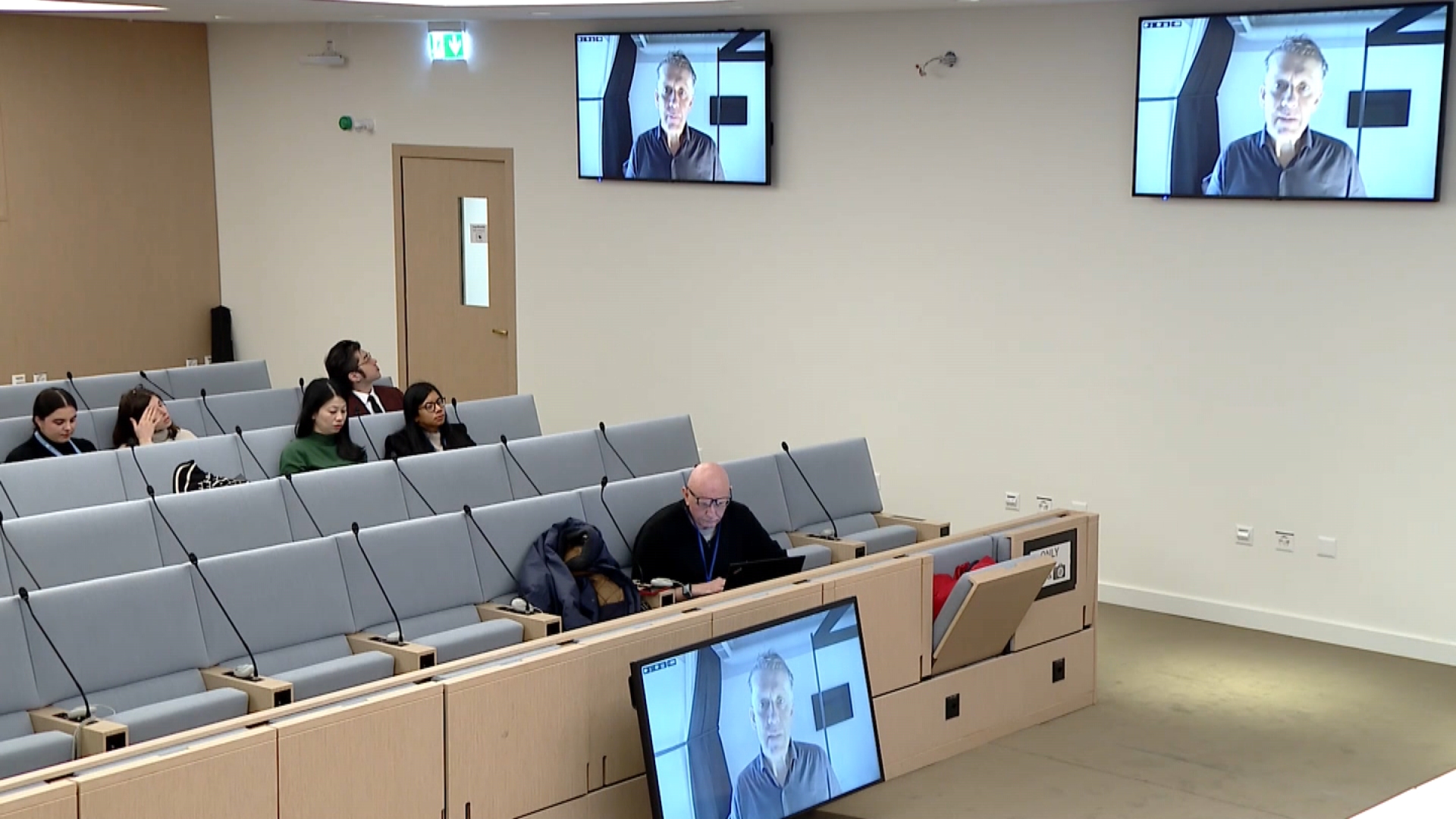
2. Wide shot, press room dais
3. SOUNDBITE (English) Felipe Paullier, Assistant Secretary‑General for Youth Affairs, United Nations:
“Behind these numbers, there's actually people, millions of young people, families and communities that are carrying a pain which is often unseen, unspoken and unsupported.”
4. Med shot, press room dais
5. SOUNDBITE (English) Felipe Paullier, Assistant Secretary‑General for Youth Affairs, United Nations:
“Young people are navigating a very complex world with unpredictable change, changes in terms of digital disruption, changes in terms of economic uncertainty. Absolutely the consequences of armed conflicts across regions and displacement, but also, social isolation. In this paradox we live where we are most interconnected than ever, but at the same time, we have very worrying figures about isolation among people in general, and especially adolescents and youth.”
6. Wide shot, press room dais
7. SOUNDBITE (English) Felipe Paullier, Assistant Secretary‑General for Youth Affairs, United Nations:
“We're taking this moment where everyone is looking into football as a connector of humanity, football as something that brings us together, sometimes to celebrate, to talk about something, sometimes to cry when our team is not performing well. And that's why next Friday in this UN headquarters in New York with the United Nations member states, Friends of Football, we will convene this event One World, One Game, One Goal, just ahead of the FIFA World Cup men's final, which is happening actually in the same city on Sunday.”
8. Wide shot, journalists
9. SOUNDBITE (English) Felipe Paullier, Assistant Secretary‑General for Youth Affairs, United Nations:
“And we will launch a one-year campaign, a public advocacy campaign, that it's about elevating youth mental health and well-being onto the world stage, because we believe that we cannot advance any of the Sustainable Development Goals if there is not a generation that feels supported, that feels empowered and resilient. And we want to also to make the case about the importance of investments when it's about youth, mental health, and well-being of young people.”
10. Med shot, press room dais
11. SOUNDBITE (English) Sahira Al Nahari, Young Leader for the Sustainable Development Goals (SDGs)
“So, football has a lot for us to learn from. When we're facing a global crisis, let's zoom into the stadiums. When you look at the stadiums, we learn discipline, resilience and how to recover from profound loss. It prepares us ultimately for the most complex match of all, which is the game of life. And on the field, absolutely no one wins alone. Players depend on a whole ecosystem. So, you have defenders, you have midfielders, coaches, medics, and fans in the stands all having important roles. And so, when we approached Youth mental health, we required the same exact ecosystem.”
12. Wide shot, end of presser
Ahead of the FIFA World Cup men's final, Assistant Secretary‑General for Youth Affairs Felipe Paullier today (14 July) announced the convening of One World, One Game, One Goal, a global event with the UN Member States Friends of Football to celebrate football and sports as powerful drivers of youth mental health and well-being.
Talking to reporters in New York, Paullier said young people are “navigating a very complex world with unpredictable change,” where they are “most interconnected than ever, but at the same time, we have very worrying figures about isolation among people in general, and especially adolescents and youth.”
Behind these numbers, he said, “there's actually people, millions of young people, families and communities that are carrying a pain which is often unseen, unspoken and unsupported.”
Paullier said, “we're taking this moment where everyone is looking into football as a connector of humanity, football as something that brings us together, sometimes to celebrate, to talk about something, sometimes to cry when our team is not performing well.”
During the event, he said, “we will launch a one-year campaign, a public advocacy campaign, that it's about elevating youth mental health and well-being onto the world stage, because we believe that we cannot advance any of the Sustainable Development Goals (SDGs) if there is not a generation that feels supported, that feels empowered and resilient.”
Joining Paullier, Sahira Al Nahari, who is a young leader for the SDGs, said, “football has a lot for us to learn from. When we're facing a global crisis, let's zoom into the stadiums. When you look at the stadiums, we learn discipline, resilience and how to recover from profound loss. It prepares us ultimately for the most complex match of all, which is the game of life.”
Al Nahari said, “on the field, absolutely no one wins alone. Players depend on a whole ecosystem. So, you have defenders, you have midfielders, coaches, medics, and fans in the stands all having important roles. And so, when we approached Youth mental health, we required the same exact ecosystem.”
One World, One Game, One Goal is part of the United Nations Youth Office’s flagship initiative on Youth Mental Health and Well-Being, advancing an important shift from fragmented, individual approaches to a holistic ecosystem model.
Friday’s event will bring together young leaders, changemakers, policymakers, UN entities, governments, civil society, private sector partners, athletes, and advocates to celebrate football and sports.