Media Home
 UN Web TV
 UN Audiovisual Library
 UN Photo
UN / NEW URBAN AGENDA
Download
There is no media available to download.
Share
STORY: UN / NEW URBAN AGENDA
TRT: 03:30
SOURCE: UNIFEED
RESTRICTIONS: NONE
LANGUAGES: ENGLISH / NATS
DATELINE: 16 JULY 2026, NEW YORK CITY / FILE
FILE - NEW YORK CITY
1. Aerial shot, exterior United Nations Headquarters
16 JULY 2026, NEW YORK CITY
2. Various shots, General Assembly
3. SOUNDBITE (English) Annalena Baerbock, President, United Nations General Assembly:
“Cities have the capability of providing something for everybody, yet only because and only when they are created by everybody. That is the vision that lies at the heart of the New Urban Agenda.”
4. Med shot, Baerbock at the GA rostrum
5. SOUNDBITE (English) Annalena Baerbock, President, United Nations General Assembly:
“Today, ten years after the adoption of the New Urban Agenda in Quito, cities are home to 58 percent of humanity, a figure projected to rise to 70 percent by 2050. So, our future will be shaped mainly in cities. And the good news is, if managed well, this urban shift can be a source of enormous opportunity.”
6. Wide shot, Baerbock at the GA rostrum
7. SOUNDBITE (English) Annalena Baerbock, President, United Nations General Assembly:
“But the opposite is also true. Without the right policies and leadership on the ground, this urbanisation can have the opposite effect. Deepening inequality, straining infrastructure, and leaving millions behind.”
8. Wide shot, Baerbock at the GA rostrum
9. SOUNDBITE (English) Annalena Baerbock, President, United Nations General Assembly:
“Today's mid-term review and the political declaration before us is an opportunity to change exactly that. To close financing gaps, to strengthen local governments, to build capacity, to invest in resilience, and to connect the dots across our very clearly connected frameworks, from the SDGs to the civil commitment, recognising that none can succeed in isolation.”
10. Wide shot, Deputy Secretary-General Amina J. Mohammed walks up to the GA rostrum
11. SOUNDBITE (English) Amina J. Mohammed, Deputy Secretary-General, United Nations:
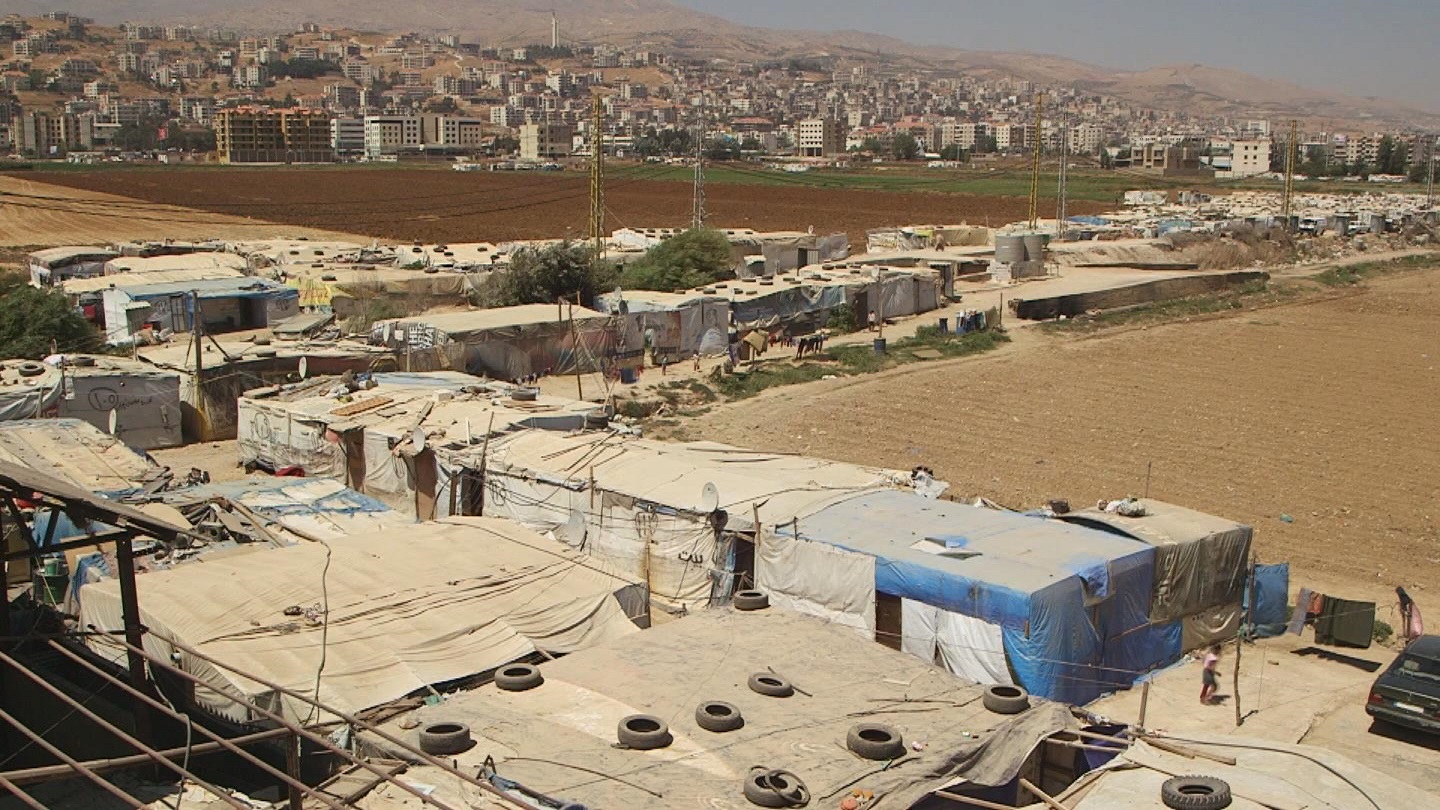
“Conflict displaces families into cities, climate shocks overwhelm homes and infrastructure, rising costs push housing and basic services further out of reach, and inequality becomes visible street by street. This is why the mid-term review of the New Urban Agenda reaches far beyond urban policy. It is one of the clearest ways sustainable development shows up in the lives of people on a daily basis, and it does more than look back. It tells us what cities and communities need from us now.”
12. Wide shot, UN-Habitat Executive Director Anacláudia Rossbach walks up to the GA rostrum
13. SOUNDBITE (English) Anacláudia Rossbach of Brazil, Executive Director of the United Nations Human Settlements Programme (UN-Habitat):
“The New Urban Agenda was born from a powerful conviction that sustainable urbanisation, if well-planned and managed, can be one of humanity's greatest tools for advancing prosperity, equity, and sustainability. And ten years on, we can see that it has provided a common framework to translate global commitments into local action and investment.”
14. Wide shot, GA
Addressing a High-Level Meeting of the General Assembly on the Midterm Review of the New Urban Agenda (NUA), General Assembly President Annalena Baerbock today (16 Jul) said, “our future will be shaped mainly in cities,” and noted that “if managed well, this urban shift can be a source of enormous opportunity.”
Baerbock said the vision at the heart of the New Urban Agenda adopted in Quito in 2016 is that “cities have the capability of providing something for everybody, yet only because and only when they are created by everybody.”
Today, she said, “cities are home to 58 percent of humanity, a figure projected to rise to 70 percent by 2050.”
Without the right policies and leadership, Baerbock warned, “this urbanisation can have the opposite effect. Deepening inequality, straining infrastructure and leaving millions behind.”
She said the mid-term review and the political declaration that is expected to be adopted at the end of the session, are an opportunity to “to close financing gaps, to strengthen local governments, to build capacity, to invest in resilience, and to connect the dots across our very clearly connected frameworks, from the SDGs to the civil commitment, recognizing that none can succeed in isolation.”
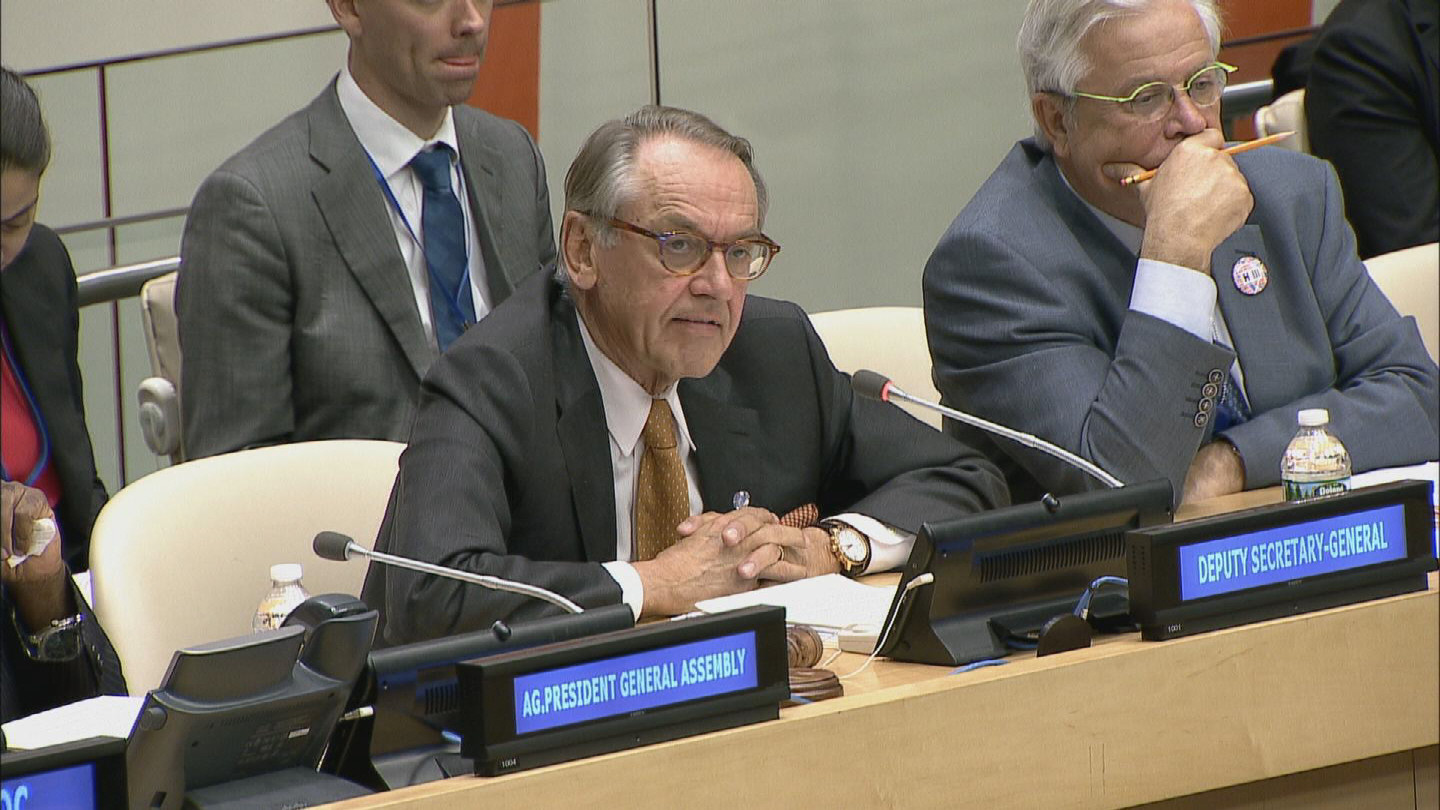
Speaking on behalf of Secretary-General António Guterres, Deputy Secretary-General Amina J. Mohammed said, “conflict displaces families into cities, climate shocks overwhelm homes and infrastructure, rising costs push housing and basic services further out of reach, and inequality becomes visible street by street. This is why the mid-term review of the New Urban Agenda reaches far beyond urban policy. It is one of the clearest ways sustainable development shows up in the lives of people on a daily basis, and it does more than look back. It tells us what cities and communities need from us now.”
For her part, UN-Habitat Executive Director Anacláudia Rossbach said the New Urban Agenda “was born from a powerful conviction that sustainable urbanization, if well-planned and managed, can be one of humanity's greatest tools for advancing prosperity, equity and sustainability.”
Ten years on, Rossbach said, “we can see that it has provided a common framework to translate global commitments into local action and investment.”
The NUA set out a vision for sustainable urbanization as a driver of inclusive, resilient, and sustainable development, contributing to the achievement of the 2030 Agenda for Sustainable Development and other global agendas.
At the midpoint to its 2036 horizon, the global context in which the NUA is being implemented has evolved significantly. The 2026 Secretary General’s Report on Progress in the implementation of the NUA1 provides a
consolidated assessment of progress, remaining gaps, and priority actions for the next decade up to 2036, informed by national reporting, United Nations system analysis and stakeholder inputs.
As of 2024, approximately 160 countries had adopted or were in the process of developing urban policy frameworks, many of which are integrated into national development strategies, with growing attention to climate resilience, regional disparities, and economic transformation.