Media Home
 UN Web TV
 UN Audiovisual Library
 UN Photo
WHO / DRC EBOLA US INMUNITIZATIONS
Download
There is no media available to download.
Share
STORY: WHO / DRC EBOLA US INMUNITIZATIONS
TRT: 07:04
SOURCE: WHO
RESTRICTIONS: PLEASE CREDIT WHO ON SCREEN
LANGUAGE: ENGLISH / NATS
DATELINE: 12 AUGUST 2026, GENEVA, SWITZERLAND / FILE
FILE - GENEVA, SWITZERLAND
1. Wide shot, exterior WHO Headquarters
12 AUGUST 2026, GENEVA, SWITZERLAND
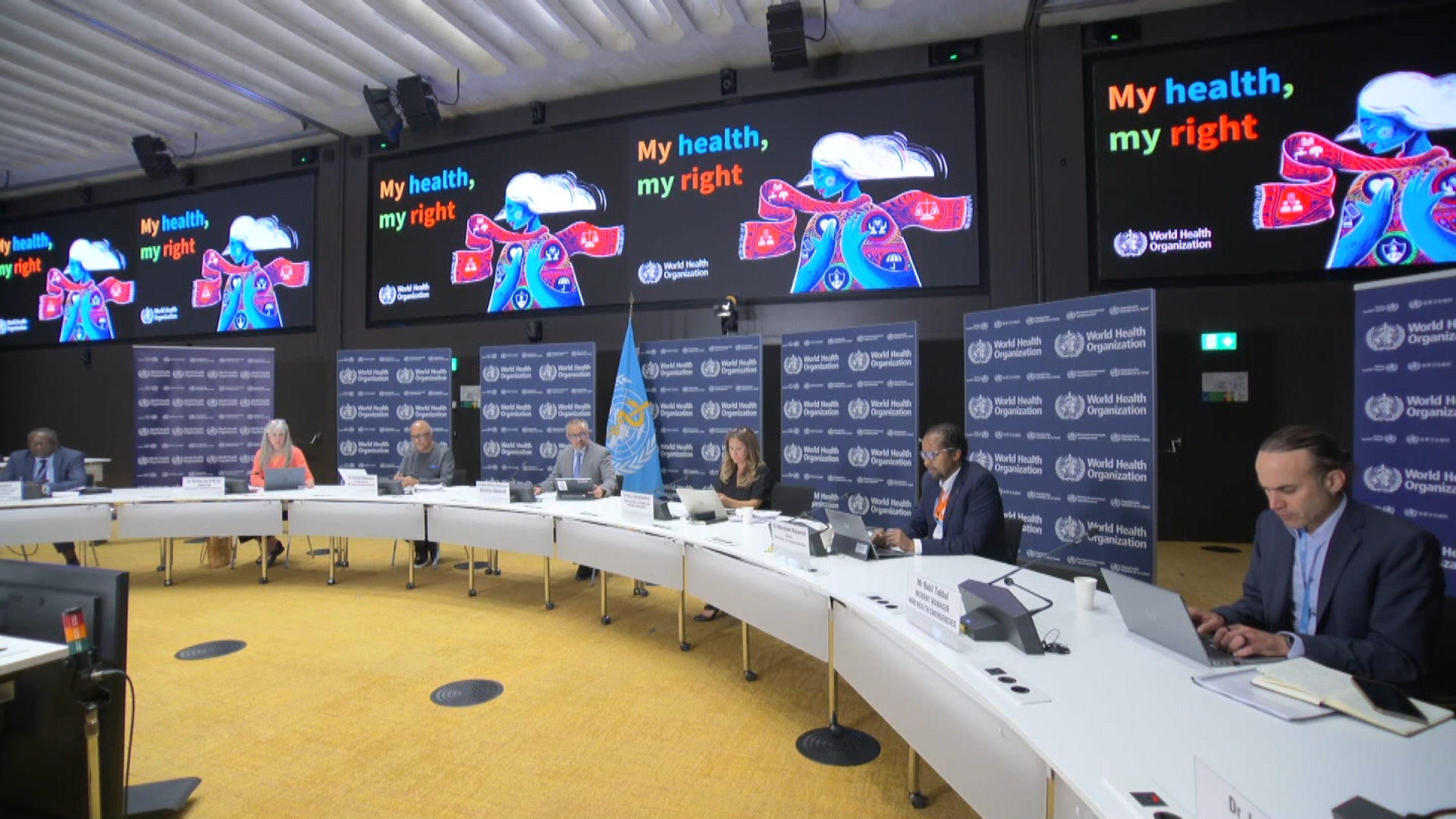
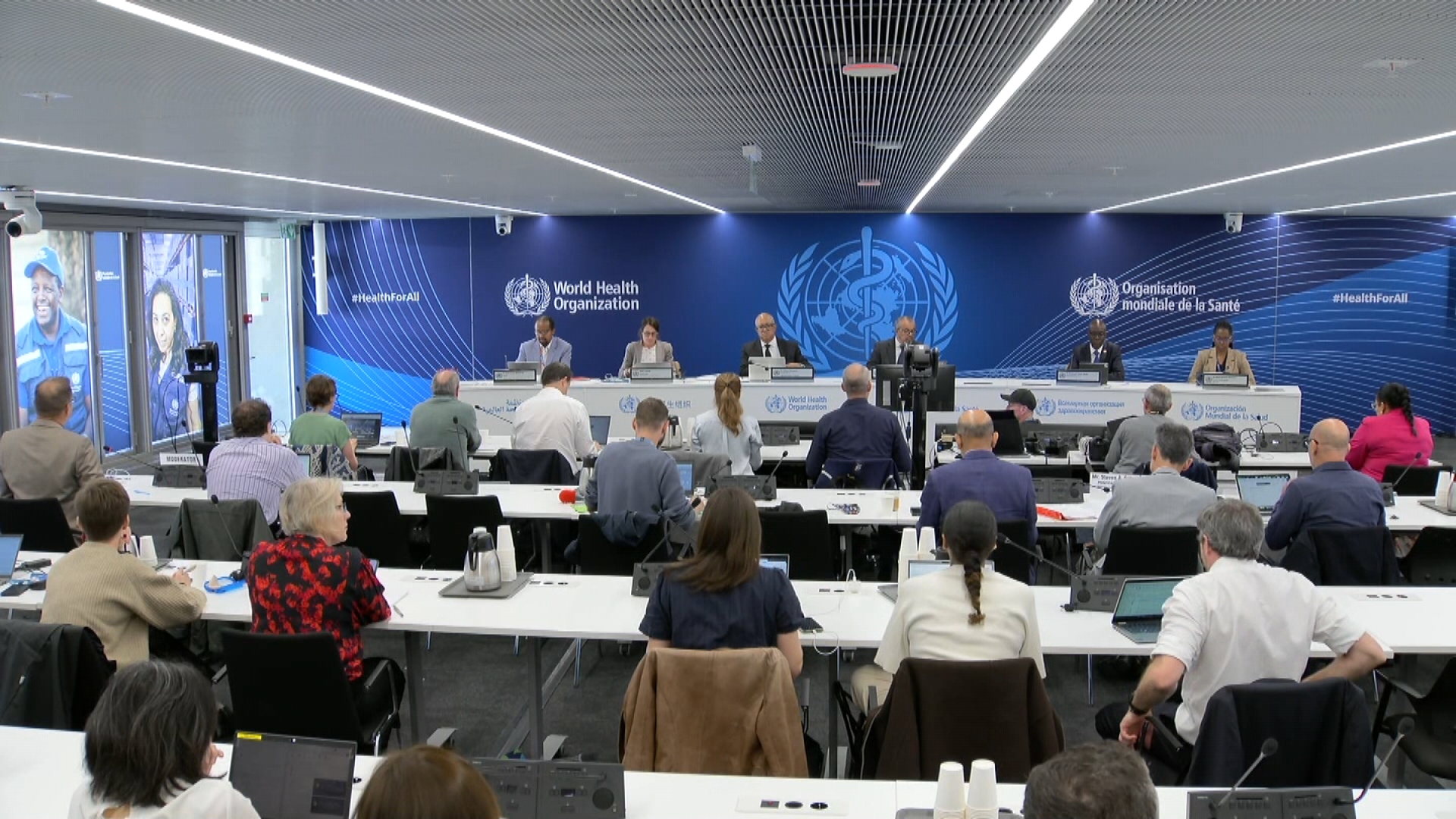
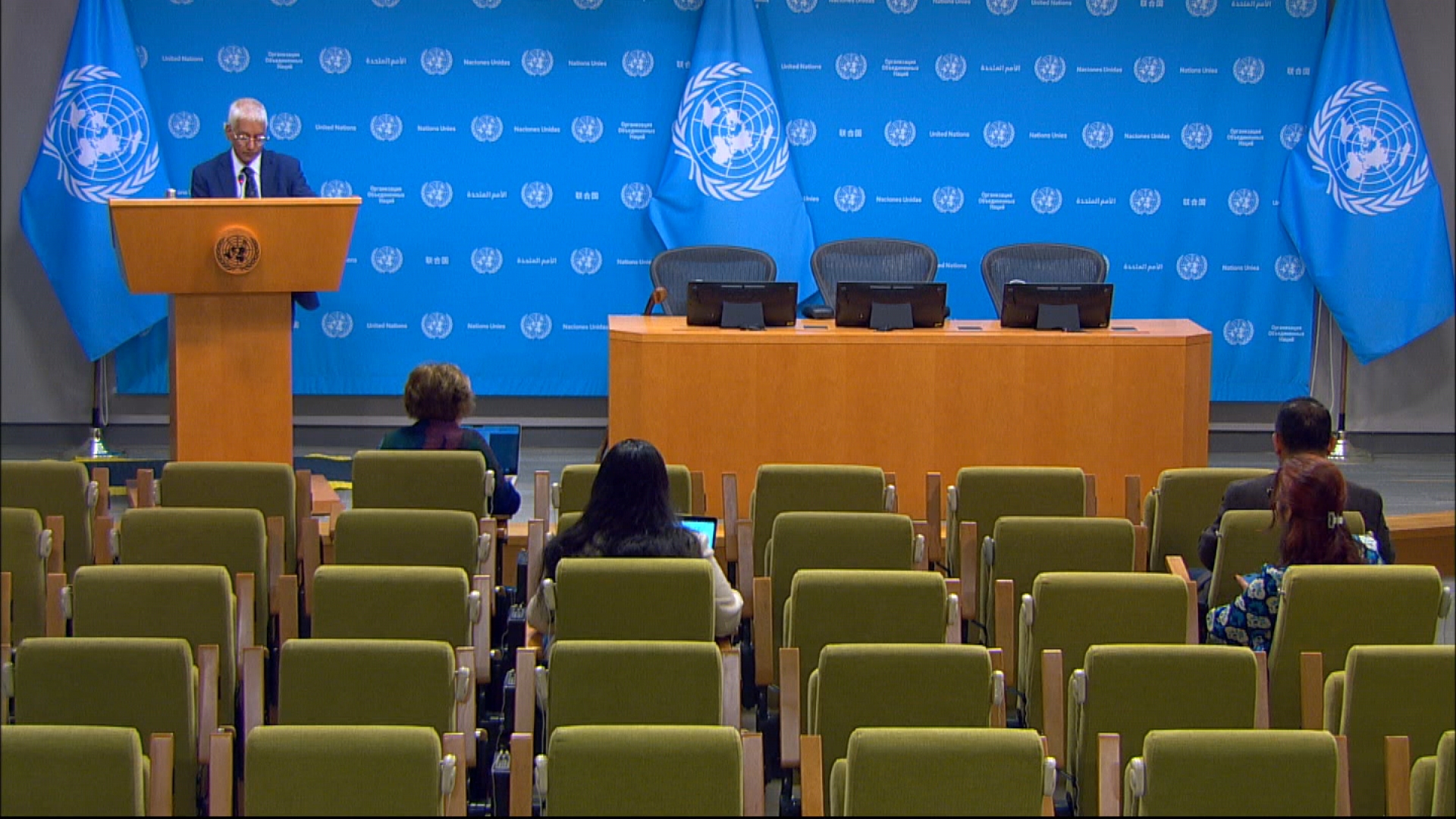
2. Wide shot, press room
3. SOUNDBITE (English) Dr Tedros Adhanom Ghebreyesus, Director-General, World Health Organization (WHO):
“Last week I travelled to the Democratic Republic of the Congo, where I had the honour of meeting with His Excellency President Félix Tshisekedi, and other leaders and partners.”
4. Wide shot, press room
5. SOUNDBITE (English) Dr Tedros Adhanom Ghebreyesus, Director-General, World Health Organization (WHO):
“I very much welcome the President’s leadership and commitment to doing everything he can to bring this outbreak under control.”
6. Wide shot, press room
7. SOUNDBITE (English) Dr Tedros Adhanom Ghebreyesus, Director-General, World Health Organization (WHO):
“It is already the second-biggest Ebola epidemic on record, and it is moving faster than any previous Ebola outbreak. At its current pace, it is on track to eclipse the West African Ebola outbreak of 2014 to 2016. Officially, 4,449 confirmed cases have been reported, with 2,061 deaths across five provinces and 53 health zones.”
8. Wide shot, press room
9. SOUNDBITE (English) Dr Tedros Adhanom Ghebreyesus, Director-General, World Health Organization (WHO):
“The outbreak had a big head start, it is still way ahead of us, and we are playing catch-up. About 90 percent of all cases and 80 percent of deaths are in the province of Ituri, with sustained transmission in the towns of Bunia, Rwampara, Nizi and Lita.”
10. Wide shot, press room
11. SOUNDBITE (English) Dr Tedros Adhanom Ghebreyesus, Director-General, World Health Organization (WHO):
“Most concerningly, we see a high proportion of deaths in communities instead of treatment units, outside of known contact lists. That tells us there are chains of transmission we don’t know about, and until we know about – and break – every chain of transmission, we will not stop the outbreak.”
12. Wide shot, press room
13. SOUNDBITE (English) Dr Tedros Adhanom Ghebreyesus, Director-General, World Health Organization (WHO):
“Early clinical care and safe and dignified burials are therefore critical for interrupting transmission. And both depend on the trust of affected communities, which means community engagement and community ownership are essential. There is no other way.”
14. Wide shot, press room
15. SOUNDBITE (English) Dr Tedros Adhanom Ghebreyesus, Director-General, World Health Organization (WHO):
“Under the leadership of the government, we are now scaling up every part of the response, with the primary goal of interrupting transmission.”
16. Wide shot, press room
17. SOUNDBITE (English) Dr Tedros Adhanom Ghebreyesus, Director-General, World Health Organization (WHO):
“With partners, we are mapping and pooling resources to strengthen community-based surveillance, to bring every suspected case into care and reach the 95 percent contact-tracing target needed to interrupt transmission — today we are at around 80 percent. We are also tripling treatment capacity, with a goal of 3,000 beds within 12 weeks.”
18. Wide shot, press room
19. SOUNDBITE (English) Dr Tedros Adhanom Ghebreyesus, Director-General, World Health Organization (WHO):
“Treatment centres, safe burial teams, laboratories and community engagement are operating across the affected provinces, reaching hundreds of thousands of people.”
20. Wide shot, press room
21. SOUNDBITE (English) Dr Tedros Adhanom Ghebreyesus, Director-General, World Health Organization (WHO):
“And 886 patients have recovered, even without approved therapeutics and vaccines, which are progressing in trials.”
22. Wide shot, press room
23. SOUNDBITE (English) Dr Tedros Adhanom Ghebreyesus, Director-General, World Health Organization (WHO):
“For the first time, two vaccines specifically designed against Bundibugyo virus have now entered phase one safety trials in humans. In addition, two new animal studies of the vaccine against Zaire ebolavirus – the more common species – have shown promising evidence of cross protection in animals.”
24. Wide shot, press room
25. SOUNDBITE (English) Dr Tedros Adhanom Ghebreyesus, Director-General, World Health Organization (WHO):
“On that basis, WHO has recommended inclusion of the vaccine in a phase three trial, which we hope to start as soon as possible.”
26. Wide shot, press room
27. SOUNDBITE (English) Dr Tedros Adhanom Ghebreyesus, Director-General, World Health Organization (WHO):
“We do not know whether this vaccine is efficacious against Bundibugyo disease in humans. The phase three trial is the best way to ensure a safe and effective vaccine is available as soon as possible for this and future outbreaks.”
28. Wide shot, press room
29. SOUNDBITE (English) Dr Tedros Adhanom Ghebreyesus, Director-General, World Health Organization (WHO):
“The WHO-sponsored PARTNERS trial has now reached the milestone of 100 patients. This trial demonstrates that, even in the midst of a challenging outbreak, it is possible to mobilize research rapidly and responsibly. None of this work is done by WHO alone, or the government alone, or Africa CDC alone. It is all of us, working together as one. But special thanks to the United States and the United Kingdom.”
30. Wide shot, press room
31. SOUNDBITE (English) Dr Tedros Adhanom Ghebreyesus, Director-General, World Health Organization (WHO):
“I would especially like to thank all the health workers who are putting themselves at risk every day to save lives and stop the outbreak.”
32. Wide shot, press room
33. SOUNDBITE (English) Dr Sylvie Briand, Chief Scientist, World Health Organization (WHO):
“So far, they have been we have not seen any mutation on this virus. And probably, the course of the outbreak is currently much more explained by the context in which the virus is circulating, which is an area of conflict with a lot of population mobility, very difficult situation in the ground and a lot of difficulties, in fact, to a break chain of transmission because of the social and economic context in this part of DRC.”
34. Wide shot, press room
35. SOUNDBITE (English) Dr Tedros Adhanom Ghebreyesus, Director-General, World Health Organization (WHO):
“WHO is concerned that the changes to immunization policy in the US are not aligned with the best science. Decades of evidence have shown when children are most vulnerable to disease, when vaccines provide the strongest protection, how many doses are needed, and which vaccines can safely be given together.”
36. Wide shot, press room
37. SOUNDBITE (English) Dr Tedros Adhanom Ghebreyesus, Director-General, World Health Organization (WHO):
“That evidence is reviewed continuously as new data emerge from across the globe. And the current evidence is unequivocal: vaccines – including the MMR vaccine – are safe and do not cause autism.”
39. SOUNDBITE (English) Dr Tedros Adhanom Ghebreyesus, Director-General, World Health Organization (WHO):
“Delaying vaccines or separating doses unnecessarily does not make vaccination safer and can leave children unprotected. Vaccination policy should be guided by rigorous, independent, and transparent review of the best available science, not by political influence.”
40. Wide shot, press room
Following his trip to the Democratic Republic of the Congo (DRC) where he met President Félix Tshisekedi, the Head of the World Health Organization (WHO), Dr Tedros Ghebreyesus today (12 Aug) said the current outbreak, is “already the second-biggest Ebola epidemic on record, and it is moving faster than any previous Ebola outbreak.”
Dr Tedros welcomed the President Tshisekedi’s “leadership and commitment to doing everything he can to bring this outbreak under control,” and noted that at its current pace, “it is on track to eclipse the West African Ebola outbreak of 2014 to 2016.”
4,449 confirmed cases have been reported, with 2,061 deaths across five provinces and 53 health zones.
The outbreak, the WHO Chief said, “had a big head start, it is still way ahead of us, and we are playing catch-up,” pointing out that “about 90 of all cases and 80 percent of deaths are in the province of Ituri, with sustained transmission in the towns of Bunia, Rwampara, Nizi and Lita.”
He expressed concern that “a high proportion of deaths” are taking place “in communities instead of treatment units, outside of known contact lists,” indicating that “there are chains of transmission we don’t know about, and until we know about – and break – every chain of transmission, we will not stop the outbreak.”
Dr Tedros said, “early clinical care and safe and dignified burials are therefore critical for interrupting transmission. And both depend on the trust of affected communities, which means community engagement and community ownership are essential. There is no other way.”
He said, “under the leadership of the government, we are now scaling up every part of the response, with the primary goal of interrupting transmission,” including by “mapping and pooling resources to strengthen community-based surveillance, to bring every suspected case into care and reach the 95 percent contact-tracing target needed to interrupt transmission.”
Contact-tracing today is at around 80 percent.
The health official said treatment capacity is being tripled, “with a goal of 3,000 beds within 12 weeks,” as treatment centres, safe burial teams, laboratories, and community engagement “are operating across the affected provinces, reaching hundreds of thousands of people.”
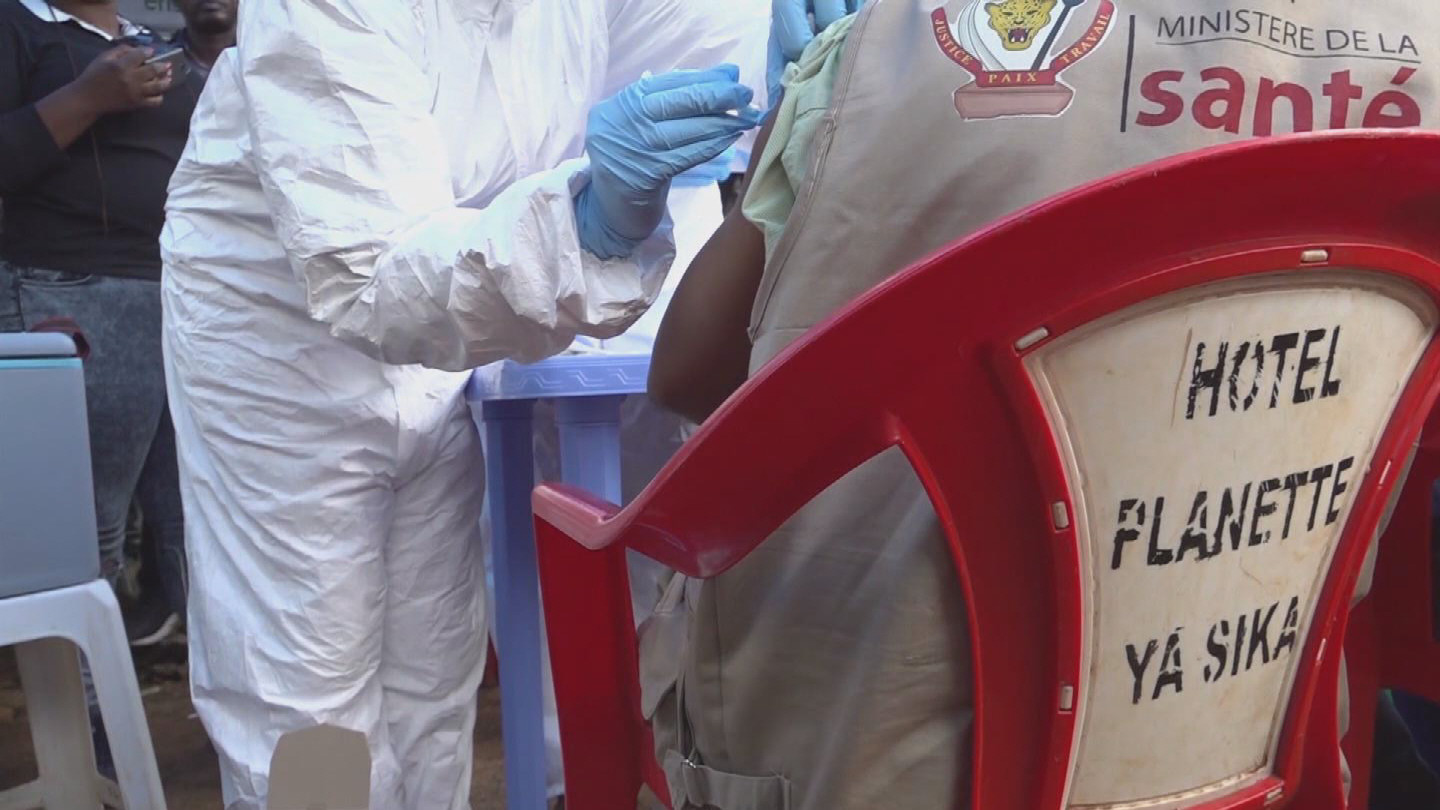
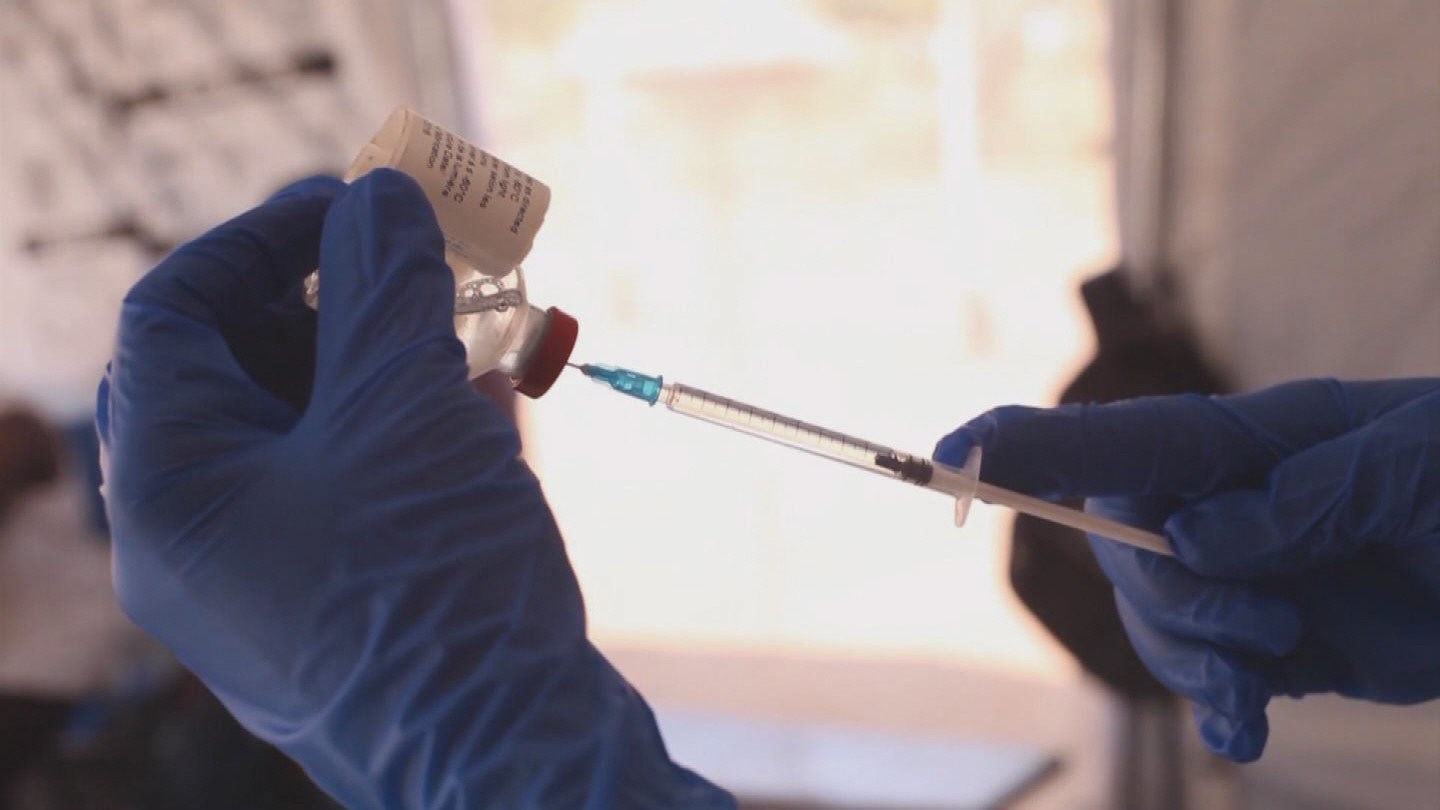
He said so far, “886 patients have recovered, even without approved therapeutics and vaccines, which are progressing in trials,” while “for the first time, two vaccines specifically designed against Bundibugyo virus have now entered phase one safety trials in humans.”
Dr Tedros said WHO has recommended inclusion of the vaccine in a phase three trial but noted that “we do not know whether this vaccine is efficacious against Bundibugyo disease in humans.”
He said the WHO-sponsored PARTNERS trial “has now reached the milestone of 100 patients,” and added that “this trial demonstrates that, even in the midst of a challenging outbreak, it is possible to mobilize research rapidly and responsibly.”
The WHO’s Chief Scientist, Dr Sylvie Briand, for her part said, “so far, they have been we have not seen any mutation on this virus. And probably, the course of the outbreak is currently much more explained by the context in which the virus is circulating, which is an area of conflict with a lot of population mobility, very difficult situation in the ground and a lot of difficulties, in fact, to a break chain of transmission because of the social and economic context in this part of DRC.”
Turning to the issue of vaccine scepticism in the United States, Dr Tedros said, “WHO is concerned that the changes to immunization policy in the US are not aligned with the best science. Decades of evidence have shown when children are most vulnerable to disease, when vaccines provide the strongest protection, how many doses are needed, and which vaccines can safely be given together.”
He said, “evidence is reviewed continuously as new data emerge from across the globe. And the current evidence is unequivocal: vaccines – including the MMR vaccine – are safe and do not cause autism.”
Dr Tedros said, delaying vaccines or separating doses unnecessarily does not make vaccination safer and can leave children unprotected. Vaccination policy should be guided by rigorous, independent, and transparent review of the best available science, not by political influence.”