Media Home
 UN Web TV
 UN Audiovisual Library
 UN Photo
SOUTH SUDAN / UNMISS PATROL SOKARE
Download
There is no media available to download.
Share
STORY: SOUTH SUDAN / UNMISS PATROL SOKARE
TRT: 02:13
SOURCE: UNMISS
RESTRICTIONS: NONE
LANGUAGES: ENGLISH / NATS
DATELINE: 13 -17 SOKARE, CENTRAL EQUATORIA, SOUTH SUDAN
13 AUGUST 2026, SOKARE, CENTRAL EQUATORIA, SOUTH SUDAN
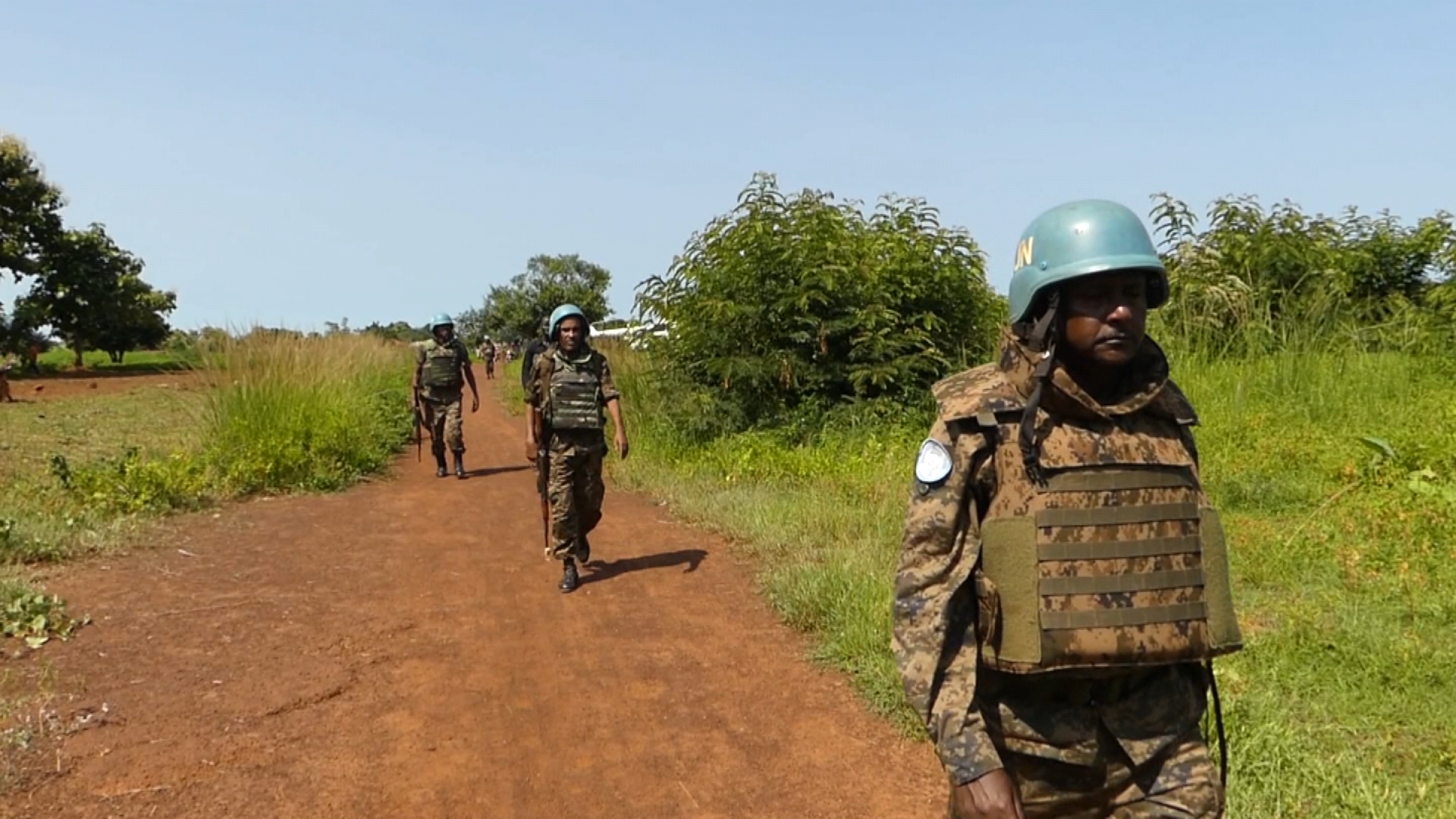
1. Various shots, road patrol
2. SOUNDBITE (English) Wani Jackson Mule, County Commissioner:
“So, the IDPs need to be supported with a lot of things. Number one is food, water, medical assistance, medicines, and non-food items like saucepans, blankets, so at least they can have a bit of relief, compared to the situation they are in now.”
15 AUGUST 2026, SOKARE, CENTRAL EQUATORIA, SOUTH SUDAN
3. Various shots, road patrol
4. Wide shot, IDP at Sokare
5. SOUNDBITE (English) Kila Grace Simon, Displaced Mother of Five:
“As we left a lot of our things there, the clothes are not there, children are not having clothes - and many children are losing their education. Because back there, many of the children were in the school, but currently here they are just loitering. As you can see, they are playing around the compound – because there is no school for them.”
6. Med shot, IDP
7. Various shots, meeting with priest at Sokare
8. SOUNDBITE (English) Col. Clarke Brown, Senior Military Adviser, United Nations:
“We left Juba on Thursday, and it took us almost 17 hours to cover 140 kilometres to Kajo Keji.”
17 AUGUST 2026, SOKARE, CENTRAL EQUATORIA, SOUTH SUDAN
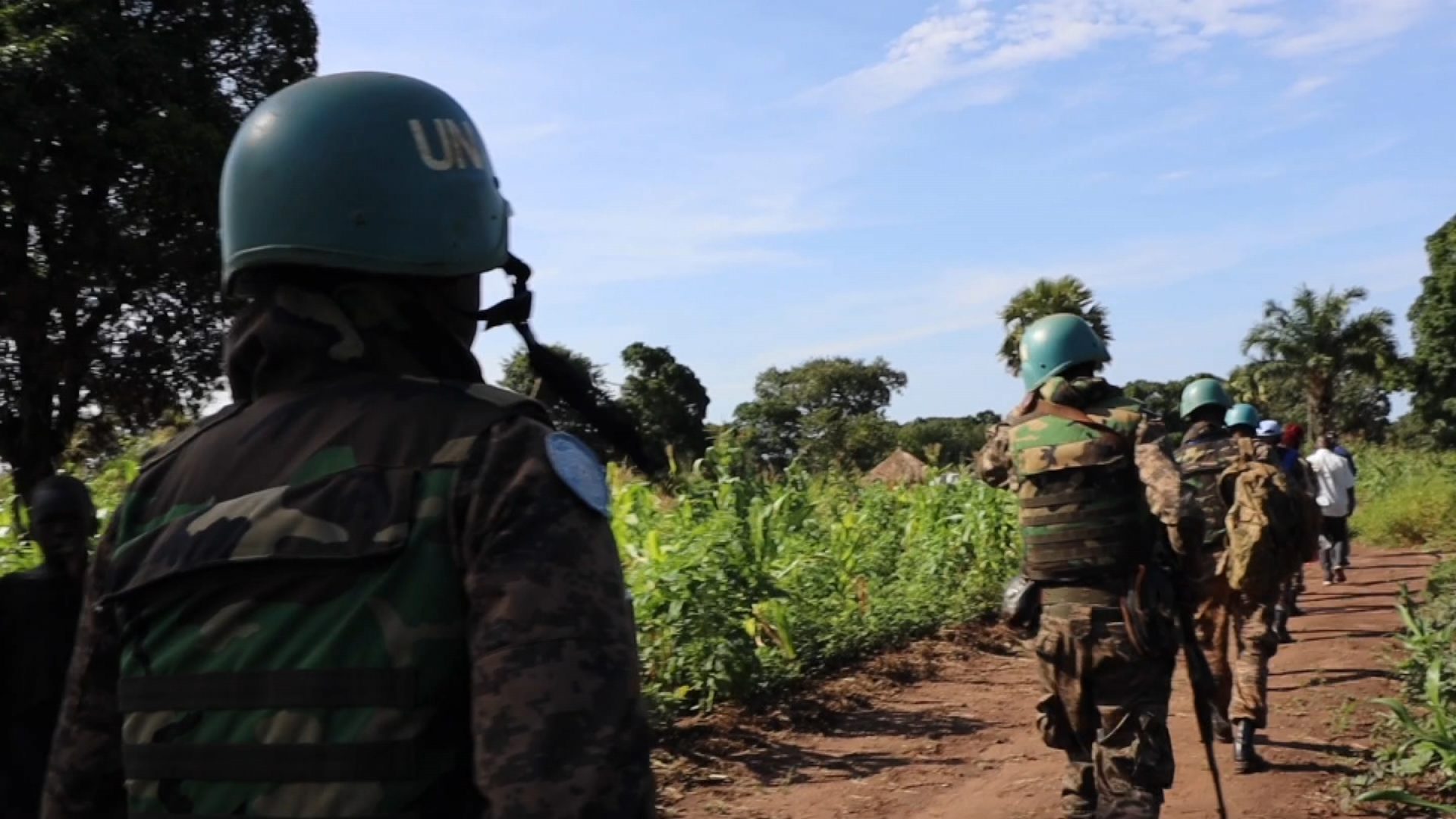
9. Various shots, soad patrol
For three days, 14 vehicles from the United Nations Mission in South Sudan (UNMISS) battled washed-out roads and punishing terrain to reach displaced families in Sokare, in Liwolo Payam, the first UNMISS road patrol to the area in three years.
A journey of just 140 kilometres took almost three days, with vehicles becoming stuck in deep ruts and one suffering a brake failure.
SOUNDBITE (English) Wani Jackson Mule, County Commissioner:
“So, the IDPs need to be supported with a lot of things. Number one is food, water, medical assistance, medicines, and non-food items like saucepans, blankets, so at least they can have a bit of relief, compared to the situation they are in now.”
After two days on the road, the patrol set off again, travelling another four hours before finally reaching Sokare.
At the Episcopal Diocese of Liwolo, around 1,000 displaced families were sheltering. For the UNMISS team, reaching Sokare was not just about completing a difficult journey. It was about hearing directly from families who had been forced to leave their homes and could no longer harvest their crops.
SOUNDBITE (English) Kila Grace Simon, Displaced Mother of Five:
“As we left a lot of our things there, the clothes are not there, children are not having clothes - and many children are losing their education. Because back there, many of the children were in the school, but currently here they are just loitering. As you can see, they are playing around the compound – because there is no school for them.”
Food, healthcare, shelter, and education were among the urgent concerns raised by families. The UNMISS team also met local authorities and security officials to better understand the situation and identify what support is needed.
SOUNDBITE (English) Col. Clarke Brown, Senior Military Adviser, United Nations:
“We left Juba on Thursday, and it took us almost 17 hours to cover 140 kilometres to Kajo Keji.”
After three days, the patrol team left Sokare with a clearer understanding of the security situation, the needs of displaced families and the support required.