Media Home
 UN Web TV
 UN Audiovisual Library
 UN Photo
OHCHR / MYANMAR HUMAN RIGHTS
Download
There is no media available to download.
Share
STORY: OHCHR / MYANMAR HUMAN RIGHTS
TRT: 03:25
SOURCE: OHCHR / UNTV CH
RESTRICTIONS: NONE
LANGUAGE: ENGLISH / NATS
DATELINE: 25 AUGUST 2026 GENEVA, SWITZERLAND / FILE
FILE - GENEVA, SWITZERLAND
1. Aerial shot, exterior, Palais des Nations
27 FEBRUARY 2026, GENEVA, SWITZERLAND
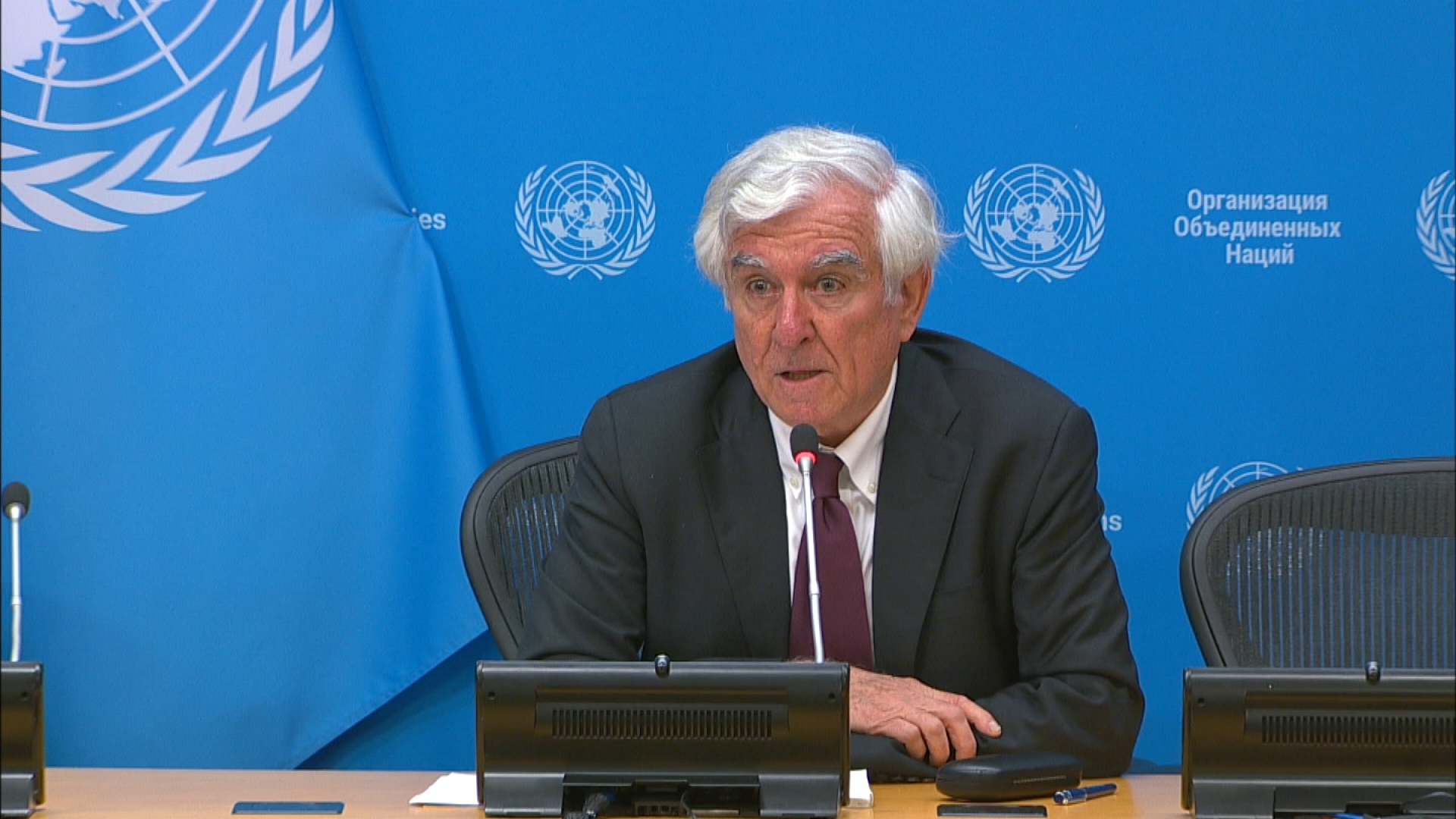
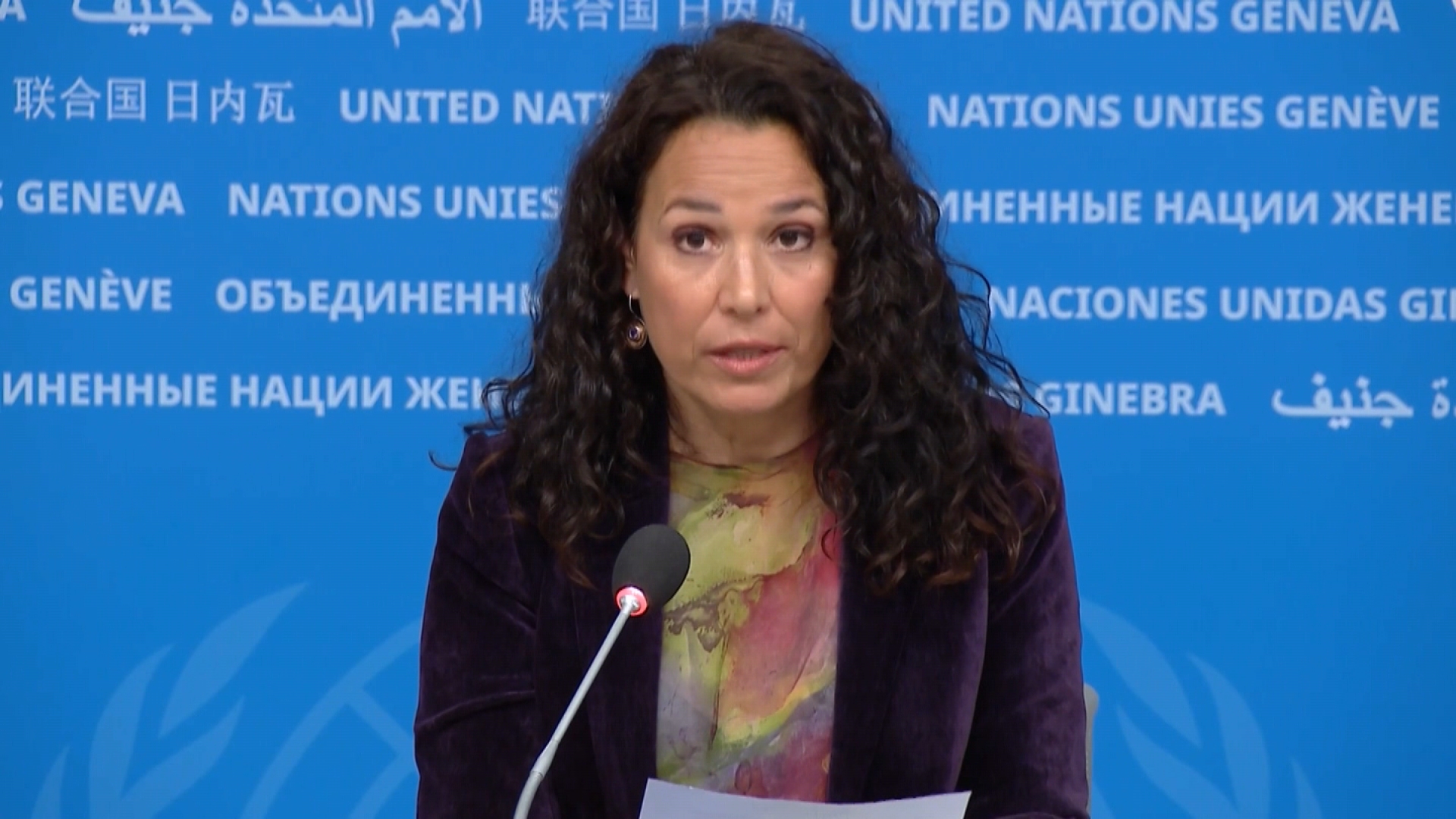
2. Wide shot, press briefing room
3. SOUNDBITE (English) Ravina Shamdasani, Spokesperson, Office of the UN High Commissioner for Human Rights (OHCHR):
“The human rights situation in Myanmar, has plummeted to a new low, from the ever-worsening brutal abuse of the Rohingya population to the devastating impact of illicit economies, notably illegal mining for rare earths.”
4. Wide shot, press briefing room
5. SOUNDBITE (English) Ravina Shamdasani, Spokesperson, Office of the UN High Commissioner for Human Rights (OHCHR):
“Our report details how unrelenting violence and a ‘conflict economy’ work hand-in-hand to expose civilian populations to untold misery. Military tactics aimed at imposing fear and control, facilitated by the use of new technologies to expand surveillance, permeate every aspect of life.”
6. Wide shot, press briefing room
7. SOUNDBITE (English) Ravina Shamdasani, Spokesperson, Office of the UN High Commissioner for Human Rights (OHCHR):
“Highlighting acts of military violence against the civilian population, our report notes the persistent use of airstrikes, arson attacks, displacement and denial of assistance. It also details the commission – by both the Myanmar military and the “Arakan Army” – of widespread and systematic violations and abuses against the Rohingya, nine years since the terrible violence of 2017 that forced hundreds of thousands to flee. “
8. Wide shot, press briefing room
9. SOUNDBITE (English) Ravina Shamdasani, Spokesperson, Office of the UN High Commissioner for Human Rights (OHCHR):
“Across northern Rakhine, the Arakan Army has perpetrated arbitrary arrests, torture, sexual and gender-based violence, enforced disappearance, forced labour and recruitment, unlawful confiscation of land and residential property, and the destruction of villages, religious and cultural sites, caused renewed Rohingya displacement.”
10. Med shot, dais
11. SOUNDBITE (English) Ravina Shamdasani, Spokesperson, Office of the UN High Commissioner for Human Rights (OHCHR):
“Children are systematically used for labour, with witnesses describing workers as young as six years old clearing jungle, constructing buildings and doing menial work for Rakhine families. In one case, a child was forced to clear bones and skulls of victims of a massacre.”
12. Wide shot, press briefing room
13. SOUNDBITE (English) Ravina Shamdasani, Spokesperson, Office of the UN High Commissioner for Human Rights (OHCHR):
“And once detained, individuals reported being routinely subjected to ill-treatment with former detainees describing beatings with bamboo, rubber pipes, and belts; being burned with matches and cigarettes; being hung upside down with their bodies spun until they passed out; chili being applied to genitals; and removal of fingernails.”
14. Med shot, interpreter’s booth
15. SOUNDBITE (English) Ravina Shamdasani, Spokesperson, Office of the UN High Commissioner for Human Rights (OHCHR):
“Economic collapse and conflict-induced displacement have also generated a labour market that is easy for economic actors and criminal organizations to exploit, as civilians are lured into a system marred by endless human rights violations and abuses.”
16. Wide shot, interpreter’s booths
17. SOUNDBITE (English) Ravina Shamdasani, Spokesperson, Office of the UN High Commissioner for Human Rights (OHCHR):
“Unregulated exploitation of natural resources has destroyed the environment, livelihoods, and traditional community-based systems in a growing number of areas in the country, and particularly minority areas. Findings indicated a peak in trade flows in 2023 amounting to USD 1.4 billion.”
18. Wide shot, press briefing room
19. SOUNDBITE (English) Ravina Shamdasani, Spokesperson, Office of the UN High Commissioner for Human Rights (OHCHR):
“This report depicts a picture of suffering, misery, and cruelty on multiple levels and across the country that is heartbreaking. We call on all States, companies and investors to undertake serious soul-searching with respect to their actions – or inaction; to ask: is this fair and just for the people of Myanmar? Their own reputations and their credibility are on the line.”
20. Wide shot, press briefing room
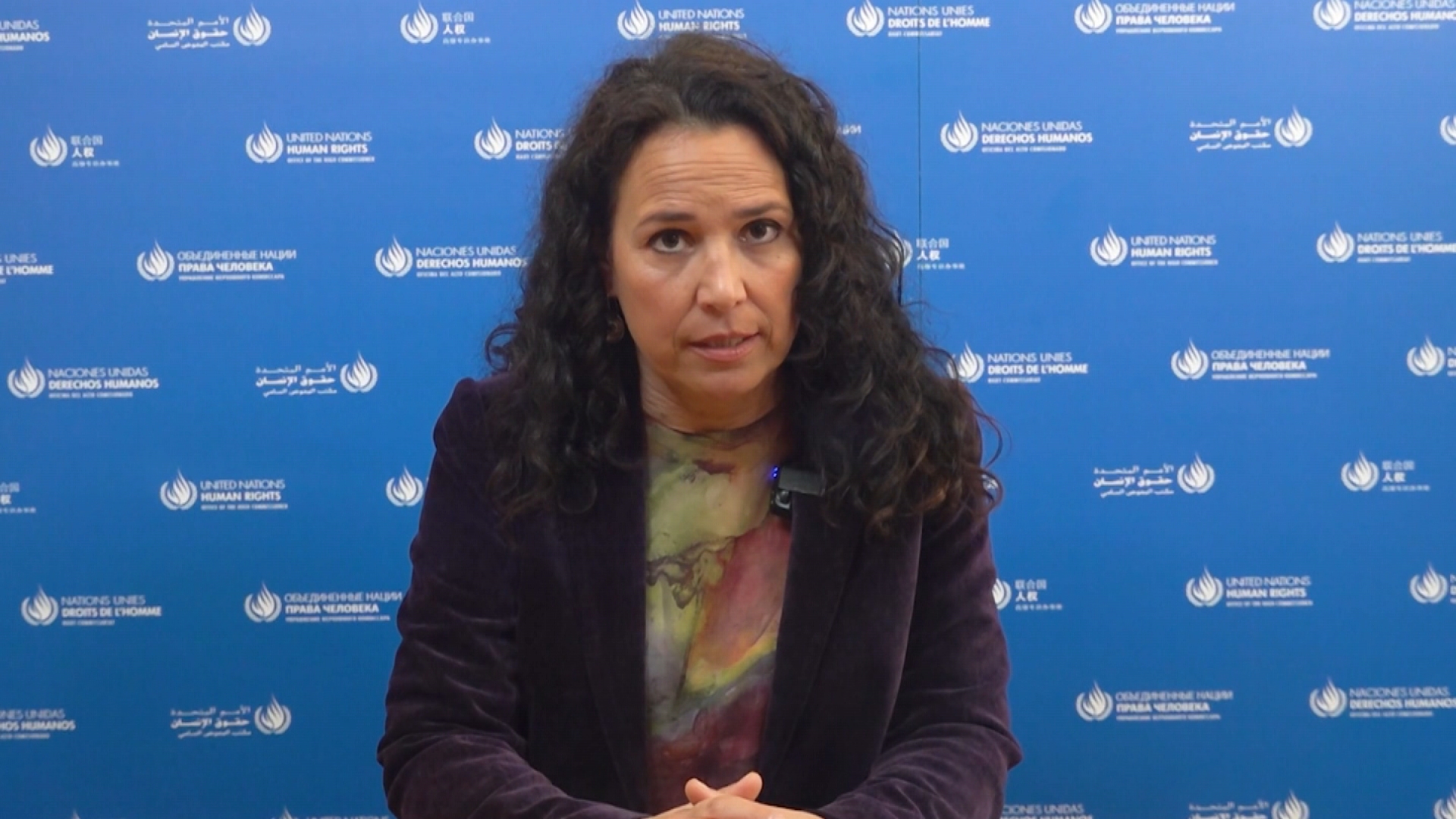
At the bi-weekly press briefing today (25 Aug) in Geneva, UN Human Rights Spokesperson Ravina Shamdasani said the human rights situation in Myanmar, “has plummeted to a new low, from the ever-worsening brutal abuse of the Rohingya population to the devastating impact of illicit economies, notably illegal mining for rare earths.”
Shamdasani said a new report from the Office of the UN High Commissioner for Human Rights (OHCHR), “details how unrelenting violence and a ‘conflict economy’ work hand-in-hand to expose civilian populations to untold misery.”
The report, she said, “notes the persistent use of airstrikes, arson attacks, displacement and denial of assistance. It also details the commission – by both the Myanmar military and the “Arakan Army” – of widespread and systematic violations and abuses against the Rohingya, nine years since the terrible violence of 2017 that forced hundreds of thousands to flee.”
The spokesperson said, “across northern Rakhine, the Arakan Army has perpetrated arbitrary arrests, torture, sexual and gender-based violence, enforced disappearance, forced labour and recruitment, unlawful confiscation of land and residential property, and the destruction of villages, religious and cultural sites, caused renewed Rohingya displacement.”
She said, “children are systematically used for labour, with witnesses describing workers as young as six years old clearing jungle, constructing buildings and doing menial work for Rakhine families. In one case, a child was forced to clear bones and skulls of victims of a massacre.”
Shamdasani described how, “once detained, individuals reported being routinely subjected to ill-treatment with former detainees describing beatings with bamboo, rubber pipes, and belts; being burned with matches and cigarettes; being hung upside down with their bodies spun until they passed out; chili being applied to genitals; and removal of fingernails.”
She said, “economic collapse and conflict-induced displacement have also generated a labour market that is easy for economic actors and criminal organizations to exploit, as civilians are lured into a system marred by endless human rights violations and abuses.”
Shamdasani said, “unregulated exploitation of natural resources has destroyed the environment, livelihoods, and traditional community-based systems in a growing number of areas in the country, and particularly minority areas.”
The report, she continued, “depicts a picture of suffering, misery, and cruelty on multiple levels and across the country that is heartbreaking.”
The spokesperson called on all States, companies and investors “to undertake serious soul-searching with respect to their actions – or inaction; to ask: is this fair and just for the people of Myanmar? Their own reputations and their credibility are on the line.”