Media Home
 UN Web TV
 UN Audiovisual Library
 UN Photo
WHO / HEALTH ISSUES PRESSER
Download
There is no media available to download.
Share
STORY: WHO / HEALTH ISSUES PRESSER
TRT: 07:05
SOURCE: WHO
RESTRICTIONS: PLEASE CREDIT WHO ON SCREEN
LANGUAGE: ENGLISH / NATS
DATELINE: 02 SEPTEMBER 2026, GENEVA, SWITZERLAND / FILE
FILE - GENEVA, SWITZERLAND
1. Wide shot, exterior WHO Headquarters
02 SEPTEMBER 2026, GENEVA, SWITZERLAND
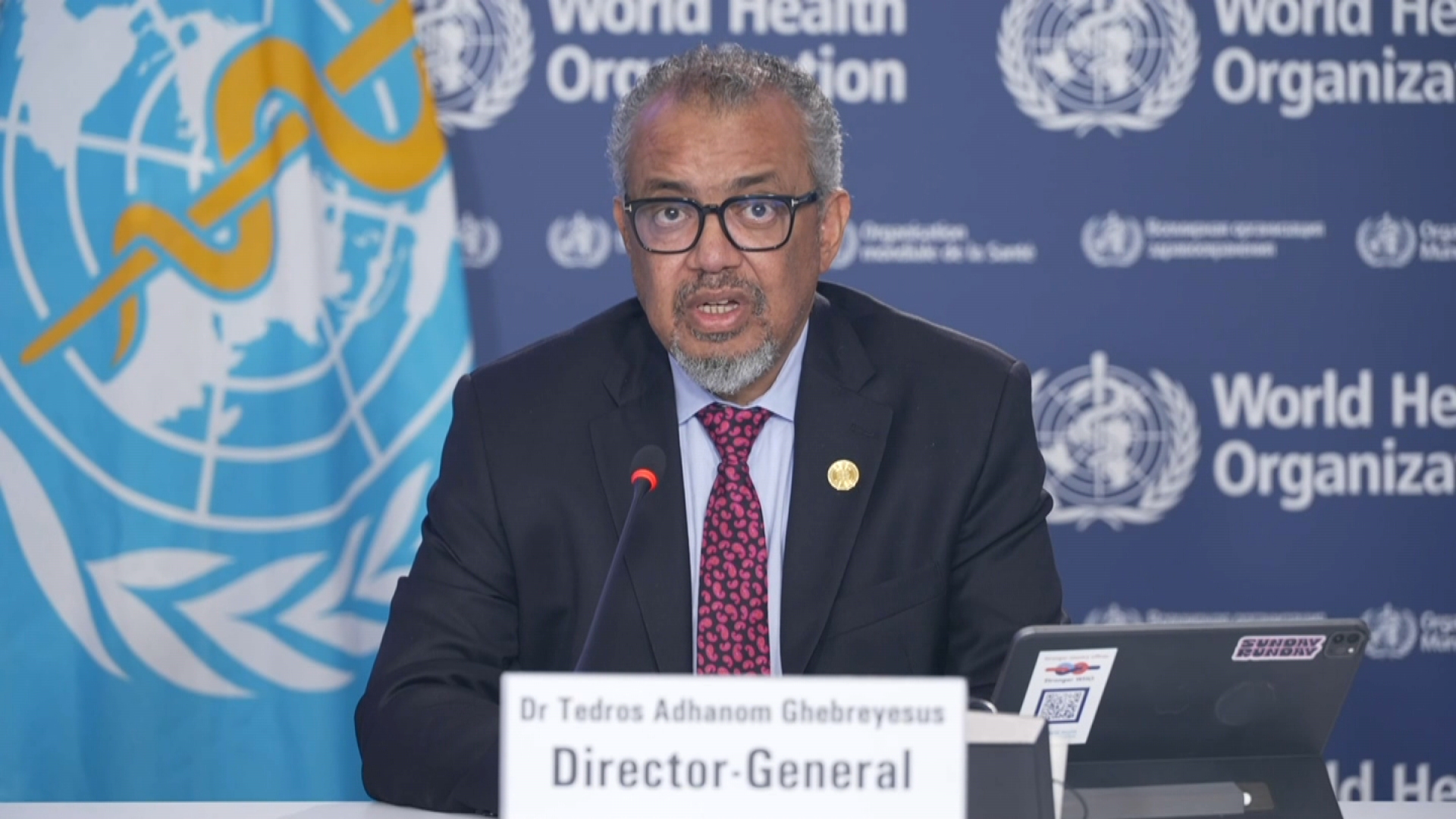
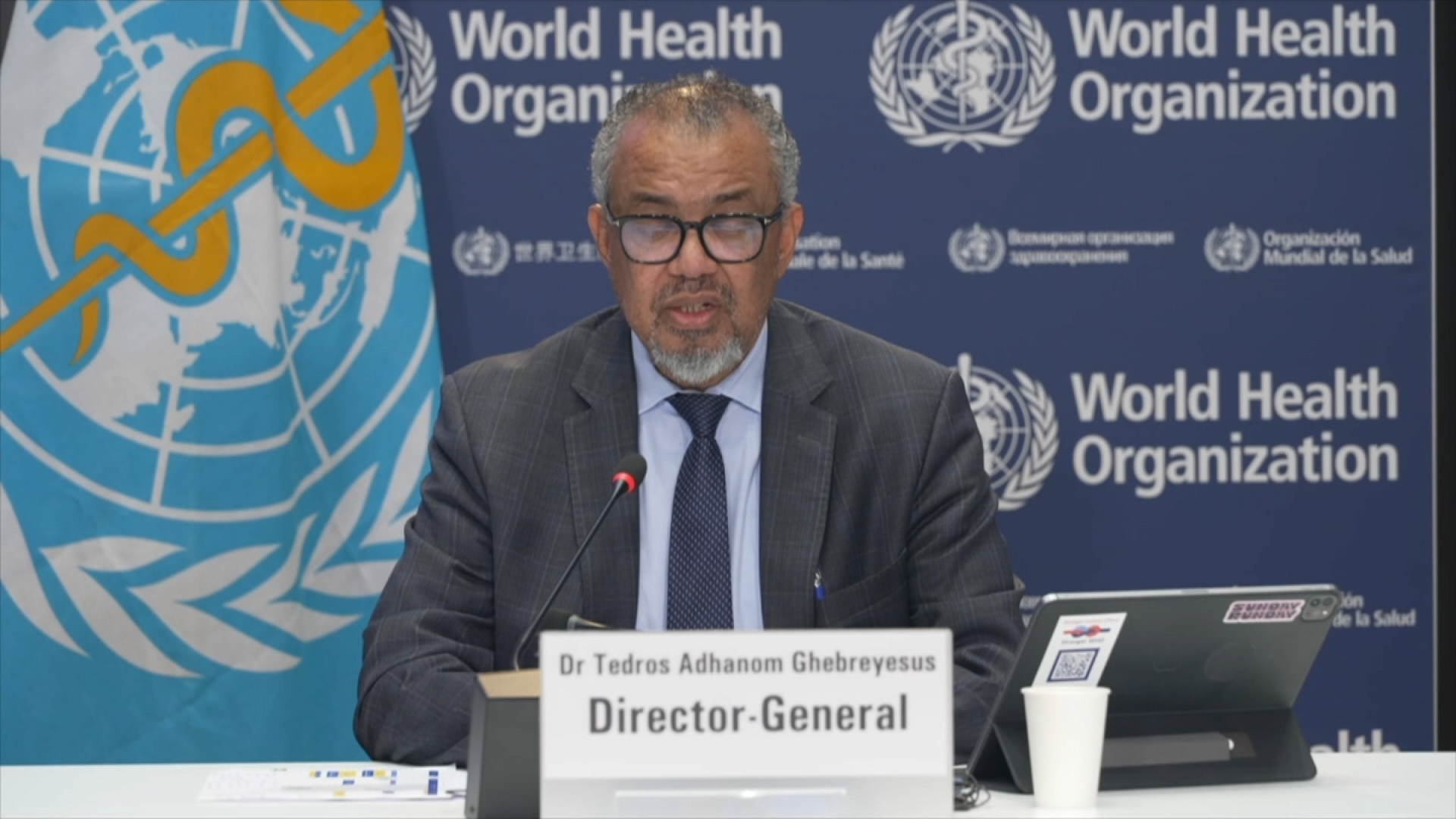
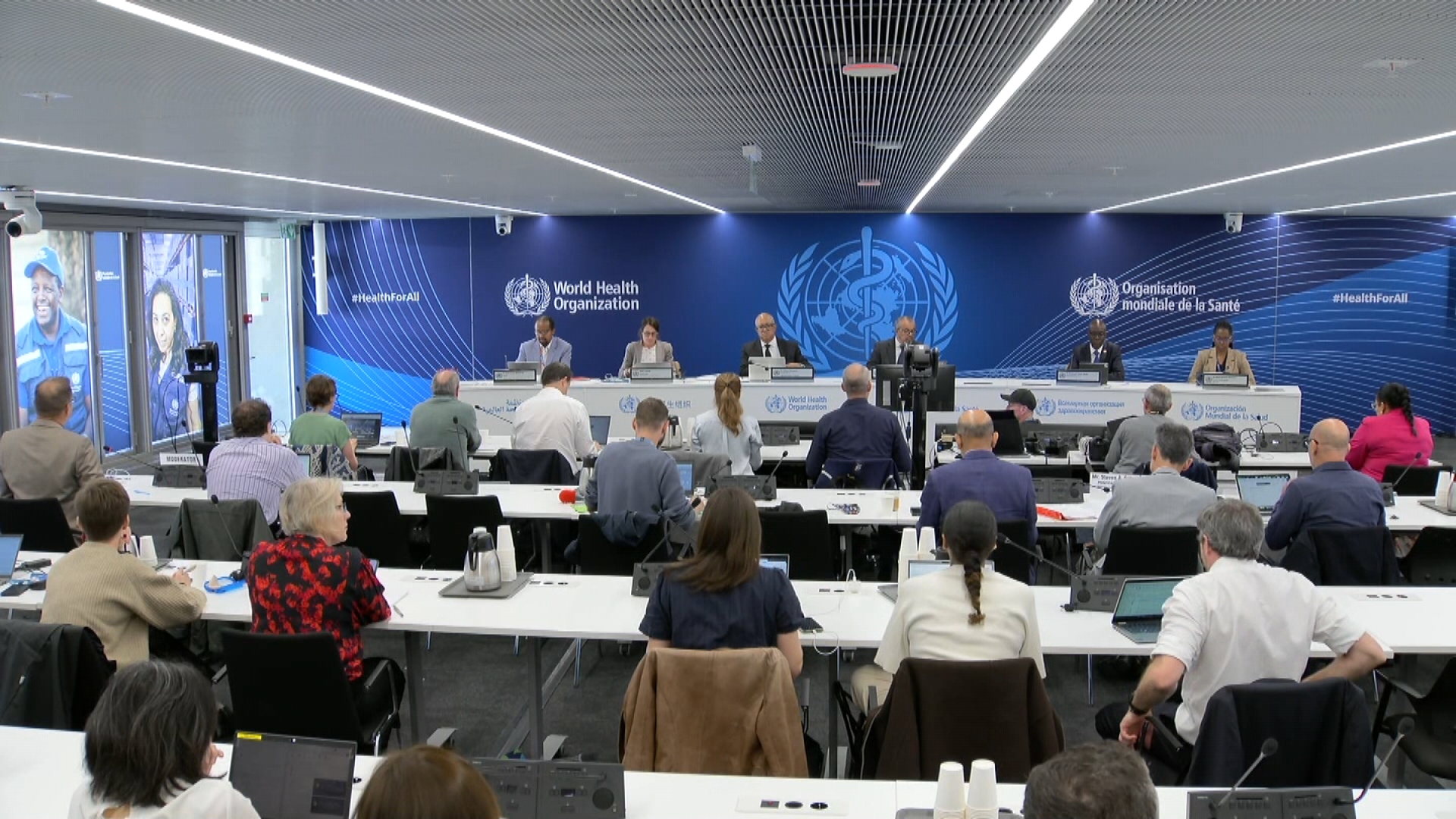
2. Wide shot, press room
3. SOUNDBITE (English) Dr Tedros Adhanom Ghebreyesus, Director-General, World Health Organization (WHO):
“The Ebola epidemic in the Democratic Republic of the Congo is already the second largest on record, and the fastest-moving that we have ever seen.”
4. Wide shot, press room
5. SOUNDBITE (English) Dr Tedros Adhanom Ghebreyesus, Director-General, World Health Organization (WHO):
“Yesterday the epidemic passed 6000 reported cases, and today it reached 3000 deaths. It now affects 60 health zones in six provinces, covering a huge geographic area. The province of Ituri remains the epicentre, accounting for 85 percent of cases and 88 percent of deaths.”
7. Wide shot, press room
8. SOUNDBITE (English) Dr Tedros Adhanom Ghebreyesus, Director-General, World Health Organization (WHO):
“Most concerningly, the majority of deaths are still happening in communities rather than in treatment centres; Many of those who die are not being buried safely, which is fuelling transmission; And many deaths are among people who were not on a list of known contacts. That means there are chains of transmission we don’t know about. Until every chain is found and broken, the epidemic will continue; And it will continue to pose a threat to DRC, its neighbours, and the region as a whole.”
9. Wide shot, press room
10. SOUNDBITE (English) Dr Tedros Adhanom Ghebreyesus, Director-General, World Health Organization (WHO):
“The epidemic cannot be separated from the humanitarian context in which it is occurring. This part of the DRC has suffered for decades from conflict, displacement, poverty and hunger.”
11. Wide shot, press room
12. SOUNDBITE (English) Dr Tedros Adhanom Ghebreyesus, Director-General, World Health Organization (WHO):
“One community leader, during my visit, asked me why the world seems to care about Ebola, but not about diarrheal disease, or malaria, or malnutrition, or conflict. It’s a fair question. All of this has contributed – understandably – to mistrust on the part of the local population. Earning and keeping community trust and community ownership is the single most important element in changing the trajectory of the epidemic.”
13. Wide shot, press room
14. SOUNDBITE (English) Dr Tedros Adhanom Ghebreyesus, Director-General, World Health Organization (WHO):
“Although we face many challenges, there are also many positives. WHO is working under the government’s leadership, and in partnership with Africa CDC and many others, to scale up every part of the response.”
15. Wide shot, press room
16. SOUNDBITE (English) Dr Tedros Adhanom Ghebreyesus, Director-General, World Health Organization (WHO):
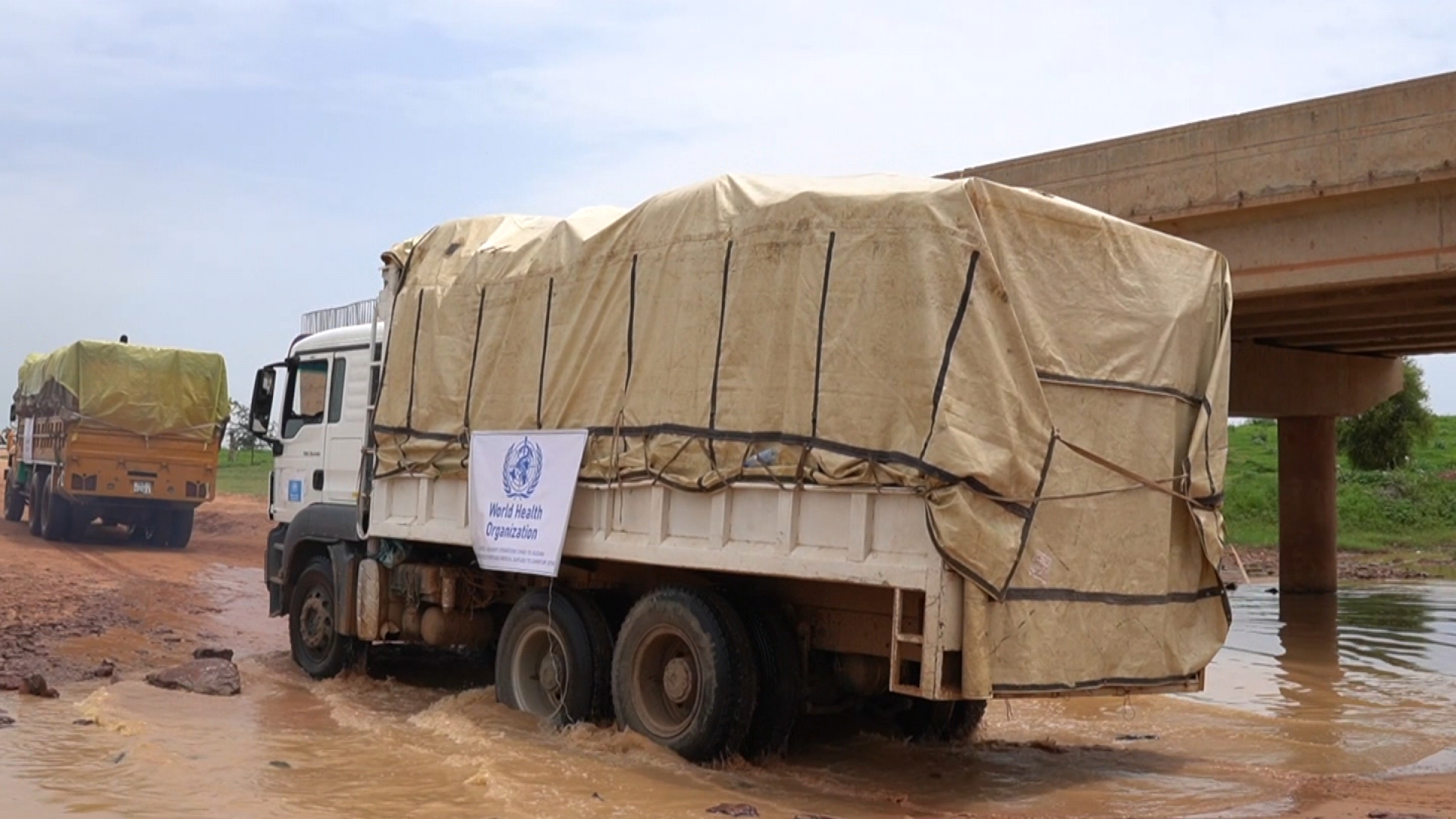
“WHO has shipped more than 330 tonnes of emergency supplies and deployed more than 300 experts. Laboratory capacity has expanded from one national reference lab to a network of 24 laboratories closer to affected communities. Testing capacity has expanded to 3000 tests per day. Treatment and isolation capacity has expanded to over 1300 beds across 49 treatment facilities; And we plan to triple bed capacity to 3000 beds in the next three months.”
17. Wide shot, press room
18. SOUNDBITE (English) Dr Tedros Adhanom Ghebreyesus, Director-General, World Health Organization (WHO):
“WHO and partners are also accelerating trials of vaccines and therapeutics. A trial of two treatments – called PARTNERS – has now enrolled more than 300 Ebola patients.”
19. Wide shot, press room
20. SOUNDBITE (English) Dr Tedros Adhanom Ghebreyesus, Director-General, World Health Organization (WHO):
“And another trial is testing the antiviral obeldesivir among people considered high-risk contacts of cases, to see whether that drug is effective in preventing disease after exposure to the virus. Two new vaccines against Bundibugyo virus are now in safety trials in the U.K. and Canada.”
21. Wide shot, press room
22. SOUNDBITE (English) Dr Tedros Adhanom Ghebreyesus, Director-General, World Health Organization (WHO):
“There is also an approved vaccine against Zaire ebolavirus – the species responsible for most previous Ebola outbreaks – but we do not know whether it is effective against Bundibugyo virus. Yesterday, WHO published emergency guidance on the use of this vaccine during outbreaks of Bundibugyo. WHO is working with partners to progress all three vaccines to efficacy trials in DRC, starting in October or November.”
23. Wide shot, press room
24. SOUNDBITE (English) Dr Tedros Adhanom Ghebreyesus, Director-General, World Health Organization (WHO):
“Now to Gaza, where the continues to deepen, with major public health risks growing as winter approaches.”
25. Wide shot, press room
26. SOUNDBITE (English) Dr Tedros Adhanom Ghebreyesus, Director-General, World Health Organization (WHO):
“Most people remain displaced in overcrowded tented camps. Overflowing sewage, accumulating waste and limited access to safe water are creating increasingly dangerous conditions. Water contamination is increasing, and cases of acute watery diarrhea have nearly doubled this year. With the onset of rains, flooding is likely to spread sewage and contaminated water through densely populated areas, increasing the risk of disease.”
27. Wide shot, press room
28. SOUNDBITE (English) Dr Tedros Adhanom Ghebreyesus, Director-General, World Health Organization (WHO):
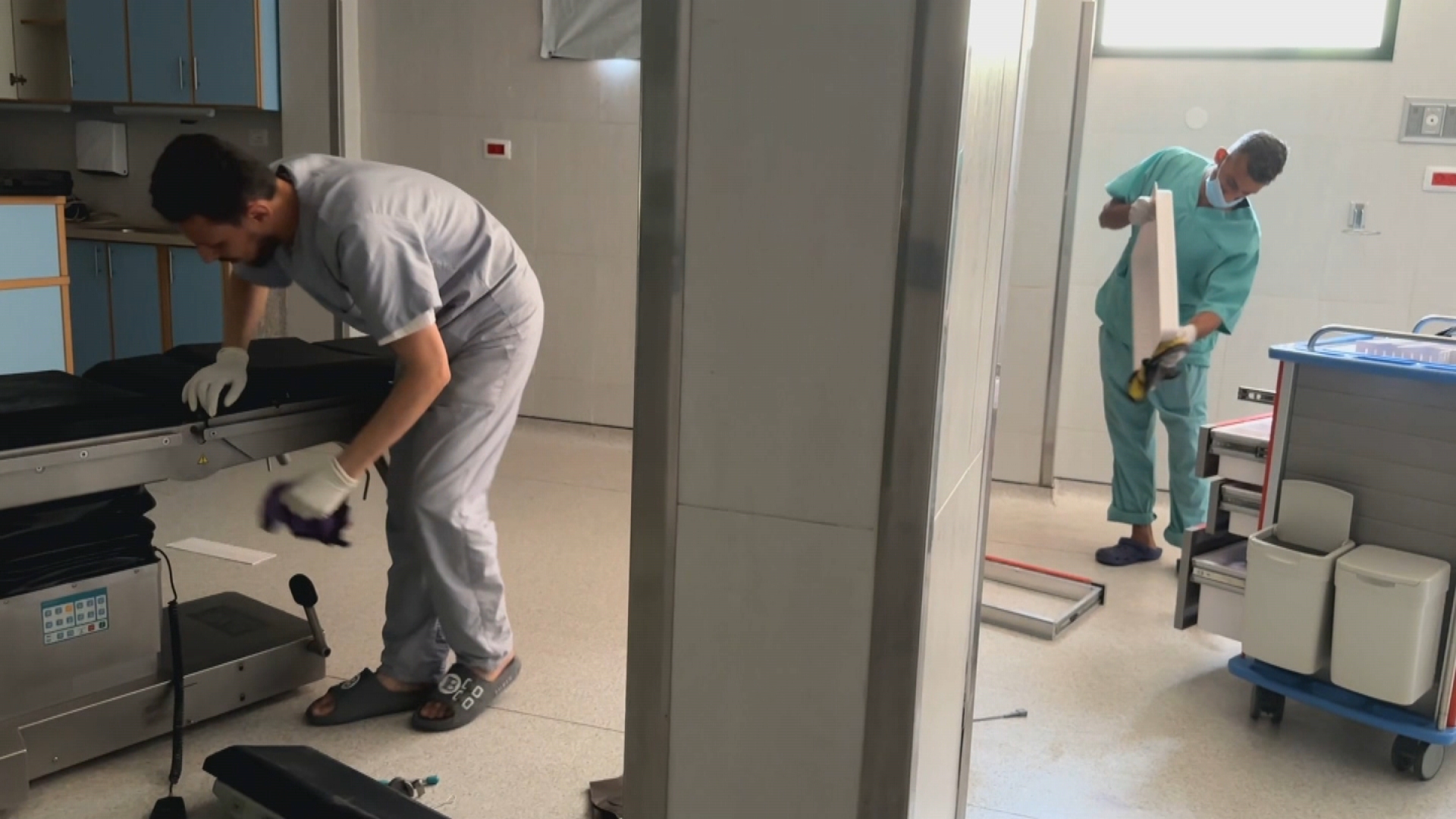
“Gaza’s already overwhelmed health system is not equipped to manage these surges. WHO continues to support disease surveillance and preparedness, but urgently needs access to critical laboratory and diagnostic supplies that remain restricted.”
29. Wide shot, press room
30. SOUNDBITE (English) Dr Tedros Adhanom Ghebreyesus, Director-General, World Health Organization (WHO):
“More than 6,600 people now require long-term rehabilitation and prosthetic or orthotic services following limb amputations. Although assistive devices such as wheelchairs and crutches have entered Gaza, WHO has not been allowed to send prosthetic and rehabilitation equipment into Gaza for more than two years. As a result, only a small proportion of those who have lost limbs have received prosthetic devices.”
31. Wide shot, press room
32. SOUNDBITE (English) Dr Tedros Adhanom Ghebreyesus, Director-General, World Health Organization (WHO):
“We again call for the unimpeded and expedited entry of essential medicines, rehabilitation equipment and public health supplies at the scale required to meet the needs of the Palestinians in Gaza.”
33. Wide shot, press room
34. SOUNDBITE (English) Dr Tedros Adhanom Ghebreyesus, Director-General, World Health Organization (WHO):
“Meanwhile, thousands of people urgently need medical treatment that is not available in Gaza. On Monday this week, WHO supported the medical evacuation of five children from Gaza to Romania and Belgium, with 14 companions. We call for the reopening of patient referral to health facilities in the West Bank, including East Jerusalem.”
35. Wide shot, press room
World Health Organization (WHO) Director-General said, “The Ebola epidemic in the Democratic Republic of the Congo is already the second largest on record, and the fastest moving that we have ever seen.”
Briefing reporters in Geneva today (2 Sep), Dr Tedros Adhanom Ghebreyesus said that yesterday the epidemic passed 6,000 reported cases, and today it reached 3000 deaths.
“It now affects 60 health zones in six provinces, covering a huge geographic area. The province of Ituri remains the epicentre, accounting for 85 percent of cases and 88 percent of deaths.”
“Most concerningly,” he continued, “the majority of deaths are still happening in communities rather than in treatment centres; Many of those who die are not being buried safely, which is fuelling transmission; And many deaths are among people who were not on a list of known contacts. That means there are chains of transmission we don’t know about. Until every chain is found and broken, the epidemic will continue; And it will continue to pose a threat to DRC, its neighbours, and the region as a whole.”
He highlighted, “The epidemic cannot be separated from the humanitarian context in which it is occurring. This part of the DRC has suffered for decades from conflict, displacement, poverty and hunger.”
He added, “One community leader, during my visit, asked me why the world seems to care about Ebola, but not about diarrheal disease, or malaria, or malnutrition, or conflict. It’s a fair question. All of this has contributed – understandably – to mistrust on the part of the local population. Earning and keeping community trust and community ownership is the single most important element in changing the trajectory of the epidemic.”
He also said, “Although we face many challenges, there are also many positives. WHO is working under the government’s leadership, and in partnership with Africa CDC and many others, to scale up every part of the response.”
He reported, “WHO has shipped more than 330 tonnes of emergency supplies and deployed more than 300 experts. Laboratory capacity has expanded from one national reference lab to a network of 24 laboratories closer to affected communities. Testing capacity has expanded to 3000 tests per day. Treatment and isolation capacity has expanded to over 1300 beds across 49 treatment facilities; And we plan to triple bed capacity to 3000 beds in the next three months.”
He said, “WHO and partners are also accelerating trials of vaccines and therapeutics. A trial of two treatments – called PARTNERS – has now enrolled more than 300 Ebola patients.”
He also said, “And another trial is testing the antiviral obeldesivir among people considered high-risk contacts of cases, to see whether that drug is effective in preventing disease after exposure to the virus. Two new vaccines against Bundibugyo virus are now in safety trials in the U.K. and Canada.”
He added, “There is also an approved vaccine against Zaire ebolavirus – the species responsible for most previous Ebola outbreaks – but we do not know whether it is effective against Bundibugyo virus. Yesterday, WHO published emergency guidance on the use of this vaccine during outbreaks of Bundibugyo. WHO is working with partners to progress all three vaccines to efficacy trials in DRC, starting in October or November.”
Regarding Gaza, he said, “Most people remain displaced in overcrowded tented camps. Overflowing sewage, accumulating waste and limited access to safe water are creating increasingly dangerous conditions. Water contamination is increasing, and cases of acute watery diarrhea have nearly doubled this year. With the onset of rains, flooding is likely to spread sewage and contaminated water through densely populated areas, increasing the risk of disease.”
He continued, “Gaza’s already overwhelmed health system is not equipped to manage these surges. WHO continues to support disease surveillance and preparedness but urgently needs access to critical laboratory and diagnostic supplies that remain restricted.”
He noted, “More than 6,600 people now require long-term rehabilitation and prosthetic or orthotic services following limb amputations. Although assistive devices such as wheelchairs and crutches have entered Gaza, WHO has not been allowed to send prosthetic and rehabilitation equipment into Gaza for more than two years. As a result, only a small proportion of those who have lost limbs have received prosthetic devices.”
He then called for “the unimpeded and expedited entry of essential medicines, rehabilitation equipment and public health supplies at the scale required to meet the needs of the Palestinians in Gaza.”
He concluded, “Meanwhile, thousands of people urgently need medical treatment that is not available in Gaza. On Monday this week, WHO supported the medical evacuation of five children from Gaza to Romania and Belgium, with 14 companions. We call for the reopening of patient referral to health facilities in the West Bank, including East Jerusalem.”