Media Home
 UN Web TV
 UN Audiovisual Library
 UN Photo
UNICEF / NEPAL FLOODS CHILDREN
Download
There is no media available to download.
Share
STORY: UNICEF / NEPAL FLOODS CHILDREN
TRT: 01:59
SOURCE: UNICEF
RESTRICTIONS: PLEASE CREDIT UNICEF ON SCREEN
LANGUAGE: NATS
DATELINE: 31 AUGUST 2026, NUWAKOT DISTRICT, NEPAL
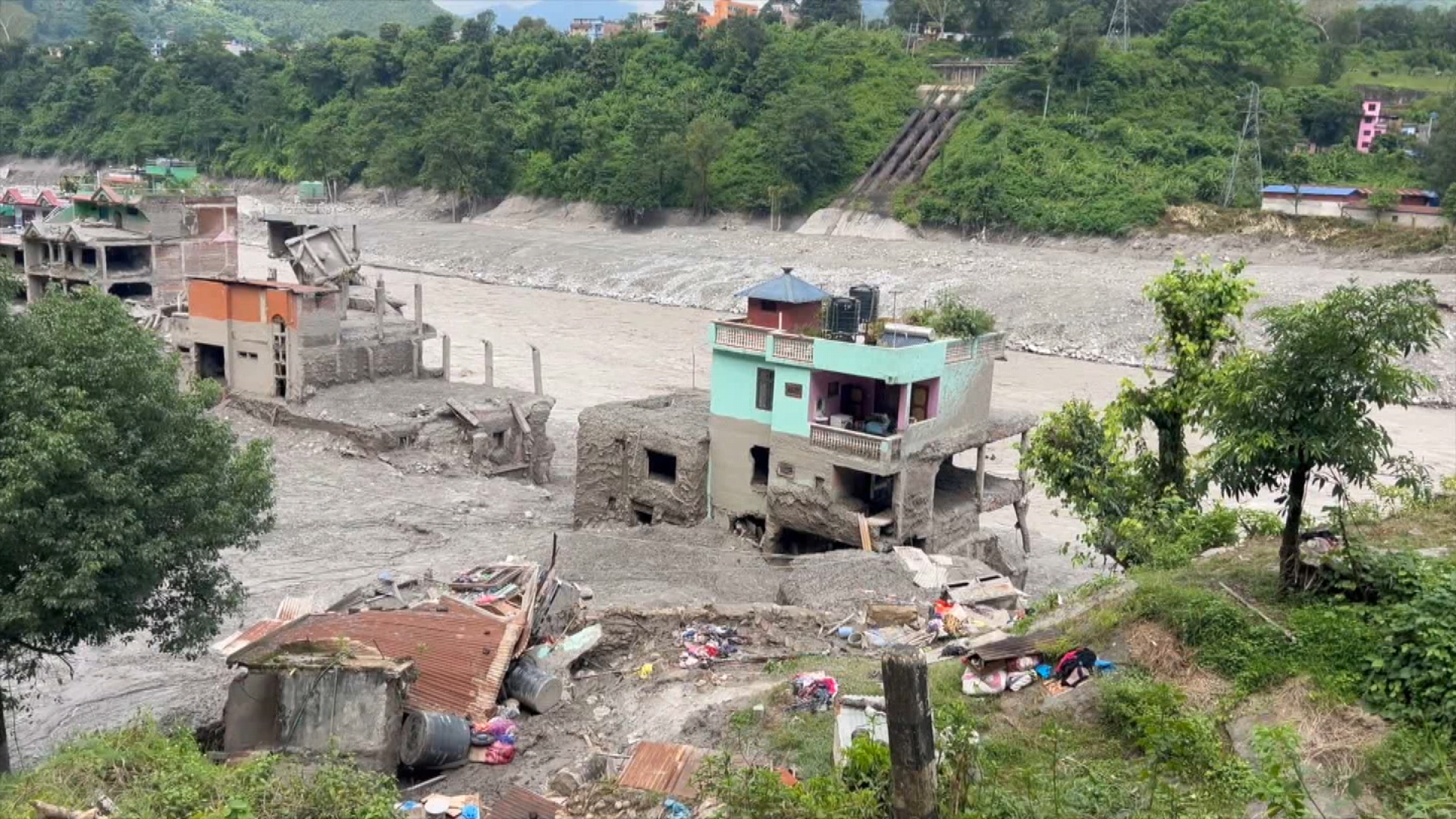
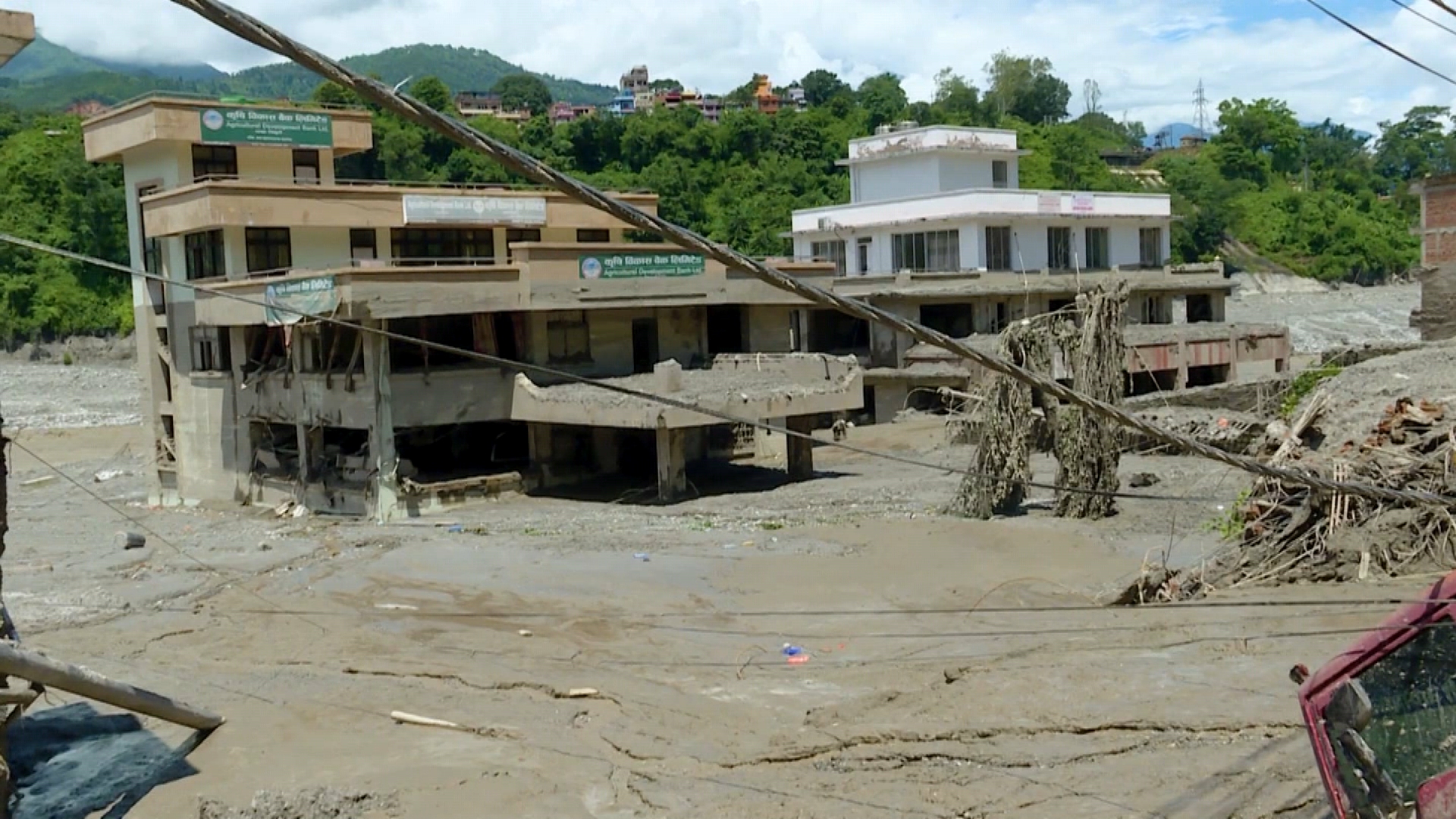
1. Wide shot, UNICEF staff in residential area affected by floods
2. Wide shot, river with water swelling
3. Wide shot, UNICEF staff at rivers edge
4. Wide shot, UNICEF staff speaking with residents
5. Med shot, UNICEF staff speaking with residents
6. Med shot, essential supplies unloaded from truck
7. Med shot, UNICEF staff organizing supplies for distribution
8. Wide shot, UNICEF staff speaking with residents, demonstrating items contained in hygiene kits
9. Med shot, residents listening to presentation
10. Close up, soap included in hygiene kits
11. Med shot, UNICEF staff explaining and demonstrating items contained in hygiene kits
12. Med shot, residents listening to presentation
13. Med shot, Naresh Nidal, Emergency Officer with UNICEF Nepal, demonstrates how to use Piyush water purification solution to make drinking water safer at a flood-affected community
14. Close up, water purification drops
15. Med shot, UNICEF staff explaining and demonstrating the water purification process
16. Wide shot, residents listening to presentation
17. Close up, water purification drops
18. Close up, child watching water purification process
19. Close up, resident watching purification process
20. Med shot, children unpacking hygiene kits
21. Med shot, children unpacking hygiene kits including items such as toothpaste, toothbrushes and menstrual items
22. Close up, child with water purification drops
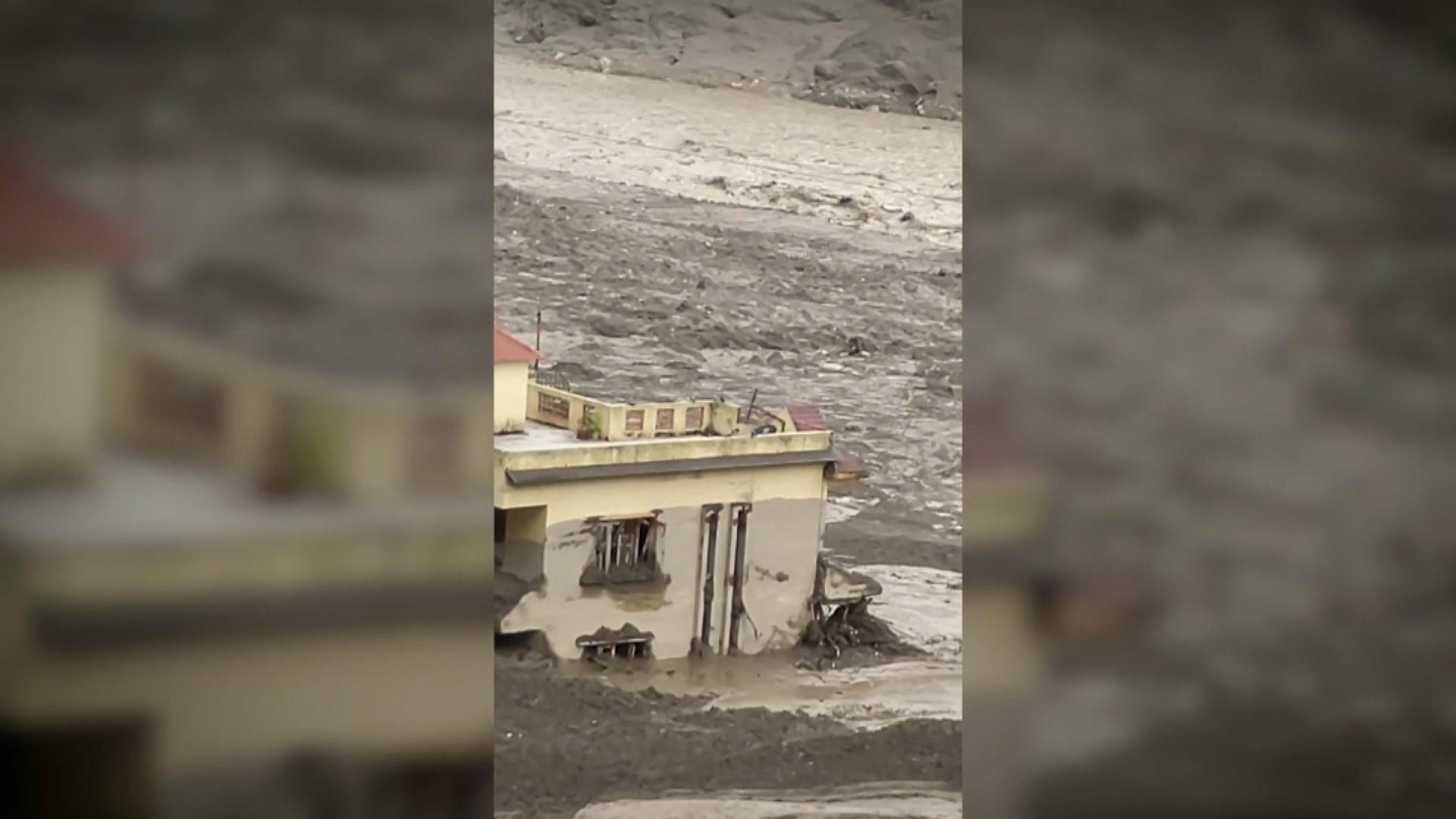
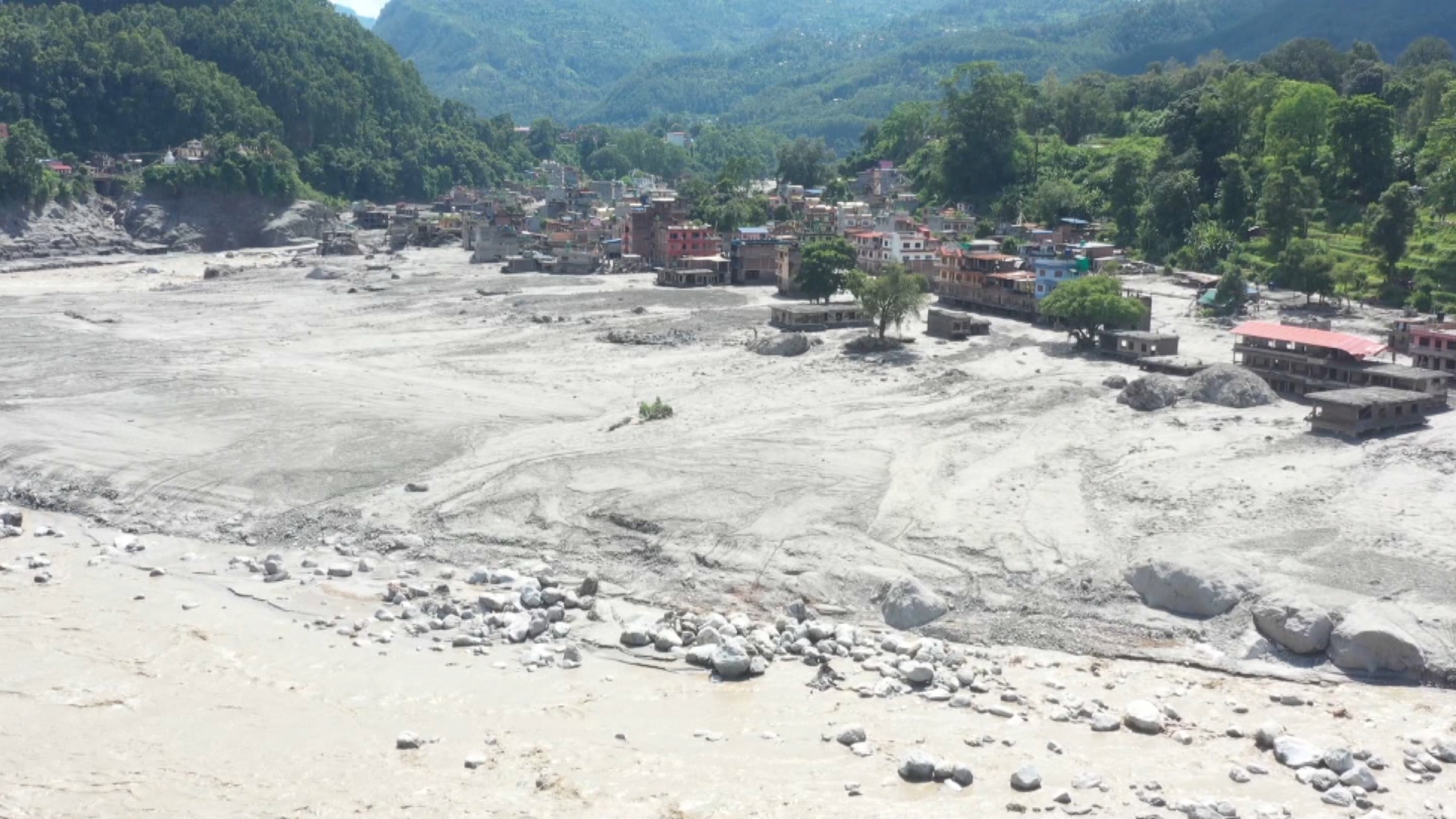
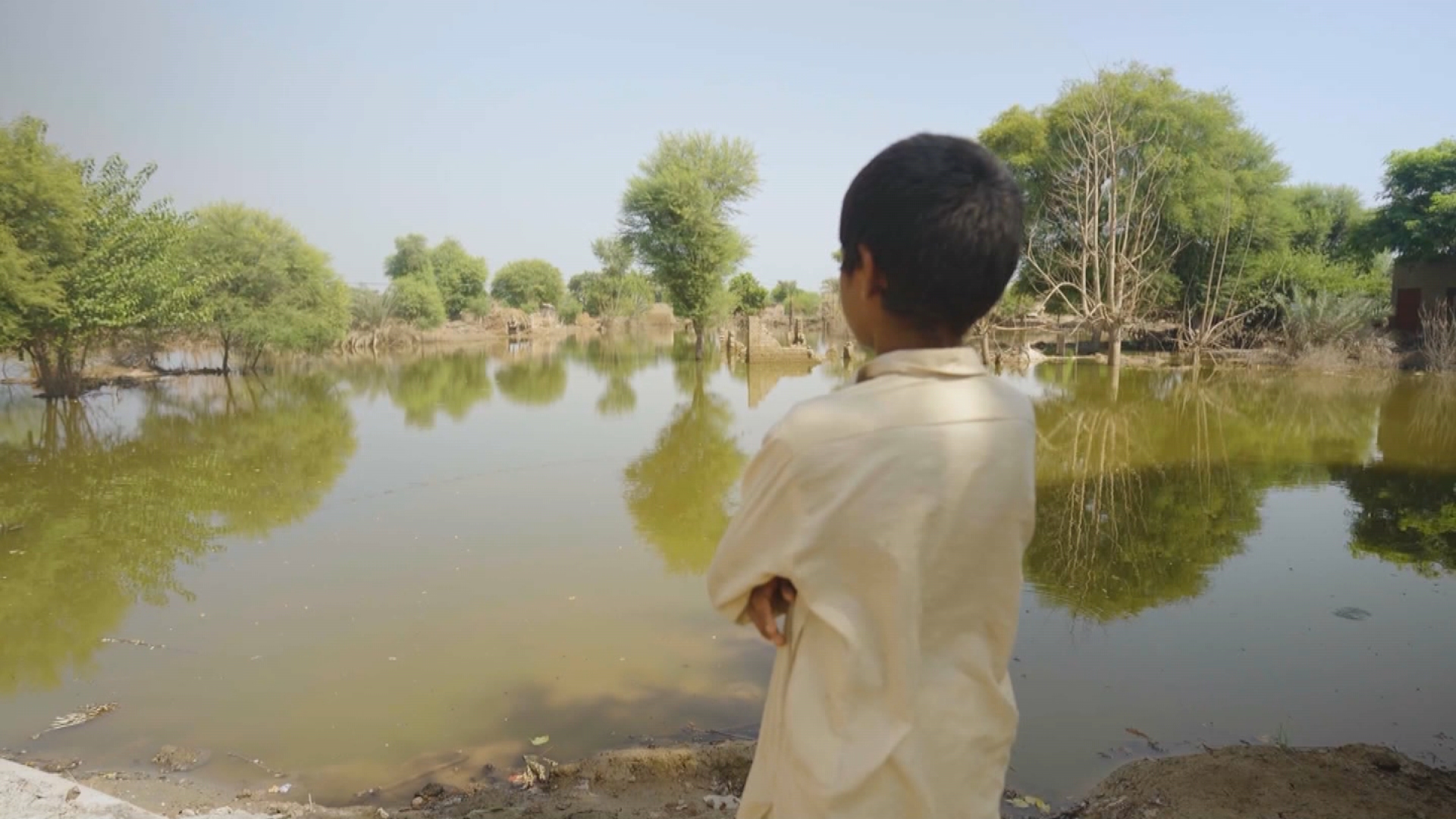
More than one week after flash floods swept down the Bhotekoshi-Trishuli river basin in Nepal, at least 22,000 children urgently need safe drinking water, sanitation, and hygiene support, according to UNICEF.
Water supply systems have been damaged across the affected districts, from community schemes to larger networks, while sanitation facilities have been damaged and destroyed. At the same time, families are crowded into host households and holding centres, creating conditions that raise the risk of waterborne and infectious disease outbreaks.
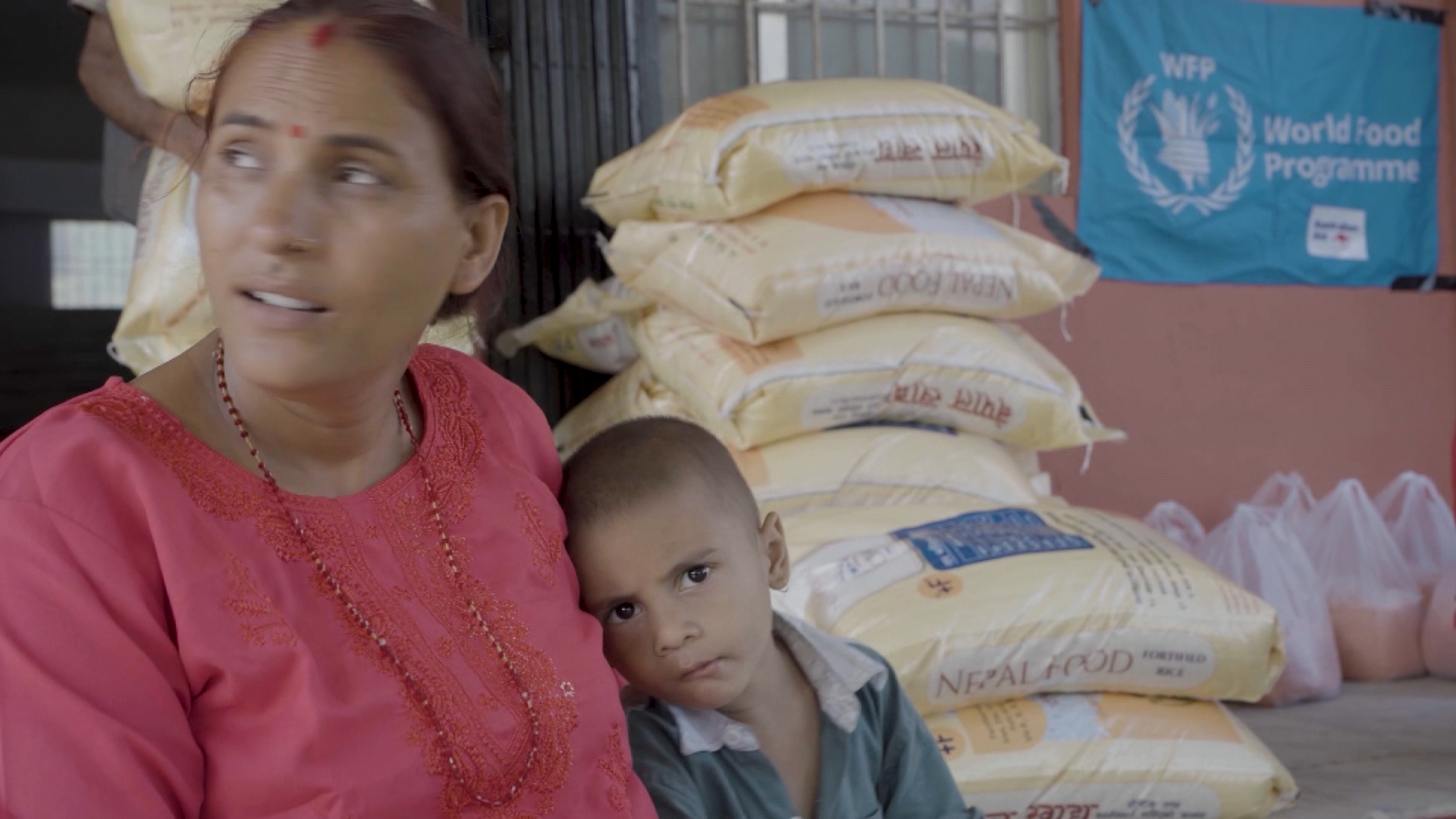
On 31 August 2026, a UNICEF truck arrived in Nuwakot District with essential supplies for children and families, including hygiene kits, buckets, jerrycans, water purification supplies and tarpaulins for creating safe spaces.
For families who have lost so much, these supplies are critical, helping provide safer drinking water, reduce the risk of disease and create safe spaces for children. UNICEF is working with the Government and partners to deliver these and other vital supplies to those most in need.
UNICEF has dispatched critical water, sanitation, and hygiene supplies for around 19,000 people in Rasuwa and Nuwakot. These include more than 3,800 hygiene kits, 3,300 collapsible 10-litre jerrycans, 3,500 buckets, 3,500 one-litre mugs, 4,000 bottles of water treatment solution, and more than 1,000 tarpaulin sheets.
UNICEF is working with government counterparts and partners on disease surveillance, hygiene promotion, and outbreak prevention, with messages on safe hygiene, water handling, and household water treatment being carried through mobile messaging, radio, social media, and community networks. Mobile subscribers can reach validated advisories without data charges, and a network of more than 600 practitioners is extending outreach into affected communities.
As access improves, UNICEF will scale up emergency water supply, household water treatment and water-quality monitoring, temporary sanitation and handwashing facilities, and essential hygiene and menstrual hygiene supplies in communities and holding centres.