Media Home
 UN Web TV
 UN Audiovisual Library
 UN Photo
UNICEF / CLIMATE HAZARDS SCHOOLING
Download
There is no media available to download.
Share
STORY: UNICEF / CLIMATE HAZARDS SCHOOLING
TRT: 01:09
SOURCE: UNICEF
RESTRICTIONS: PLEASE CREDIT UNICEF ON SCREEN
LANGUAGE: NATS
DATELINE: AUGUST – SEPTEMBER 2025, MUZAFFARABAD, PUNJAB / KHYBER PAKHTUNKHWA, PAKISTAN
AUGUST – SEPTEMBER 2025, MUZAFFARABAD, PUNJAB, PAKISTAN
1. Wide shot, child looking at flooded area
2. Wide shot, flooded and damaged school
3. Wide shot, residents wading through flood waters
4. Med shot, residents wading through flood waters
5. Wide shot, residents wading through flood waters
6. Wide shot, residents wading through flood waters
7. Close up, child opens schoolbooks damaged by flood waters
8. Med shot, child opens schoolbooks damaged by flood waters
AUGUST – SEPTEMBER 2025, KHYBER PAKHTUNKHWA, PAKISTAN
9. Wide shot, flood damaged roadway
10. Wide shot, flood damaged roadway
11. Wide shot, children playing in remnants of flood waters
12. Wide shot, damaged educational material in school courtyard
13. Med shot, damaged classroom
14. Wide shot, damaged classroom
15. Wide shot, damaged classroom
16. Wide shot, damaged school with flood level on exterior
17. Close up, damaged educational material in school classroom
18. Wide shot, damaged educational material in school courtyard
More than 171 million students globally – or 1 in 10 – from pre-primary to upper secondary age had their schooling disrupted by climate hazards in 2025, according to a new analysis released by UNICEF today (9 Sep).
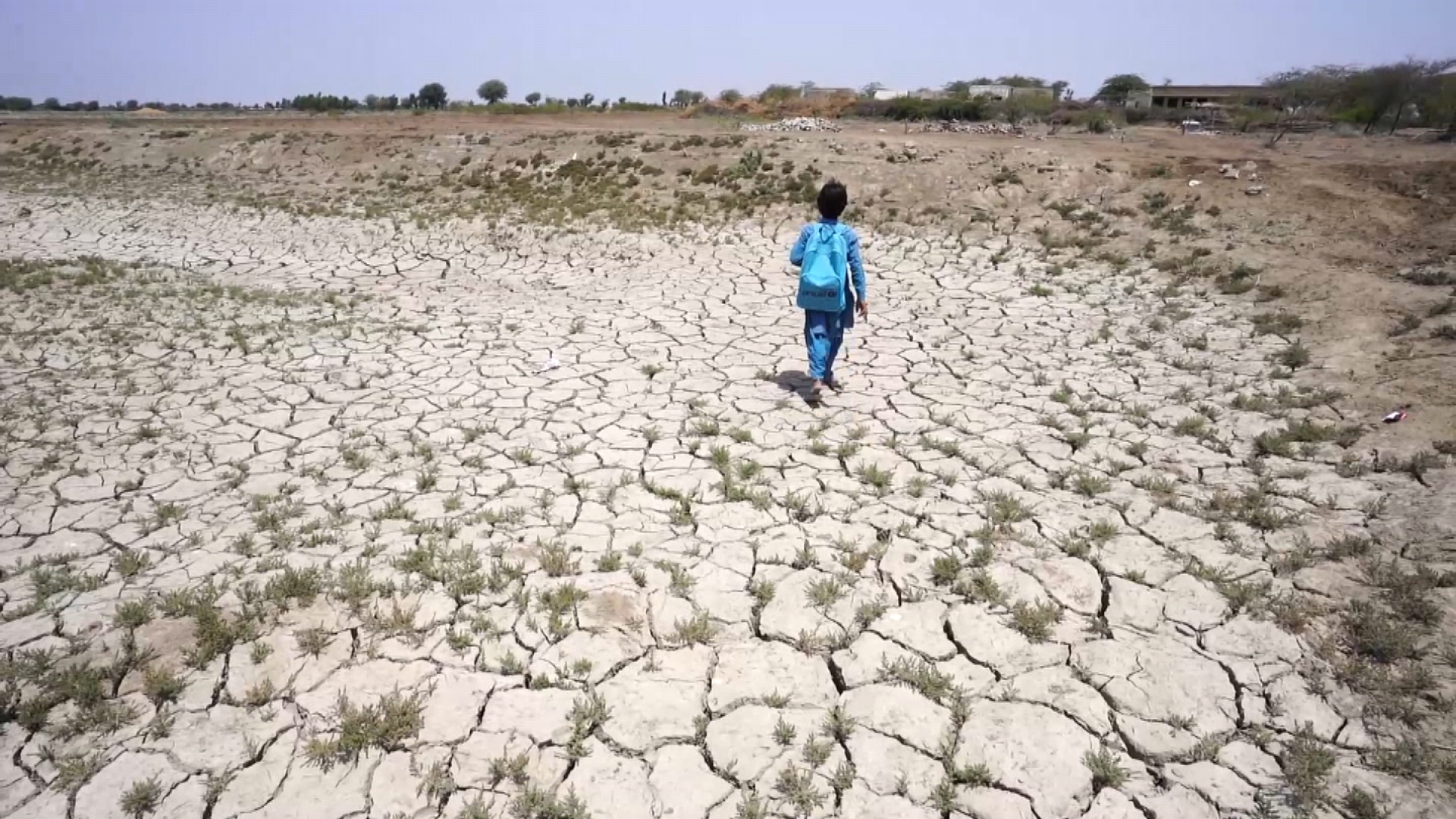
Learning Interrupted: Global Snapshot of Climate-Related School Disruptions in 2025 analyses data from 106 countries or territories and finds that climate hazards including storms, floods, heatwaves, droughts, and wildfires led to suspended classes, damaged schools, a shift to remote learning, shortened instructional time, reduced school attendance, and increased risk of dropout for millions of students worldwide.
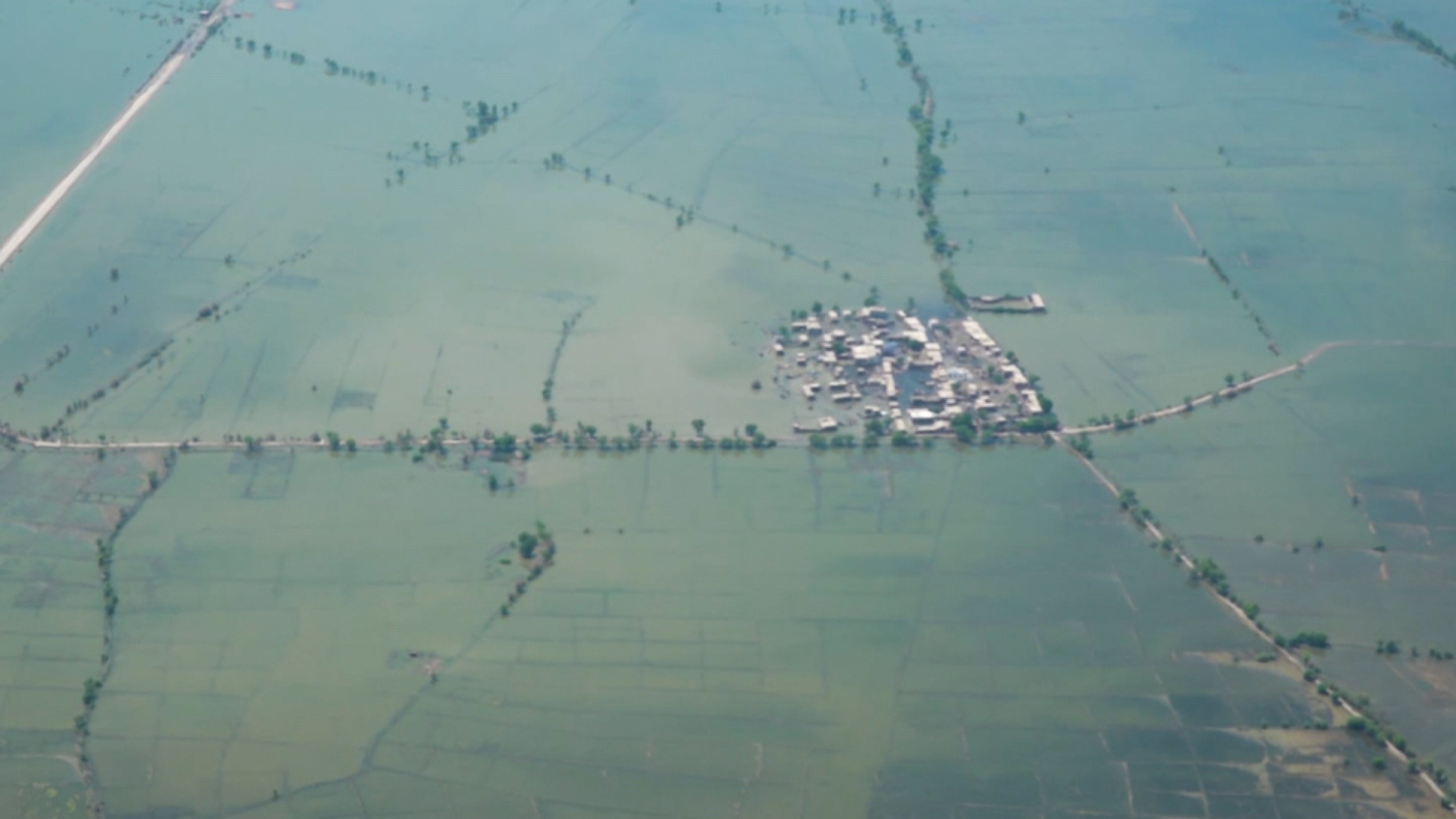
While students across all income levels were impacted by disruptions, three-quarters of students affected live in low- and lower-middle-income countries, where education systems often lack the resources needed to safeguard learning during climate-related emergencies. In Pakistan, for example – one of the most affected countries in the analysis – severe monsoon floods in August delayed the return to school for over 28 million students, making it one of the largest climate-related education disruptions recorded in 2025. While in Egypt, a powerful Khamsin (wind and dust) storm prompted a nationwide suspension of classes for one day in April, also affecting more than 28 million students.
According to the data, 40 countries experienced multiple rounds of climate-related school disruptions throughout the year. Madagascar, for example, faced rounds of drought, tropical cyclones, and floods affecting 280,000 students during the year. In Spain, more than 500,000 students in the Valencian Community were affected by storms in March, followed by post-tropical Cyclone Gabrielle in September.
For thousands of students across the rest of the country, extreme heat disrupted classes in May and June, and Storm Alice impacted schooling in October. Learning losses and higher school dropout rates can reduce workforce productivity, slow economic growth, and make it harder for countries to reduce poverty. The report finds that inaction could result in a potential loss of at least US$200 billion in lifetime earnings for students who experienced climate-related school disruptions in 2025. Girls are at greater risk of dropping out when climate hazards disrupt or close schools.
Damage to schools and sanitation facilities, displacement and lost family income can place additional caregiving and water-collection responsibilities on girls. These pressures can also increase the risk of child marriage, making it more difficult for girls to return to class when schools reopen. At the same time, the report highlights practical solutions that are already helping protect learning from climate hazards, including integrating climate resilience into national education planning, strengthening school infrastructure, ensuring learning continuity during and after disruptions, and embedding climate education into curricula to equip children and young people with the skills needed to adapt to a changing world.
Building on these proven approaches, UNICEF is calling on governments and partners to scale-up efforts and protect education from the worst impacts of climate hazards by strengthening the climate-resilience of education systems to support continuity of learning during emergencies; increasing domestic and international financing for education resilience; investing in climate-resilient educational infrastructure to protect students and educators; equipping children and young people with the knowledge and skills to build resilience and drive climate action; strengthening climate and education data systems to better anticipate, respond to, and recover from disruptions.