Media Home
 UN Web TV
 UN Audiovisual Library
 UN Photo
WFP / SOUTH SUDAN FOOD SECURITY
Download
There is no media available to download.
Share
STORY: WFP / SOUTH SUDAN FOOD SECURITY
TRT: 03:09
SOURCE: WFP
RESTRICTIONS: PLEASE CREDIT WFP ON SCREEN
LANGUAGE: NATS
DATELINE: 08, 09 SEPTEMBER, RENK, UPPER NILE STATE, SOUTH SUDAN
08 SEPTEMBER, RENK, UPPER NILE STATE, SOUTH SUDAN
1. Various shots, WFP conducts biometric registration and provides cash assistance to refugees and returnees at Renk Transit Centre
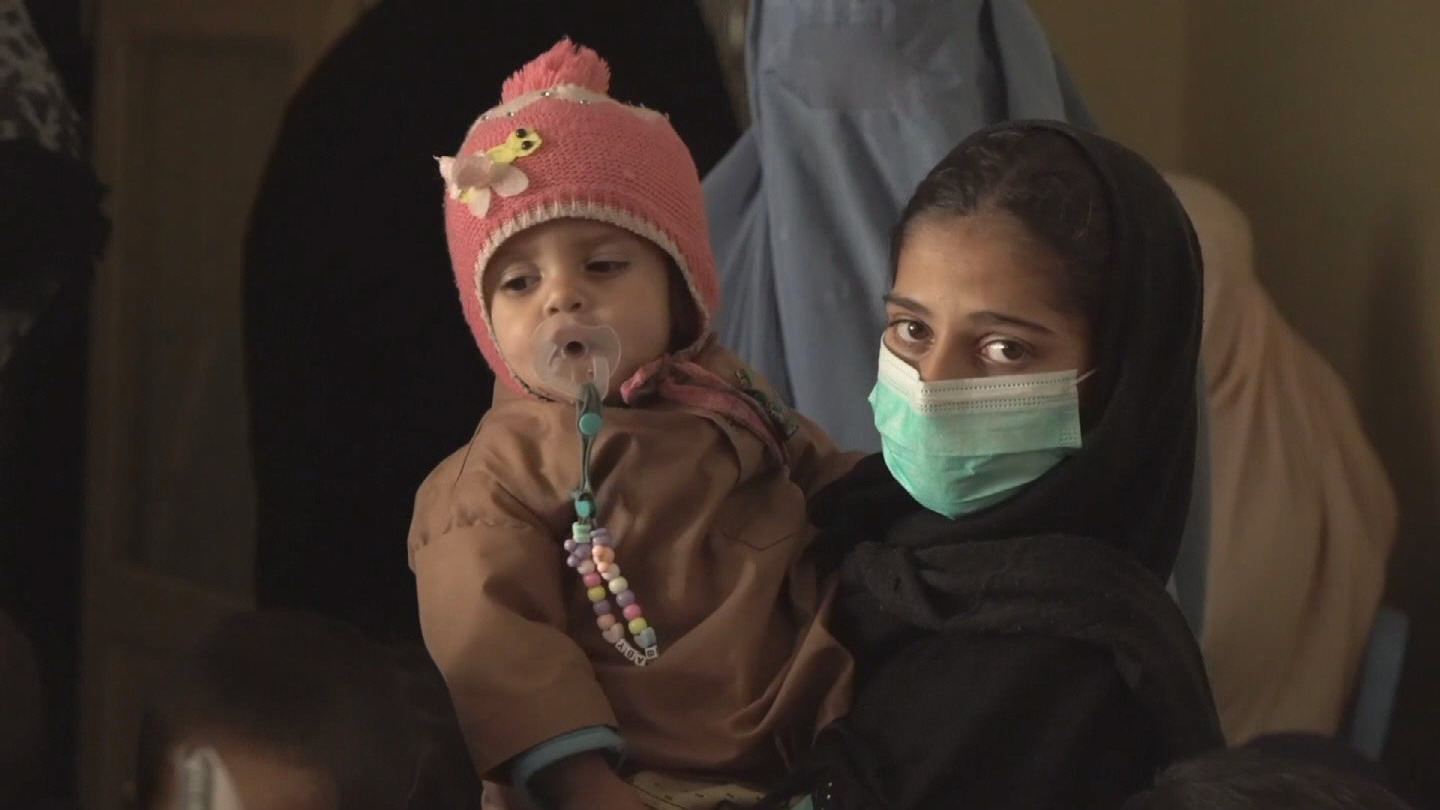
2. Various shots, women and children gather at a nutrition site inside Renk Transit Centre
3. Various shots, children playing inside Renk Transit Centre
4. Various shots, woman prepares a WFP nutrition supplement for her child inside Renk Transit Centre
5. Various shots, WFP truck carrying food supplies drives through Renk Transit Centre
6. Various shots, refugees arrive at Renk Transit Centre aboard a UNHCR bus
09 SEPTEMBER, RENK, UPPER NILE STATE, SOUTH SUDAN
7. Various shots, WFP conducts biometric registration and provides cash assistance to refugees and returnees in Malakal
8. Various shots, WFP barge transports food supplies along the White Nile River
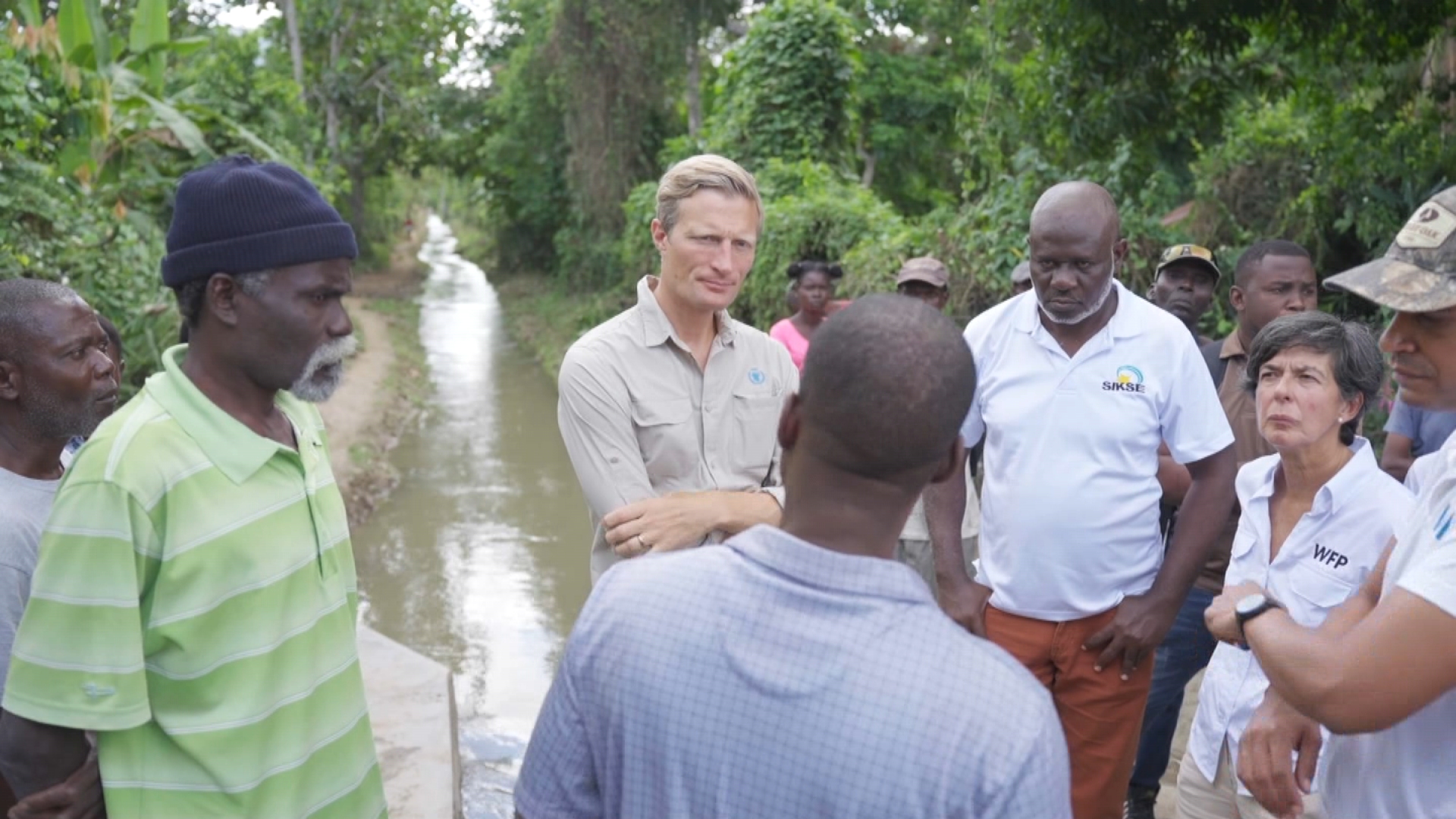
The World Food Programme’s (WFP) Assistant Executive Director for Programme Operations, Matthew Hollingworth, visited the WFP’s operation in Renk, South Sudan this week, as a severe funding cliff threatens to cut off life-saving assistance for more than one million vulnerable people.
Humanitarian needs continue to rise while resources are rapidly declining, jeopardizing critical food, nutrition and refugee response operations. Humanitarian agencies are hitting a severe funding cliff that will leave more than 1 million people completely without assistance in the coming weeks.
Food transported by river faces illegal checkpoints and informal taxation that significantly increase operational costs. At a time when every dollar matters, these checkpoints reduce the ability to stretch scarce humanitarian resources and deliver assistance efficiently to people in need.
7.8 million people are already struggling to find enough food, and the lack of urgent funding is forcing the
suspension of vital lifelines. The nutrition crisis is escalating rapidly. More than 2.2 million children and 1.2 million pregnant and breastfeeding women require immediate, urgent nutrition support.
Reduced funding risks disrupting both treatment and prevention programmes for hundreds of thousands of mothers and children.
South Sudan continues to absorb approximately 3,000 refugees and returnees every week fleeing the conflict in Sudan, placing additional pressure on humanitarian services and already vulnerable host communities.
Services are at a breaking point - This relentless influx is piling extreme pressure onto host communities and humanitarian services that are already completely overstretched.
Multiple shocks are driving humanitarian needs. Conflict, displacement, economic pressures and climate-related impacts are combining to deepen vulnerability and erode resilience.
Emerging El Niño-related drought conditions, paired with zero economic opportunities, are destroying local livelihoods and stripping families of their last defence against hunger.
WFP faces an immediate funding gap of USD 86 million and a net funding requirement of USD 416 million, threatening lifesaving assistance for refugees, displaced families and host communities.
Without urgent and flexible donor support, more than one million vulnerable people could lose access to assistance by October.
WFP works closely with partners in South Sudan, including UNICEF, Plan International, and GOAL, to support the nutritional needs of refugees and returnees.