Media Home
 UN Web TV
 UN Audiovisual Library
 UN Photo
UNFPA / GAZA MATERNAL HEALTH SITUATION
STORY: UNFPA / GAZA MATERNAL HEALTH SITUATION
TRT: 04:21
SOURCE: UNFPA
RESTRICTIONS: PLEASE CREDIT UNFPA ON SCREEN
LANGUAGES: ENGLISH / NATS
DATELINE: 28 AUG 2026, PMRS HAIDER ABDEL SHAFI PRIMARY HEALTH CARE CENTER IN JABALIA, GAZA, PALESTINE
1. Wide shot, destroyed residential area with people walking
2. Wide shot, people walking through destroyed area
3. Wide shot, people walking past piles of rubble
4. Wide shot, families walking through destroyed area
5. Wide shot, damaged buildings
6. Wide shot, damaged building and rubble
7. Med shot, man walking through damaged area
8. Wide shot, people walking through damaged area
9. Wide shot, people walking along a street
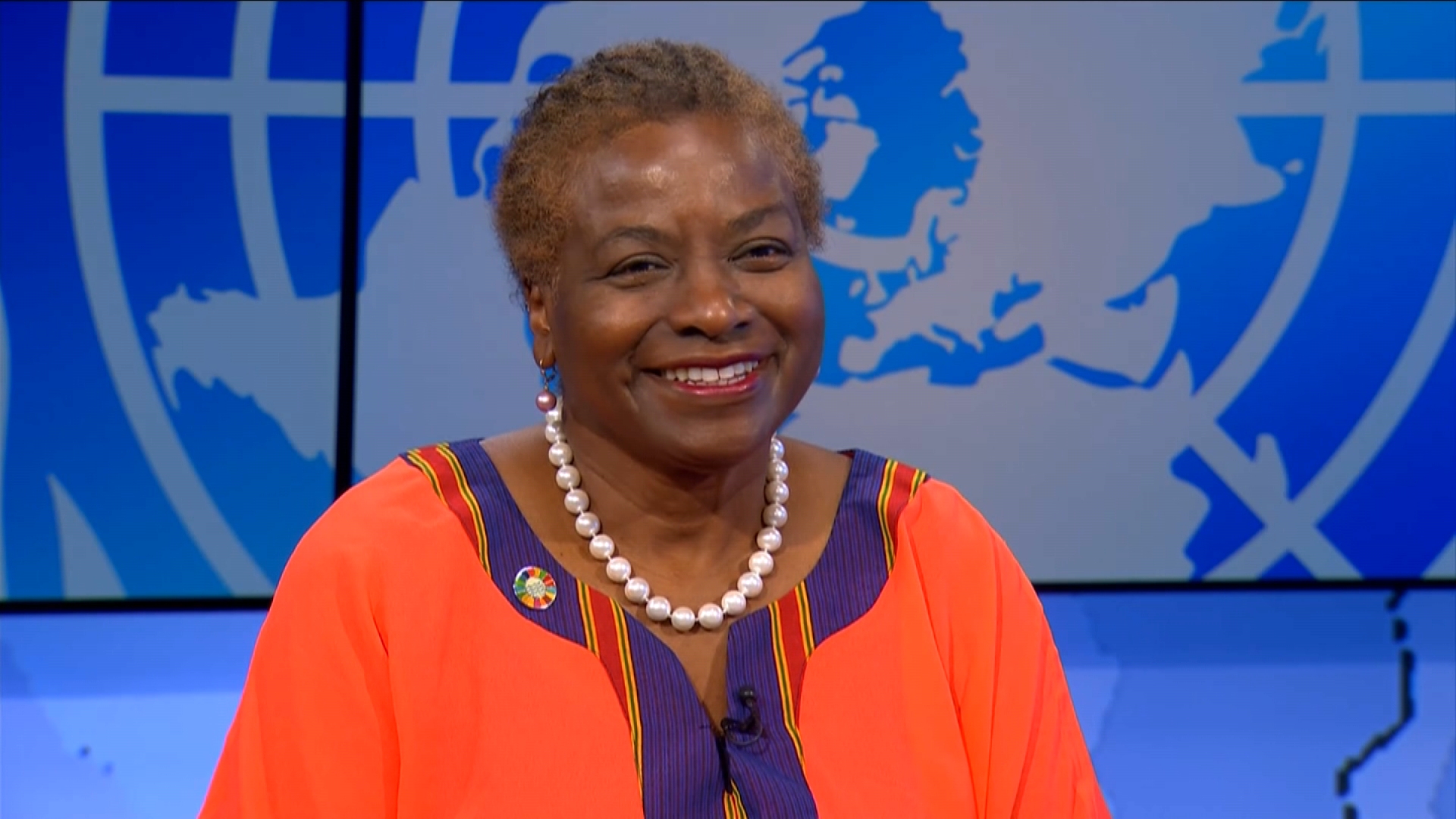
10. Med shot, Nestor Owomuhangi speaking with young people
11. SOUNDBITE (English) Nestor Owomuhangi, Representative to Palestine, Uniterd Nations Population Fund (UNFPA):
“This week I'm in Gaza witnessing women going through pregnancy while displaced, very hungry and uncertain that in case they need any medical help, they may not be able to get it. One hundred and eighty deliveries take place daily in Gaza amidst challenging circumstances, understaffed facilities, equipped health facilities. But within all this, women persevere, and the majority of them try as much as possible to come to deliver from health facilities and after delivery, they go back to their tents, overcrowded tents, unhygienic and no safe place to sleep. It's their tender infants that are extremely delicate. Imagine raising an infant in such an environment. Imagine getting pregnant in such a place where you are sure you will not access nutritious food. You may not be able to receive healthcare in case you need any. And that possibly the chances of not making it could be high. And no wonder we see miscarriages going up. UNFPA is coming in to provide all support possible. We are helping health facilities, equipping the health facilities, providing medical equipment and supplies, medicines and deploying health workers. But this is not enough. We feel we could do more if we had more.”
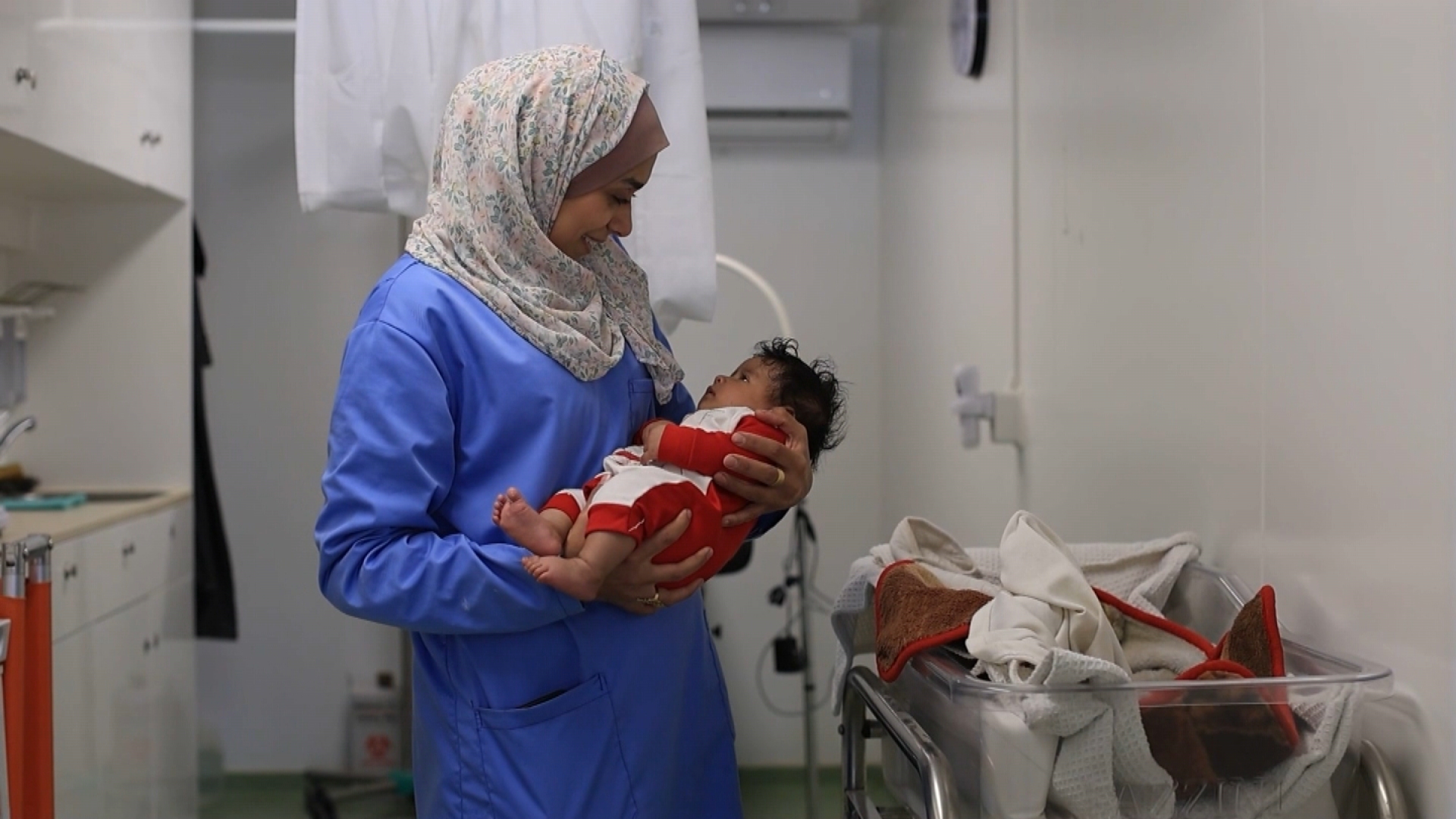
12. Med shot, women with babies inside maternal health clinic
13. Close up, baby
14. Med shot, women and babies inside clinic
15. Close up, baby crying
16. Close up, baby in woman's arms
17. Med shot, women holding babies
18. Med shot, two women holding babies
19. Various shots, Nestor Owomuhangi speaking with clinic staff and people visiting the centre
20. Wide shot, women and girls seated inside clinic
21. Med shot, woman speaking
22. Wide shot, group of girls seated inside clinic
23. Med shot, girls seated inside clinic
24. Wide shot, girls seated inside clinic
25. Wide shot, woman speaking with clinic staff
26. Wide shot, UNFPA supplies inside clinic
27. Close up, UNFPA boxes and supplies
28. Med shot, medical supplies on shelves
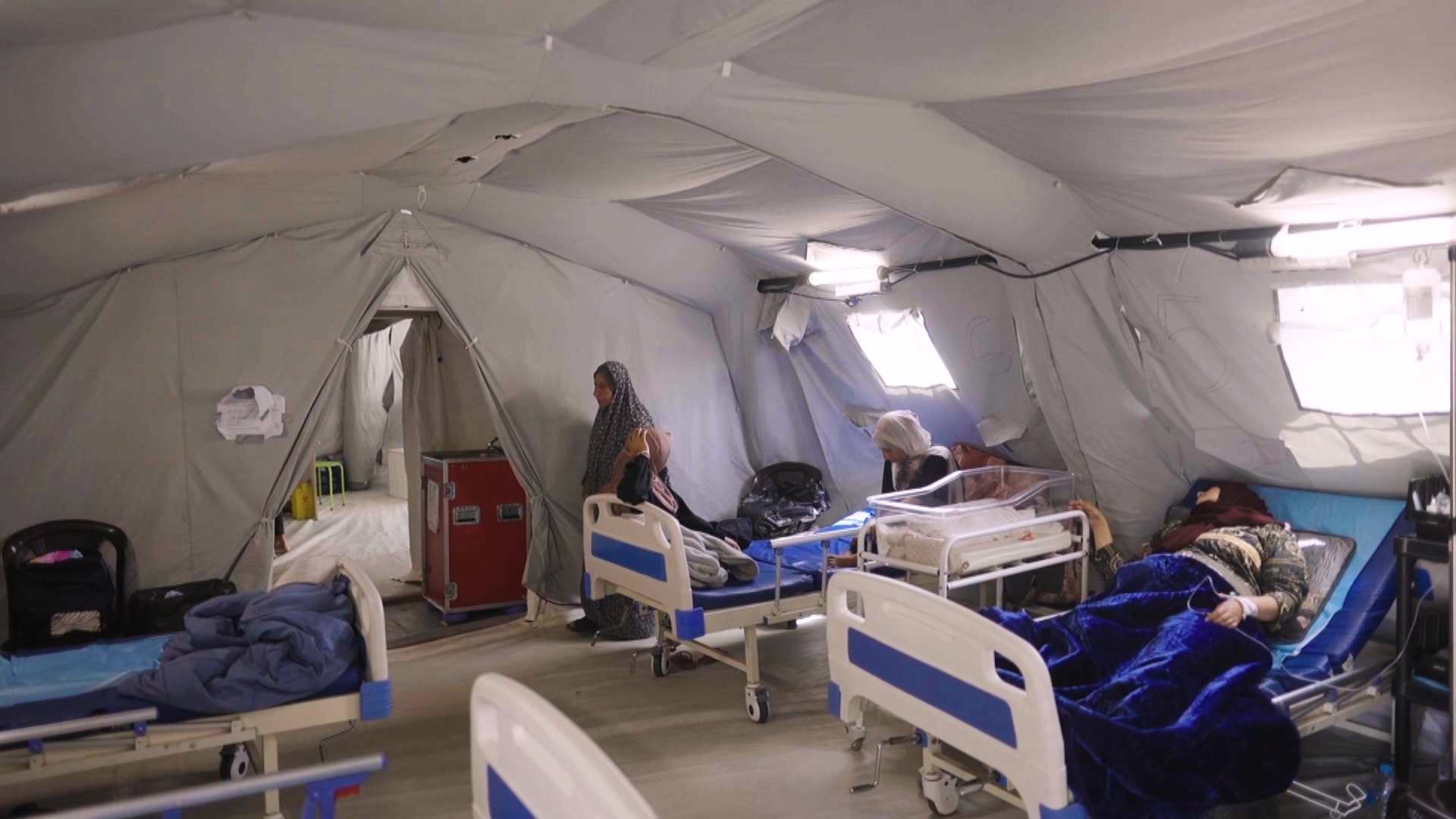
Every day, around 180 babies are born in Gaza, but for mothers and newborns, pregnancy and childbirth remain difficult and dangerous as maternal health services remain under severe pressure and inadequate living conditions prevail.
In the first six months of 2026, nearly 4,000 pregnancy losses were reported, more than three times the reported rate during the previous six months. One in three pregnancies is now considered high-risk, while more than half of pregnant women are anaemic.
Almost half of all births are by Caesarean section, many of them emergencies. Displaced pregnant women and new mothers live in poor conditions, in overcrowded tents, with inadequate sanitation and insufficient nutrition.
UNFPA is supporting maternity hospitals, health centres, mobile services and midwives across Gaza with essential medicines, medical equipment and reproductive health supplies, while deploying health workers and supporting services for women and girls affected by gender-based violence.
In 2026, UNFPA reached an estimated 680,000 women, girls and young people with sexual and reproductive health, gender-based violence and mental health services. But needs continue to far outpace the response.
Health facilities remain critically short of medicines, equipment and staff, while restrictions and impediments continue to limit access to care and the scale-up of humanitarian assistance.
UNFPA calls for attacks on Gaza to cease; for predictable and unimpeded humanitarian access across Gaza and the West Bank, for the urgent entry of a full range of life-saving and life-sustaining supplies; and for sustained funding both to meet immediate humanitarian needs and to restore and rebuild Gaza’s shattered healthcare system.