Media Home
 UN Web TV
 UN Audiovisual Library
 UN Photo
UN / SUDAN SANCTIONS
Download
There is no media available to download.
Share
STORY: UN / SUDAN SANCTIONS
TRT: 03:32
SOURCE: UNIFEED
RESTRICTIONS: NONE
LANGUAGES: ENGLISH / RUSSIAN / ARABIC / NATS
DATELINE: 11 SEPTEMBER 2026, NEW YORK CITY / FILE
FILE - NEW YORK CITY
1. Wide shot, exterior, United Nations Headquarters
11 SEPTEMBER 2026, NEW YORK CITY
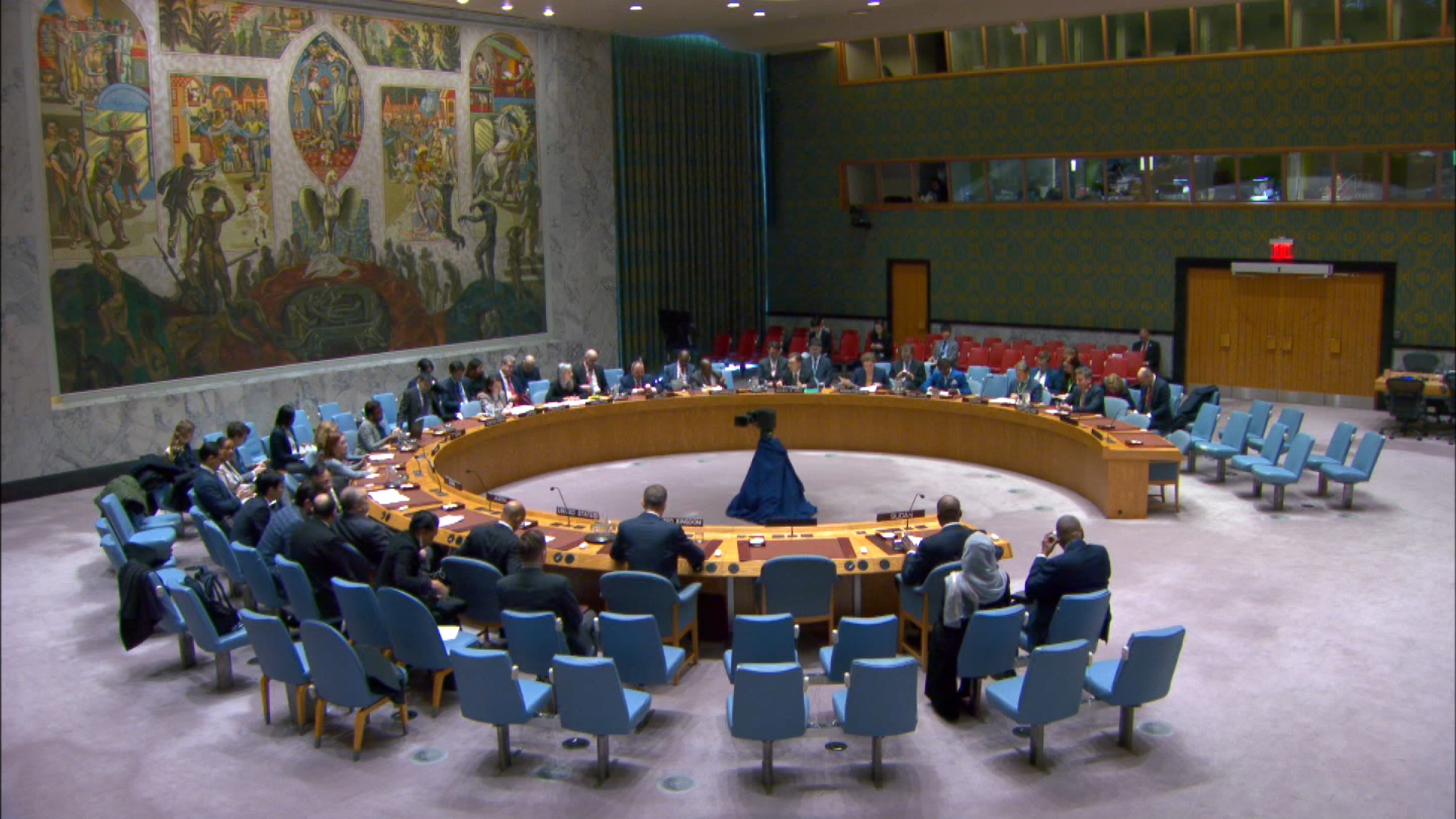
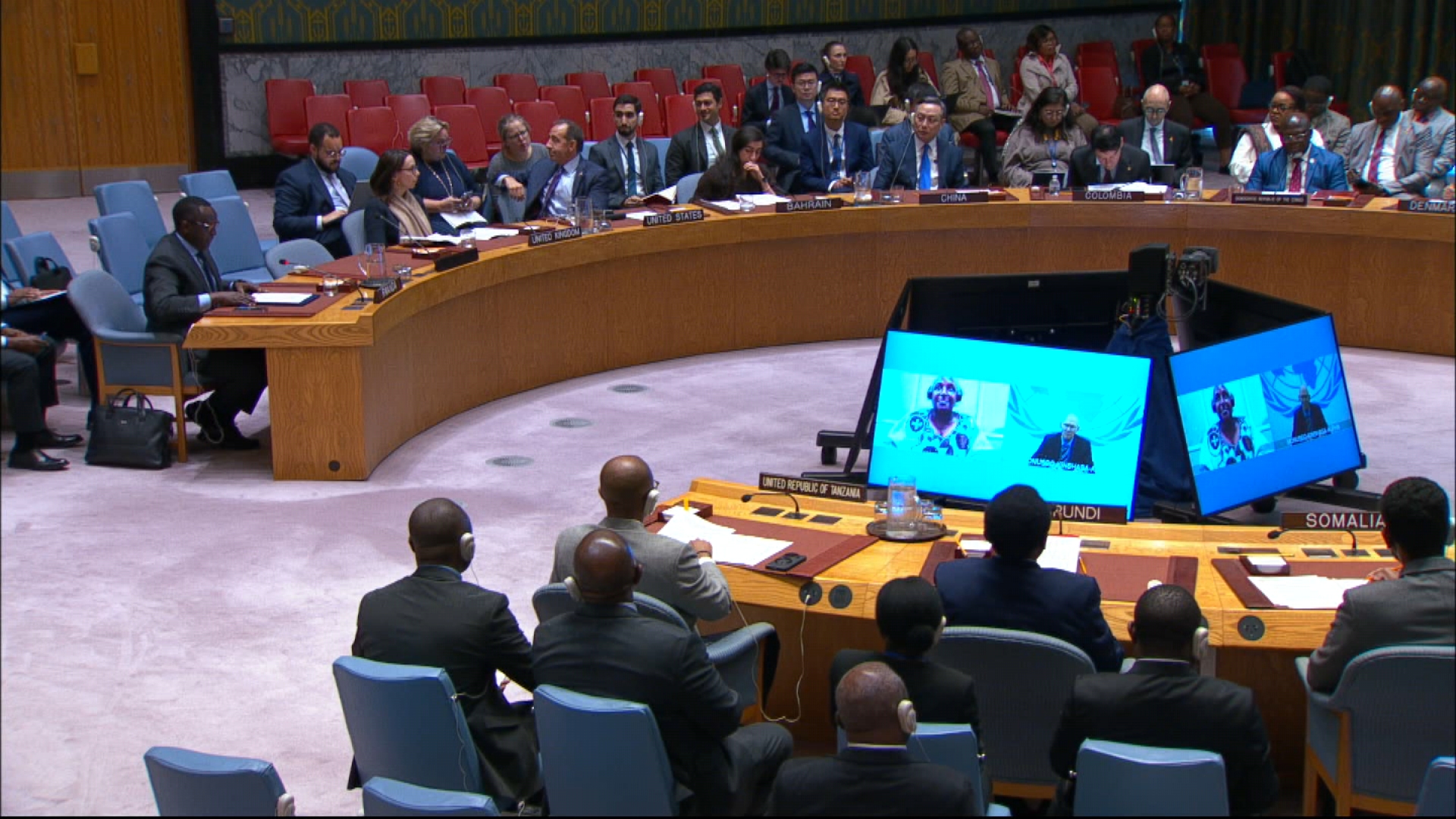
2. Wide shot, Security Council
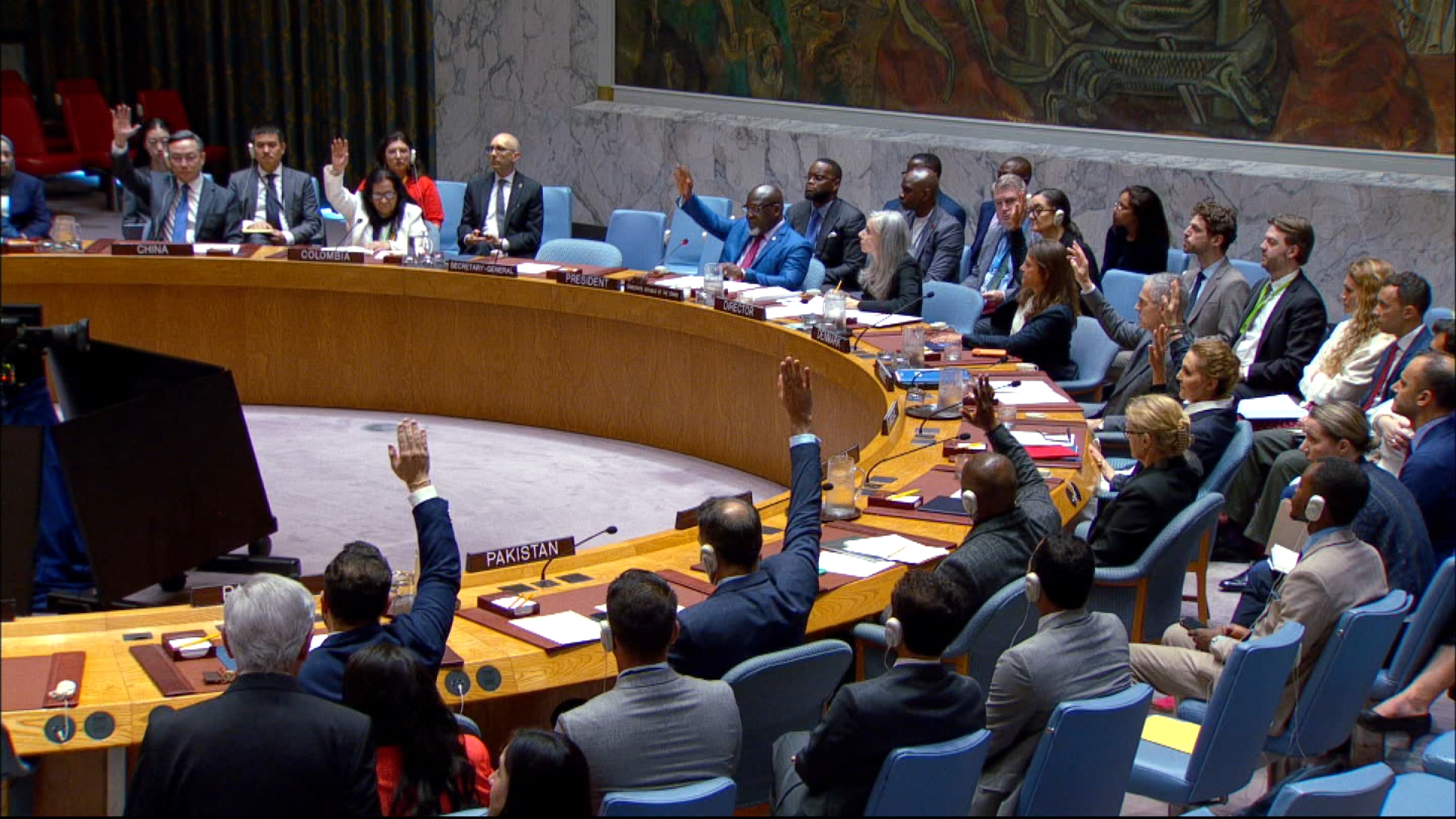
3. Med shot, Council President Jérôme Bonnafont leading vote
4. Pan left, Council vote
5. SOUNDBITE (English) Jeffrey Bartos, Deputy Representative to the United Nations, United States:
“This Council has proven it can make a true difference in Sudan when it uses tools at its disposal, as exemplified when we collectively sanctioned eight individuals earlier this year for their roles in the conflict. However, the current sanctions regime is over 20 years outdated and is insufficient to address the realities of the war today. That is why this Council should expand the arms embargo across the entire territory of Sudan; expand the listing measures to include horrific actions such as conflict related sexual violence, kidnapping for ransom, and attacks on humanitarian personnel, and strengthen the mandate and effectiveness of the Panel of Experts.”
6. Med shot, Russian Ambassador Anna M. Evstigneeva addressing Council
7. SOUNDBITE (Russian) Anna M. Evstigneeva, Deputy Representative to the United Nations, Russian Federation:
“Our delegation, from the very beginning of the negotiating process on this document has stipulated very clearly what the red lines are. No going outside of the technical role of resolution 2791. And year in, year out, we have been stating that we will not allow even a hint of broadening the restrictions by the Council against Sudan, and this is fully in line with the position of the legitimate government of the country, which many of those present here are not ready to hear. It is not clear why the Council is asked to broaden the scope for listing at precisely this moment. Why is it that no one mentioned this in 2023 for example, when the Rapid Support Forces were threatening Khartoum and other major cities?”
8. Wide shot, Sudanese Ambassador Al-Harith Idriss Al-Harith Mohamed addressing Council
9. SOUNDBITE (Arabic) Al-Harith Idriss Al-Harith Mohamed, Permanent Representative to the United Nations, Sudan:
“The arms embargo, as suggested, goes against article 51 of the UN Charter, which guarantees member states the inherent right of individual and collective self-defence. This includes the Sudanese Armed Forces and all integrated forces which are fighting to repel aggression against Sudan. They have the right to produce, acquire, and retain conventional and necessary weapons and other means required to protect sovereignty. The conditions of war and the fragility resulting from this war do not enable the state to control or assess the distribution of weapons within its borders because of the large number of armed organisations and mercenary forces.”
10. Wide shot, Sudanese Ambassador Al-Harith Idriss Al-Harith Mohamed addressing Council
11. SOUNDBITE (Arabic) Al-Harith Idriss Al-Harith Mohamed, Permanent Representative to the United Nations, Sudan:
“The international community has failed to support the integration and disarmament of armed groups following the October 2020 agreement. Furthermore, the Rapid Support Forces rejected the integration into the National Army. However, the proposed resolution strengthens the structures of armed organisations operating outside the authority of the State while undermining the role of the Army, which was established precisely to fulfil that function. This contributes to the flourishing of illicit arms trafficking across Sudan's border and the borders of neighbouring countries that face no accountability, from whose territories drones are launched to destroy Sudan's infrastructure.”
12. Wide shot, end of Council session
The Security Council today (11 Sep) unanimously adopted a resolution extending, in a technical manner, the mandate of the Panel of Experts monitoring sanctions on Sudan related to the conflict in Darfur for two months – until November 9, 2026.
The extension comes after weeks of lengthy negotiations over a previous draft that aimed to expand the arms embargo to cover all of Sudan. During the negotiations, differences emerged among council members regarding the effectiveness of the current sanctions regime and the extent and manner of its modification to reflect the changing realities on the ground.
Following the adoption of the resolution, United States Ambassador Jeffrey Bartos welcomed the adoption of this short-term technical extension.
Ambassador Bartos stated that the current sanctions regime is "more than 20 years outdated" and no longer adequate to address the realities of the ongoing war.
He said, “that is why this Council should expand the arms embargo across the entire territory of Sudan; expand the listing measures to include horrific actions such as conflict related sexual violence, kidnapping for ransom, and attacks on humanitarian personnel, and strengthen the mandate and effectiveness of the Panel of Experts.”
The US prepared the text of the draft resolution, as the country responsible for the sanctions file on Sudan.
Russia's Deputy Representative to the United Nations, Anna M. Evstigneeva, said her country's delegation had clearly defined “the red lines” from the very beginning of the negotiation process on the document, including “no going outside of the technical role of resolution 2791.”
Evstigneeva said, “year in, year out, we have been stating that we will not allow even a hint of broadening the restrictions by the Council against Sudan, and this is fully in line with the position of the legitimate government of the country, which many of those present here are not ready to hear.”
She said it was “not clear why the Council is being asked to broaden the scope of the listing criteria at this particular time, questioning why this issue was not raised in 2023, for example, when the Rapid Support Forces were threatening Khartoum and other major cities.”
She said, “it is not clear why the Council is asked to broaden the scope for listing at precisely this moment. Why is it that no one mentioned this in 2023 for example, when the RSF were threatening Khartoum and other major cities?”
For his part, Sudan’s representative to the United Nations, Al-Harith Idris, expressed his gratitude to the countries that he said supported and continue to support Sudan’s just demand not to extend the arms embargo to all Sudanese territory, and to demand only a technical renewal of Resolution 1591.
Idris said, “the arms embargo, as suggested, goes against article 51 of the UN Charter, which guarantees member states the inherent right of individual and collective self-defence. This includes the Sudanese Armed Forces and all integrated forces which are fighting to repel aggression against Sudan.”
He said, “the conditions of war and the fragility resulting from this war do not enable the state to control or assess the distribution of weapons within its borders because of the large number of armed organisations and mercenary forces.”
The Sudanese Ambassador said, “the international community has failed to support the integration and disarmament of armed groups following the October 2020 agreement. Furthermore, the Rapid Support Forces rejected the integration into the National Army. However, the proposed resolution strengthens the structures of armed organisations operating outside the authority of the State while undermining the role of the Army, which was established precisely to fulfil that function. This contributes to the flourishing of illicit arms trafficking across Sudan's border and the borders of neighbouring countries that face no accountability, from whose territories drones are launched to destroy Sudan's infrastructure.”
The Security Council established the Panel of Experts on Sudan pursuant to Resolution 1591 (2005) on 29 March 2005.