Media Home
 UN Web TV
 UN Audiovisual Library
 UN Photo
UN / WFP SUDAN SKAU PRESSER
STORY: UN / WFP SUDAN SKAU PRESSER
TRT: 03:34
SOURCE: UNIFEED
RESTRICTIONS: NONE
LANGUAGE: ENGLISH / NATS
DATELINE: 14 SEPTEMBER 2026, NEW YORK CITY / FILE
FILE - NEW YORK CITY
1. Wide shot, exterior, United Nations
14 SEPTEMBER 2026, NEW YORK CITY
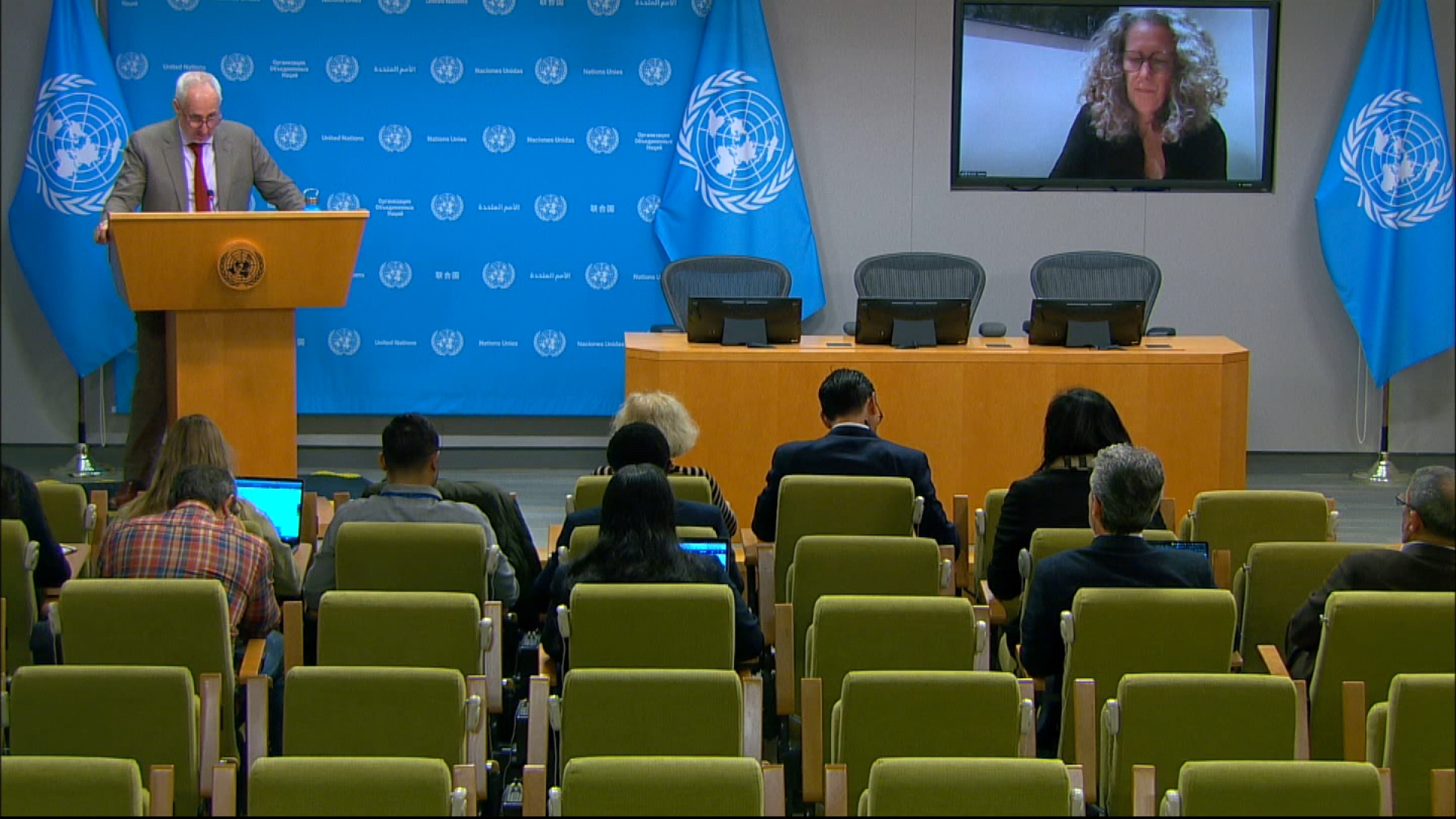
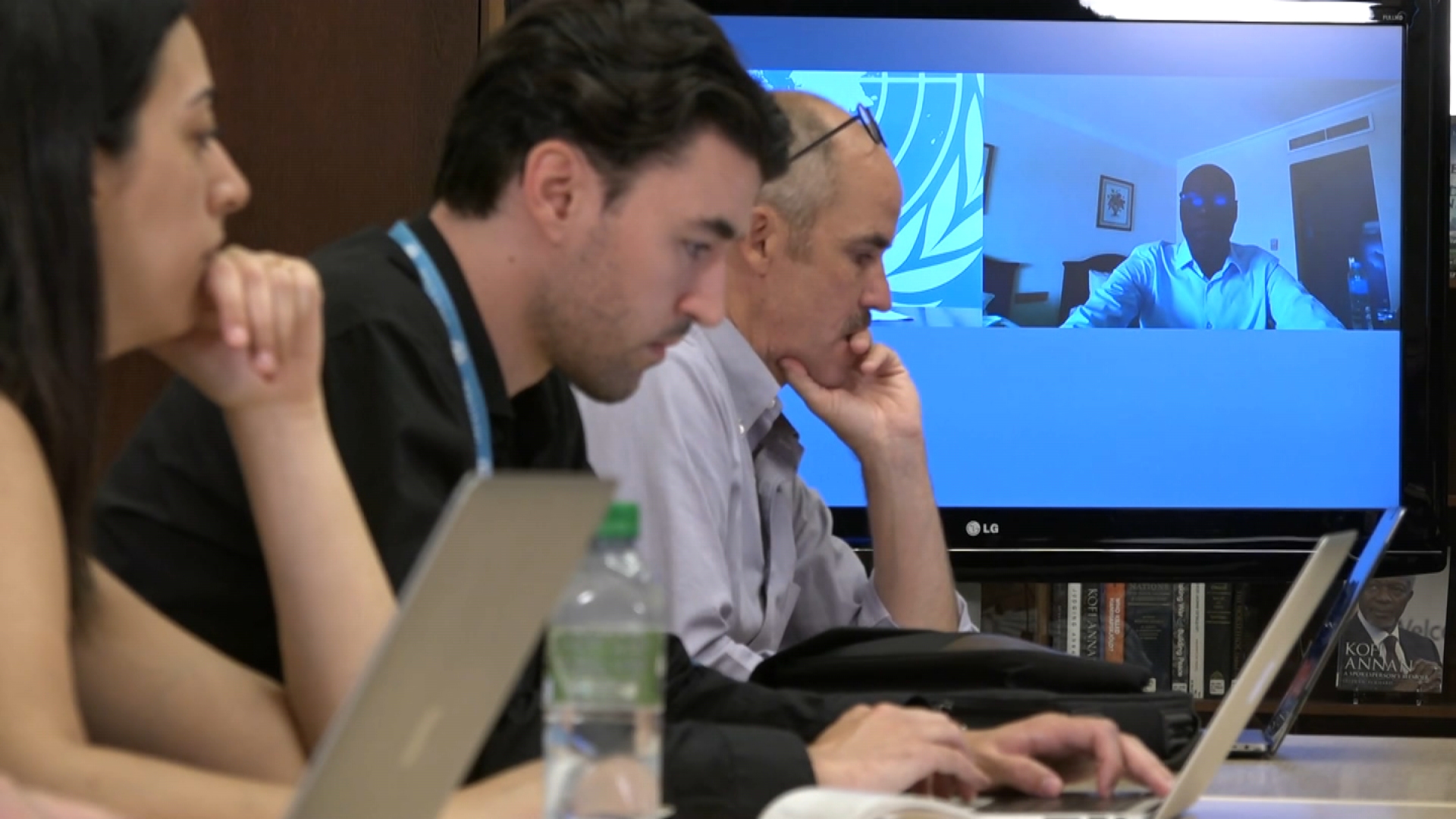
2. Wide shot, speakers, journalists, press briefing room
3. SOUNDBITE (English) Carl Skau, Acting Executive Director, World Food Programme (WFP):
“Sudan is still the world's largest hunger and displacement crisis. 20 million people in acute hunger, 14 million people displaced, some 5 million of those acutely hunger in emergency level (IPC4), and you know still 200,000 in IPC5 levels of starvation.”
4. Wide shot, speakers, journalists
5. SOUNDBITE (English) Carl Skau, Acting Executive Director, World Food Programme (WFP):
“Given that Sudan does, in my view, not get by far the attention it deserves. You know, humanitarians are attacked. We had a hit two weeks ago only on one of our convoys, trying to get to dealing in in the Kordofan, access is difficult, as I explained, partly due to security, partly due to not getting the clearances necessary. But it's also possible to work there. WFP reaches, you know, between 4 and 5 million people every month. 2 million or 2.5 million of those are in the hardest to reach areas, so it is possible to make a difference.”
6. Wide shot, speakers, journalists
7. SOUNDBITE (English) Carl Skau, Acting Executive Director, World Food Programme (WFP):
“Now, what is really our main challenge is funding. Our operations are completely underfunded, and there is a risk that we will have to scale back quite significantly in the next few weeks unless more funding is being provided.”
8. Wide shot, speakers, journalists
9. SOUNDBITE (English) Carl Skau, Acting Executive Director, World Food Programme (WFP):
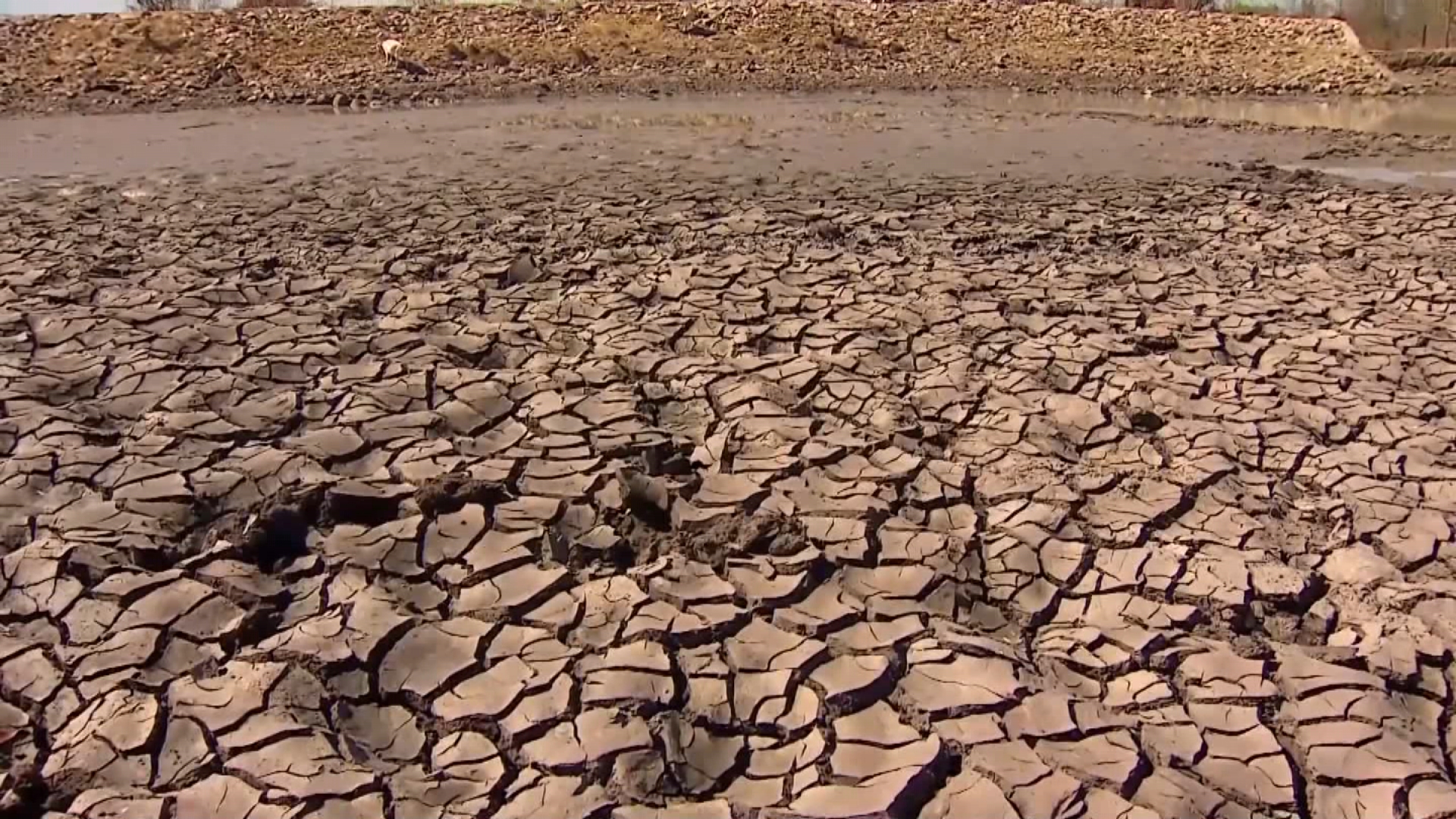
“Darfur hasn't been this dry since 1984, and right now it's a rainy season, and so you know everyone is frightened that this will have a serious hit on agriculture and the agriculture outcome, and then of course also for livestock further down the road. And like some told me, you know, we rely on that agriculture, and we rely on the WFP food. And if you know the agriculture is now hit by the drought, and WFP's food is hit by funding cuts, how will we survive?’ And I think that is, you know, really the concern in Darfur for the next few months.”
10. Wide shot, speakers, journalists
11. SOUNDBITE (English) Carl Skau, Acting Executive Director, World Food Programme (WFP):
“Our challenge there is also funding. So, we are providing less and less, but we're also having to cut off assistance to those who arrived three years ago. So, we are prioritizing those who are newly arrived, but of course to the detriment of those who have been there longer - which, frankly, people who have nothing to turn to either. It's not possible for them to get any jobs. They have been through terrible atrocities. They cannot return home. So, it's a very tense and difficult place where we now have to so tightly prioritize.”
12. Wide shot, speakers, journalists
13. SOUNDBITE (English) Carl Skau, Acting Executive Director, World Food Programme (WFP):
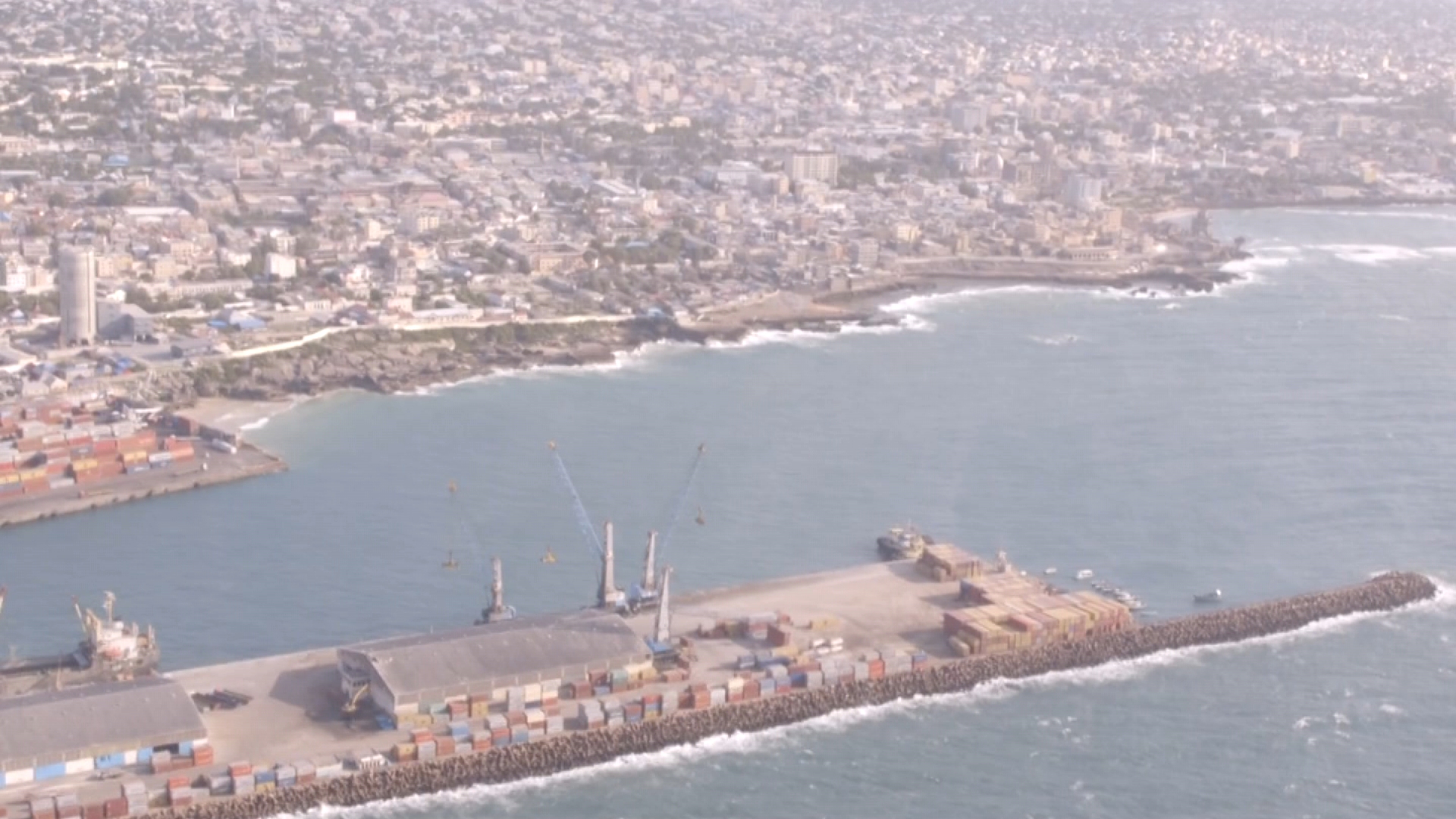
“What we see playing out in Sudan is really, you know, what we also see at the global level, and it's all hitting at once. So, it's the conflict that is, you know, driving displacement, disrupting markets and trade; it is the maritime disruptions in Bab El Mandeb and Hormuz that is really hitting Sudan as well, with its ports on the Red Sea; and thirdly, it's El Niño and the climate shocks with the drought we now see in the Darfur, and all this is coming together, really putting pressure on the already suffering people in in Sudan.”
14. Wide shot, speakers, journalists
“Sudan is still the world's largest hunger and displacement crisis,” Carl Skau, Acting Executive Director of the World Food Programme (WFP), said.
Today (14 Sep), following his mission to Sudan, Skau addressed the press and said that in the country “20 million people in acute hunger, 14 million people displaced, some 5 million of those acutely hunger in emergency level (IPC4), and you know still 200,000 in IPC5 levels of starvation.”
He added, “Given that Sudan does, in my view, not get by far the attention it deserves. You know, humanitarians are attacked. We had a hit two weeks ago only on one of our convoys, trying to get to dealing in in the Kordofan, access is difficult, as I explained, partly due to security, partly due to not getting the clearances necessary. But it's also possible to work there. WFP reaches, you know, between 4 and 5 million people every month. 2 million or 2.5 million of those are in the hardest to reach areas, so it is possible to make a difference.”
He highlighted, “Now, what is really our main challenge is funding. Our operations are completely underfunded, and there is a risk that we will have to scale back quite significantly in the next few weeks unless more funding is being provided.”
He also said, “Darfur hasn't been this dry since 1984, and right now it's a rainy season, and so you know everyone is frightened that this will have a serious hit on agriculture and the agriculture outcome, and then of course also for livestock further down the road. And like some told me, you know, we rely on that agriculture, and we rely on the WFP food. And if you know the agriculture is now hit by the drought, and WFP's food is hit by funding cuts, how will we survive?’ And I think that is, you know, really the concern in Darfur for the next few months.”
Talking about El Obeid, he stressed, “Our challenge there is also funding. So, we are providing less and less, but we're also having to cut off assistance to those who arrived three years ago. So, we are prioritizing those who are newly arrived, but of course to the detriment of those who have been there longer - which, frankly, people who have nothing to turn to either. It's not possible for them to get any jobs. They have been through terrible atrocities. They cannot return home. So, it's a very tense and difficult place where we now have to so tightly prioritize.”
He concluded, “What we see playing out in Sudan is really, you know, what we also see at the global level, and it's all hitting at once. So, it's the conflict that is, you know, driving displacement, disrupting markets and trade; it is the maritime disruptions in Bab El Mandeb and Hormuz that is really hitting Sudan as well, with its ports on the Red Sea; and thirdly, it's El Niño and the climate shocks with the drought we now see in the Darfur, and all this is coming together, really putting pressure on the already suffering people in in Sudan.”