Media Home
 UN Web TV
 UN Audiovisual Library
 UN Photo
GAZA / FIRST DAY OF SCHOOL
Download
There is no media available to download.
Share
STORY: GAZA / FIRST DAY OF SCHOOL
TRT: 05:17
SOURCE: UNIFEED
RESTRICTIONS: NONE
LANGUAGE: ARABIC / NATS
DATELINE: 19 SEPTEMBER 2026, GAZA
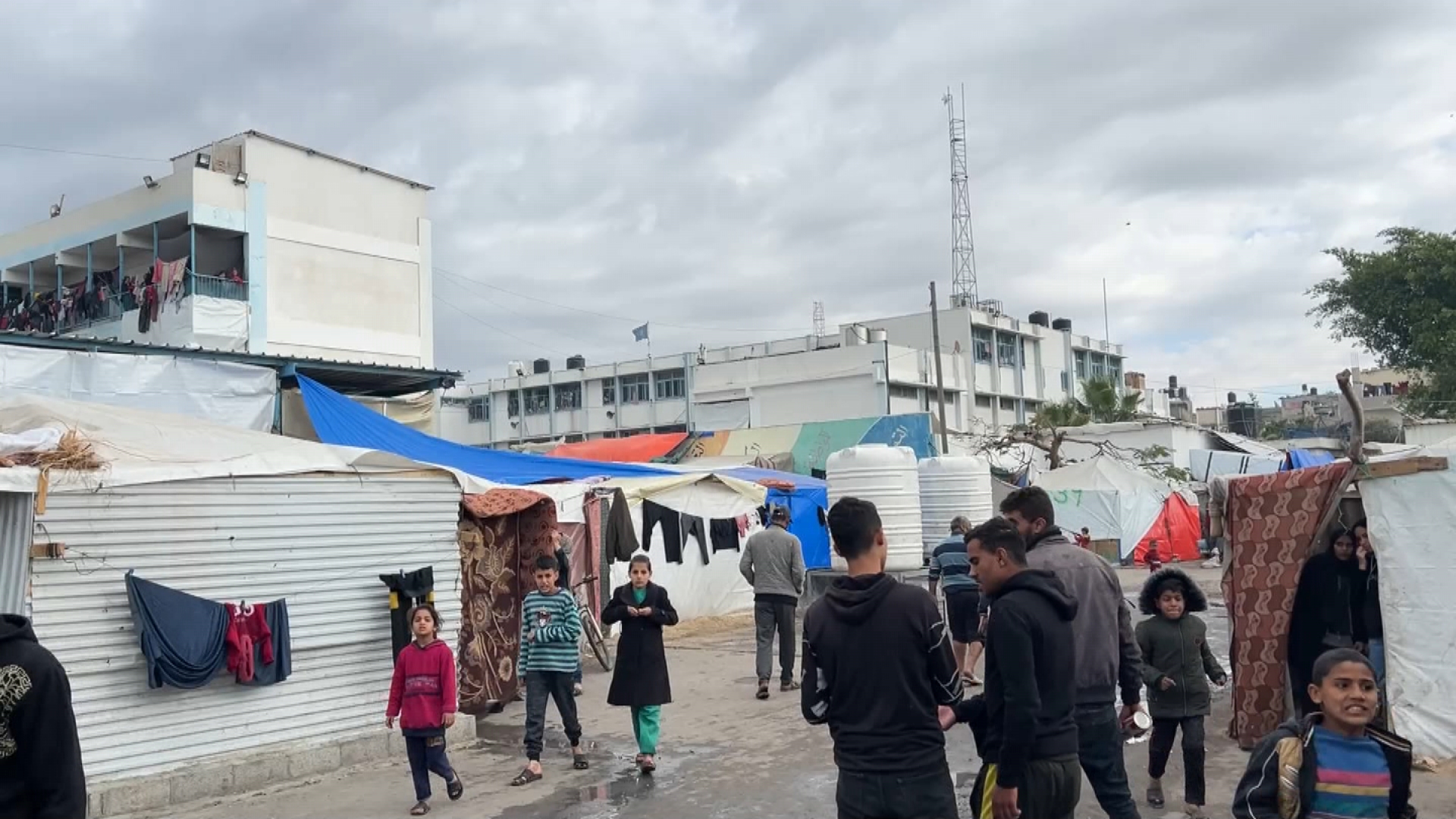
1. Various shots, a United Nations Relief and Works Agency for Palestine Refugees in the Near East (UNRWA) school on the first day of the new school year in the Gaza Strip
2. Various shots, parents arriving with their children at a UNRWA school at the start of the new school year
3. Various shots, students attending the morning assembly on the first day of the new school year at a UNRWA school in Nuseirat refugee camp, central Gaza Strip
4. SOUNDBITE (Arabic) Raja al-Nabahin, UNRWA Teacher:
“Today, after the war, we are missing many things that should be available to us. We should have desks, as well as stationery and schoolbooks. We are now in urgent need of these supplies so that we can make up for the learning loss caused by the war over the previous period, as students were out of school.”
5. Various shots, the morning assembly at a UNRWA school in Nuseirat refugee camp, central Gaza Strip
6. SOUNDBITE (Arabic) Um Ali Hmeideh, Mother:
“Our children woke up in the early hours of dawn today. They do not know what school means, what a morning assembly means, or what normal life is. They know only bombardment and war because they have grown up amid wars. At the beginning of the war, my son was three years old. Today, he is six and has started first grade. At first, he was able to speak, and we used to send him to a private tutor for follow-up, but nothing can replace education at school.”
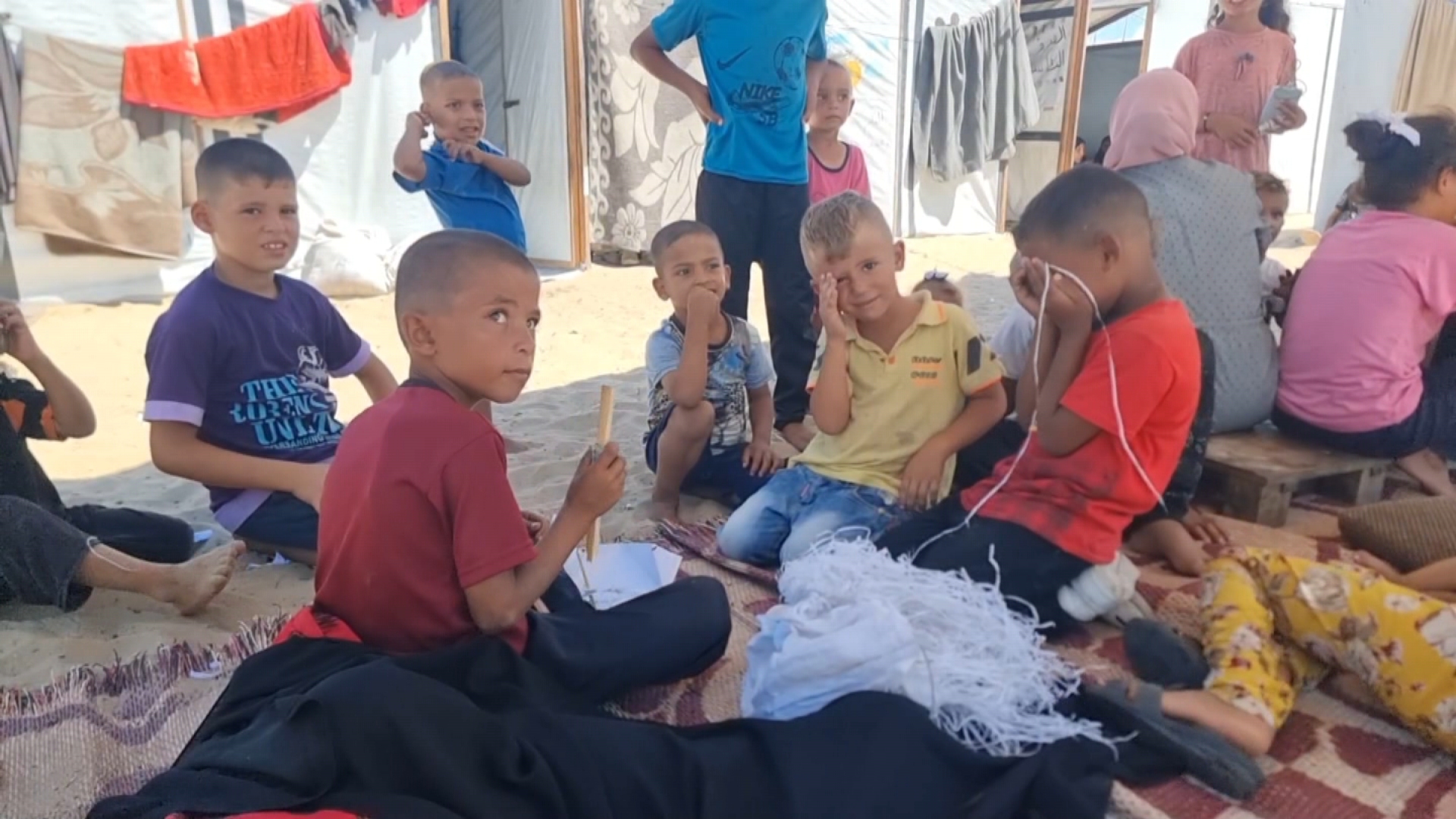
7. Various shots, children sitting on the floor without desks at a UNRWA school in Nuseirat refugee camp, central Gaza Strip
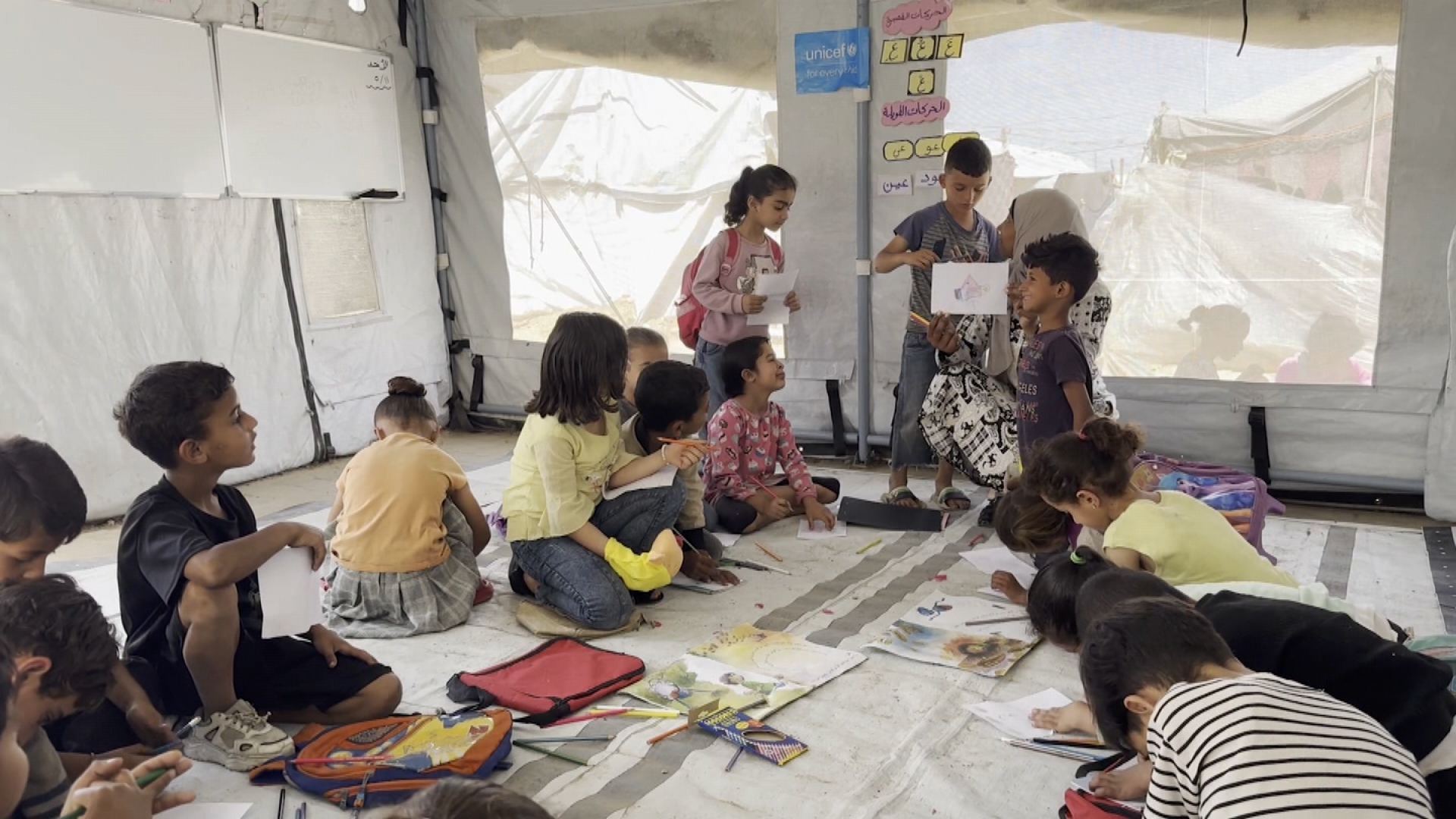
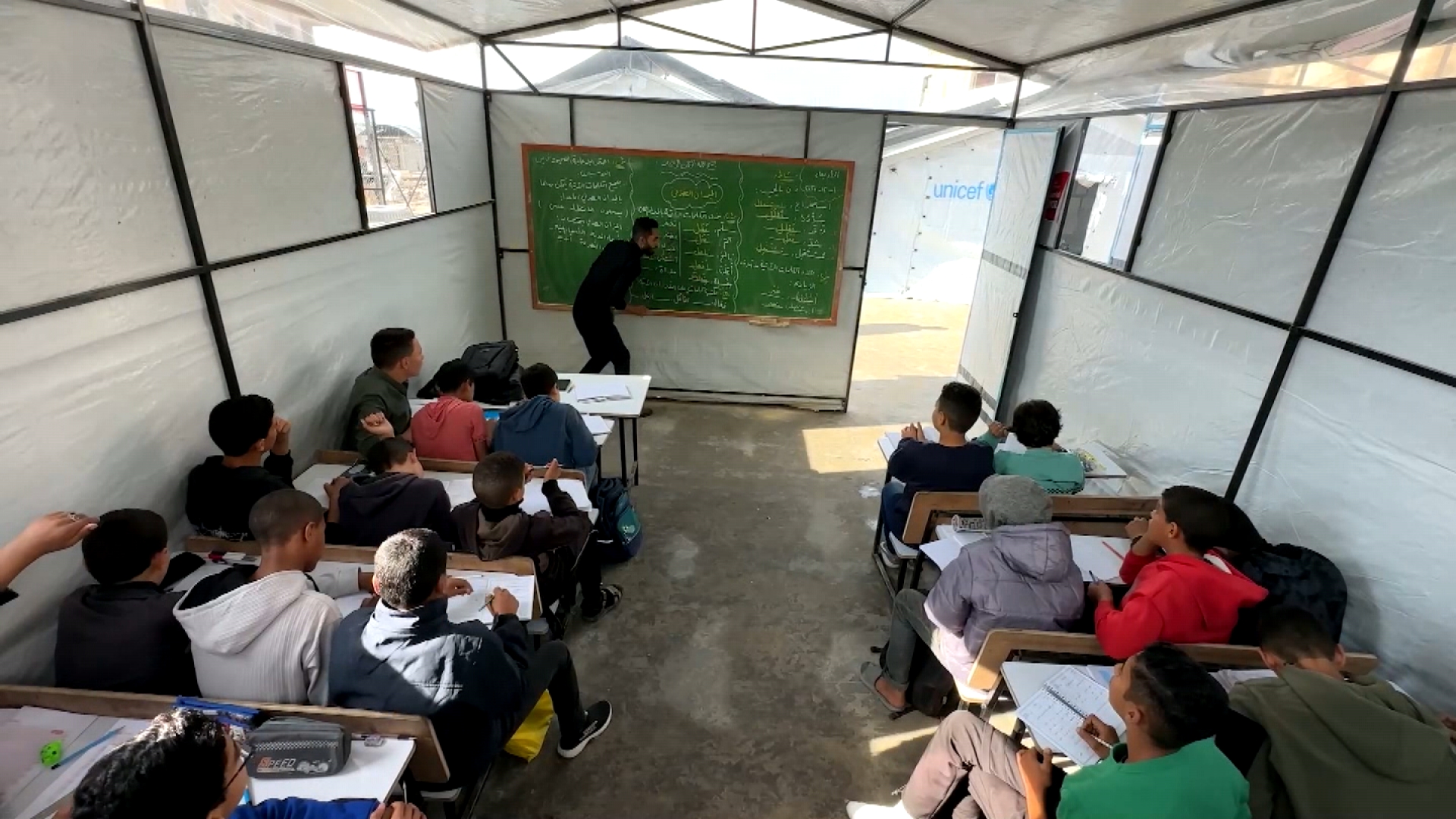
8. Various shots, students arriving at a school set up inside tents with support from the United Nations Children’s Fund (UNICEF) in Gaza City
9. Various shots, students standing for morning assembly inside a tent at one of the tent-based schools in Gaza City
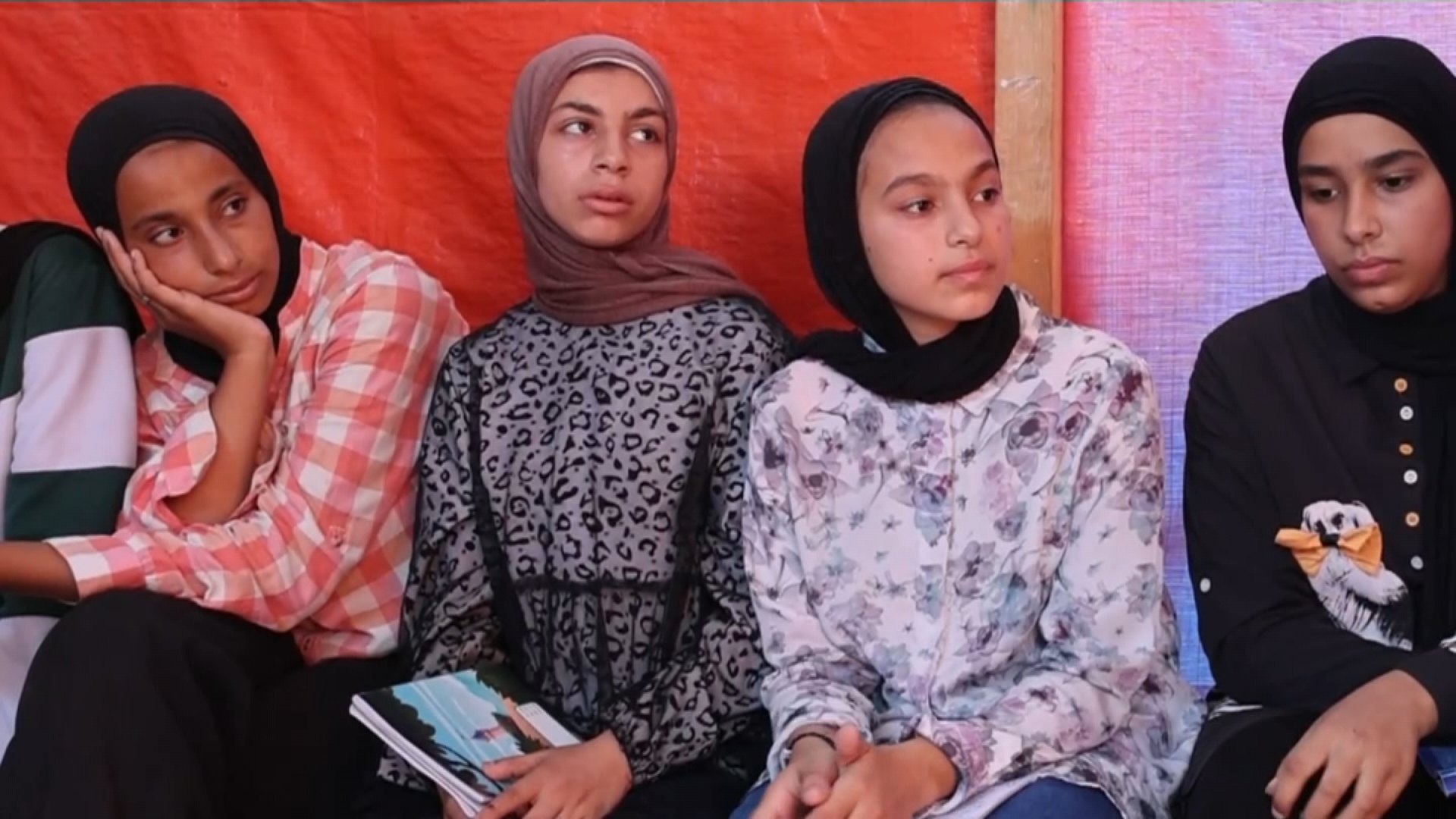
10. Various shots, students attending classes on the first day of the school year inside tents.
11. SOUNDBITE (Arabic) Mohammad Hashem, Student:
“We are now living in difficult conditions. Schoolbags are expensive, our homes have been destroyed, and we are currently living in tents. The school has also become tents instead of a normal school because of the displaced people.”
12. Various shots, students attending classes on the first day of the school year inside tents
13. SOUNDBITE (Arabic) Ahmad al-Ghoul, Student:
“Before the war, the streets were good, but now they have all become rubble. At school, we had a library where I could get books and do my drawings.”
14. Various shots, a classroom built from corrugated metal sheets at one of the field schools in the Gaza Strip
Palestinian children in the Gaza Strip began a new school year on Saturday (19 Sep) in damaged schools, temporary learning spaces and tents, in an effort to resume in-person education after nearly three years of war, amid shortages of desks, books and stationery and widespread damage to education infrastructure.
In Nuseirat refugee camp in central Gaza, parents brought their children to a school run by the United Nations Relief and Works Agency for Palestine Refugees in the Near East (UNRWA), where pupils lined up for morning assembly while some sat on classroom floors because there were not enough desks.
UNRWA teacher Raja al-Nabahin said the return to school was taking place amid shortages of even the most basic educational supplies.
“Today, after the war, we are missing many things that should be available to us. We should have desks, as well as stationery and schoolbooks. We are now in urgent need of these supplies so that we can make up for the learning loss caused by the war over the previous period, as students were out of school,” she said.
The United Nations Office for the Coordination of Humanitarian Affairs (OCHA) said the new school year in Gaza comes as preparations include 359 temporary learning spaces across the Strip.
For some families, returning to school represents not only the beginning of a new academic year, but an entirely new experience for children who have spent much of their early years living through the war.
Um Ali Hmeideh, who brought her child to a school in Nuseirat, said, “our children woke up in the early hours of dawn today. They do not know what school means, what a morning assembly means, or what normal life is. They know only bombardment and war.”
She said her son was three years old when the war began and is now six and entering first grade.
“We used to send him to a private tutor for follow-up, but nothing can replace education at school,” she said.
In Gaza City, students arrived at learning centres established inside tents with support from UNICEF. Children lined up for morning assembly inside one of the tents before sitting down for lessons in spaces attempting to serve as conventional classrooms.
In the first half of 2026, UNICEF reached over 265,000 children through 173 Learning Centres across Gaza, supporting learning, psychosocial wellbeing and referrals to specialized services for children with disabilities.
To deliver this at scale, UNICEF supports 6,306 frontline workers in the education system, enabling children’s continuous access to LCs across Gaza. Through WFP, children receive highenergy biscuits to support their learning, and WASH partners provide drinking water, hygiene kits, and gender-segregated latrines.
Student Mohammad Hashem said economic hardship and displacement were making the return to school more difficult.
“We are now living in difficult conditions. Schoolbags are expensive, our homes have been destroyed, and we are currently living in tents. The school has also become tents instead of a normal school,” he said.
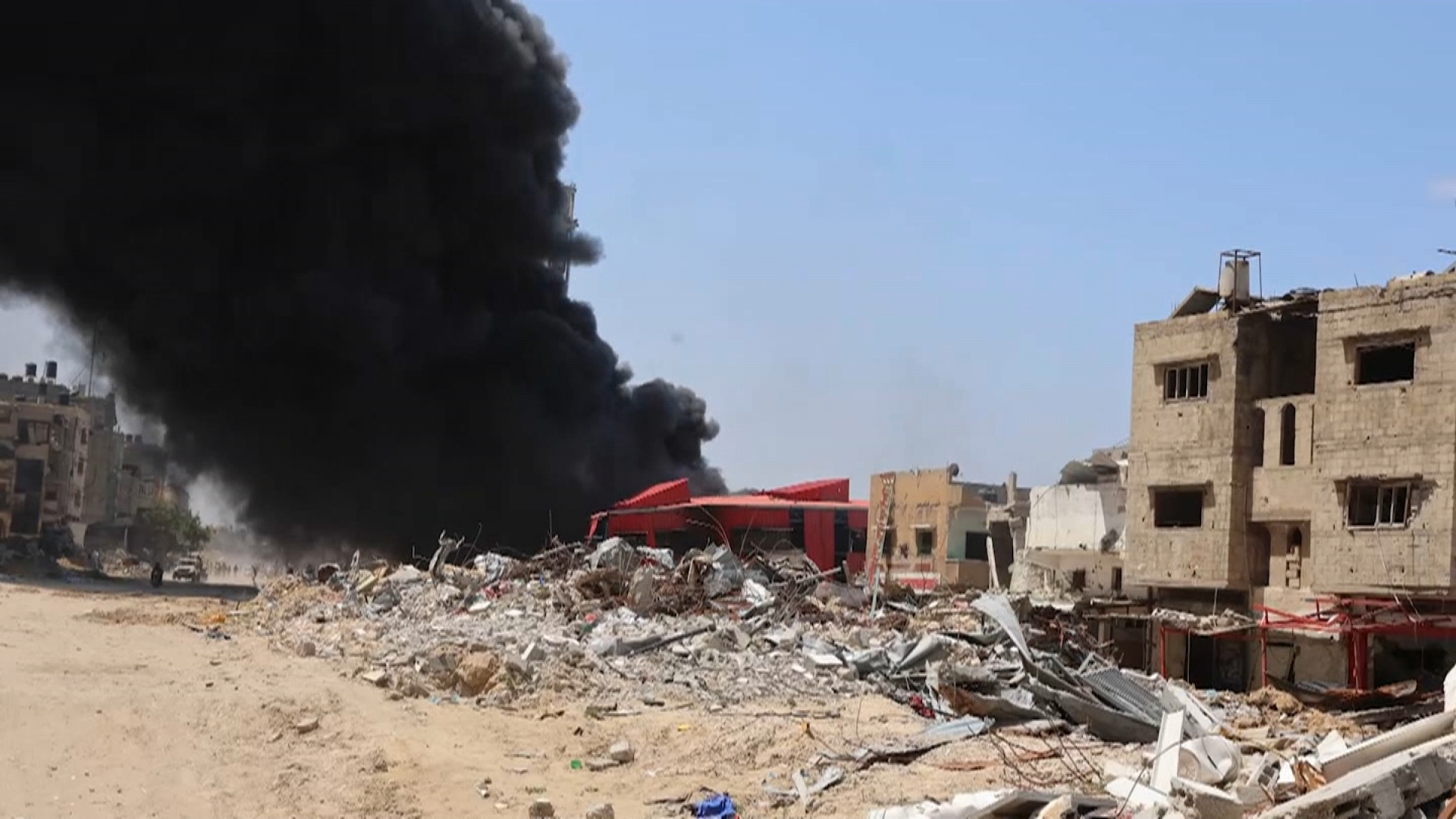
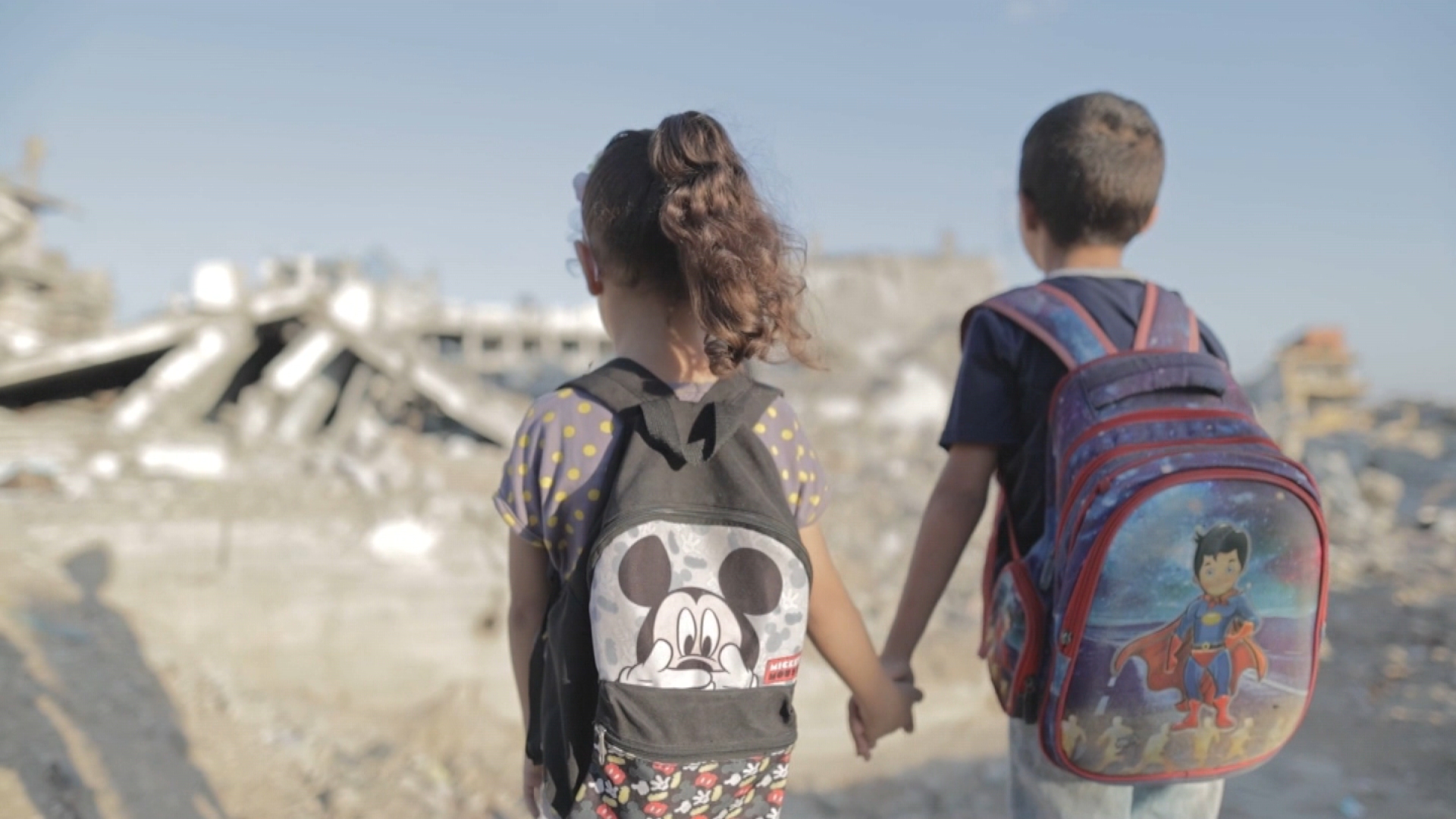
The impact of the destruction is also visible along routes to learning spaces and in the classrooms themselves, with some children studying in temporary structures made from corrugated metal sheets, while rubble surrounds areas that once contained schools and other educational facilities.
Student Ahmad al-Ghoul said, “Before the war, the streets were good, but now they have all become rubble. At school, we had a library where I could get books and do my drawings.”
While the start of the school year represents an effort to return children to a more regular pattern of learning, the United Nations says the continued shortage of safe learning spaces and educational supplies, together with the scale of damage to schools, means restoring full formal education in Gaza remains a long-term challenge.