Media Home
 UN Web TV
 UN Audiovisual Library
 UN Photo
UNGA81 / PANDEMIC PREPAREDNESS
Download
There is no media available to download.
Share
STORY: UNGA81 / PANDEMIC PREPAREDNESS
TRT: 05:21
SOURCE: UNIFEED
RESTRICTIONS: NONE
LANGUAGES: ENGLISH / NATS
DATELINE: 21, 25 SEPTEMBER 2026, NEW YORK CITY
21 SEPTEMBER 2026, NEW YORK CITY
1. Pan right, #UNGA and #SDG sign outside United Nations Headquarters
25 SEPTEMBER 2026, NEW YORK CITY
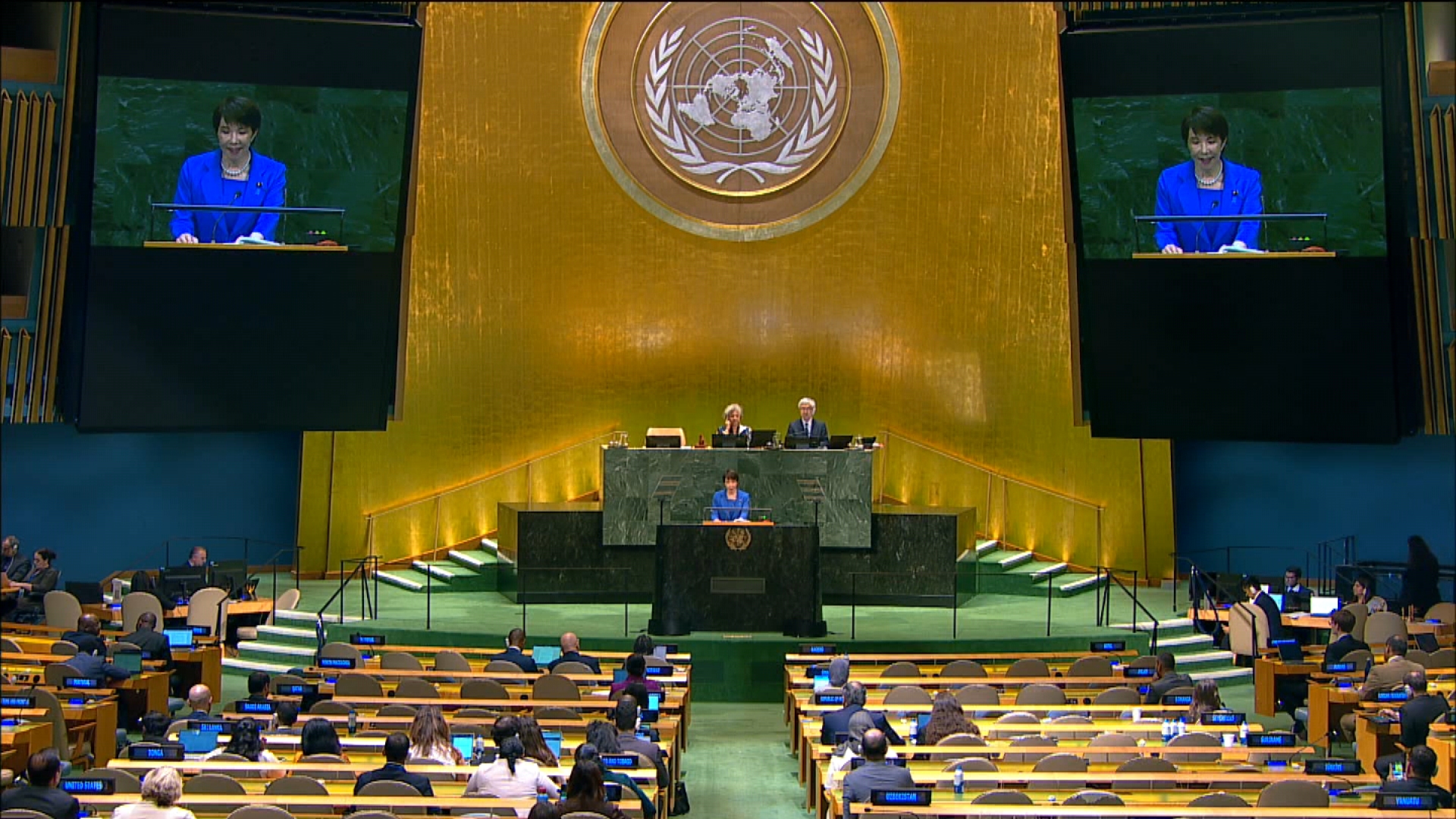
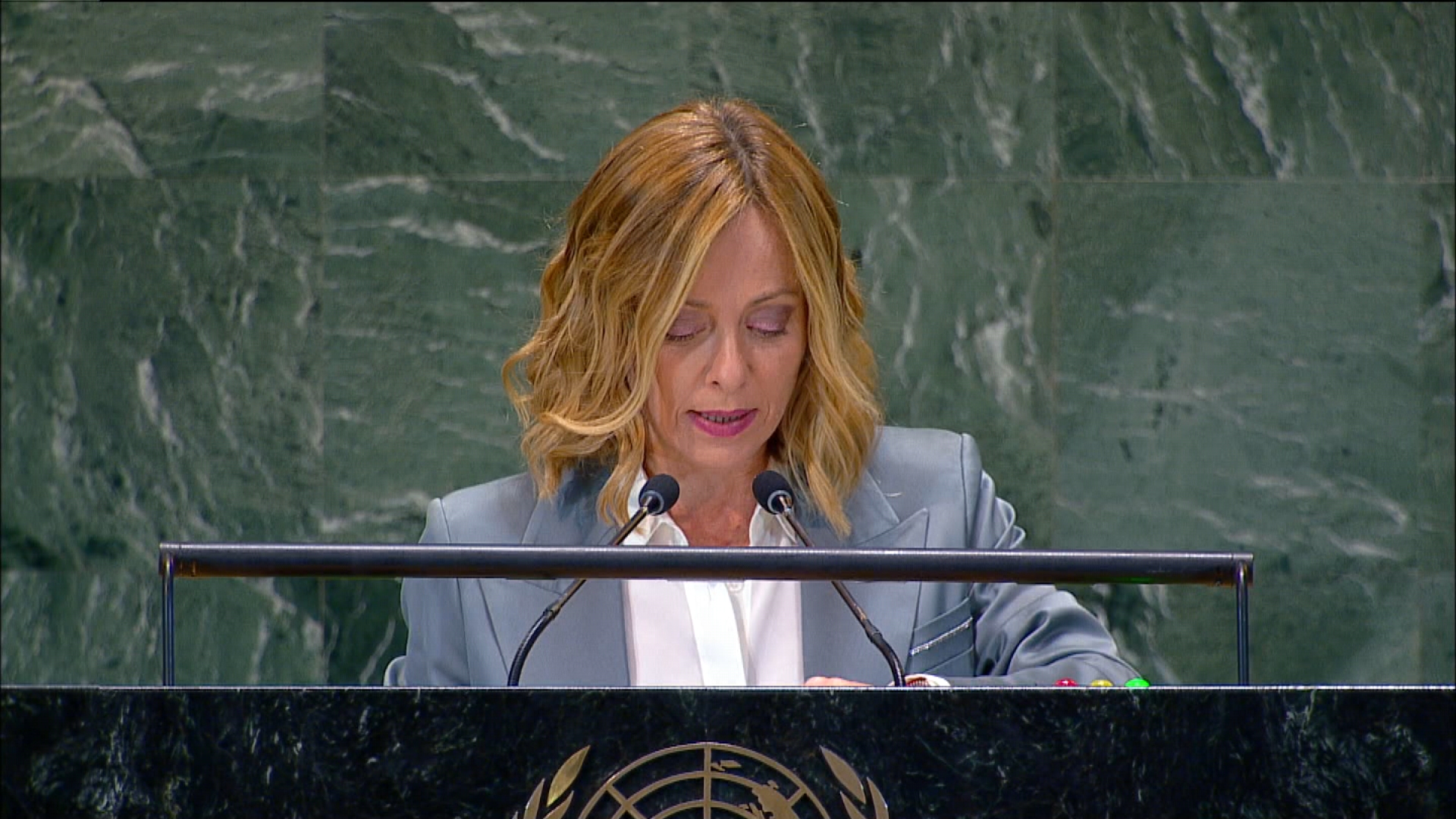
2. Wide shot, conference room
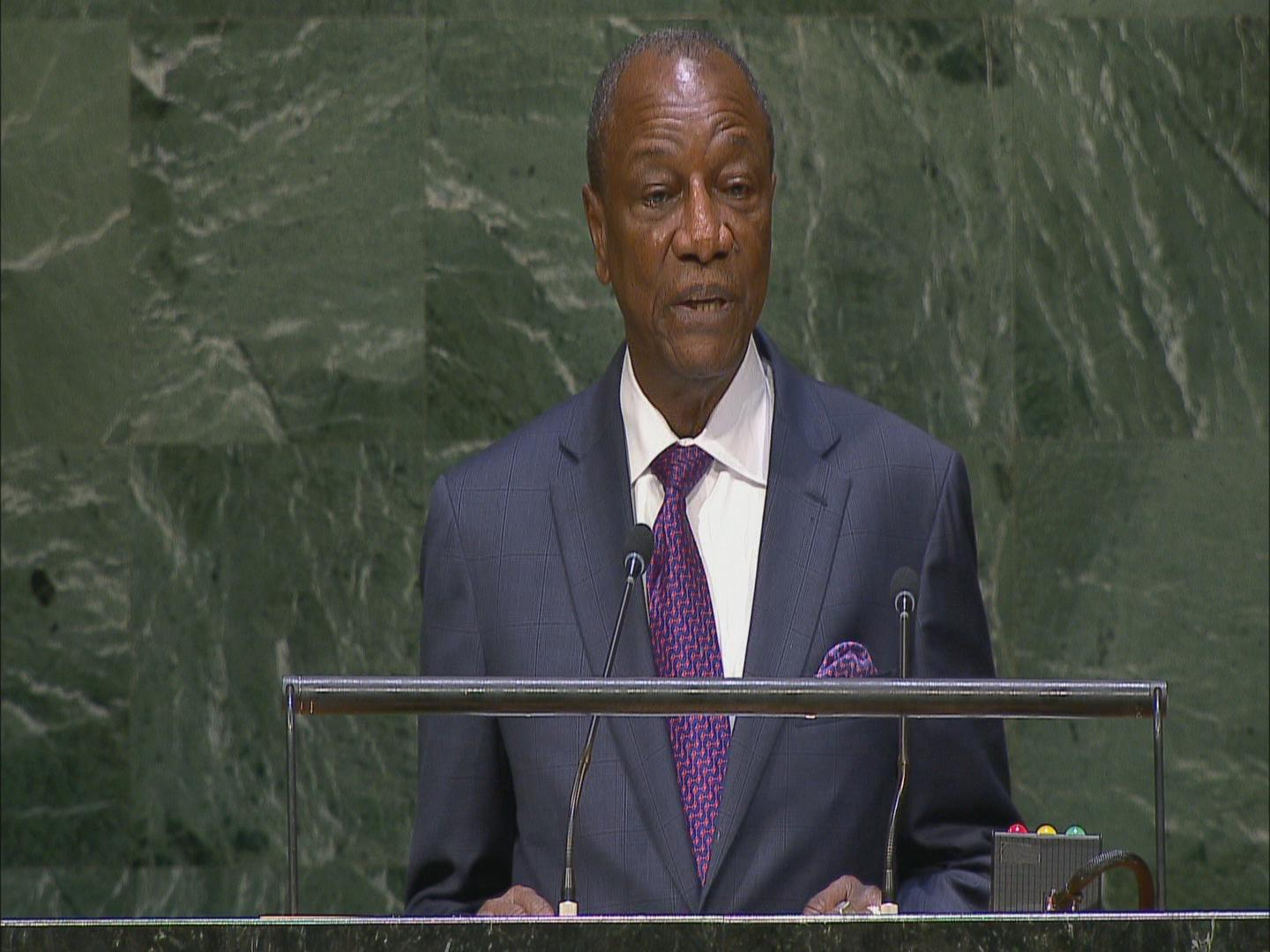
3. SOUNDBITE (English) Khalilur Rahman, President of the General Assembly, United Nations:
“Some may argue that pandemics are beyond the remit of this institution, noting that the word itself does not appear in the Charter. Yet that would be a fallacy. The Charter and the United Nations were designed precisely to tackle global challenges, for which no single isolated response can suffice. Pandemics do not respect borders, wealth or military power. They don't need passports or visas to cross boundaries. Viruses do not recognize national income or geopolitical status.”
4. Wide shot, conference room
5. SOUNDBITE (English) Khalilur Rahman, President of the General Assembly, United Nations:
“The world has always lived with viruses and with the risk of pandemics. We cannot eliminate that risk entirely. But we can decide how prepared we will be when the next threat emerges. We can detect an outbreak before it becomes an epidemic. We can contain an epidemic before it becomes a pandemic, and we can build health systems strong enough to protect people wherever they live and whatever their circumstances.”
6. Wide shot, delegates applauding
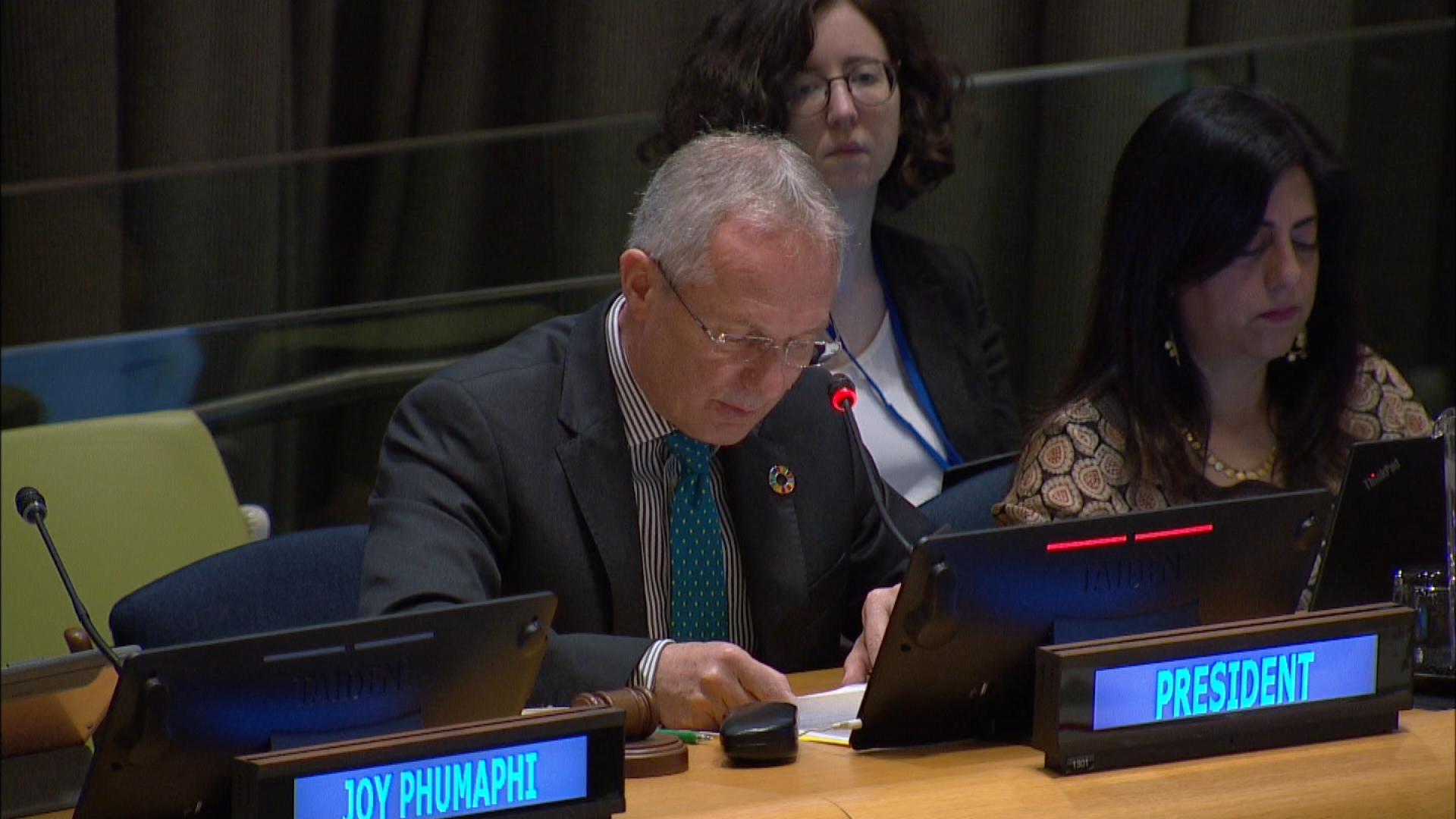
7. SOUNDBITE (English) Amina J. Mohammed, Deputy Secretary-General, United Nations:
“Since the 2023 Political Declaration, the world has made significant progress. This includes important amendments to the International Health Regulations, adoption of the World Health Organization's Pandemic Agreement, and ongoing negotiations towards the Pathogen Access and Benefit Sharing Annex. But our work is far from done. Despite some progress and pathogen access and benefit sharing, more work is needed to bring it across the finish line.”
8. Wide shot, delegates applauding
9. SOUNDBITE (English) Tedros Adhanom Ghebreyesus, Director-General, World Health Organization (WHO):
“The final piece of the puzzle is the Pathogen Access and Benefit Sharing System, which countries are continuing to negotiate. Although differences remain, I am confident that countries will find common ground, just as they did with the agreement itself.”
10. Wide shot, conference room
11. SOUNDBITE (English) Tedros Adhanom Ghebreyesus, Director-General, World Health Organization (WHO):
“The Pandemic Agreement and the IHR do not, I repeat, do not infringe on national sovereignty in any way. On the contrary, they have been negotiated and adopted by sovereign states as an act of their sovereignty, because they recognize that pandemics do not respect borders.”
12. Wide shot, conference room
13. SOUNDBITE (English) Tedros Adhanom Ghebreyesus, Director-General, World Health Organization (WHO):
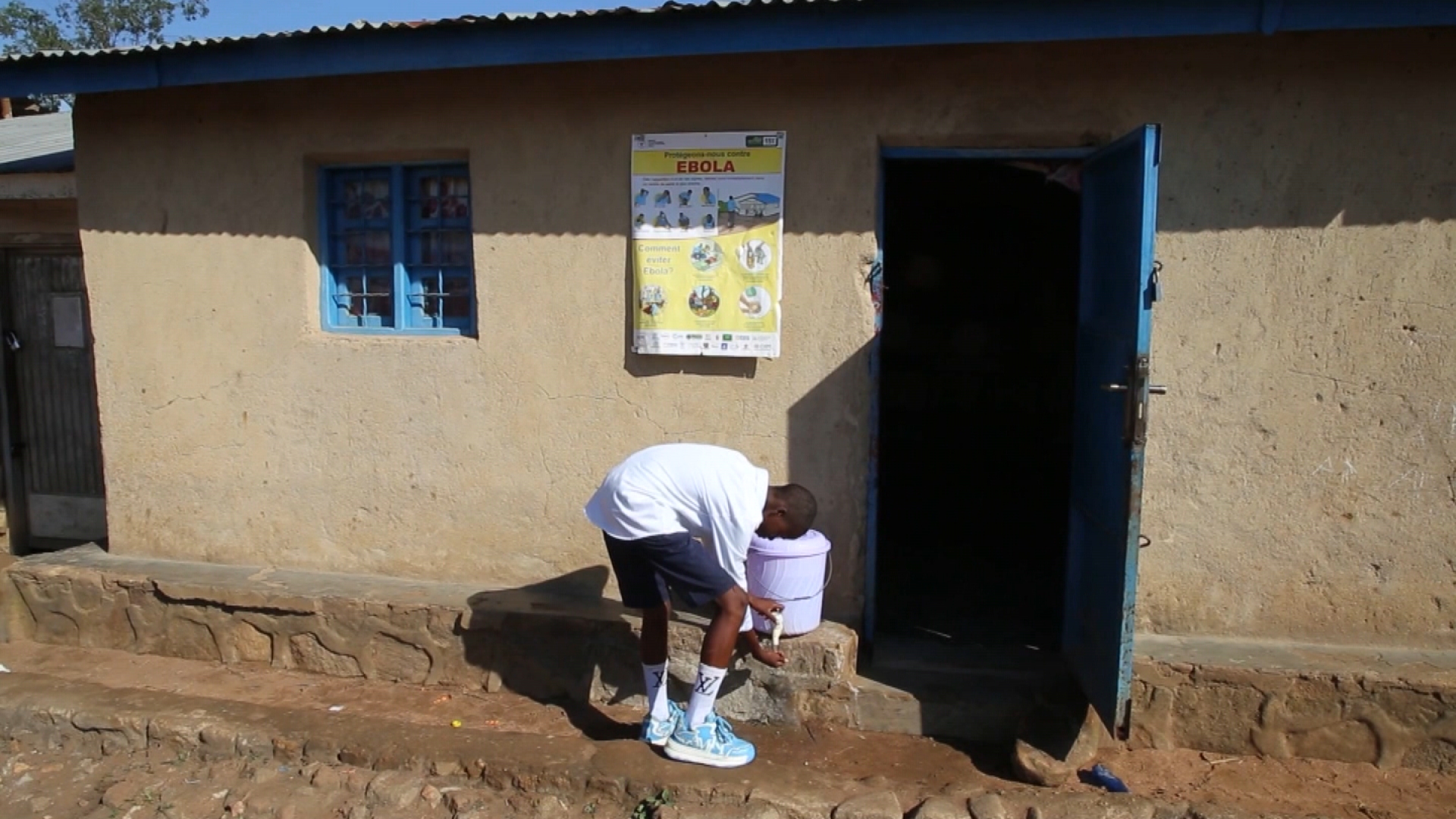
“The current Ebola outbreak in the Democratic Republic of the Congo, as DSG Amina had said, is a reminder of the ever-present threat to epidemics and pandemics, not only for local communities but the whole world. Ebola is unlikely to become a pandemic. It will not be a pandemic, but the next pandemic is a matter of when, not if.”
14. Wide shot, delegates applauding
15. SOUNDBITE (English) Helen Clark, Co-Chair, Independent Panel for Pandemic Preparedness and Response (IPPR):
“We are still far short of the 15 billion dollars needed every year in international financing to fill the preparedness gap. The Pandemic Fund does the very best job it can with the funding it has. Please give it more support. Every weakness in surveillance, diagnostics, laboratories, the health workforce, and in the essential community engagement which builds trust leaves us all more vulnerable.”
16. Wide shot, delegates applauding
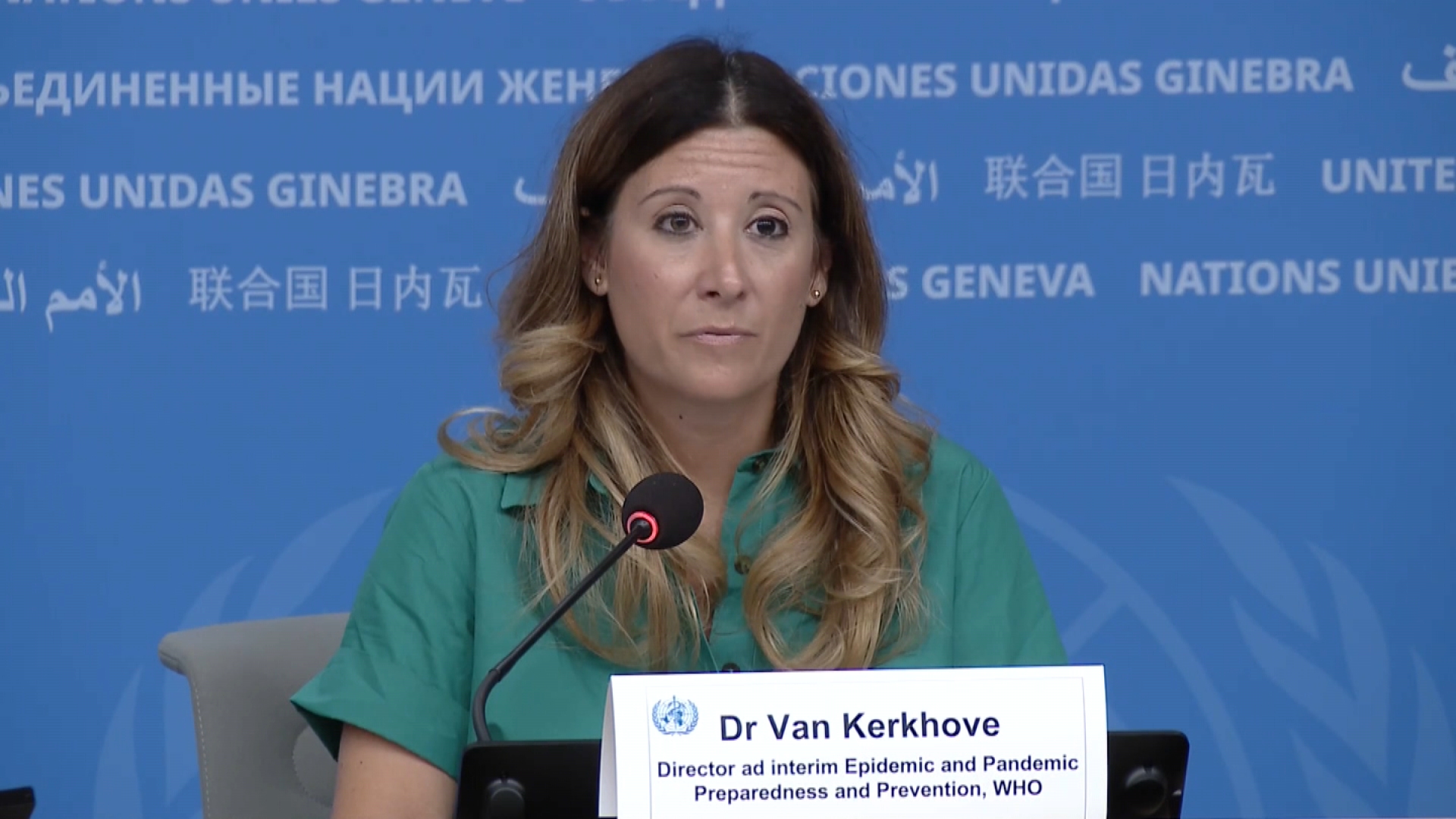
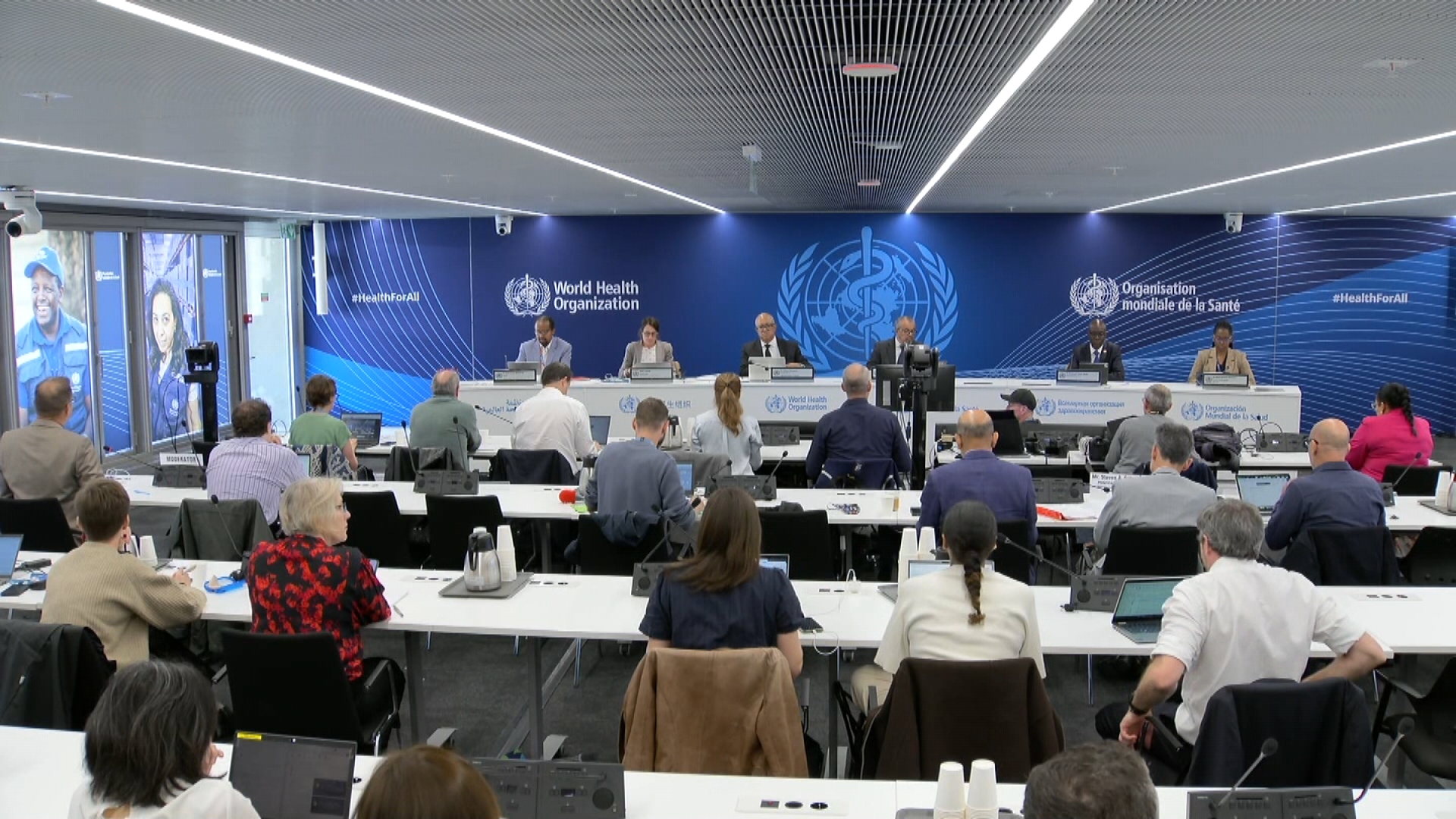
17. Wide shot, press briefing room
18. SOUNDBITE (English) Tedros Adhanom Ghebreyesus, Director-General, World Health Organization (WHO):
“We continue to see significant myths and disinformation about the WHO Pandemic Agreement with false claims it's a power grab that cedes sovereignty to WHO. This is completely untrue. The pandemic agreement was written, negotiated and adapted by sovereign countries acting in their own national interests. That's because they realized that a shared threat demands a shared response, and every country for itself approach will not work.”
19. Wide shot, press briefing room
20. SOUNDBITE (English) Tedros Adhanom Ghebreyesus, Director-General, World Health Organization (WHO):
“We need to build capacity at national level to prevent, and if anything happens to early detect and respond swiftly. Especially the national capacity is important, whether it's, surveillance, collecting information, sharing and all the things they should do at country level, because we are as strong as the weakest link. And unless we invest specially in countries who are vulnerable, the whole world will be affected by the weaknesses you see in in some places.”
21. Wide shot, end of press briefing
The World Health Organization’s Director-General, Dr. Tedros Ghebreyesus today (25 Sep) said the Pathogen Access and Benefit Sharing System, which countries are continuing to negotiate, is “the final piece of the puzzle” to complete the Pandemic Agreement and expressed confidence that “countries will find common ground, just as they did with the agreement itself.”
During a High-Level Meeting on Pandemic Prevention, Preparedness and Response on the margins of UNGA81, the President of the General Assembly Khalilur Rahman said, “some may argue that pandemics are beyond the remit of this institution, noting that the word itself does not appear in the Charter. Yet that would be a fallacy. The Charter and the United Nations were designed precisely to tackle global challenges, for which no single isolated response can suffice.”
Rahman said, “pandemics do not respect borders, wealth or military power. They don't need passports or visas to cross boundaries. Viruses do not recognize national income or geopolitical status.”
He told the meeting that “the world has always lived with viruses and with the risk of pandemics. We cannot eliminate that risk entirely. But we can decide how prepared we will be when the next threat emerges.”
Deputy Secretary-General Amina J. Mohammed for her part said, “since the 2023 Political Declaration, the world has made significant progress. This includes important amendments to the International Health Regulations, adoption of the World Health Organization's Pandemic Agreement, and ongoing negotiations towards the Pathogen Access and Benefit Sharing Annex, but our work is far from done.”
Dr. Tedros said, “the Pandemic Agreement and the IHR do not, I repeat, do not infringe on national sovereignty in any way. On the contrary, they have been negotiated and adopted by sovereign states as an act of their sovereignty, because they recognize that pandemics do not respect borders.”
He said the current Ebola outbreak in the Democratic Republic of the Congo “is a reminder of the ever-present threat to epidemics and pandemics, not only for local communities but the whole world,” adding that Ebola “will not be a pandemic, but the next pandemic is a matter of when, not if.”
The Co-Chair of the Independent Panel for Pandemic Preparedness and Response (IPPR), Helen Clark, told the meeting that “we are still far short of the 15 billion dollars needed every year in international financing to fill the preparedness gap,” and made a call to donors to “give it more support.”
Clark said, “every weakness in surveillance, diagnostics, laboratories, the health workforce, and in the essential community engagement which builds trust leaves us all more vulnerable.”
At a press encounter after the meeting, Dr. Tedros said, “we continue to see significant myths and disinformation about the WHO Pandemic Agreement with false claims it's a power grab that cedes sovereignty to WHO. This is completely untrue. The pandemic agreement was written, negotiated and adapted by sovereign countries acting in their own national interests. That's because they realized that a shared threat demands a shared response, and every country for itself approach will not work.”
He said, “we need to build capacity at national level to prevent, and if anything happens to early detect and respond swiftly. Especially the national capacity is important, whether it's, surveillance, collecting information, sharing and all the things they should do at country level, because we are as strong as the weakest link. And unless we invest specially in countries who are vulnerable, the whole world will be affected by the weaknesses you see in in some places.”
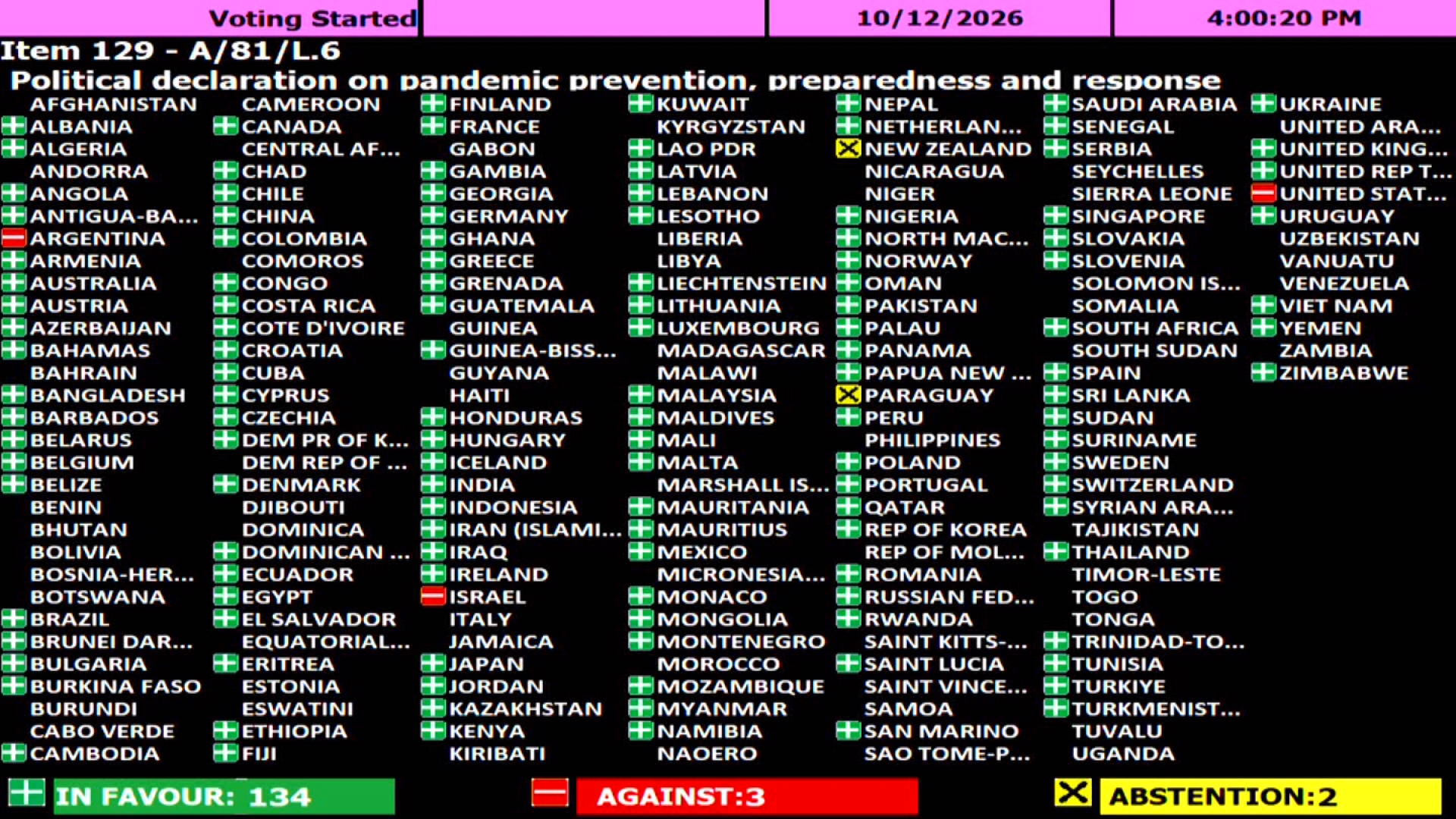
The meeting was convened to review the implementation of the “Political declaration of the General Assembly high-level meeting on pandemic prevention, preparedness and response” of 2023, taking into consideration and in full coordination with the outcomes of other related processes to strengthen pandemic prevention, preparedness and response.
The high-level meeting shall approve a concise and action-oriented political declaration, agreed in
advance by consensus through intergovernmental negotiations, to be submitted by the President of
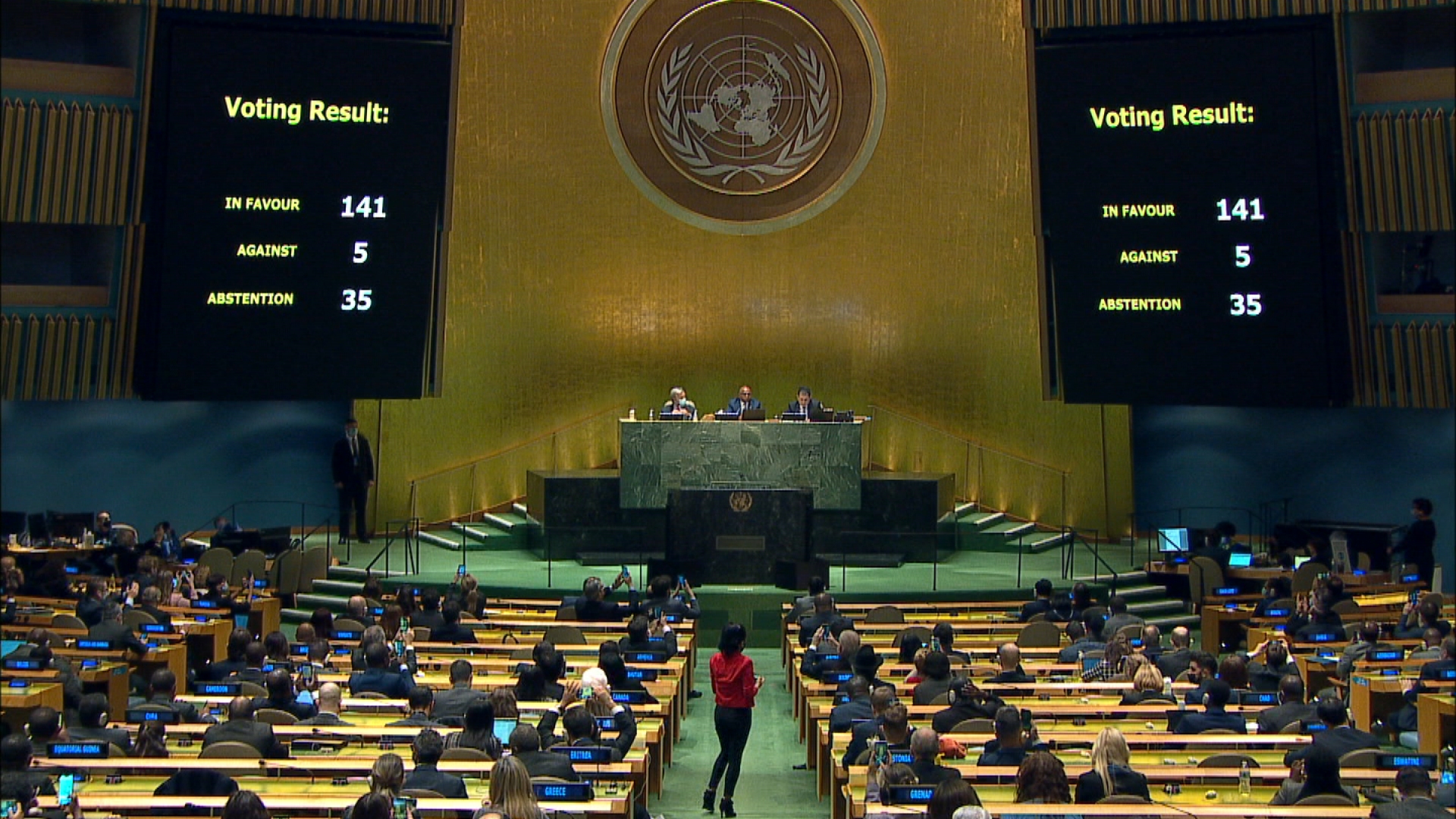
the General Assembly for adoption by the General Assembly.