Media Home
 UN Web TV
 UN Audiovisual Library
 UN Photo
GAZA / UNSAFE DAMAGED HOMES
Download
There is no media available to download.
Share
STORY: GAZA / UNSAFE DAMAGED HOMES
TRT: 4:43
SOURCE: UNIFEED
RESTRICTIONS: NONE
LANGUAGES: ARABIC / NATS
DATELINE: 27 SEPTEMBER 2026, GAZA CITY
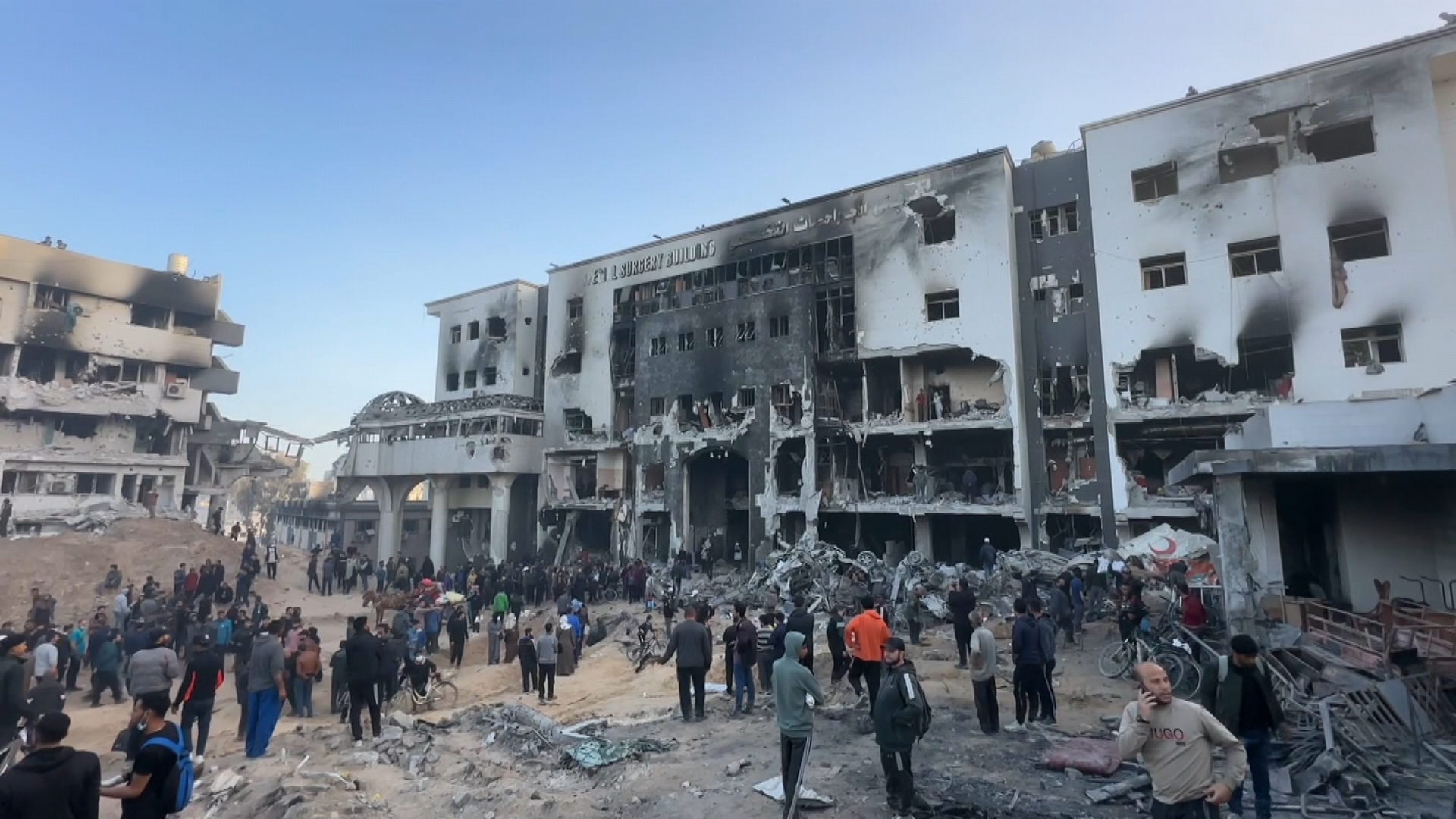
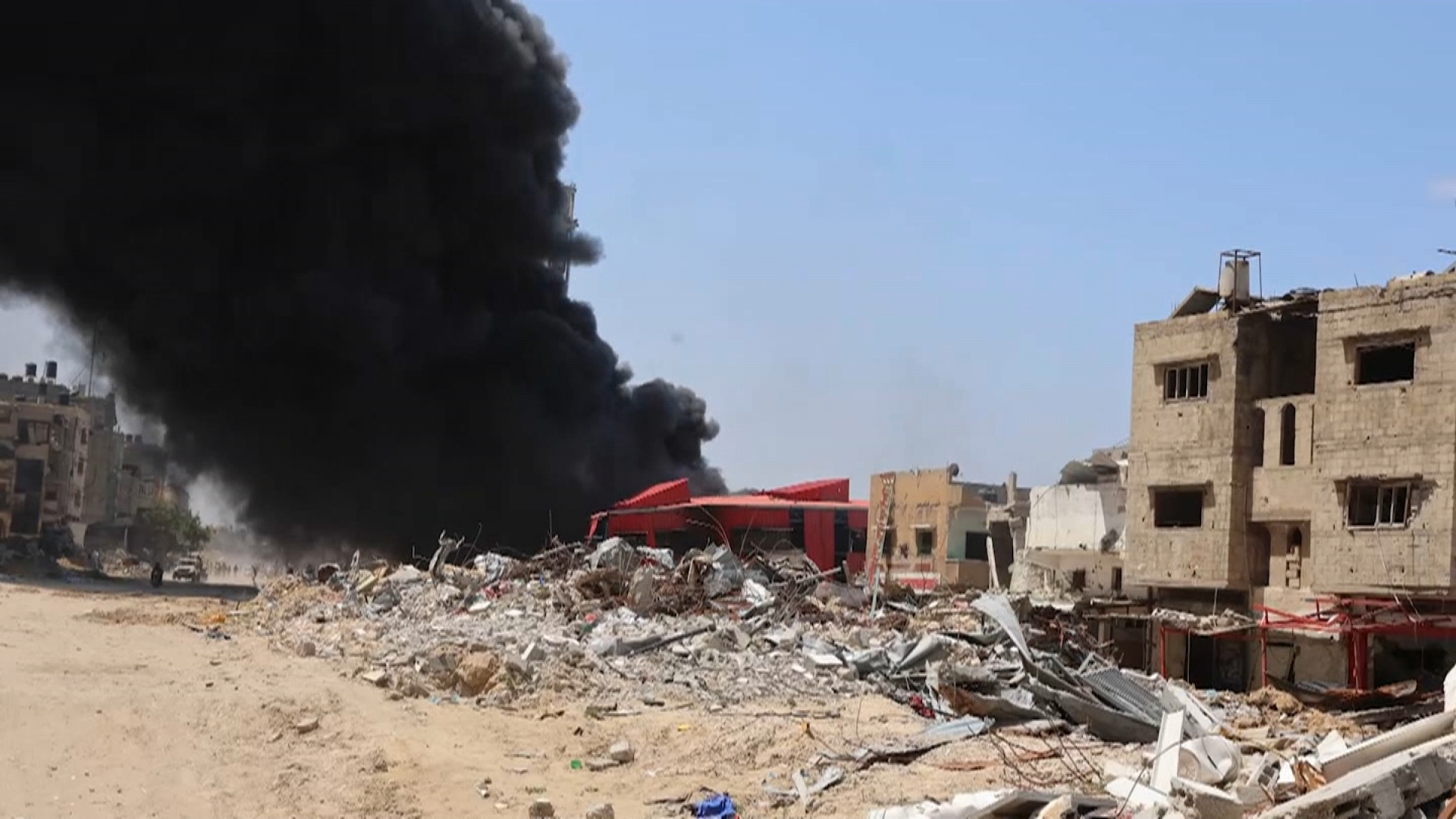
1. Various shots, two destroyed residential buildings in Al-Nasr neighbourhood in Gaza City, where residents are living among the rubble
2. Various shots, destroyed residential buildings in Al-Karama neighbourhood in Gaza City, where residents are living among the rubble
3. Various shots, damaged concrete columns of high-rise residential buildings where Palestinians are living despite risks to their lives
4. Various shots, residents of one residential building at risk of collapse gathering outside the building
5. SOUNDBITE (Arabic) Um Mohammed, Resident of Al-Karama neighbourhood, Gaza City:
“We are not living a good life. At any time, at any hour, we expect the building to collapse. We live in terror and fear, and we are not living a good life. What are we missing so that we can live, like other people, a good and comfortable life?”
6. Various shots, damage to the foundations of the building where Um Mohammed lives in Al-Karama neighbourhood, which is at risk of collapse
7. Various shots, children playing among the rubble of the damaged building where they live despite warnings that it could collapse
8. Various shots, Mohammed Safi and his neighbours gathering outside the residential building where they live, which is at risk of collapse
9. SOUNDBITE (Arabic) Mohammed Safi, resident of Gaza City:
“There are around twenty families in this building, comprising more than 120 people, including around 30 children, and there are five elderly people. In this situation, people cannot go to tents. Regarding the tents, we do not know when there will be relief for us, and whether we will get temporary housing. And as you can see, with the narrow yellow line, it is difficult for more than 120 people to go to tents, and we are urgently calling for support for the residents.”
10. Various shots, widespread destruction of residential buildings in Al-Nasr neighbourhood in Gaza City, where some residents have been forced to return and live despite the risks
11. Various shots, residents using fabric in place of destroyed walls in homes at risk of collapse
12. Various shots, Michel Nteel standing on part of his destroyed home, where he has returned to live despite the risks
13. SOUNDBITE (Arabic) Michel Nteel, resident of Al-Nasr neighbourhood, Gaza City:
“We have nothing. We live like this under a roof that will fall, and in a building that may collapse. We live among reptiles and insects. I stay awake all night beside the children, afraid that rats will bite them.”
14. Various shots, widespread destruction of residential buildings in Al-Nasr neighbourhood in Gaza City, where some residents have been forced to return and live despite the risks
15. Various shots, children walking along streets among the rubble of destroyed homes
Palestinians in neighbourhoods of Gaza City are living inside buildings severely damaged during the war despite the risk of collapse, amid a shortage of alternative housing and continued delays in reconstruction and repairs nearly a year after the ceasefire.
In the Al-Nasr and Al-Karama neighbourhoods of Gaza City, families have returned to damaged homes or to sections of buildings that remain standing, using fabric to cover gaps left by collapsed walls, while children live inside buildings that residents say are unsafe.
Um Mohammed is living in Al-Karama neighbourhood in a building at risk of collapse. She said her family lives with constant fear that the structure could fall.
“At any time, at any hour, we expect the building to collapse. We live in terror and fear,” she said. “What are we missing so that we can live, like other people, a good and comfortable life?”
Concerns over the safety of damaged buildings increased after a residential building collapsed in Gaza City on 16 September, killing 21 people, including children.
The United Nations Office for the Coordination of Humanitarian Affairs said many people continue to live in unsafe buildings because better housing arrangements are not available.
Mohammed Safi, who lives with his neighbours in a building at risk of collapse, said around 20 families comprising more than 120 people are staying in the building, including around 30 children and five elderly people.
Safi said moving to tents was not a practical option for the families living there, adding that residents were waiting for temporary housing or any solution that could provide them with a safer place to live.
“We do not know when we will get temporary housing,” Safi said. “It is difficult for more than 120 people to go to tents, and we are urgently calling for support for the residents.”
Damage to structures across Gaza continues to increase, according to the latest satellite-based assessment by the United Nations Satellite Centre (UNOSAT). As of 16 June 2026, 201,290 structures – or an estimated 82 per cent of all structures in the Gaza Strip -- had sustained damage. Of these, 134,422 are assessed as destroyed, 13,848 as severely damaged, 28,096 as moderately damaged, and 24,924 as possibly damaged. Compared with UNOSAT’s previous assessment of 11 October 2025, the total number of affected structures increased by 1.5 per cent, while the number of destroyed structures rose by 9 per cent, indicating continued deterioration of the built environment.
The assessment further estimates that 328,627 housing units have been damaged, representing a 2.5 per cent increase since October 2025. The largest increases in newly affected structures were recorded in Gaza and North Gaza governorates, with approximately 381 and 258 additional damaged structures, respectively.
Michel Nteel, who returned to live in a damaged section of his home in Al-Nasr neighbourhood, said the absence of alternatives had forced his family to remain in unsafe conditions.
“We have nothing. We live like this under a roof that will fall, and in a building that may collapse,” Nteel said. “We live among reptiles and insects. I stay awake all night beside the children, afraid that rats will bite them.”
UN office for humanitarian affairs (OCHA) said that the humanitarian situation in Gaza remained critical, military activities continued across the Strip, with daily air strikes, shelling, gunfire and naval fire reported mainly west of the agreed deployment line known as the “Yellow Line" where nearly the entire population of 2.1 million people remains concentrated in less than half of the Strip amid extremely overcrowded conditions.
The United Nations Deputy Special Coordinator, Resident and Humanitarian Coordinator, Ramiz Alakbarov, has expressed concern over the recent Israeli airstrikes in Gaza, which reportedly resulted in civilian casualties and damage to critical medical supplies and civilian infrastructure.
The cost of damage to critical infrastructure in Gaza is estimated at around $18.5 billion according to a new report released in April by the World Bank and the United Nations, with financial support of the European Union. That is equivalent to 97 percent of the combined GDP of the West Bank and Gaza in 2022.
For families who have returned to damaged buildings in Gaza City neighbourhoods, however, the scale of reconstruction remains a distant issue compared with the immediate danger: finding somewhere to live without waiting for the roof above them to collapse.