Media Home
 UN Web TV
 UN Audiovisual Library
 UN Photo
UNGA81 / DURBAN DECLARATION ANTI-RACISM
Download
There is no media available to download.
Share
STORY: UNGA81 / DURBAN DECLARATION ANTI-RACISM
TRT: 03:17
SOURCE: UNIFEED
RESTRICTIONS: NONE
LANGUAGES: ENGLISH / FRENCH / NATS
DATELINE: 28 SEPTEMBER 2026, NEW YORK CITY / FILE
21 SEPTEMBER 2026, NEW YORK CITY
1. Wide shot, UN Headquarters
28 SEPTEMBER 2026, NEW YORK CITY
2. Wide shot, Trusteeship Council Chamber
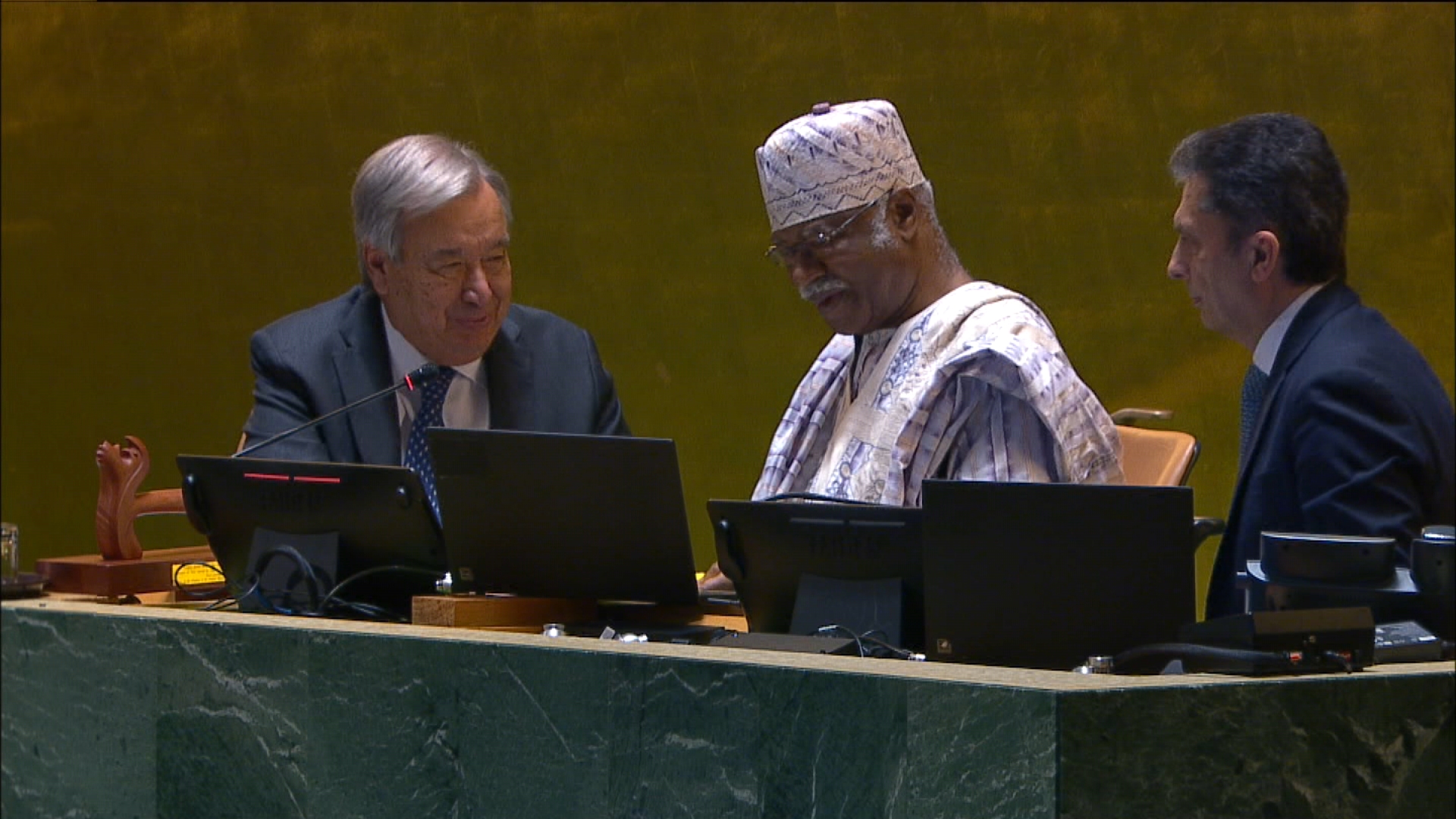
3. SOUNDBITE (English) António Guterres, Secretary-General, United Nations:
“As we see around the world, racism continues to poison societies, deepen inequalities, and deny people their fundamental rights and freedoms.”
4. Wide shot, Trusteeship Council Chamber
5. SOUNDBITE (English) António Guterres, Secretary-General, United Nations:
“Governments must strengthen and effectively implement anti-discrimination and equality laws, and the institutions that enforce them. They must also spare no effort to dismantle systemic discrimination and invest in inclusive and equal societies. While governments must take the lead, everyone has a role to play.”
6. Wide shot, Trusteeship Council Chamber
7. SOUNDBITE (French) António Guterres, Secretary-General, United Nations:
“As we look ahead, the world must confront the enduring consequences of slavery, colonialism and racial discrimination through concrete measures to deliver reparatory justice grounded in international human rights law.”
8. Wide shot, Trusteeship Council Chamber
9. SOUNDBITE (English) Claudia Fuentes Julio, Assistant Secretary-General for Human Rights, United Nations:
“Reports of discrimination are rising globally. Nearly 1 in 5 people across the world report having experienced discrimination in the past 12 months. Overall, race, color, ethnicity and socioeconomic status are the most commonly cited reasons for discrimination.”
10. Wide shot, Trusteeship Council Chamber
11. SOUNDBITE (English) Claudia Fuentes Julio, Assistant Secretary-General for Human Rights, United Nations:
“Today, our responsibility is not simply to reaffirm the promise of Durban, but to turn that promise into action and real impact. Over the past 25 years, progress has been made, laws have changed, institutions have been established, anti-racism movements have transformed public debate. At a time when this progress is threatened and we witness rollback in some countries, this anniversary must also be a moment, a moment of truth.”
12. Wide shot, Trusteeship Council Chamber
13. SOUNDBITE (English) Claudia Fuentes Julio, Assistant Secretary-General for Human Rights, United Nations:
“Reparative justice for legacies of the past is so essential. It is about truth seeking, acknowledgment and apologies. Education and memorialization. Compensation, restitution of heritage, medical and psychological support, and ensuring that victims and affected communities help determine what preparatory justice should look like.”
14. Wide shot, Trusteeship Council Chamber
15. SOUNDBITE (English) Claudia Fuentes Julio, Assistant Secretary-General for Human Rights, United Nations:
“25 years ago, the Durban Declaration articulated an ambitious vision a world in which equality and dignity are not determined by race, color, descent or national ethnic origin. That vision remained unfulfilled. Let this anniversary be a call to action to turn commitments into real equality. Durban gave us the roadmap. What is needed now is the political will to act.”
16. Wide shot, Trusteeship Council Chamber
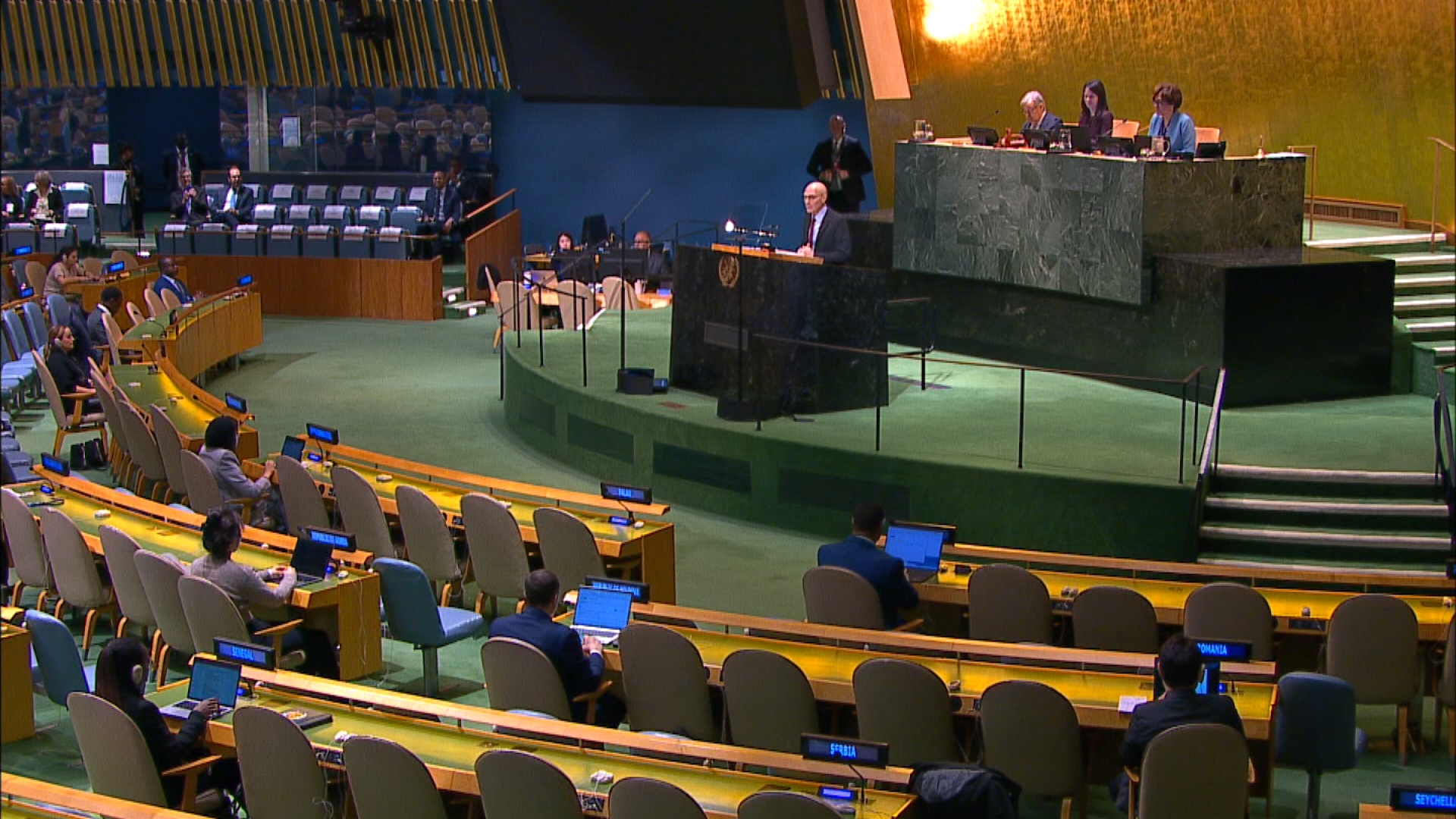
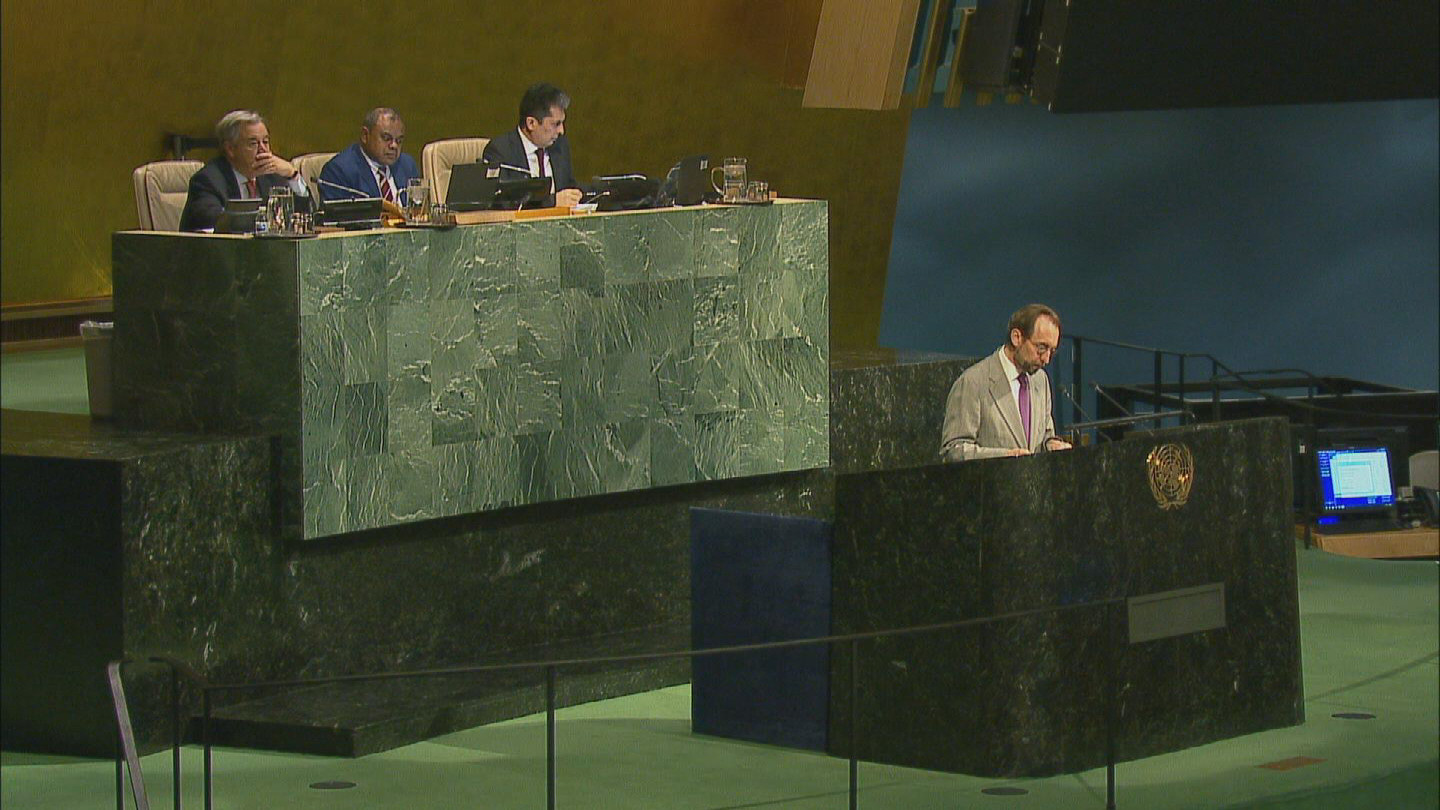
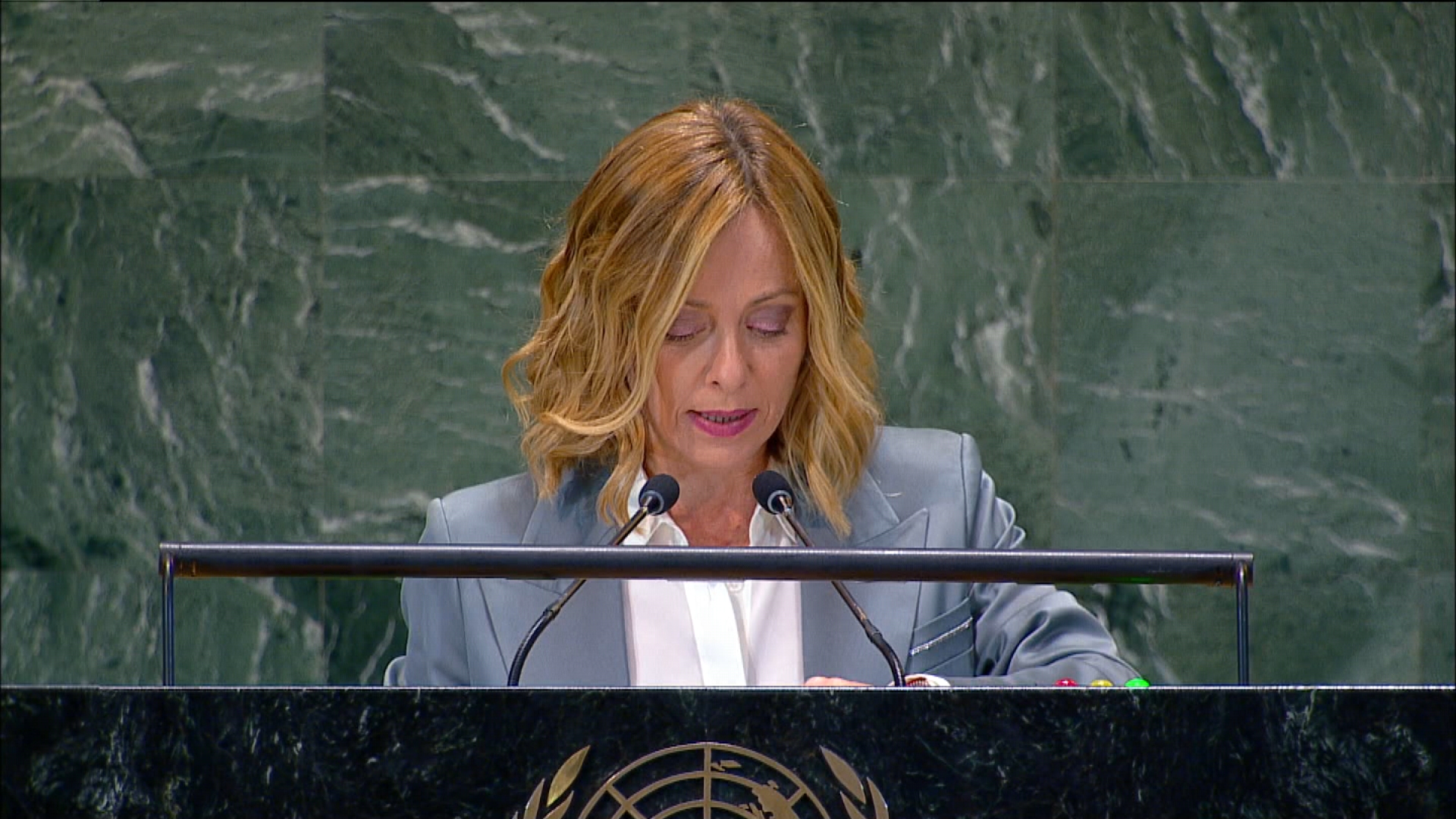
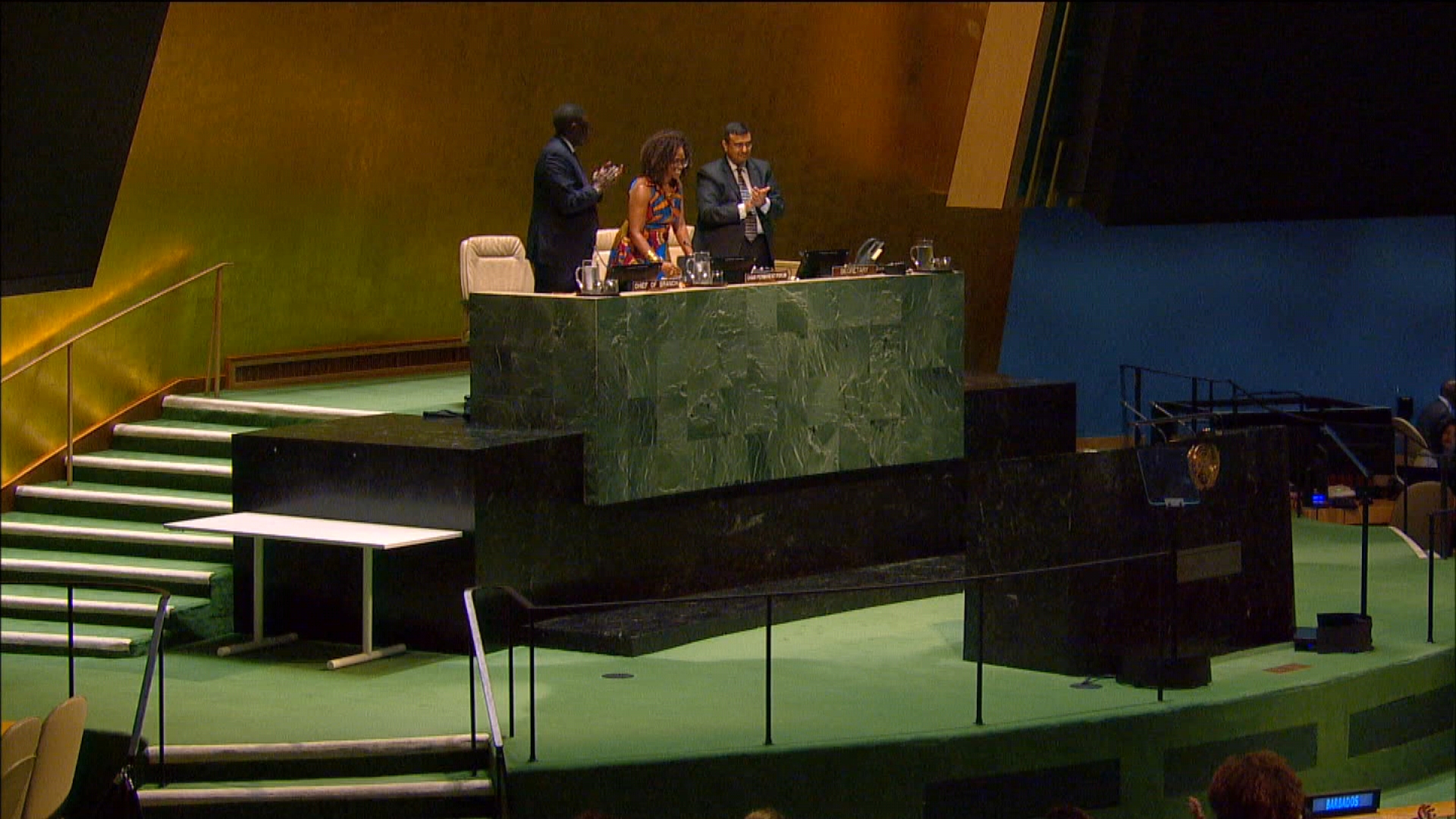
The General Assembly held today (28 Sep) a one-day high-level meeting to mark the twenty-fifth anniversary of the anti-racism Durban Declaration and Programme of Action, adopted in Durban, South Africa, in 2001.
The world’s most comprehensive framework to combat racism, the Durban Declaration seeks to acknowledge historical injustices, dismantle inequalities, protect from racial discrimination, and build societies grounded in dignity, equality and justice for all.
Addressing the meeting, UN Secretary-General António Guterres said, “As we see around the world, racism continues to poison societies, deepen inequalities, and deny people their fundamental rights and freedoms.”
He also said, “Governments must strengthen and effectively implement anti-discrimination and equality laws, and the institutions that enforce them. They must also spare no effort to dismantle systemic discrimination and invest in inclusive and equal societies. While governments must take the lead, everyone has a role to play.”
He added, “As we look ahead, the world must confront the enduring consequences of slavery, colonialism and racial discrimination through concrete measures to deliver reparatory justice grounded in international human rights law.”
Claudia Fuentes Julio, UN Assistant Secretary-General for Human Rights, noted, “Reports of discrimination are rising globally. Nearly 1 in 5 people across the world report having experienced discrimination in the past 12 months. Overall, race, color, ethnicity and socioeconomic status are the most commonly cited reasons for discrimination.”
She stressed, “Today, our responsibility is not simply to reaffirm the promise of Durban, but to turn that promise into action and real impact. Over the past 25 years, progress has been made, laws have changed, institutions have been established, anti-racism movements have transformed public debate. At a time when this progress is threatened and we witness rollback in some countries, this anniversary must also be a moment, a moment of truth.”
She continued, “Reparative justice for legacies of the past is so essential. It is about truth seeking, acknowledgment and apologies. Education and memorialization. Compensation, restitution of heritage, medical and psychological support, and ensuring that victims and affected communities help determine what preparatory justice should look like.”
She concluded, “25 years ago, the Durban Declaration articulated an ambitious vision a world in which equality and dignity are not determined by race, color, descent or national ethnic origin. That vision remained unfulfilled. Let this anniversary be a call to action to turn commitments into real equality. Durban gave us the roadmap. What is needed now is the political will to act.”