Media Home
 UN Web TV
 UN Audiovisual Library
 UN Photo
UN / DRC MONUSCO
Download
There is no media available to download.
Share
STORY: UN / DRC MONUSCO
TRT: 07:06
SOURCE: UNIFEED
RESTRICTIONS: NONE
LANGUAGES: ENGLISH / FRENCH / NATS
DATELINE: 29 SEPTEMBER 2026, NEW YORK CITY / FILE
FILE - NEW YORK CITY
1. Wide shot, exterior, United Nations Headquarters
29 SEPTEMBER 2026, NEW YORK CITY
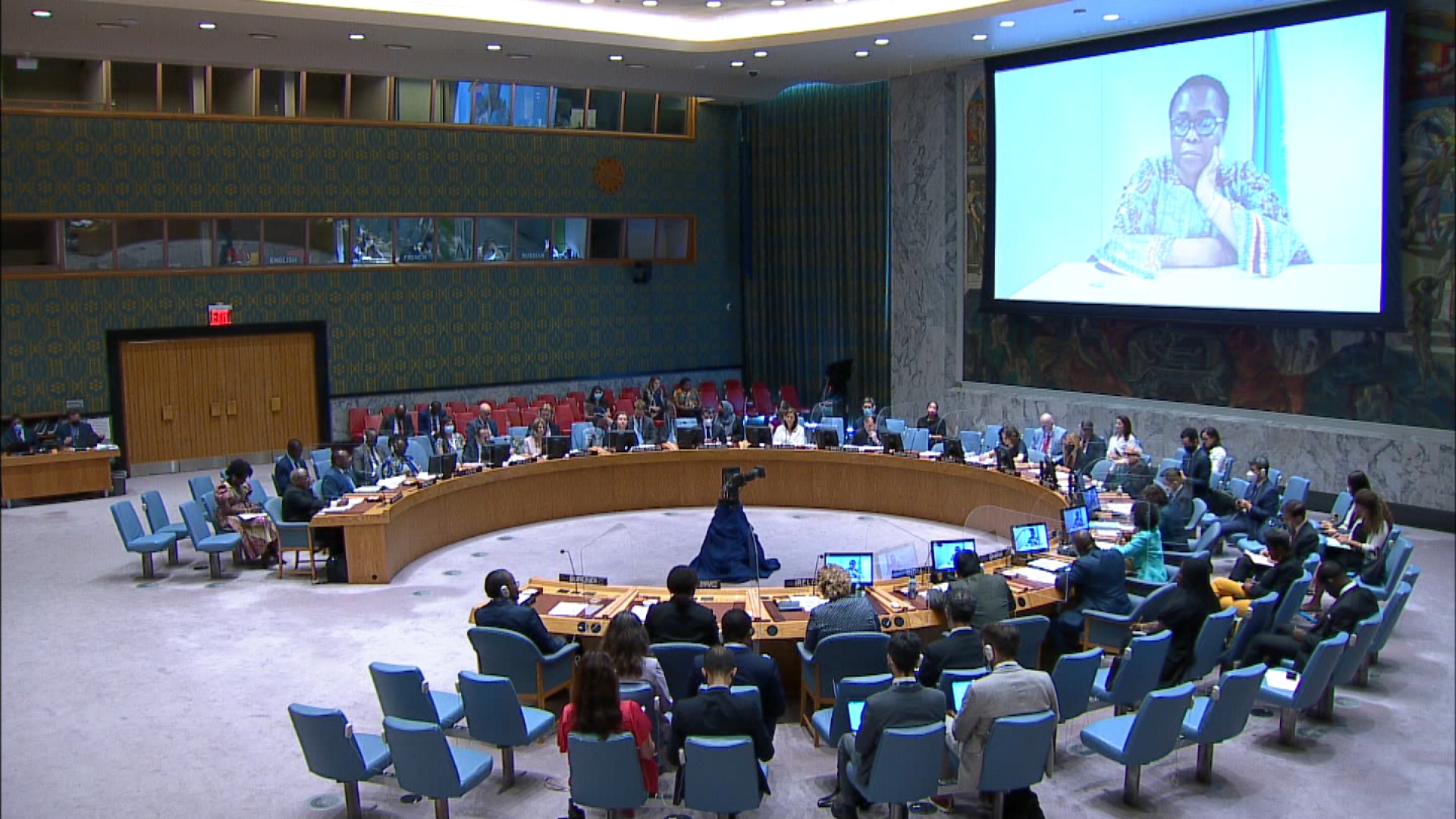
2. Wide shot, Security Council
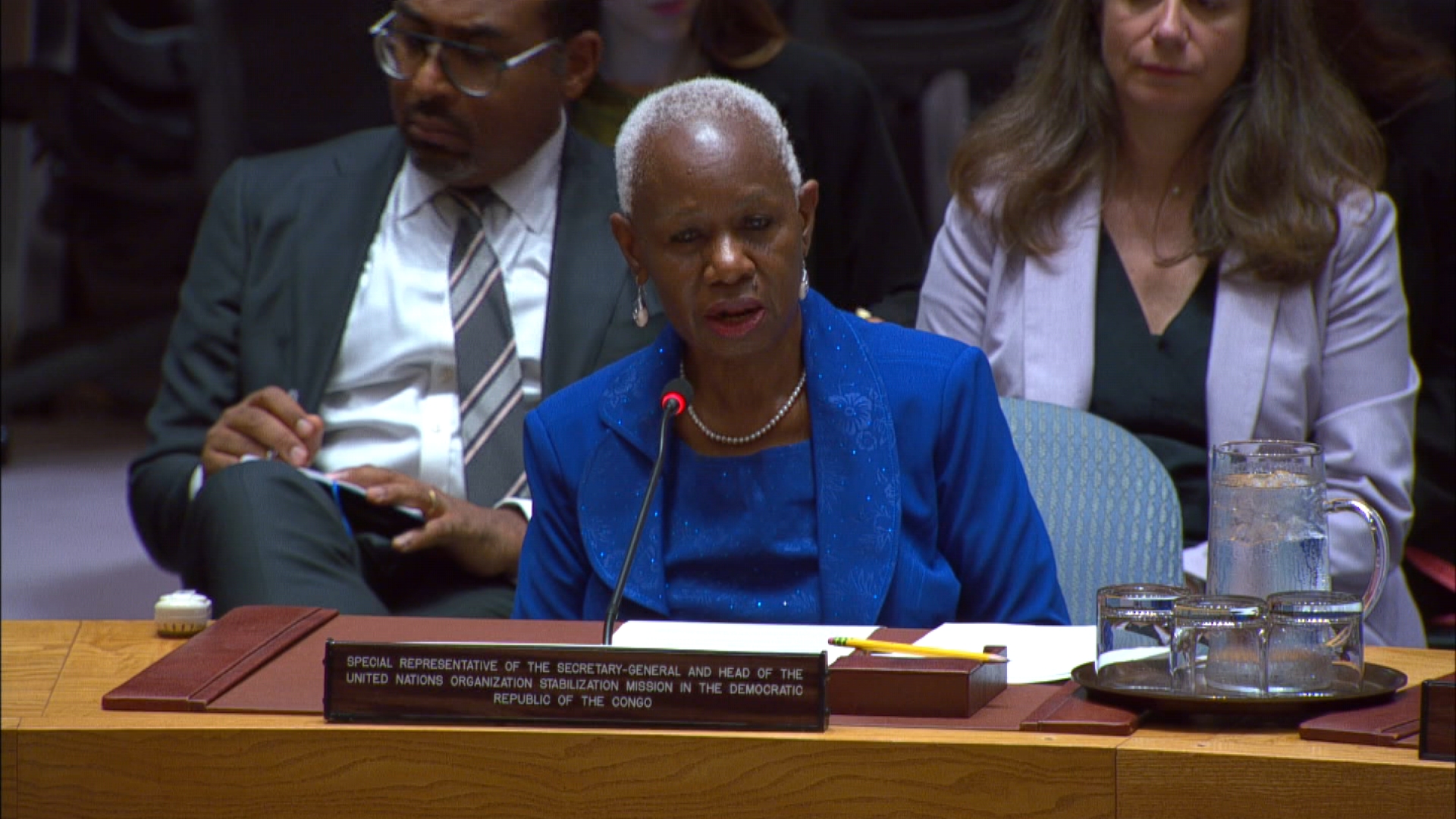
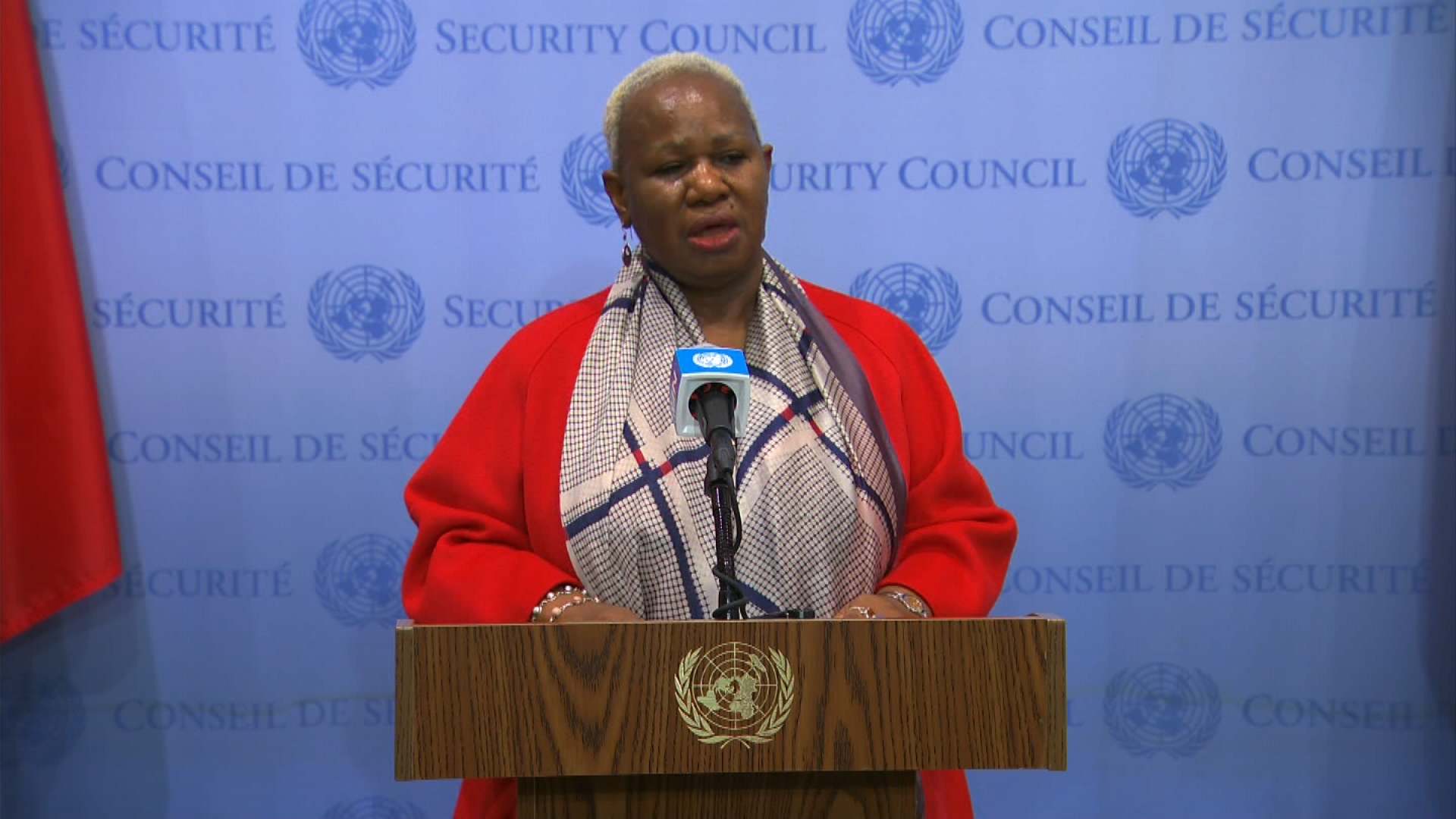
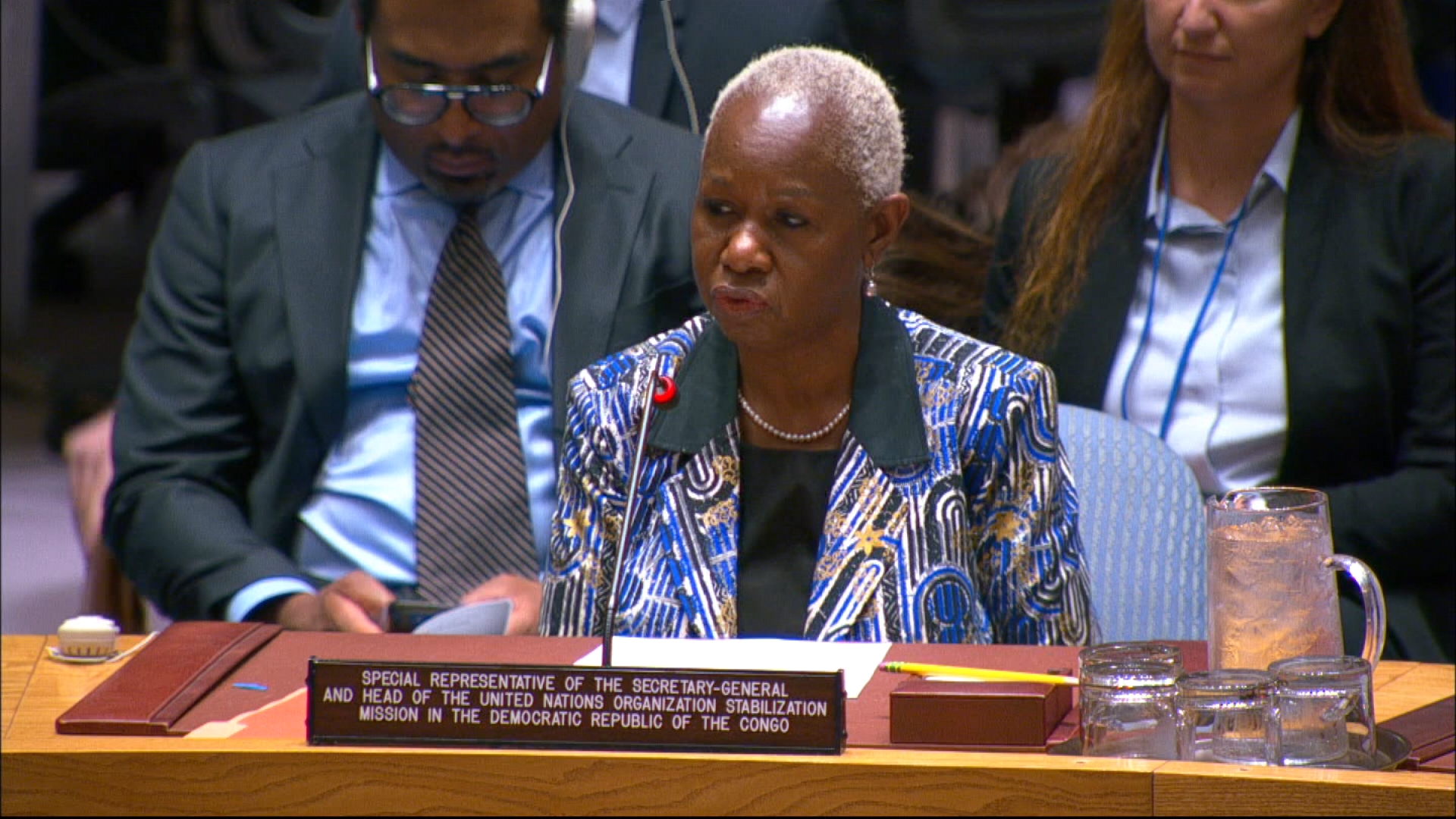
3. Wide shot, Council dais, MONUSCO Chief James Swan on screen
4. SOUNDBITE (English) James Swan, Special Representative for the United Nations Organization Stabilization Mission in the Democratic Republic of the Congo (MONUSCO):
“In coordination with the Office of the Special Envoy of the Secretary-General for the Great Lakes Region, MONUSCO is working with both Congolese and Rwandan authorities to address the FDLR presence in line with the commitments made by the signatories to the Washington Accords. Since September, MONUSCO has repatriated 122 former FDLR elements and their dependents from the Mission’s transit camp in Sake to Rwanda.”
5. Wide shot, Council
6. SOUNDBITE (English) James Swan, Special Representative for the United Nations Organization Stabilization Mission in the Democratic Republic of the Congo (MONUSCO):
“In parallel, progress continued under the Doha process, with discussions between the Government of the DRC and the Alliance Fleuve Congo / Mouvement du 23 mars (AFC/M23) resuming in Switzerland in August. These discussions resulted in the adoption of a roadmap setting out the way forward for the next phase of the discussions.”
7. Wide shot, Council dais
8. SOUNDBITE (French) James Swan, Special Representative for the United Nations Organization Stabilization Mission in the Democratic Republic of the Congo (MONUSCO):
“Despite these diplomatic advances, developments in eastern DRC underscore the scale of the challenges that remain. In North Kivu, fighting between the AFC/M23 and its allies supported by Rwanda, on the one hand, and the FARDC, supported by their allies on the other, has continued over recent months. The AFC/M23 maintains the extensive control over a large part of North Kivu, whereas the main fighting is concentrated in Masisi and Walikale. Both parties have continued to use heavy weapons and drones in the conduct of hostilities, contributing to the continued deterioration of the security situation.”
9. Wide shot, Council
10. SOUNDBITE (English) James Swan, Special Representative for the United Nations Organization Stabilization Mission in the Democratic Republic of the Congo (MONUSCO):
“Approximately 26.5 million Congolese are facing acute food insecurity, and 6.1 million people remain internally displaced. The revised Humanitarian Response Plan seeks 2.13 billion dollars to assist 10.7 million of the people most in need. However, as of 28th September, it was only 50.5 percent funded. I encourage member states to sustain and increase their support. In addition, the Ebola outbreak is further aggravating the situation. As of 28th September, 8,067 confirmed cases and 3,901 deaths were reported across seven provinces.”
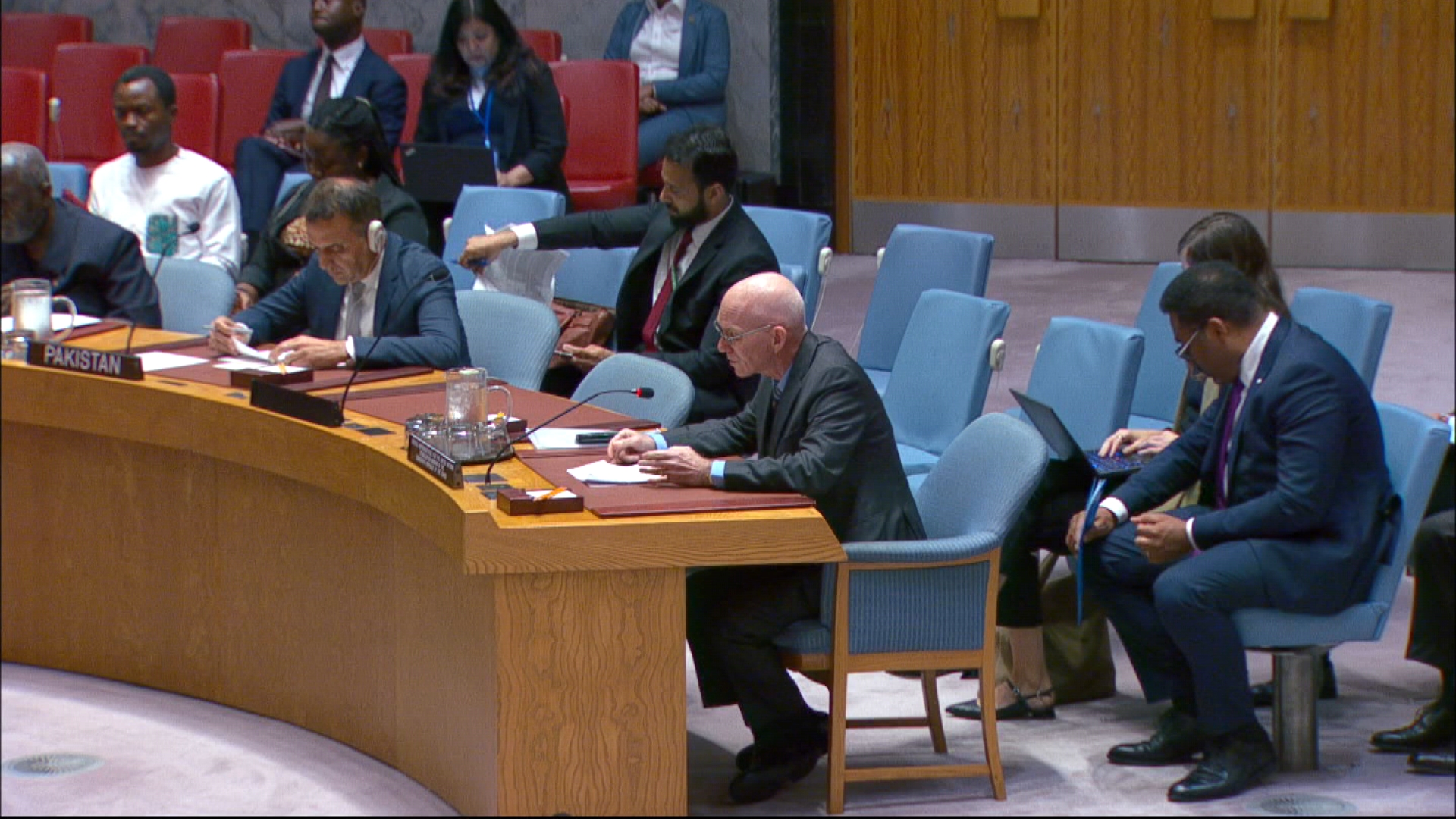
11. Wide shot, Rwanda’s Ambassador Martin Ngoga addressing Council
12. SOUNDBITE (English) Martin Ngoga, Permanent Representative to the United Nations, Rwanda:
For close to three decades, the security crisis in eastern DRC has remained on the agenda of this Council as a matter of regional peace and security. Since 1999, the United Nations has committed more than 30 billion dollars through MONUC and the MONUSCO. Yet the core security challenges that repeatedly brought to this regional crisis before the Council remain unresolved. Rwanda welcomed the momentum generated by the Washington and Doha processes and recognizes the efforts of the United States, Qatar and African Union, the EU mediator, and the other partners. Rwanda, remains committed to the Washington Accords and their implementation in good faith.”
13. Med shot, DRC Ambassador Zénon Mukongo Ngay
14. SOUNDBITE (English) Martin Ngoga, Permanent Representative to the United Nations, Rwanda: “An armed group with a genocidal ideology, organized militarily with the structures and the history of attacks against Rwanda, operating immediately across our border and alongside the forces of our neighbouring state, cannot reasonably be treated as a remote security concern, merely because it operates far from that state's capital. For Rwanda, the continued military presence of FDLR is eastern DRC is as immediate a security concern as a comparable armed threat operating within Rwanda itself. This is precisely why the neutralization of FDLR is not a secondary issue, nor a matter that can be indefinitely deferred. It is a core security commitment under the Washington process, and an indispensable condition for durable peace between Rwanda and the Democratic Republic of the Congo.”
15. Wide shot, Ngay addressing Council
16. SOUNDBITE (French) Zénon Mukongo Ngay, Permanent Representative to the United Nations, Democratic Republic of the Congo (DRC):
“In order to definitely void the FDLR alibi brandished by Rwanda, the DRC is assuming its responsibility within the framework of the Washington process. In addition to the voluntary repatriations already facilitated by MONUSCO, my government assigned on the 30th of May 2026 a protocol on the disarmament, demobilization, and cantonment of the FDLR FOCA. Under the terms of this protocol, these combatants undertake to lay down their arms in cantonment sites designated by the Congolese authorities with a view to their return to Rwanda, their country of origin.”
17. Med shot, Ngoga
16. SOUNDBITE (French) Zénon Mukongo Ngay, Permanent Representative to the United Nations, Democratic Republic of the Congo (DRC):
“The Democratic Republic of the Congo reiterates its request for the suspension of any new participation, deployment, or rotation of Rwandan contingents in United Nations Peace Operations until the verified withdrawal of their forces from Congolese territory. The Council cannot tolerate in its peacekeeping operations members who act as simultaneously as fire fighters and arsonists.”
17. Wide shot, end of Council session
18. Wide shot, Ambassadors at Security Council stakeout
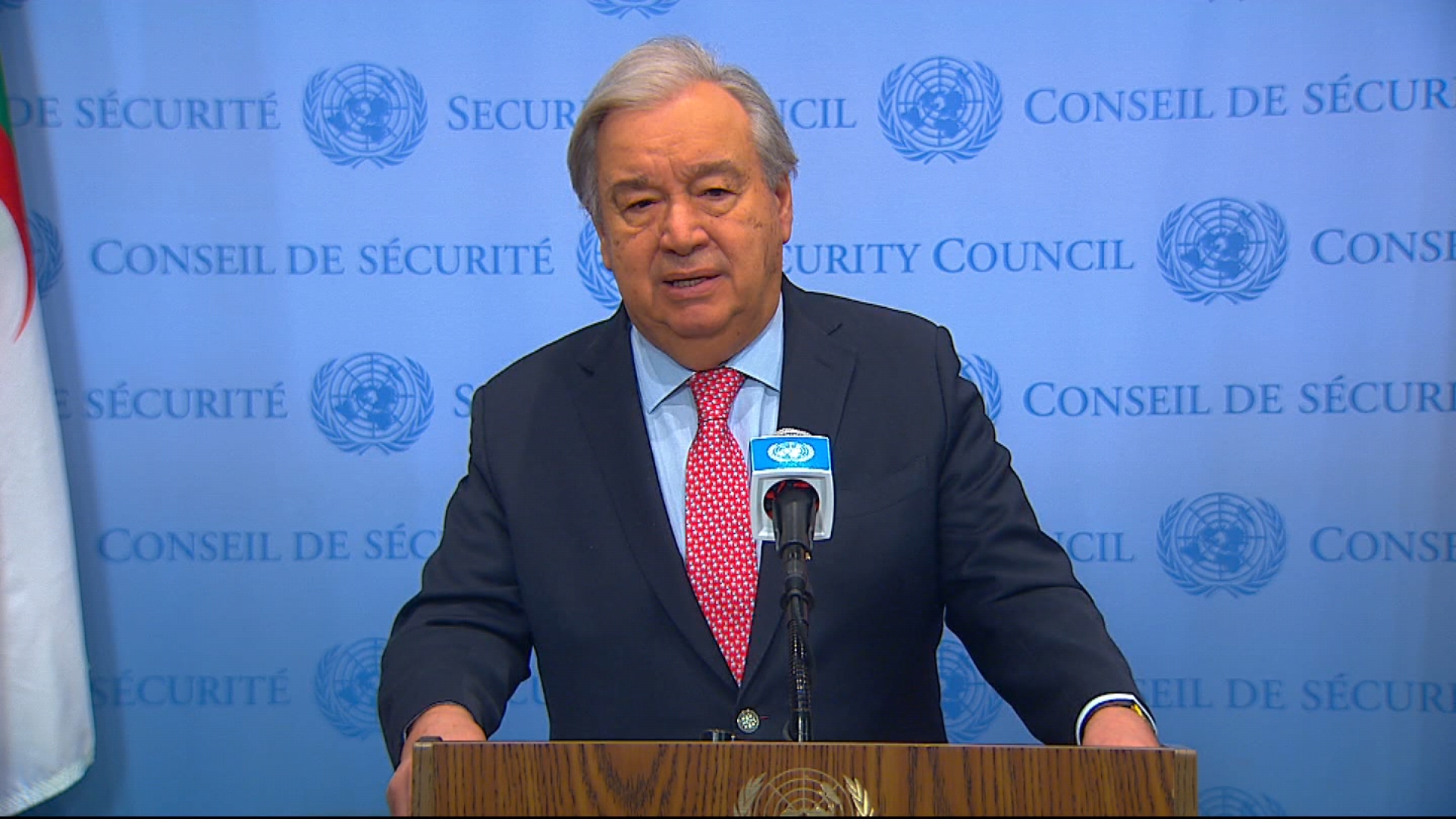
19. SOUNDBITE (French) Jérôme Bonnafont, Permanent Representative to the United Nations, France:
“Climate change, ecological changes, natural disasters, as well as the illegal exploitation and trafficking of natural resources have adverse effects on the stability of the DRC and should be addressed as peace and security risks in the region. These impacts often exacerbate vulnerabilities of local populations, as well as competition over land and pastures, forest, and water resources. Addressing such risks in DRC is also essential for the security and stability of the Great Lake region.”
20. Wide shot, Ngay walks up to the Security Council stakeout
21. SOUNDBITE (French) Zénon Mukongo Ngay, Permanent Representative to the United Nations, Democratic Republic of the Congo (DRC):
“Resolution 2773 requires the cessation of support for M23 and the withdrawal of Rwandan forces from Congolese territory. We call for these obligations to be implemented and for the withdrawal to be noted before any further participation of the Rwandan contingent in United Nations Peace Operations.”
22. Pan right, Ngay walks away
Rwanda’s Ambassador Martin Ngoga today (29 Sep) told the Security Council that “the continued military presence of FDLR is eastern DRC is as immediate a security concern as a comparable armed threat operating within Rwanda itself,” while the Democratic Republic of the Congo’s (DRC) Ambassador Zénon Mukongo Ngay called for “the suspension of any new participation, deployment or rotation of Rwandan contingents in United Nations peace operations” and said, “the Council cannot tolerate in its peacekeeping operations members who act as simultaneously as fire fighters and arsonists.”
In his address to the Council, the Special Representative for the United Nations Organization Stabilization Mission in the Democratic Republic of the Congo (MONUSCO), James Swan said, MONUSCO is working with both Congolese and Rwandan authorities to address the Democratic Forces for the Liberation of Rwanda (FDLR) presence “in line with the commitments made by the signatories to the Washington Accords,” and noted that “since September, MONUSCO has repatriated 122 former FDLR elements and their dependents from the Mission’s transit camp in Sake to Rwanda.”
In parallel, Swan said, “progress continued under the Doha process, with discussions between the Government of the DRC and the Alliance Fleuve Congo / Mouvement du 23 mars (AFC/M23) resuming in Switzerland in August,” which “resulted in the adoption of a roadmap setting out the way forward for the next phase of the discussions.”
Despite these advances, he said, in North Kivu, “fighting between the AFC/M23 and its allies supported by Rwanda, on the one hand,” and the DRC Armed Forces (FARDC), “supported by their allies on the other, has continued over recent months. “
The MONUSCO Chief said, “AFCM23 maintains the extensive control over a large part of North Kivu, whereas the main fighting is concentrated in Masisi and Walikale. Both parties have continued to use heavy weapons and drones in the conduct of hostilities, contributing to the continued deterioration of the security situation.”
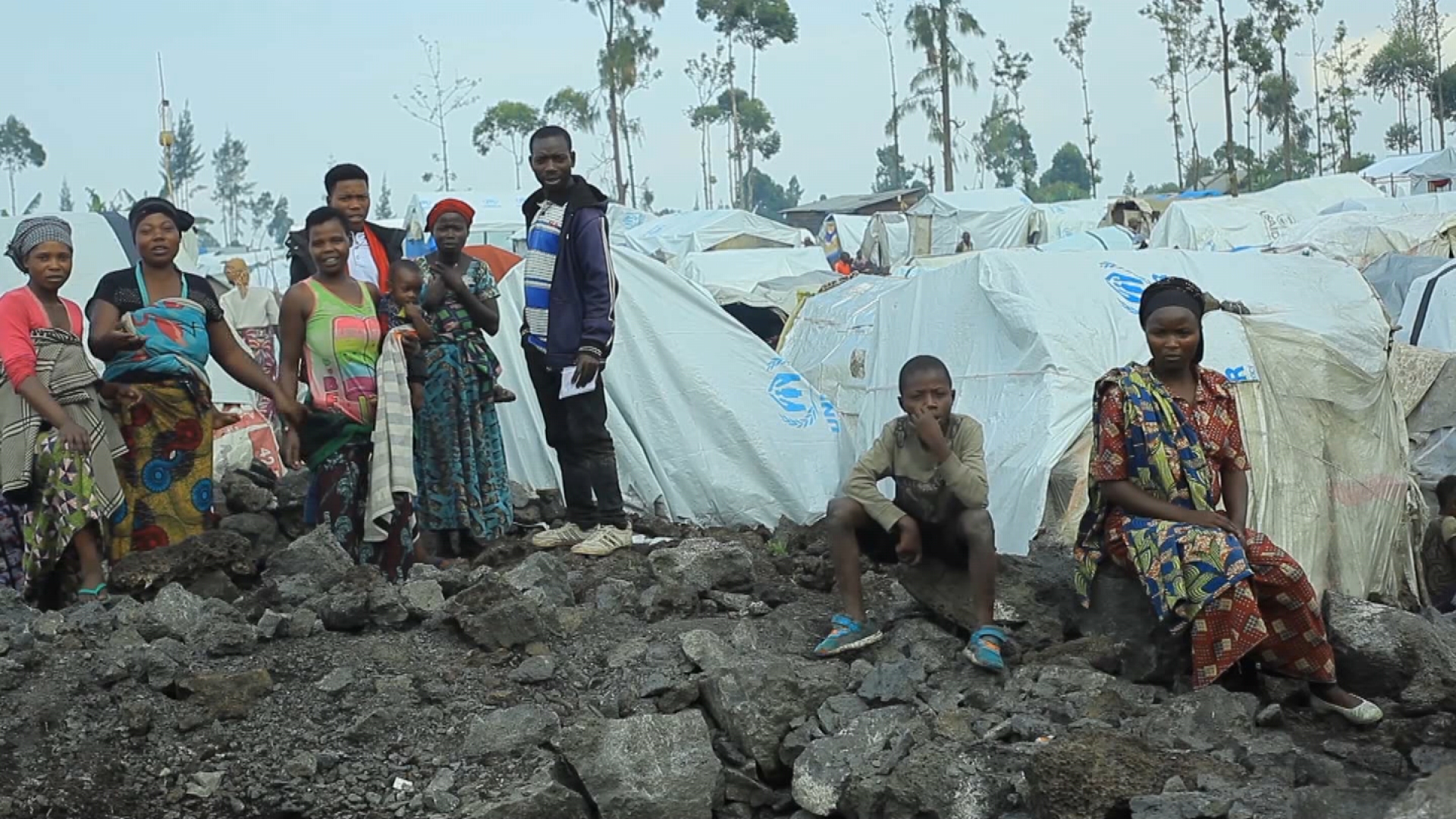
On the humanitarian front, he reported that “approximately 26.5 million Congolese are facing acute food insecurity, and 6.1 million people remain internally displaced.”
Swan said, “the revised Humanitarian Response Plan seeks 2.13 billion dollars to assist 10.7 million of the people most in need. However, as of 28th September, it was only 50.5 percent funded. I encourage member states to sustain and increase their support.”
On the Ebola outbreak in the DRC, he said it is “further aggravating the situation,” and noted that “as of 28th September, 8,067 confirmed cases and 3,901 deaths were reported across seven provinces.”
Rwanda’s Ambassador Martin Ngoga told the Council that “for close to three decades, the security crisis in eastern DRC has remained on the agenda of this Council as a matter of regional peace and security. Since 1999, the United Nations has committed more than 30 billion dollars through MONUC and the MONUSCO. Yet the core security challenges that repeatedly brought to this regional crisis before the Council remain unresolved.”
Ngoga said, “Rwanda welcomed the momentum generated by the Washington and Doha processes and recognizes the efforts of the United States, Qatar and African Union, the EU mediator and the other partners,” and added that “Rwanda, remains committed to the Washington Accords and their implementation in good faith.”
He said, “an armed group with a genocidal ideology, organized militarily with the structures and the history of attacks against Rwanda, operating immediately across our border and alongside the forces of our neighbouring state, cannot reasonably be treated as a remote security concern, merely because it operates far from that state's capital.”
The Ambassador said, “this is precisely why the neutralization of FDLR is not a secondary issue, nor a matter that can be indefinitely deferred. It is a core security commitment under the Washington process, and an indispensable condition for durable peace between Rwanda and the Democratic Republic of the Congo.”
For his part, the DRC’s Ambassador Zénon Mukongo Ngay said, “in order to definitely void the FDLR alibi brandished by Rwanda, the DRC is assuming its responsibility within the framework of the Washington process. In addition to the voluntary repatriations already facilitated by MONUSCO, my government assigned on the 30th of May 2026 a protocol on the disarmament, demobilization, and cantonment of the FDLR FOCA. Under the terms of this protocol, these combatants undertake to lay down their arms in cantonment sites designated by the Congolese authorities with a view to their return to Rwanda, their country of origin.”
Outside the Council, French Ambassador Jérôme Bonnafont, joined by signatories of the Climate Peace and Security Joint Pledges read a statement on behalf of the Group.
Bonnafont said, “climate change, ecological changes, natural disasters, as well as the illegal exploitation and trafficking of natural resources have adverse effects on the stability of the DRC and should be addressed as peace and security risks in the region. These impacts often exacerbate vulnerabilities of local populations, as well as competition over land and pastures, forest, and water resources. Addressing such risks in DRC is also essential for the security and stability of the Great Lake region.”
Also speaking to reporters, Ngay said, “resolution 2773 requires the cessation of support for M23 and the withdrawal of Rwandan forces from Congolese territory. We call for these obligations to be implemented and for the withdrawal to be noted before any further participation of the Rwandan contingent in United Nations Peace Operations.”
Rwandese peacekeepers are deployed to five UN Peacekeeping missions, and contributes more than 6,500military and police officers to UN Peacekeeping.
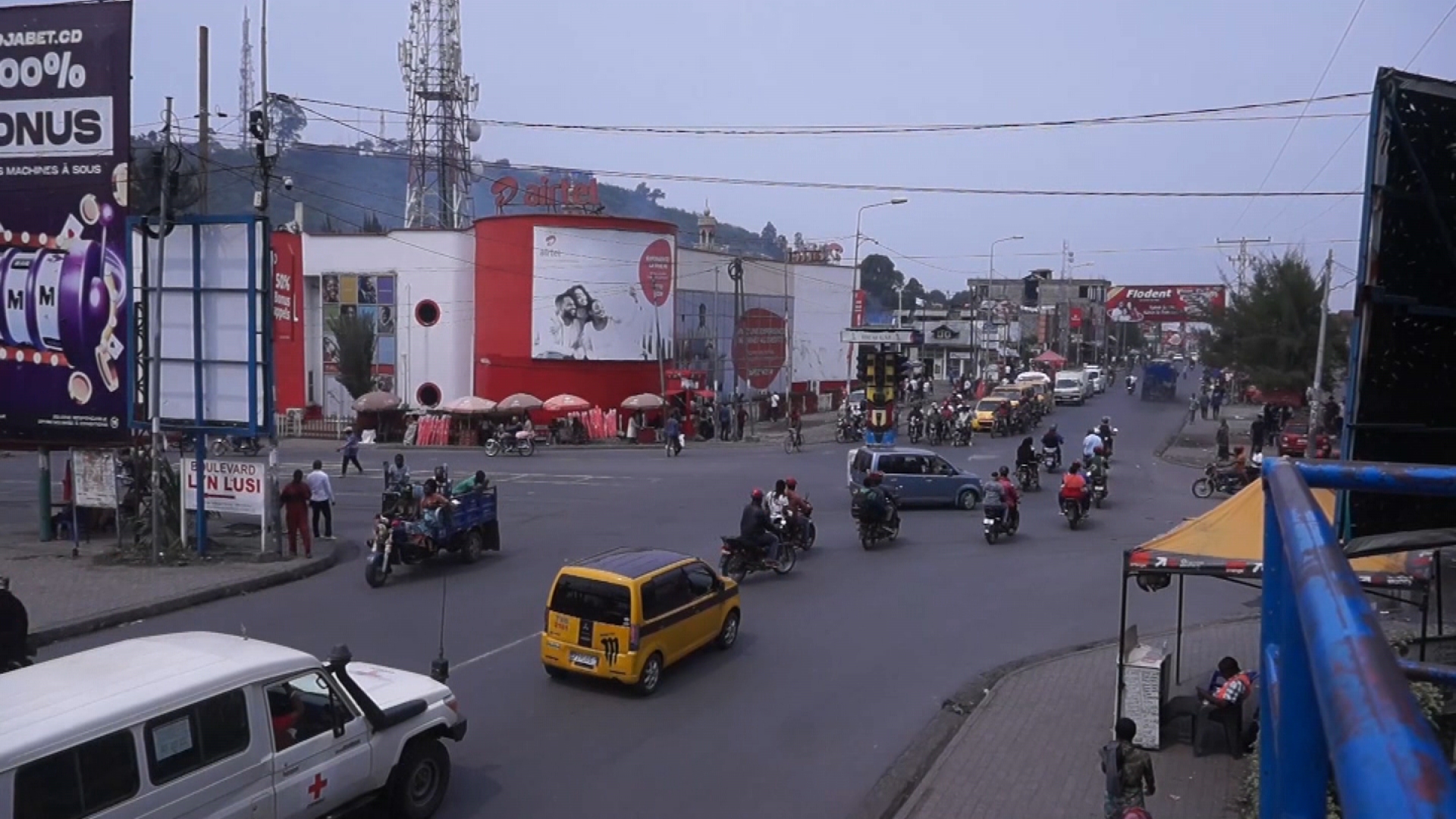
Recent violence in Ituri province reportedly killed at least four displaced people and forced more than 3,000 others to flee, according to local authorities. In North Kivu, two people involved in the Ebola response were reportedly killed in Lubero territory, while violence in South Kivu and Tanganyika has displaced thousands more.