Media Home
 UN Web TV
 UN Audiovisual Library
 UN Photo
GENEVA / GAZA AID APPEAL
STORY: GENEVA / GAZA AID APPEAL
TRT: 03:05
SOURCE: UNTV CH / WHO / OCHA
RESTRICTIONS: PLEASE CREDIT WHO AND OCHA FOOTAGE ON SCREEN
LANGUAGES: ENGLISH / NATS
DATELINE: 02 OCTOBER 2026, GENEVA, SWITZERLAND / 27-28 SEPTEMBER 2026, GAZA CITY / FILE
FILE - GENEVA, SWITZERLAND
1. Wide shot, Palais des Nations
02 OCTOBER 2026, GENEVA, SWITZERLAND
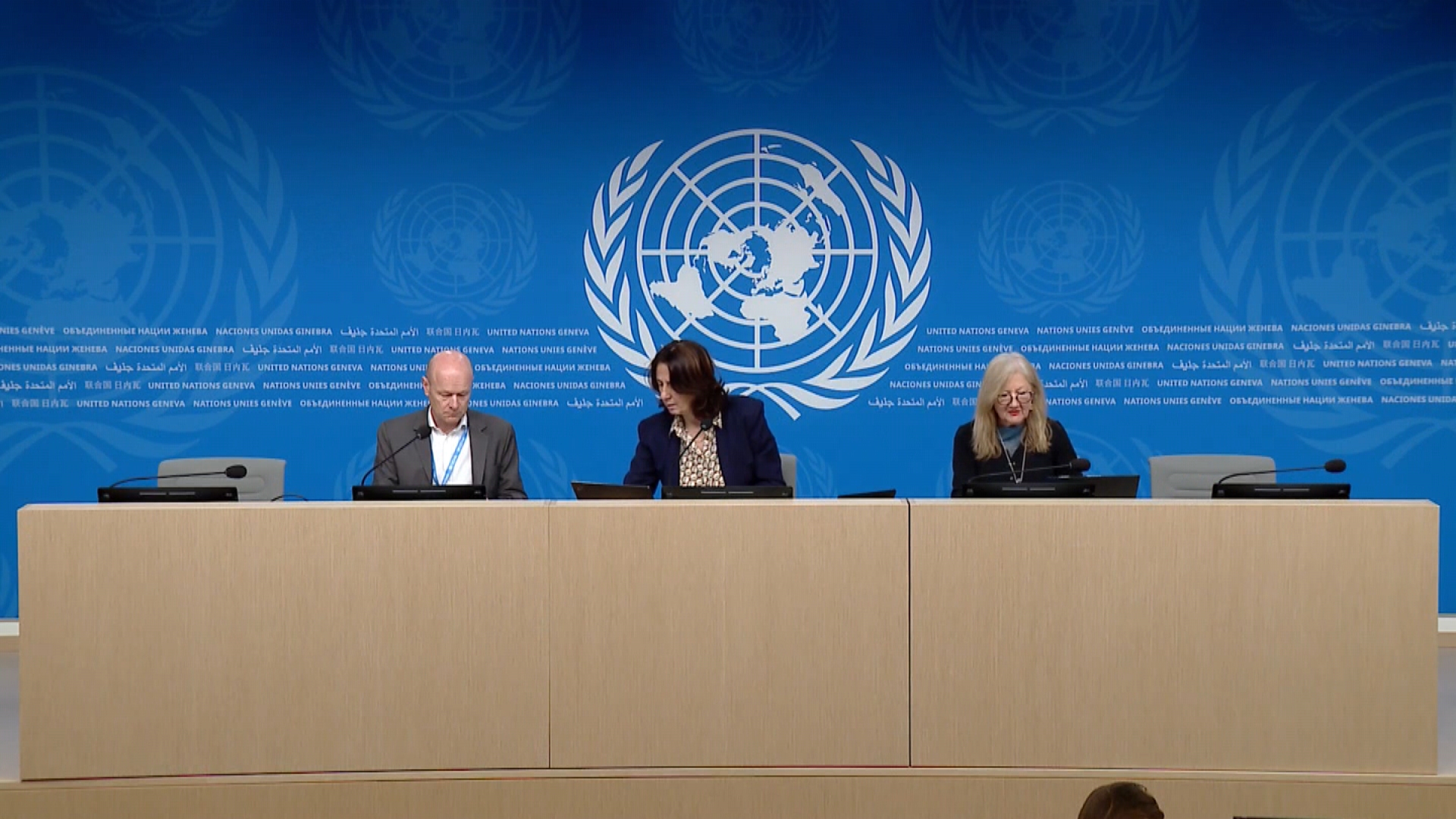
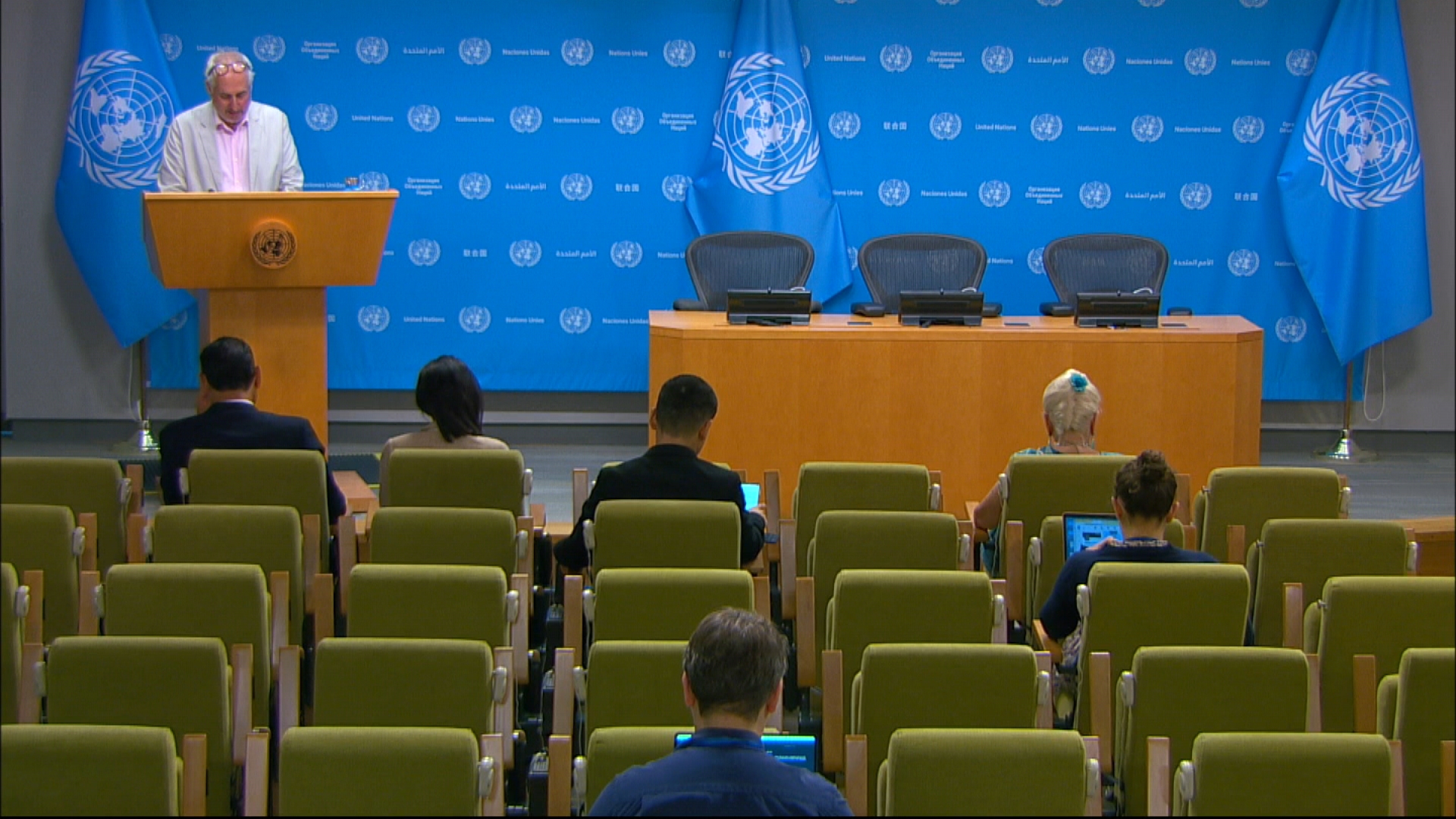
2. Wide shot, briefing room
3. SOUNDBITE (English) Dr Reinhilde Van De Weerdt, Representative in the OPT, World Health Organization (WHO):
“Our ask is simple and has not changed: we need the unimpeded and predictable entry of humanitarian and health supplies into Gaza at scale. We also need a multi-crossing model so that aid isn't forced to trickle down through a limited number of crossings.”
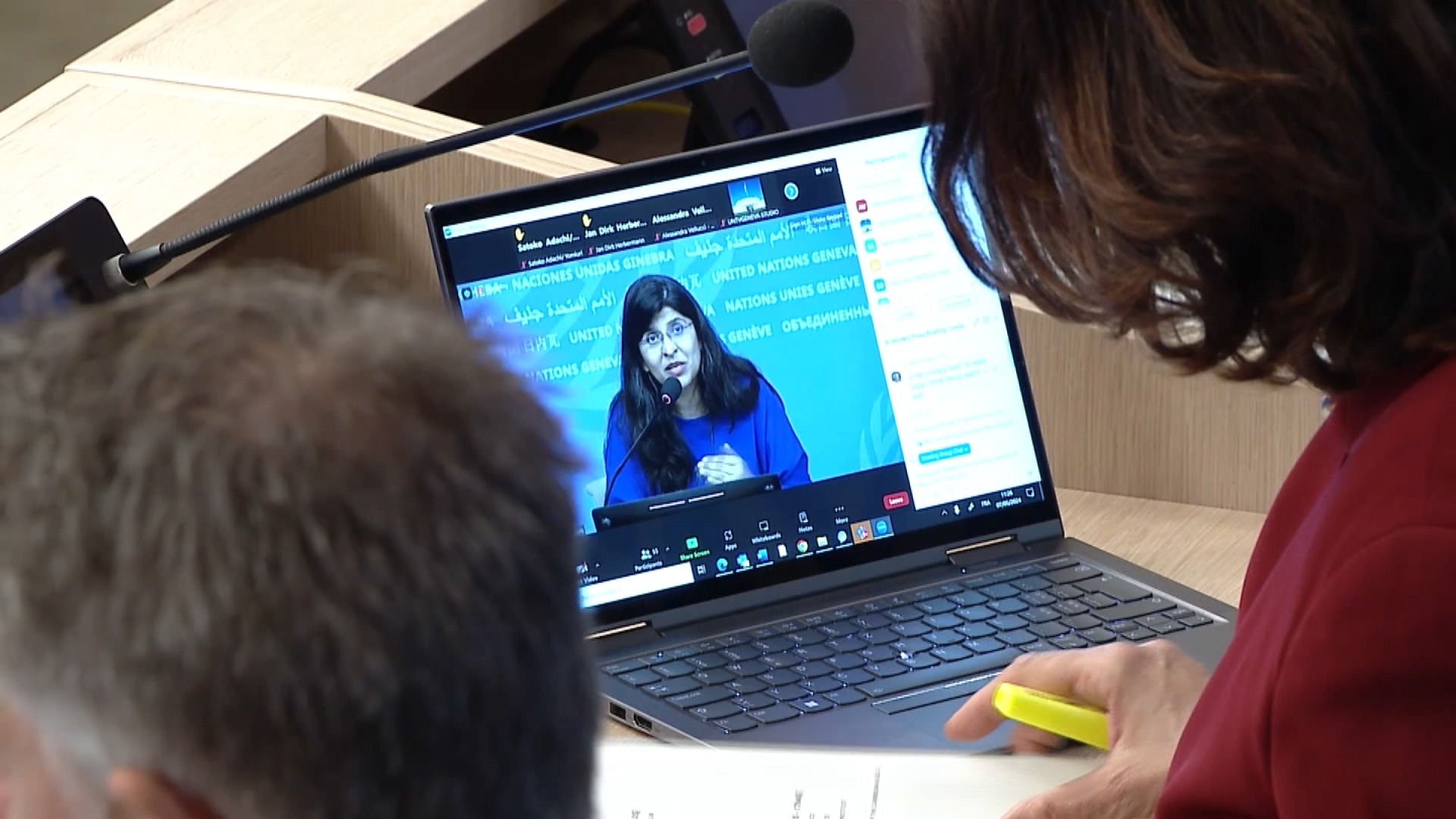
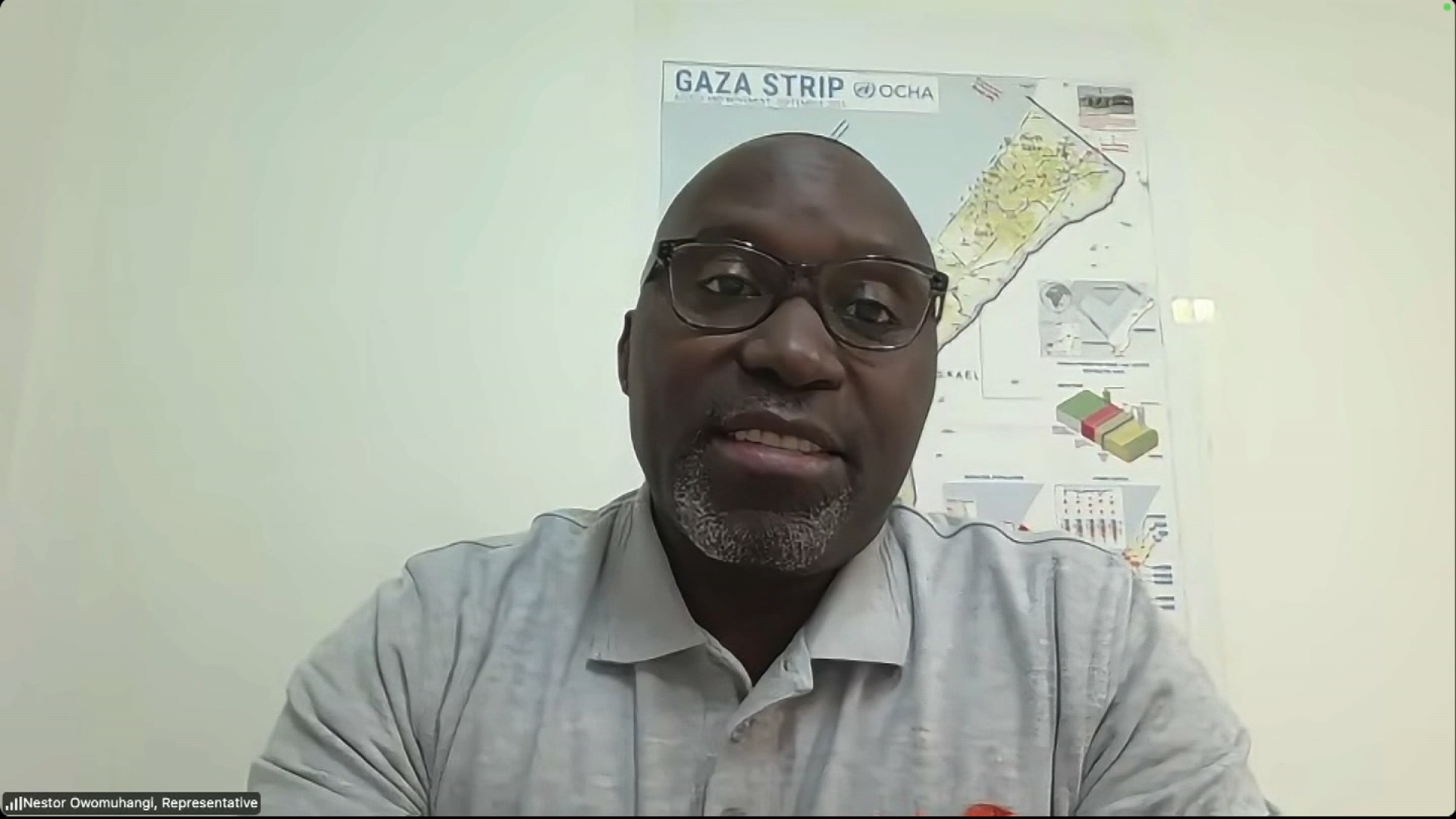
4. Wide shot, podium speaker, remote speaker on TV screen
5. SOUNDBITE (English) Dr Reinhilde Van De Weerdt, Representative in the OPT, World Health Organization (WHO):
“A truck full of non-priority supplies or the right supplies arriving too late doesn't save lives; that's the question that actually matters. Not how much cross[es] the border, but whether the extraordinary health workers that I meet every time when I'm in Gaza, whether they have the supplies, when and where needed, and where the patients are getting the medical care they need and deserve. And today, unfortunately, that answer is clearly, ‘no’.”
6. Med shot, journalist
7. SOUNDBITE (English) Dr Reinhilde Van De Weerdt, Representative in the OPT, World Health Organization (WHO):
“As winter begins, this urgency to get supplies into Gaza only deepens. Almost two million people are in need of shelter to protect against the cold and the risk of flooding, exposing people to serious health and safety risks, let alone dignity.”
8. Wide shot, TV screens showing remote speaker, technicians’ booths, participants
9. SOUNDBITE (English) Dr Reinhilde Van De Weerdt, Representative in the OPT, World Health Organization (WHO):
“In terms of outbreaks, that’s indeed why we are extremely concerned, because the living conditions being such poor water, hygiene, sanitation, respiratory infections around the corner, with the floods and the cold. We today do not have sufficient public health laboratory capabilities to quickly understand what is happening so that we can respond [in a] timely [way].”
10. Med shot, journalist.
11. SOUNDBITE (English) Dr Reinhilde Van De Weerdt, Representative in the OPT, World Health Organization (WHO):
“We hope that Israel will at least release the pressure on medical supplies, especially essential medicines. We’ve been calling for essential medicines and essential medical supplies that they should not be considered as dual use, as they are globally accepted standards on medical items anybody needs anywhere to run a hospital or a clinic.”
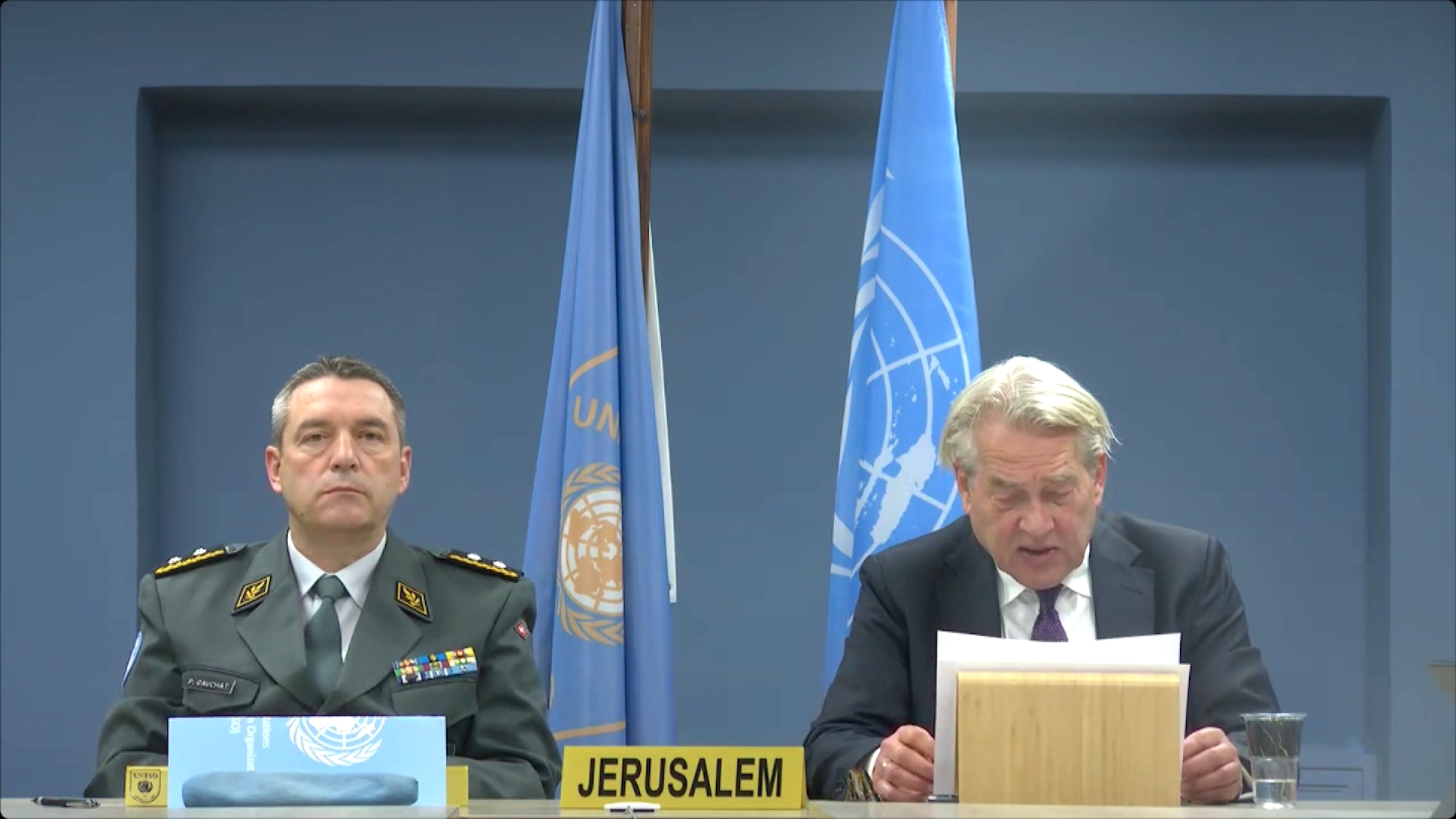
12. Wide shot, podium moderator, external speaker on TV screen
FILE – WHO - 27 SEPTEMBER 2026, GAZA CITY
13. Various shots, patients in waiting room, health worker, blood pressure check, Deir El-Balah Health Centre
FILE – OCHA - 28 SEPTEMBER 2026, GAZA CITY
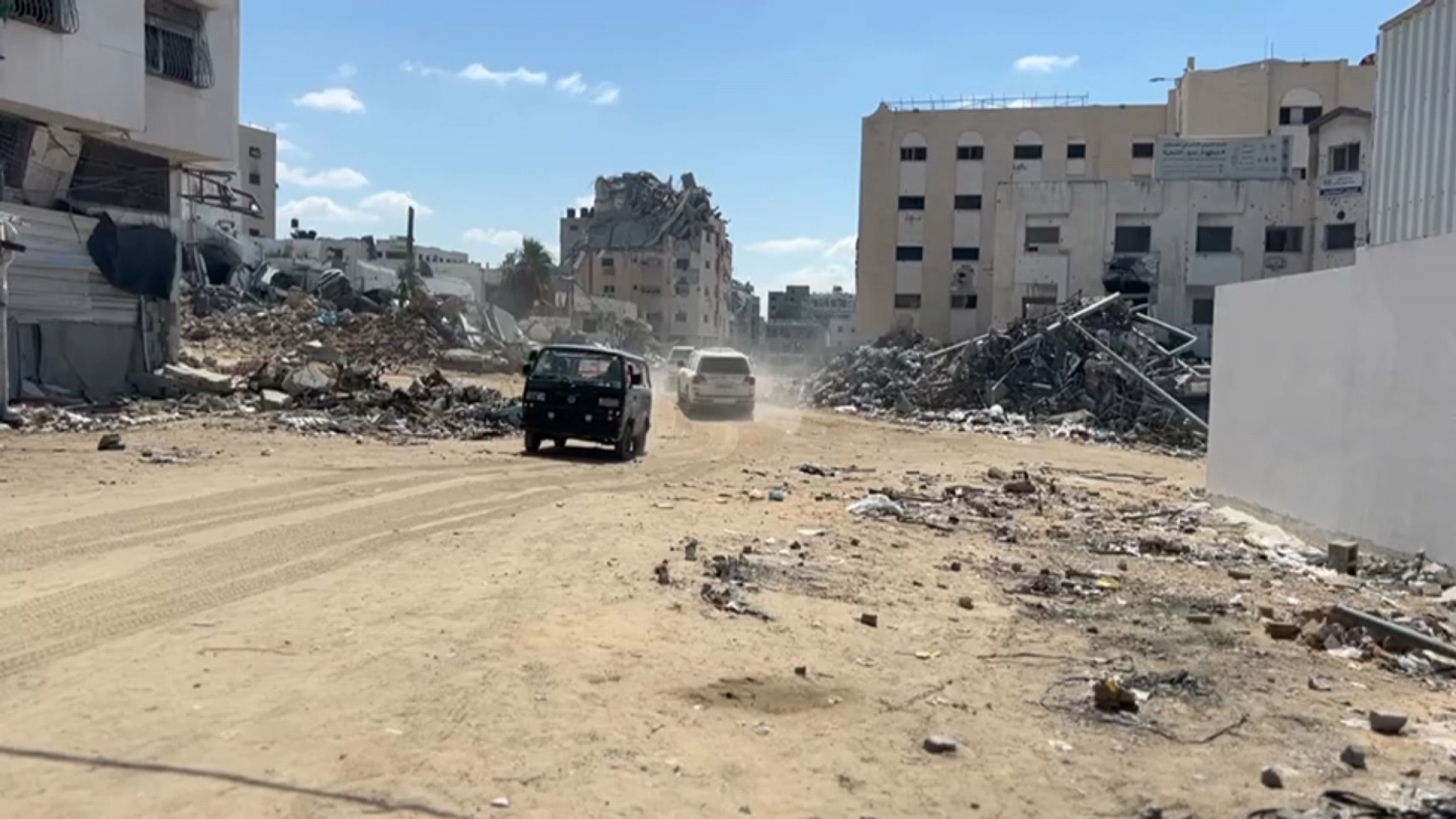
15. Various shots, destroyed apartment blocks, residents talking, woman walking amid destruction, fallen masonry, children sitting in destroyed stairwell, water dripping onto fallen masonry
16. Various shots, view skywards framed by destroyed apartment blocks, man standing in front of his basic shelter on first floor of destroyed apartment block, rudimentary shelters erected in a destroyed apartment block
17. Various shots, children walking across rubble
Repeated delays in bringing lifesaving medicines, prosthetics and more from Israel into Gaza risk having devastating consequences on Palestinians who urgently need them in the war-torn enclave, the UN World Health Organization (WHO) said today (02 Oct).
“A truck full of non-priority supplies or the right supplies arriving too late, doesn't save lives. That's the question that actually matters," said Dr Reinhilde Van De Weerdt, WHO Representative in the Occupied Palestinian Territory (OPT).
Almost 12 months into a fragile ceasefire agreement between Hamas fighters and Israel marked by ongoing Israeli airstrikes and other military activity, Gaza’s humanitarian situation remains “overwhelming”, according to the UN aid coordination office, OCHA.
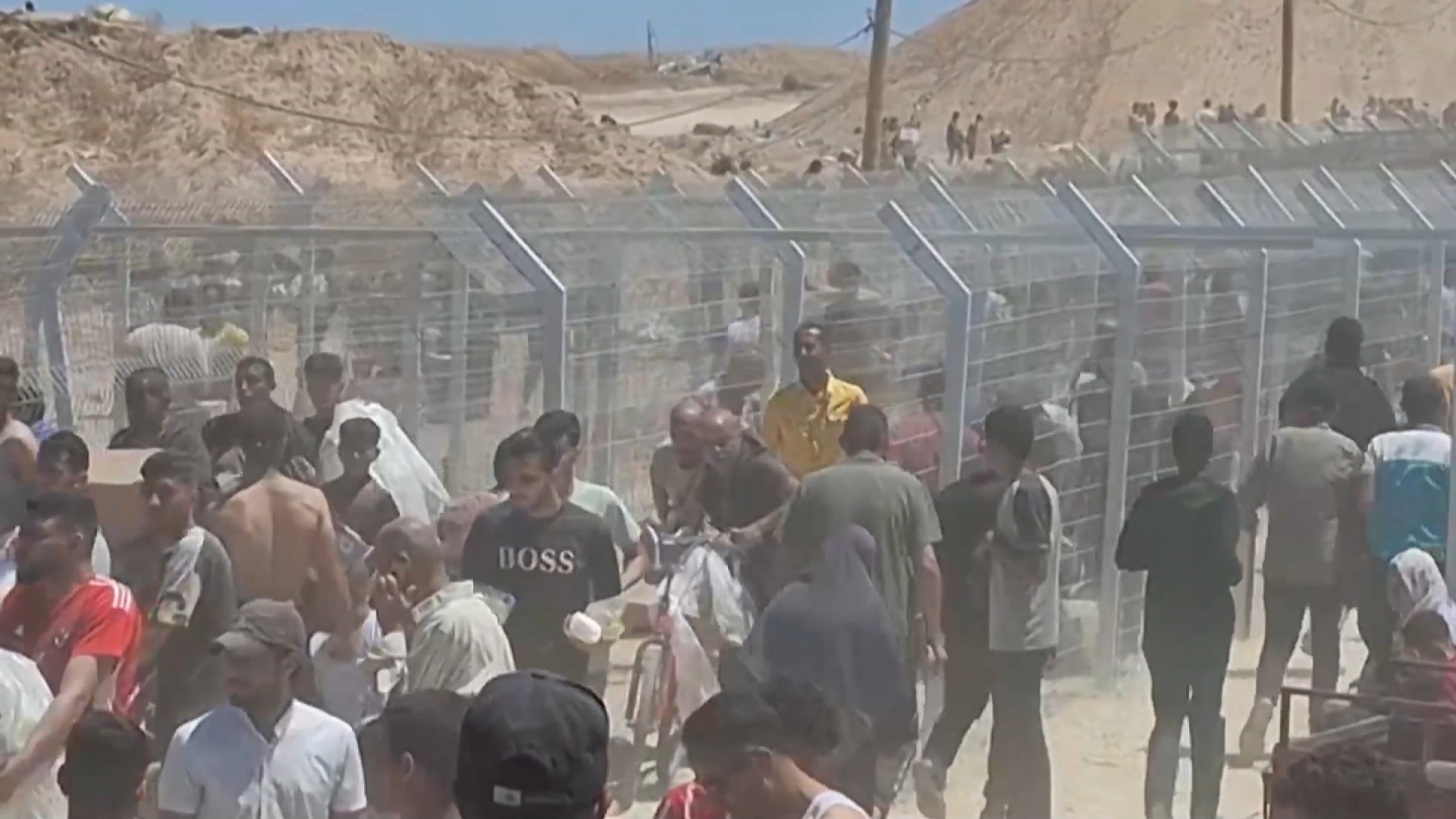
Approved aid can only be brought into the Strip via Kerem Shalom at the southern tip of the enclave, while Rafah (also in the south) is open for the limited movement of people including patients requiring medical treatment abroad.
At least four other main entry points into Gaza for aid remain closed: Kissufim, Gate 96, Erez and Erez West.
In a call to the Israeli authorities to “release the pressure on medical supplies”, Dr Van De Weerdt also stressed that essential medicines “should not be considered as dual use” – and therefore banned by Israel on the grounds that they could be used by Hamas fighters – “as they are globally accepted standards on medical items anybody needs anywhere to run a hospital or a clinic”.
UN aid agencies operating in Gaza still provide critical assistance to families across the Strip in coordination with the Israeli authorities, but this lifesaving work is impeded by a lack of reliable and timely access.
“Our ask is simple and has not changed: we need the unimpeded and predictable entry of humanitarian and health supplies into Gaza at scale. We also need a multi-crossing model so that aid isn't forced to trickle down through a limited number of crossings,” the WHO senior official said.
Highlighting the “extraordinary health workers” still risking their lives to help others in Gaza, Dr Van De Weerdt said that too few supplies were reaching them, and not enough patients were getting the care they needed and deserved. The already dire humanitarian situation risks getting even worse soon, once autumn ends.
“As winter begins, this urgency to get supplies into Gaza only deepens. Almost two million people are in need of shelter to protect against the cold and the risk of flooding, exposing people to serious health and safety risks, let alone [their] dignity,” the WHO official stressed.
As in previous winters in Gaza, the enclave’s residents are expected to face a heightened risk of preventable disease outbreaks, linked to the absence of safe shelter and high prevalence of rats, whose bites transmit infection.
The destruction of public health laboratories has complicated the task of identifying potential epidemics, WHO explained.
“In terms of outbreaks, that’s indeed why we are extremely concerned, because the living conditions being such poor water, hygiene, sanitation, respiratory infections around the corner, with the floods and the cold,” said Dr Van De Weerdt.
The development follows a warning from OCHA on Thursday about serious public health risks linked to the accumulation of solid waste in the heart of Gaza City.
Recent gains in improving sanitation in Gaza remain fragile because of a lack of reliable access to heavy machinery and equipment, OCHA explained, “or to engine oil and spare parts required to keep them running. Sustained funding for fuel is also critical.”
Meanwhile, mine action partners reported that they still lack “permissions and equipment” to remove unexploded ordnance hazards identified in the rubble during 37 assessment missions.