Media Home
 UN Web TV
 UN Audiovisual Library
 UN Photo
WTO / TRADE FORECAST UPDATE
Download
There is no media available to download.
Share
STORY: WTO / TRADE FORECAST UPDATE
TRT: 4:55
SOURCE: WTO
RESTRICTIONS: NONE
LANGUAGE: ENGLISH / NATS
DATELINE: 8 OCTOBER 2026, GENEVA, SWITZERLAND
1. Wide shot, zoom in, WTO exteriors
2. Wide shot, zoom in, WTO main entrance
3. Med shot, zoom in, camera ahead of press conference
4. Wide shot, officials prepare for press conference with photographers
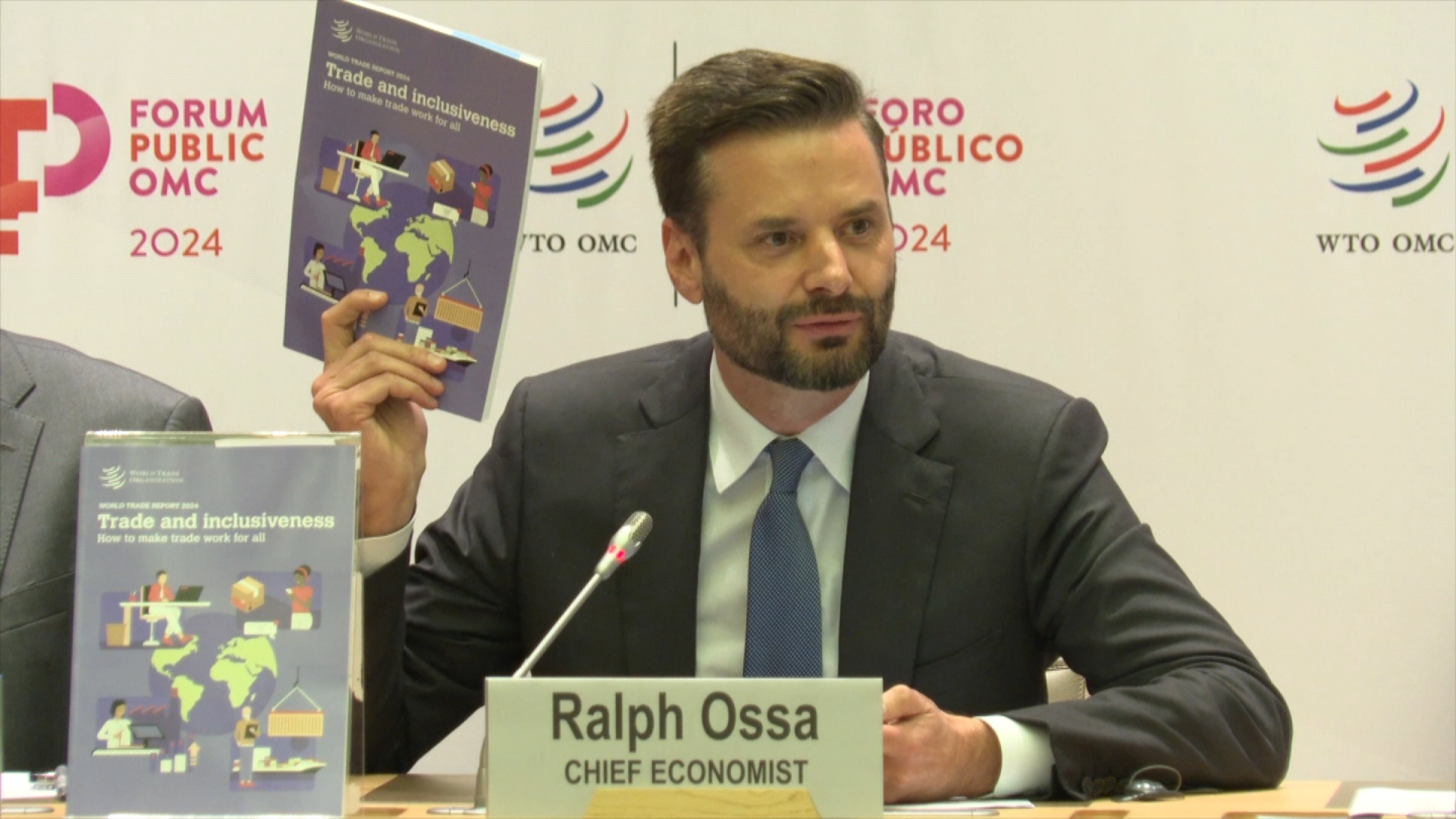
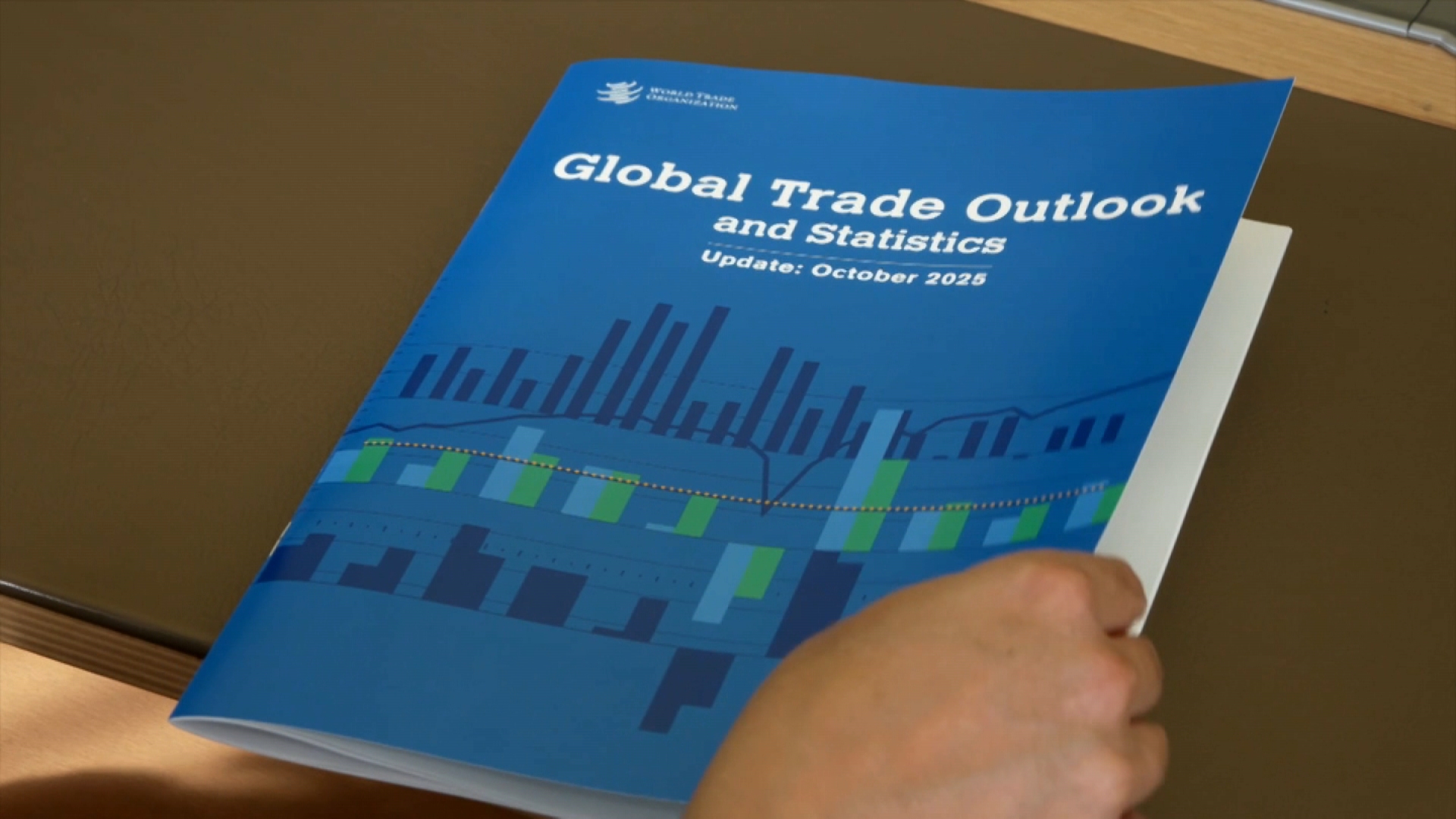
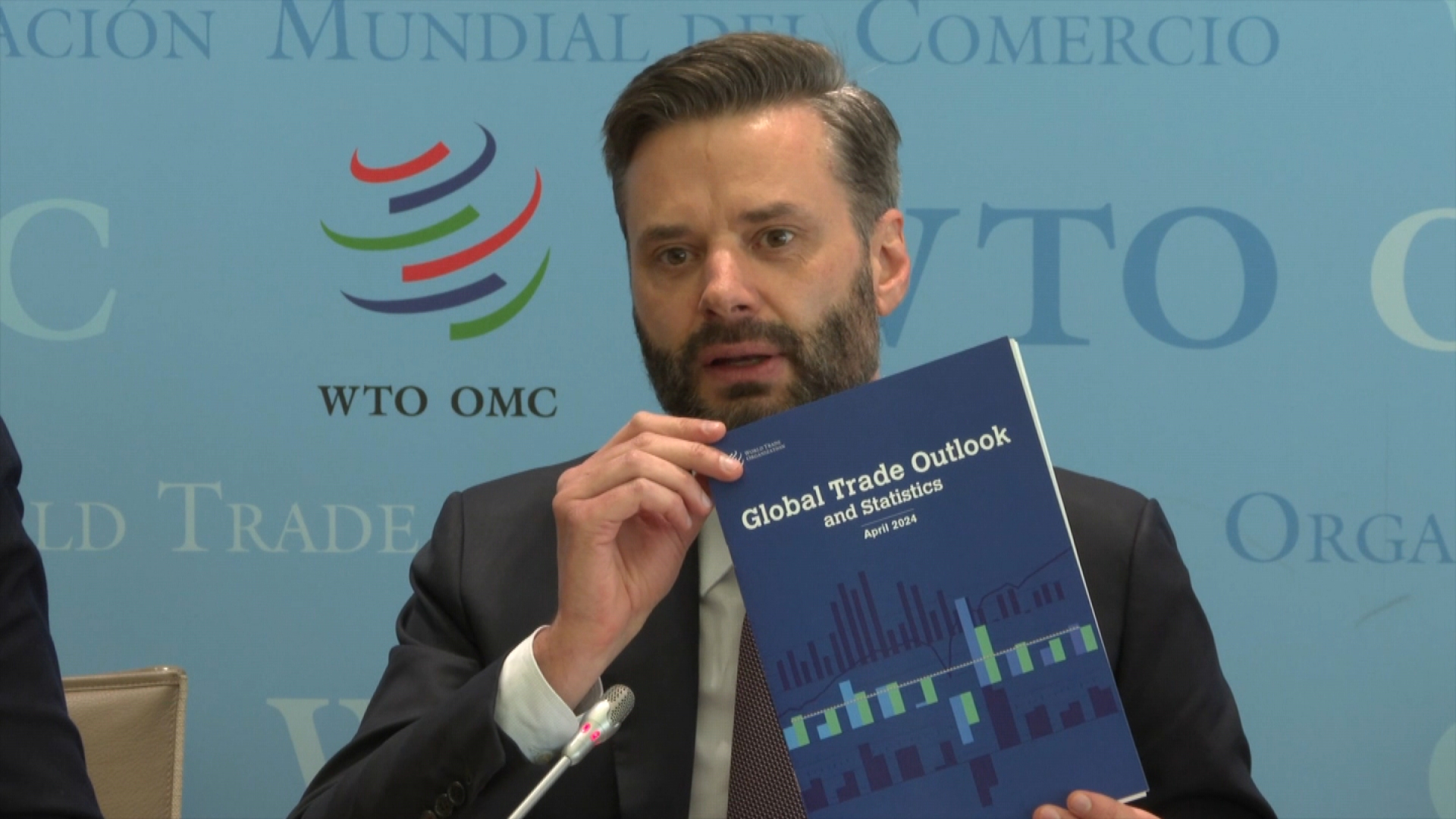
5. Close up, WTO Chief Economist Robert Staiger shows Global Trade Outlook and Statistics publication
6. Med shot, WTO Chief Economist Robert Staiger shows Global Trade Outlook and Statistics publication
7. Med shot, pan right, officials ahead of press conference
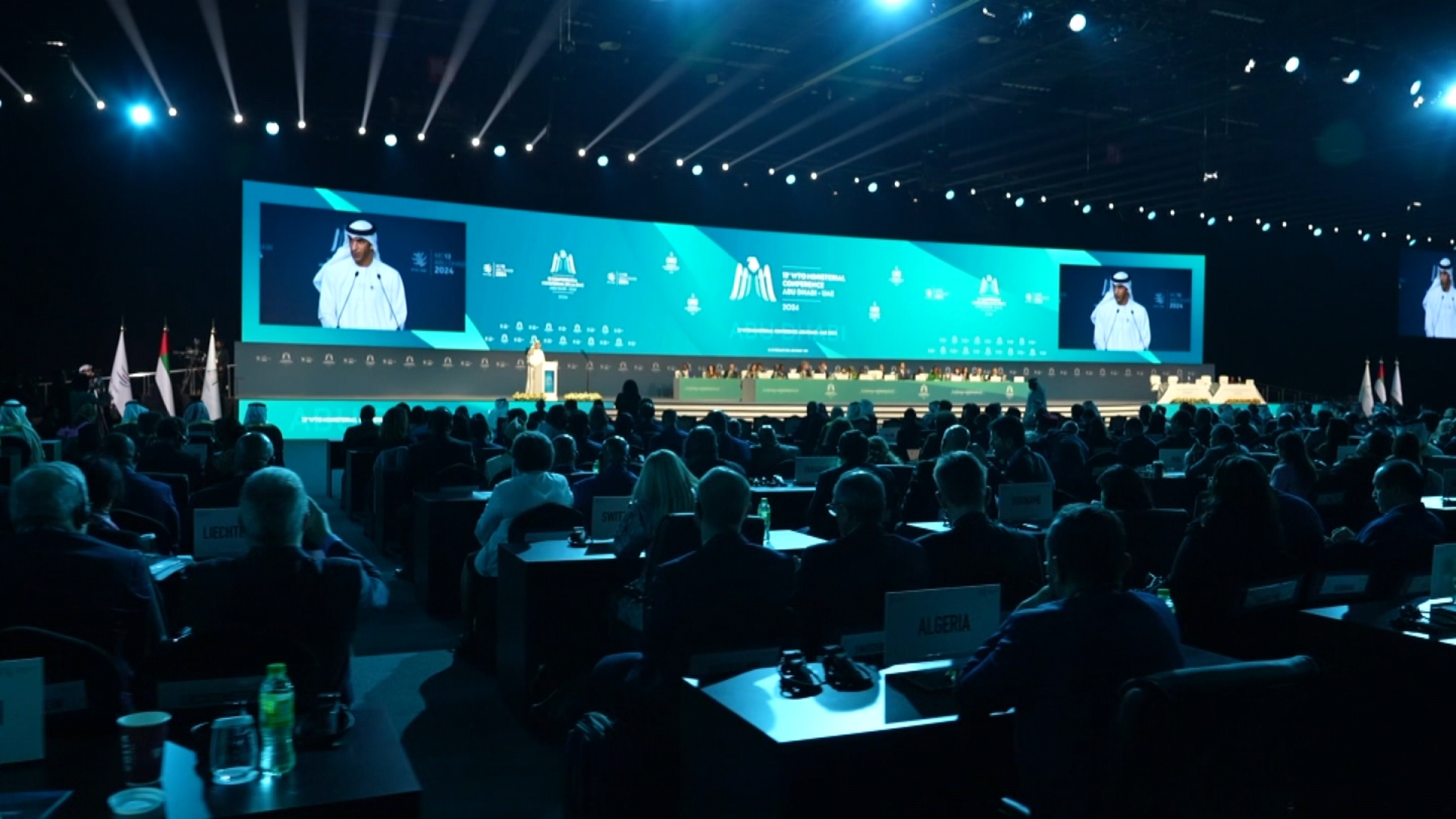
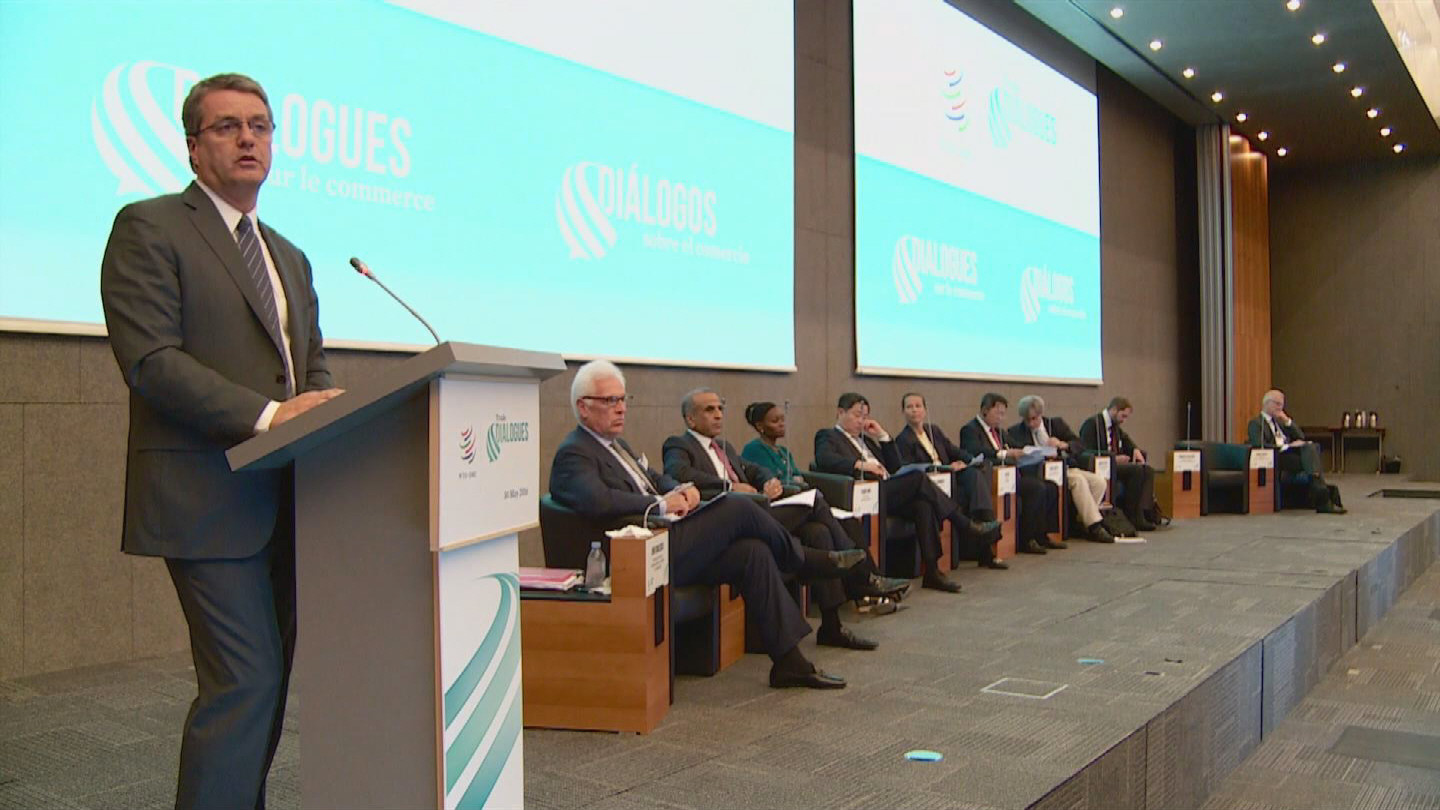
8. Wide shot, pan right, press conference under way
9. Wide shot, officials at the podium during press conference
10. SOUNDBITE (English): Johanna Hill, WTO Deputy Director-General
“Given stronger-than-expected performance in the first half of the year, world merchandise trade volumes are expected to grow by 3.9% in 2026, almost double the 1.9% increase foreseen in the baseline scenario in the March forecast.
Merchandise trade growth is further expected to pick up slightly to 4.1% in 2027. As for commercial services trade, growth in volume terms is expected to remain positive, although prospects have moderated due to the impact of the Middle East conflict on transport and international travel.”
11. Med shot, economists listen to press conference
12. SOUNDBITE (English): Johanna Hill, WTO Deputy Director-General
“A striking feature of the past six months has been the resilience of the global economy, and trade in particular. Higher energy prices and shipping disruptions created significant headwinds. However, businesses adjusted, supply chains adapted, and producers in other regions stepped in to replace disrupted supplies. At the same time, the rapid expansion of AI-related investment generated a powerful new source of demand that supported trade across a wide range of economies.”
13. Med shot, attendee consulting publication
14. SOUNDBITE (English): Johanna Hill, WTO Deputy Director-General
“The trade developments we have discussed today underscore the importance of an open, predictable and rules-based trading system. A trading system that enables economies to adapt to disruption, redirect supplies and respond to rapidly growing demand in new sectors.”
15. Med shot, officials listening to press conference
16. SOUNDBITE (English): Robert Staiger, WTO Chief Economist
“The conflict in the Middle East has had a significant impact on trade, particularly within the region itself, even if it has been somewhat overshadowed by AI.
This becomes clear when we look at estimated shipments of oil, natural gas and fertilizers from the region.”
17. Med shot, officials listening to press conference
18. SOUNDBITE (English): Robert Staiger, WTO Chief Economist
“But the declines in these products at the global level were much more modest. Worldwide, crude oil exports only fell 6%, while LNG, liquified natural gas shipments were down just 1%, as countries outside of the region increased production and exports to compensate for lost supplies. A similar pattern is seen in fertilizer trade, where producers outside the Middle East helped stabilize global supplies.”
19. Med shot, attendees taking notes during the press conference
20. SOUNDBITE (English): Robert Staiger, WTO Chief Economist
“Trade in AI-enabling goods has not only continued to grow, it has actually accelerated.”
21. Close up, attendee during press conference
22. SOUNDBITE (English): Robert Staiger, WTO Chief Economist
“Trade in AI-enabling goods grew 16% in value terms in 2024, it grew 31% in value terms in 2025, and it grew an astonishing 67% in the first half of 2026.”
23. Med shot, attendees taking notes during the press conference
24. SOUNDBITE (English): Coleman Nee, WTO Chief Forecaster
“The United States and China have been decoupling, and this has been observed for a while. They are trading less amongst themselves, between each other, but more with other partners. And so, with this particular dyad, you can see this decoupling between them, but it doesn't necessarily lead to a decline in in trade overall, and even the U.S.-China trade, there are signs, if you look at the chart, of a bit of a reversal in that, so it seems to be stabilizing.”
25. Med shot, Coleman Nee consulting publication
26. Med shot, Coleman Nee speaks during the press conference
27. Wide shot, press conference underway
28. Med shot, officials listening during the press conference
29. Med shot, attendees during the press conference
30. Med shot, journalist asking question
31. Med shot, journalist asking question
32. Med shot, journalist asking question
33. Wide shot, Robert Staiger answering question
34. Wide shot, officials during press conference
35. Close up, publication (several shots)
Global trade proved more resilient than expected in the first half of 2026 despite the disruption caused by the Middle East conflict, as supply chains adapted and strong investment in artificial intelligence provided a powerful boost to goods trade.
However, the resilience was not uniform, with services trade and some regions more exposed to the effects of the conflict.
WTO economists have therefore raised the forecast for merchandise trade growth in 2026 while lowering the outlook for services trade. The WTO announced the figures in a press conference in Geneva.
According to the latest "Global Trade Outlook and Statistics" released on 8 October, merchandise trade volume is now expected to grow by 3.9% in 2026, up from the March forecast of 1.9%, before increasing further to 4.1% in 2027 (see Chart 1).
The revision reflects evidence that global supply chains adapted to disruptions in energy and fertilizer markets, while strong investment in AI-related infrastructure boosted trade in AI-enabling goods. Commercial services trade growth is expected to remain positive, although prospects have moderated due to the impact of the Middle East conflict on transport and international travel.
Services trade volume is expected to grow by 3.3% in 2026, down from 4.8% in the March forecast, before rising by 6.4% in 2027.