Media Home
 UN Web TV
 UN Audiovisual Library
 UN Photo
GENEVA / NEPAL DISASTER UPDATE
Download
There is no media available to download.
Share
STORY: GENEVA / NEPAL DISASTER UPDATE
TRT: 2:19
SOURCE: UNTV CH
RESTRICTIONS: NONE
LANGUAGE: ENGLISH / NATS
DATELINE: 9 OCTOBER 2026, GENEVA, SWITZERLAND
1. Med shot, exterior, UN flag alley, UN Geneva
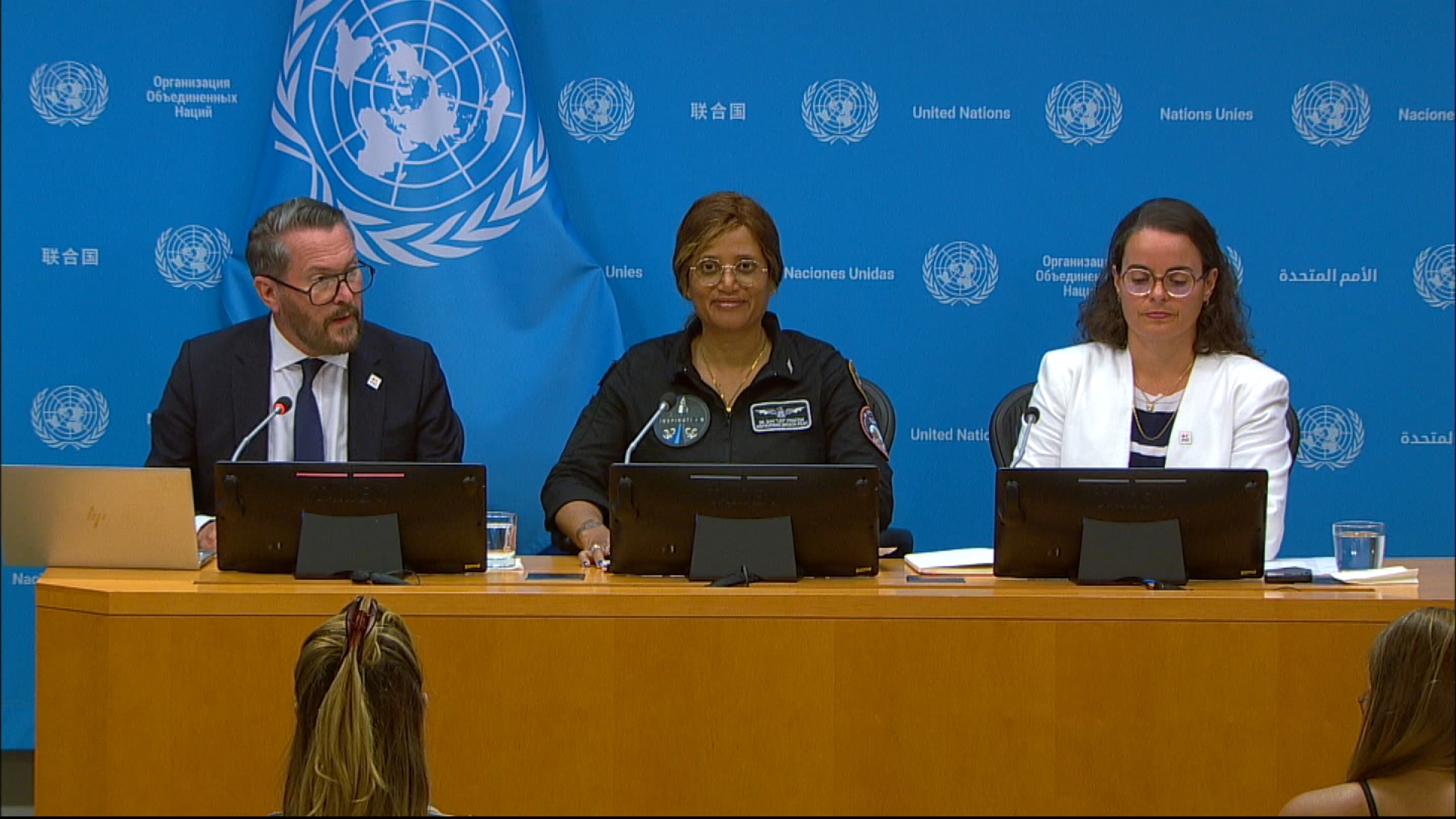
2. Wide shot, Press Room, podium and journalists
3. SOUNDBITE (English) James Elder, spokesperson, UNICEF:
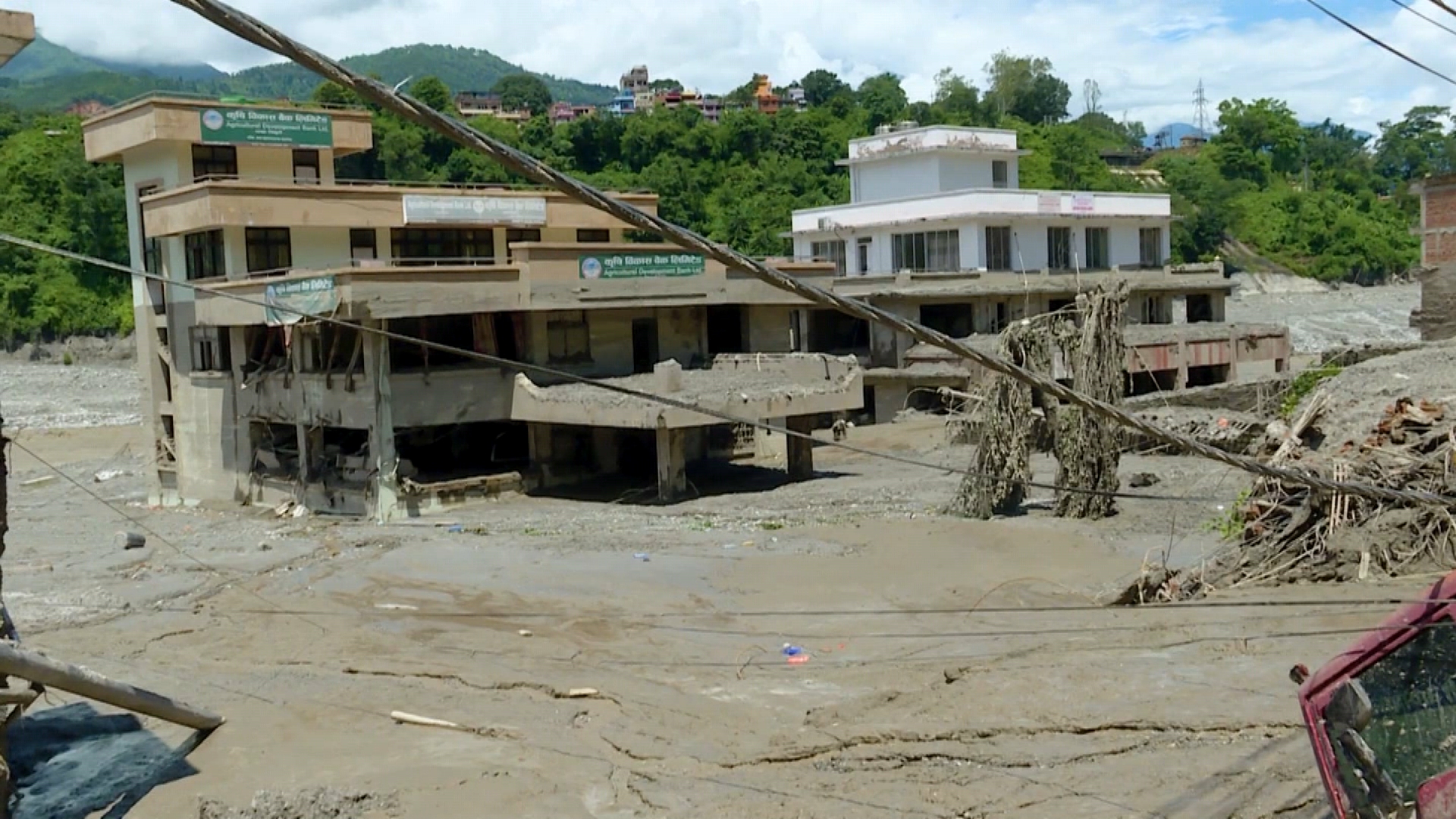
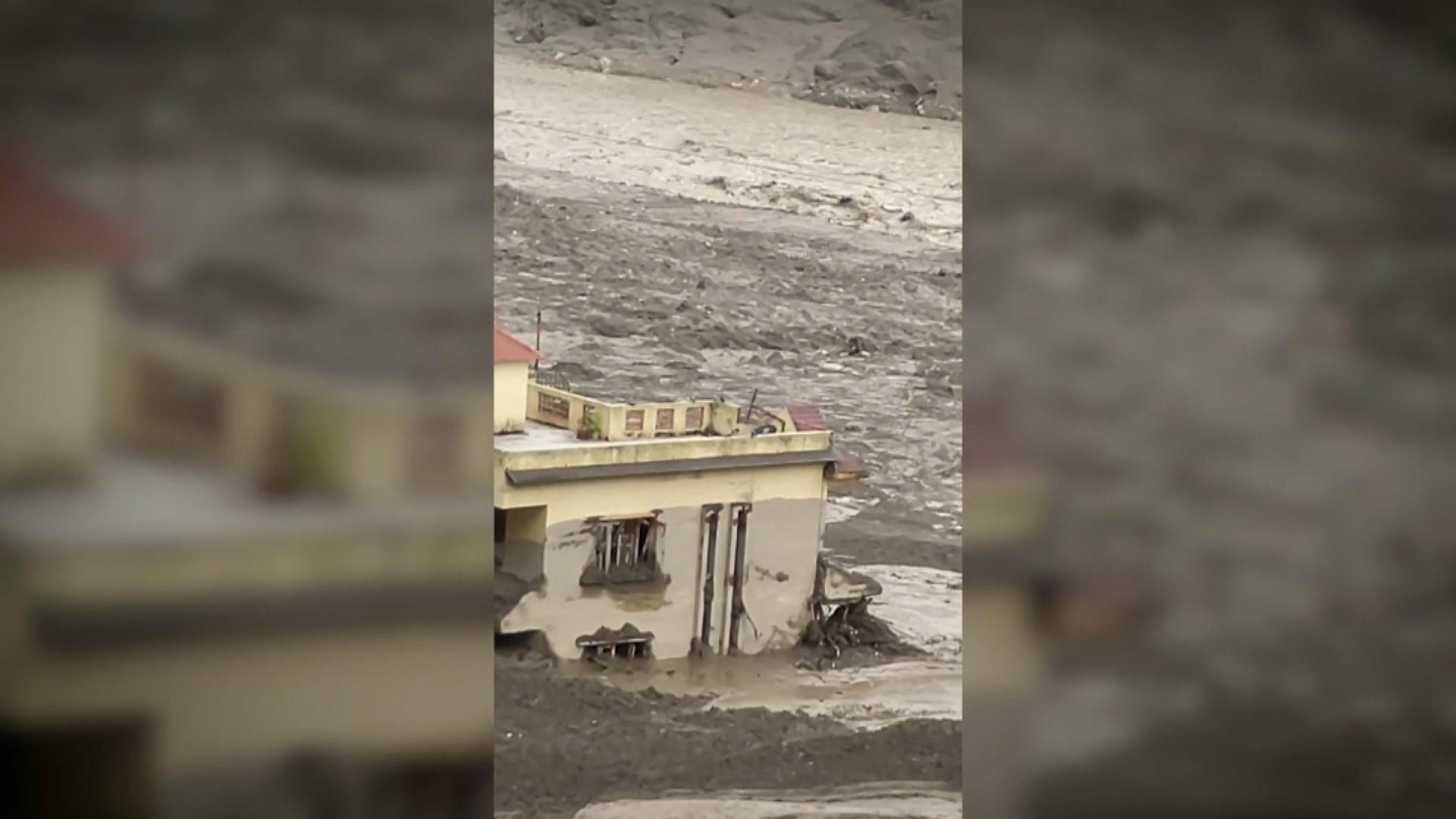
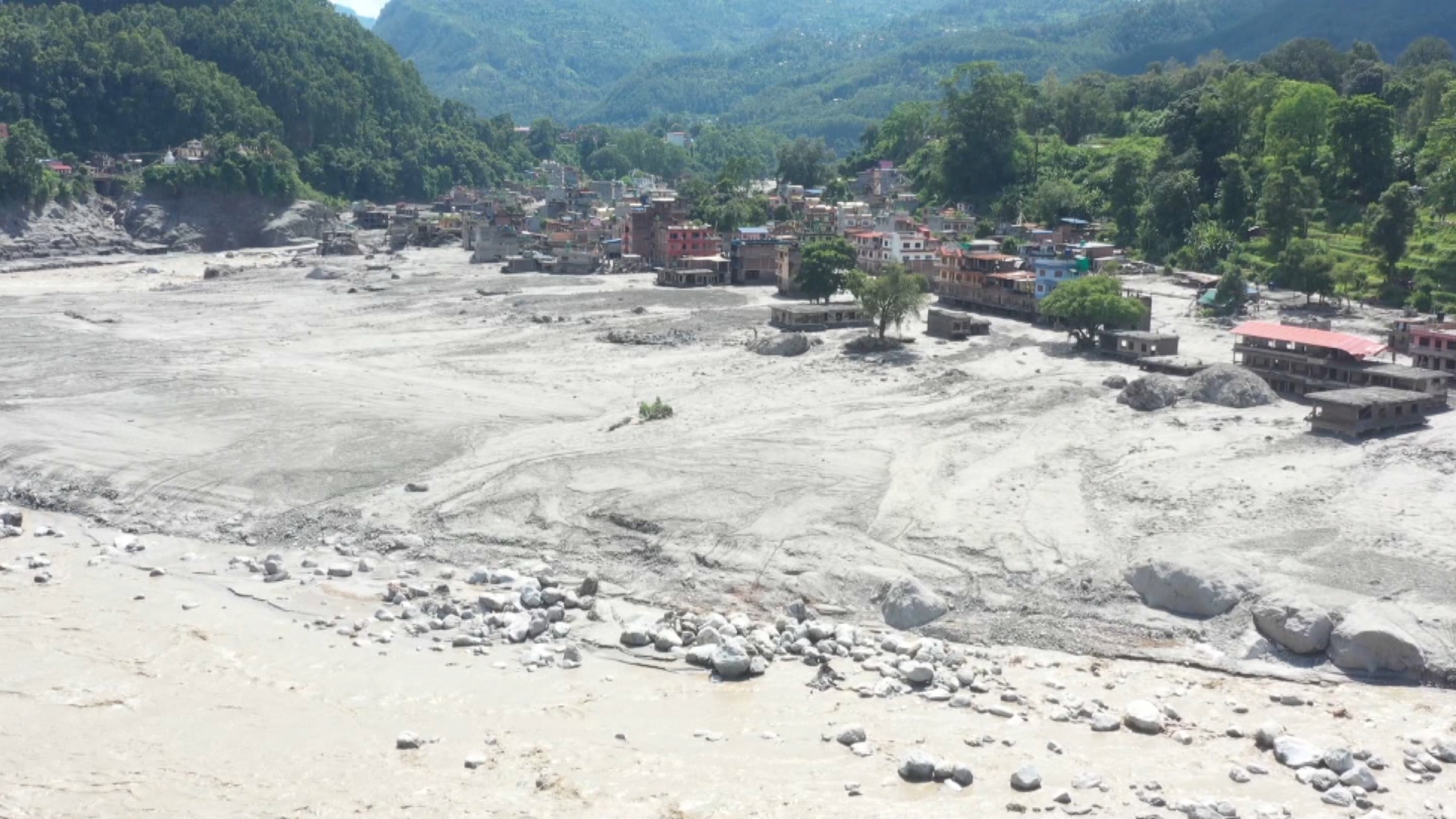
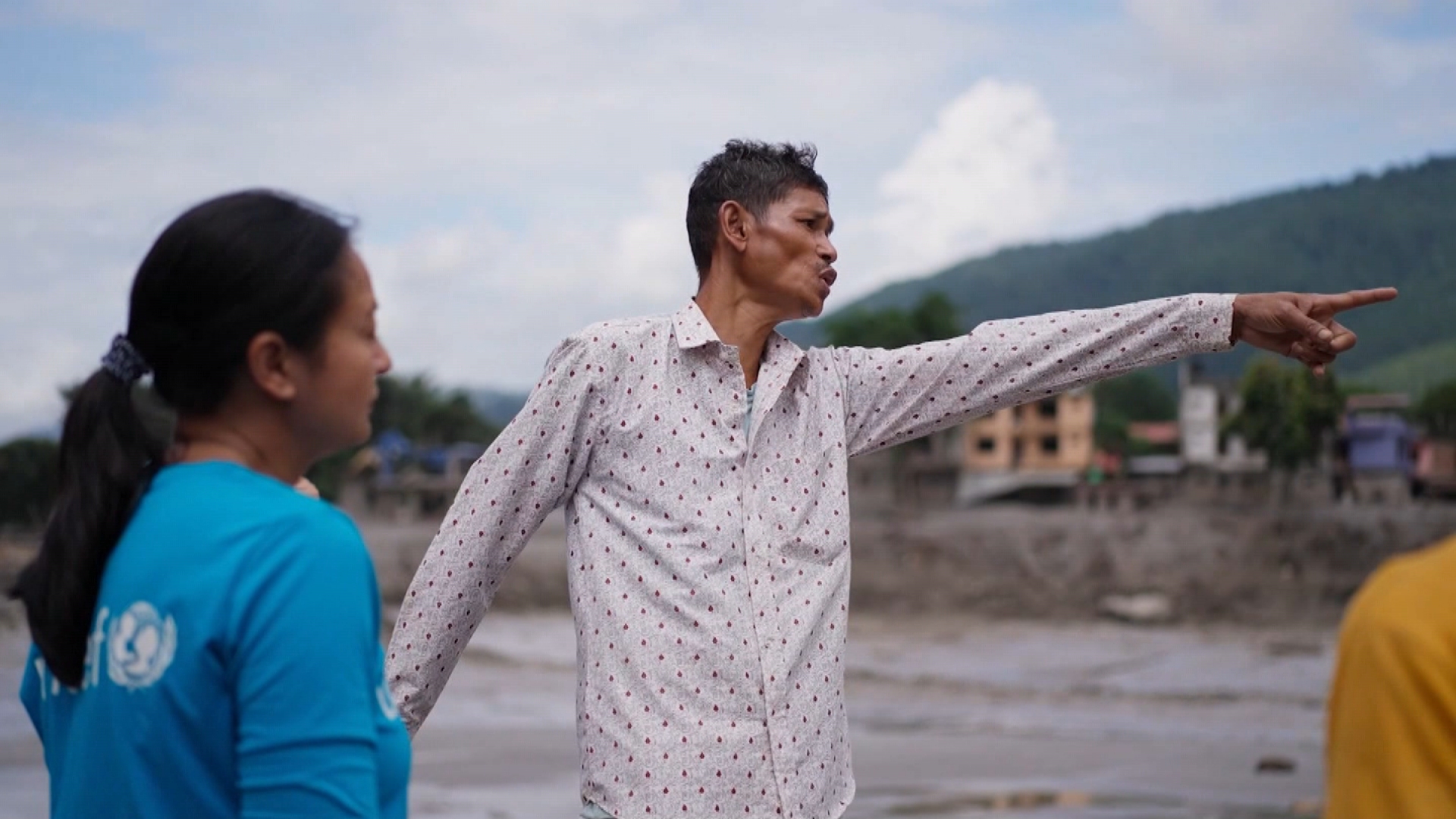
“More than 32,000 children in Nepal have been affected by the floods that began when a mountain of glacial ice and rock collapsed into a Himalayan river in August. Parts of the towns and villages look like war zones. Scientists warn that as the Himalayas warm, this kind of disaster is becoming more and more likely and the countries that have done the least to cause it are being left to pay for it.”
4. Med shot, podium speakers and remote speaker on TV screen
5. SOUNDBITE (English) James Elder, spokesperson, UNICEF:
“Sahara is 16. I met her earlier this week at a technical training centre that UNICEF supports. Her mum was swept away by the floods and killed. Through tears, Sahara told me, ‘It's not nice to live without a mum.’”
6. Wide shot, TV journalists, technicians in booths.
7. SOUNDBITE (English) James Elder, spokesperson, UNICEF:
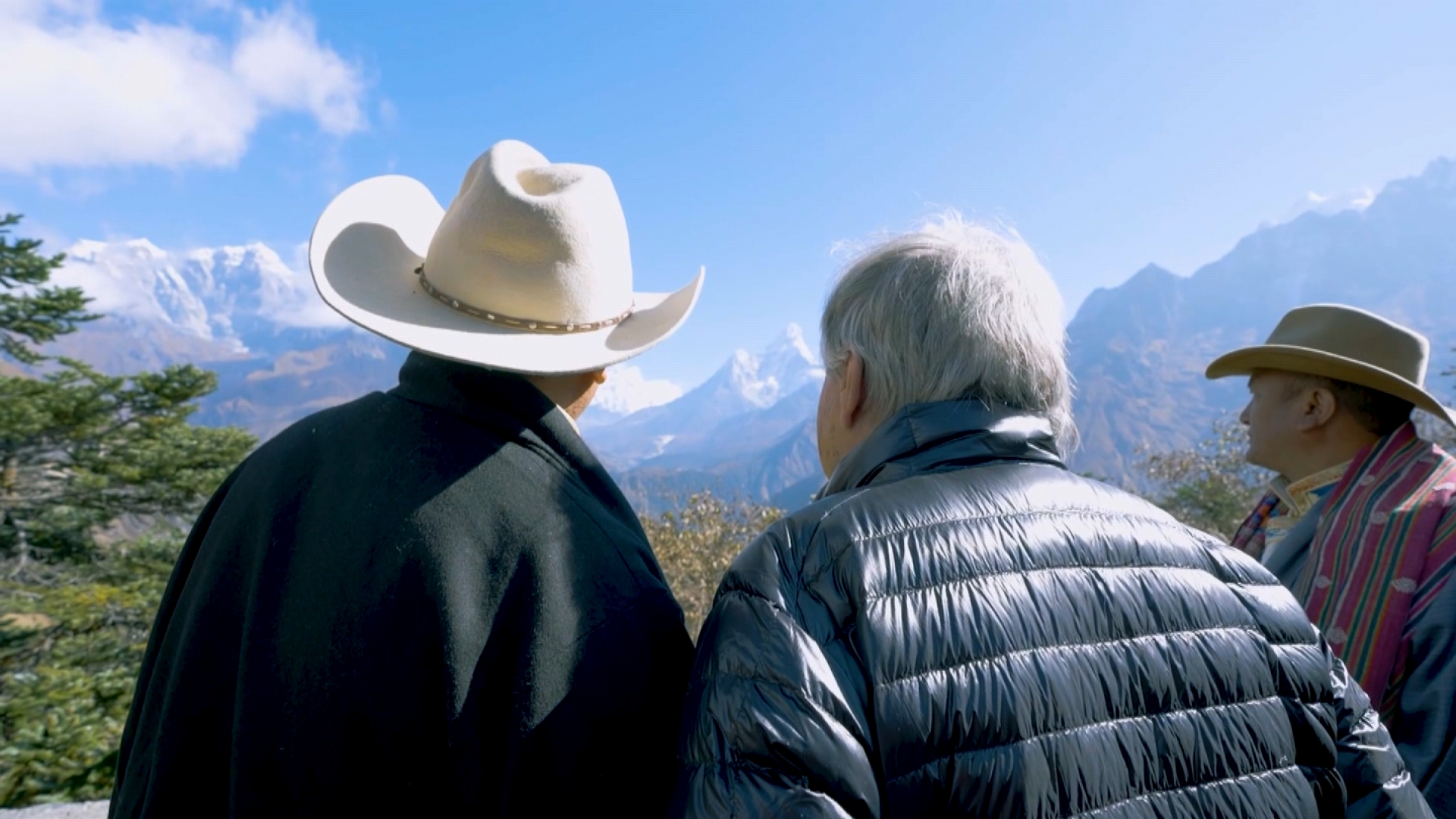
“The conditions of what happened in Nepal are well understood: the Himalayas are warming about twice as fast as the global average. Glaciers are shrinking, permafrost is thawing and the ice and frozen ground that hold these slopes together is weakening.”
8. Med shot, podium speakers and remote speaker on TV screen
9. SOUNDBITE (English) James Elder, spokesperson, UNICEF:
“Nepal produces only around one tenth of a single per cent of global greenhouse emissions. Parties to the United Nations Framework Convention on Climate Change have agreed to provide that finance to provide that support, to avert, minimize and address loss and damage. But for countries like Nepal, those commitments have to quickly translate into support that reaches affected families on the ground.”
10. Wide shot, Press Room, participants, TV screens showing speaker
11. SOUNDBITE (English) Caroline Holt, Director for Disasters, Climate and Crises, IFRC:
“Access to some communities in Rasuwa is still difficult and they continue to receive airlifted relief supplies in the most isolated areas. In the hardest-hit locations, families face disrupted markets, higher transport costs and shortages of essential goods as roads and communications are gradually restored.”
12. Med shot, podium speakers, TV screen showing speaker.
13. SOUNDBITE (English) Caroline Holt, Director for Disasters, Climate and Crises, IFRC:
“We must move quickly from relief to recovery. People need more than assistance to survive, they need confidence in their future, they need to know where they live, how they will earn an income and when their children can return to school.”
14. Med shot, journalist
Six weeks after Nepal’s deadly flooding disaster, communities are still struggling to rebuild their lives, but they will need sustained help as global warming increases the risk of another Himalayan catastrophe, the UN Children’s Fund (UNICEF) said on Friday (9 Oct).
At least 1,400 people were killed, including 84 children, and nearly 5,300 people are still missing, after a mountain of glacial ice and rock collapsed into the Bhotekoshi, Upper Trishuli and Narayani-Gandak rivers in late August, unleashing a massive torrent that washed away bridges and homes.
In an update from Kathmandu, UNICEF spokesperson James Elder highlighted the traumatic experience of 16-year-old Sahara, who he met this week at a technical training supported by the agency. “Her mum was swept away by the floods and killed. Through tears, Sahara told me, ‘It's not nice to live without a mum.’”
Today, areas of impacted towns and villages “look like war zones”, Mr. Elder stressed, while access to some communities in Rasuwa remains difficult. “They continue to receive airlifted relief supplies in the most isolated areas,” said Caroline Holt, Director for Disasters, Climate and Crises at the International Federation of Red Cross and Red Crescent Societies (IFRC). “In the hardest-hit locations, families face disrupted markets, higher transport costs and shortages of essential goods as roads and communications are gradually restored.”
The IFRC official stressed the urgent need to support those impacted by the disaster. “People need more than assistance to survive, they need confidence in their future, they need to know where they live, how they will earn an income and when their children can return to school,” she said.
Among those requiring urgent assistance are Shushila and her husband, Jivan, after floodwater more than two metres high surged through their home, destroying their tailor’s shop and tea store. “They escaped with the clothes they were wearing, and nothing else. Shushila told me, ‘Maybe it would have been better if we weren't able to escape.’ That is the stress and trauma brought on by inaction elsewhere in the world,” Mr. Elder said, adding that UNICEF has supported Shushila and Jivan’s family with cash assistance. “With so many needs, how did they prioritize their spending? On their children; books, stationery and clothes,” he explained.
International support for vulnerable countries, including Nepal, that are on the front line of climate change is critical, as the Himalayas warm “about twice as fast as the global average”, Elder said.
Noting that Nepal produces only 0.1 per cent of global greenhouse emissions, the UNICEF spokesperson welcomed declarations of support from States parties to the UN Framework Convention on Climate Change (UNFCCC) “to avert, minimize and address loss and damage. But for countries like Nepal, those commitments have to quickly translate into support that reaches affected families on the ground,” he said.