Media Home
 UN Web TV
 UN Audiovisual Library
 UN Photo
UNCTAD / TRADE AND DEVELOPMENT REPORT
Download
There is no media available to download.
Share
STORY: UNCTAD / TRADE AND DEVELOPMENT REPORT
TRT: 3:14
SOURCE: UNCTAD / UNTV CH
RESTRICTIONS: NONE
LANGUAGE: ENGLISH / NATS
DATELINE: 09 OCTOBER 2026, GENEVA, SWITZERLAND
1. Wide shot, Palais des Nations
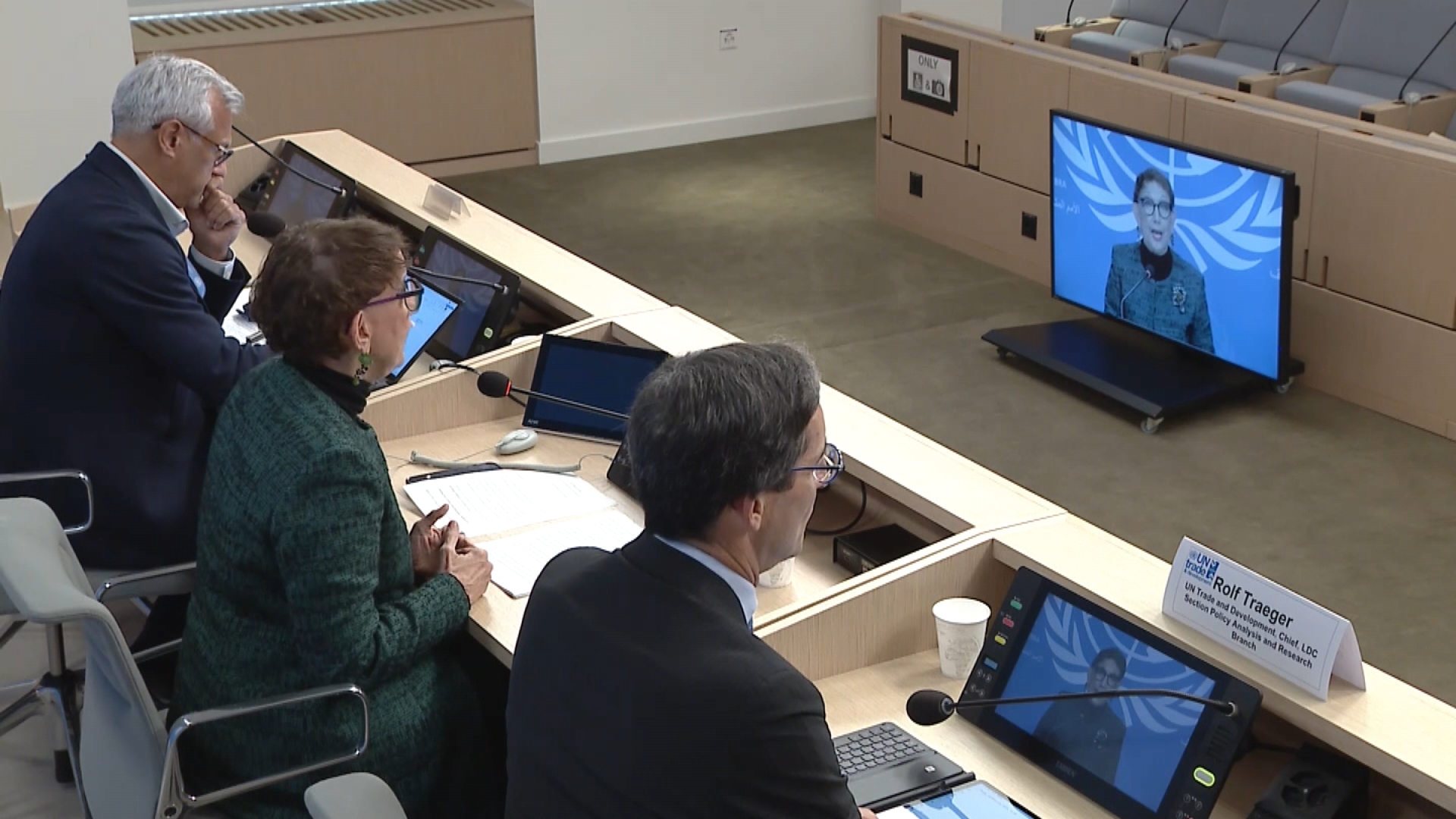
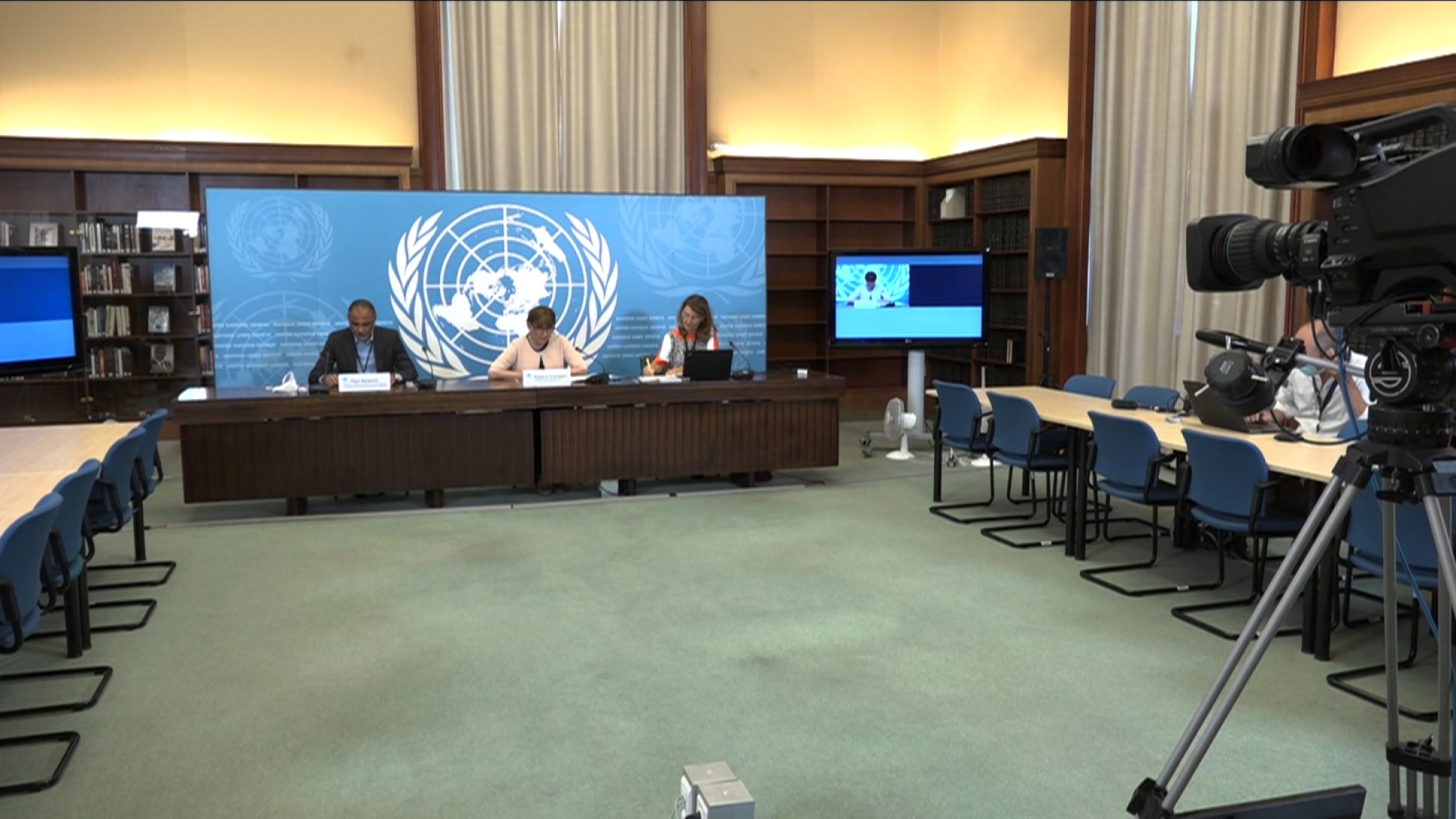
2. Wide shot, briefing room
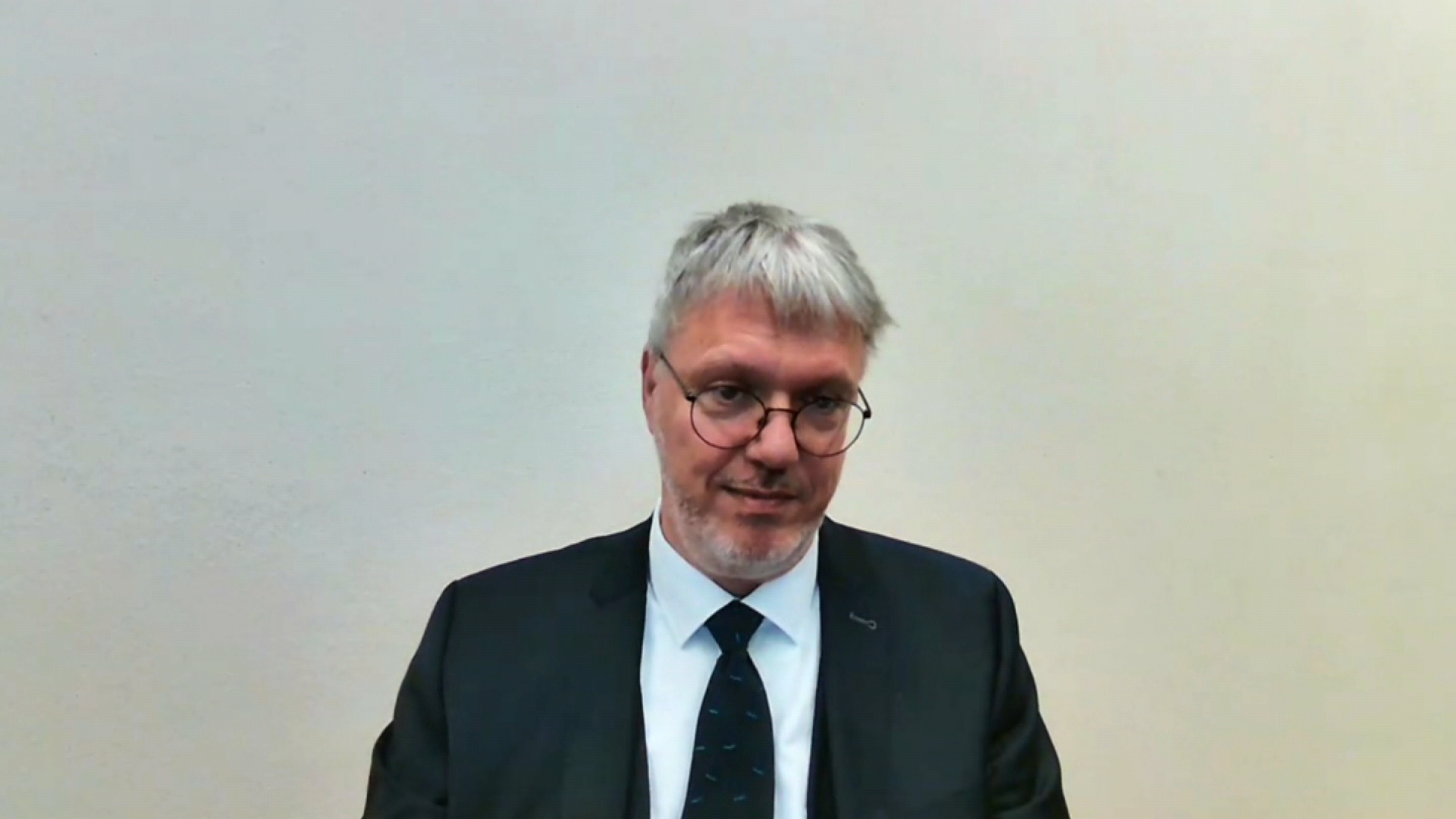
3. SOUNDBITE (English) Pedro Manuel Moreno, Acting Secretary-General UN Trade and development (UNCTAD):
“Global growth is projected to reach 2.6 percent this year, down from 2.9% last year, while trade is expected to span by about 4% in real terms. However, gains are extremely concentrated and energy shocks and financial stability continue to put pressure on developing economies. In the context of shrinking official development assistance.”
4. Med Shot, desk area
5. SOUNDBITE (English) Pedro Manuel Moreno, Acting Secretary-General UN Trade and development (UNCTAD):
“Governments are no longer looking at trade, investment, technology and critical resources only through the lens of economic growth. They are also considering issues of security and geopolitical power. Countries are using tariffs and investment rules to secure supply chains, protects strategic technologies and builds domestic capacity. For major economies this is part of an increasing economic security. For smaller and developing economies it can look very different.”
6. Close up, camera man
7. SOUNDBITE (English) Pedro Manuel Moreno, Acting Secretary-General UN Trade and development (UNCTAD): “
AI is becoming a major source of growth in trade and in and investment. It is driving the demand for chips, servers, data infrastructure, advanced services and critical minerals. But the gains again are highly concentrated.”
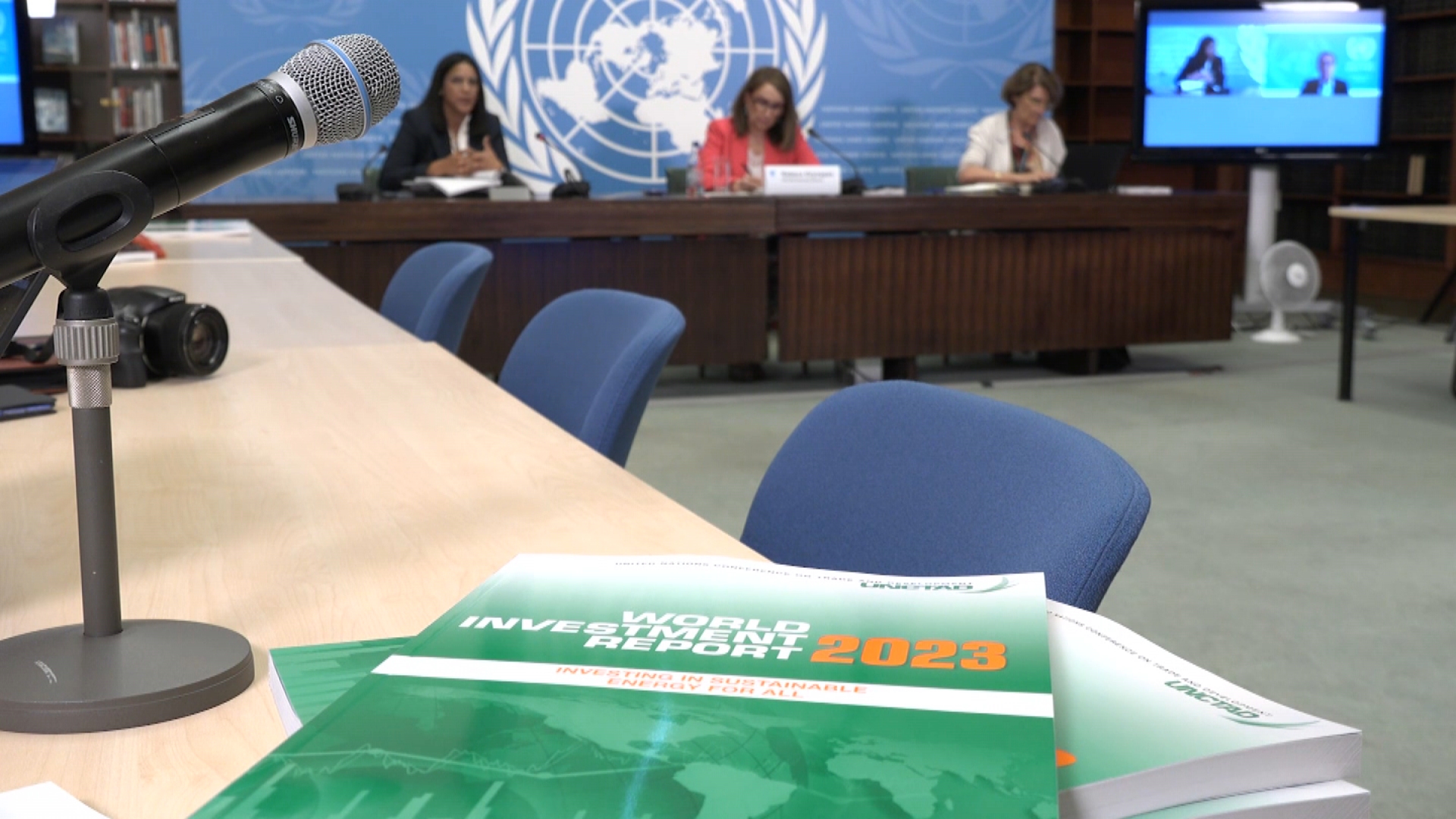
8. Med shot, behind speakers
9. SOUNDBITE (English) Pedro Manuel Moreno, Acting Secretary-General UN Trade and development (UNCTAD):
“For example, Africa mines most of the world's cobalt, which is a strategic mineral at the intersection of technology, energy and geopolitics. 73% of that mineral is held by just one country. The Democratic Republic of the Congo, but less that 1% of value of the global green supply chain stays in Africa.”
10. Med shot, camera man
11. SOUNDBITE (English) Pedro Manuel Moreno, Acting Secretary-General UN Trade and development (UNCTAD):
“Asian economies have shown remarkable resilience and in many cases, a strong economic growth despite a difficult global environment. They are adapting quickly to changes in technology, trade and investment. They are deepening regional supply chains, attracting investment and diversifying their economy.”
12. Close up, behind speakers
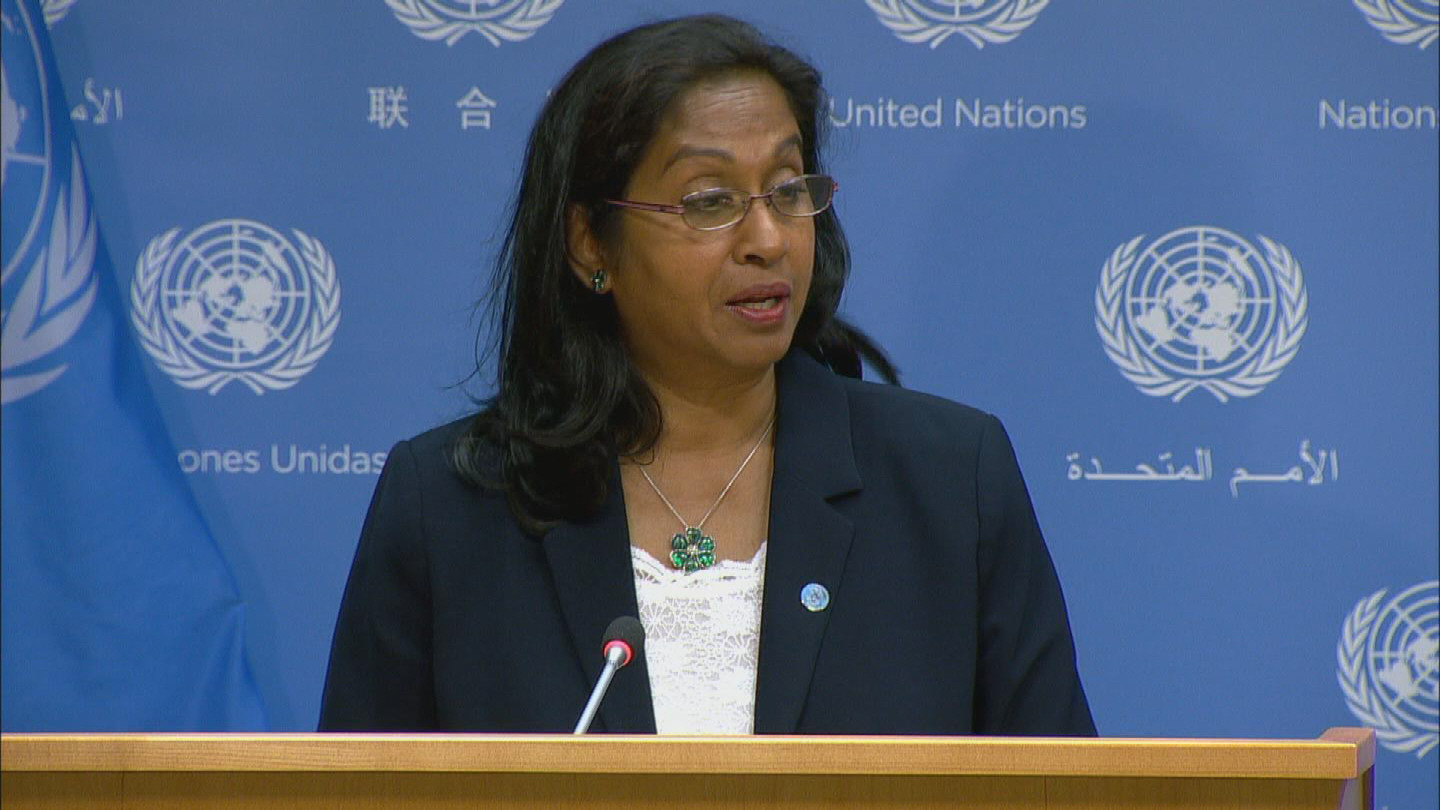
13. SOUNDBITE (English) Anastasia Nesvetailova Head of the Macroeconomic and Development Policies Branch UN Trade and Development (UNCTAD):
“Development has to be built deliberately and that there is now a real window to do this. Rising economies of the global South, including Brazil, India, Indonesia, Nigeria, South Africa, Saudi Arabia, Turkey, as well as others are embarking on exactly these endeavors through their sectoral strategies, trade diversification, and regional initiatives.”
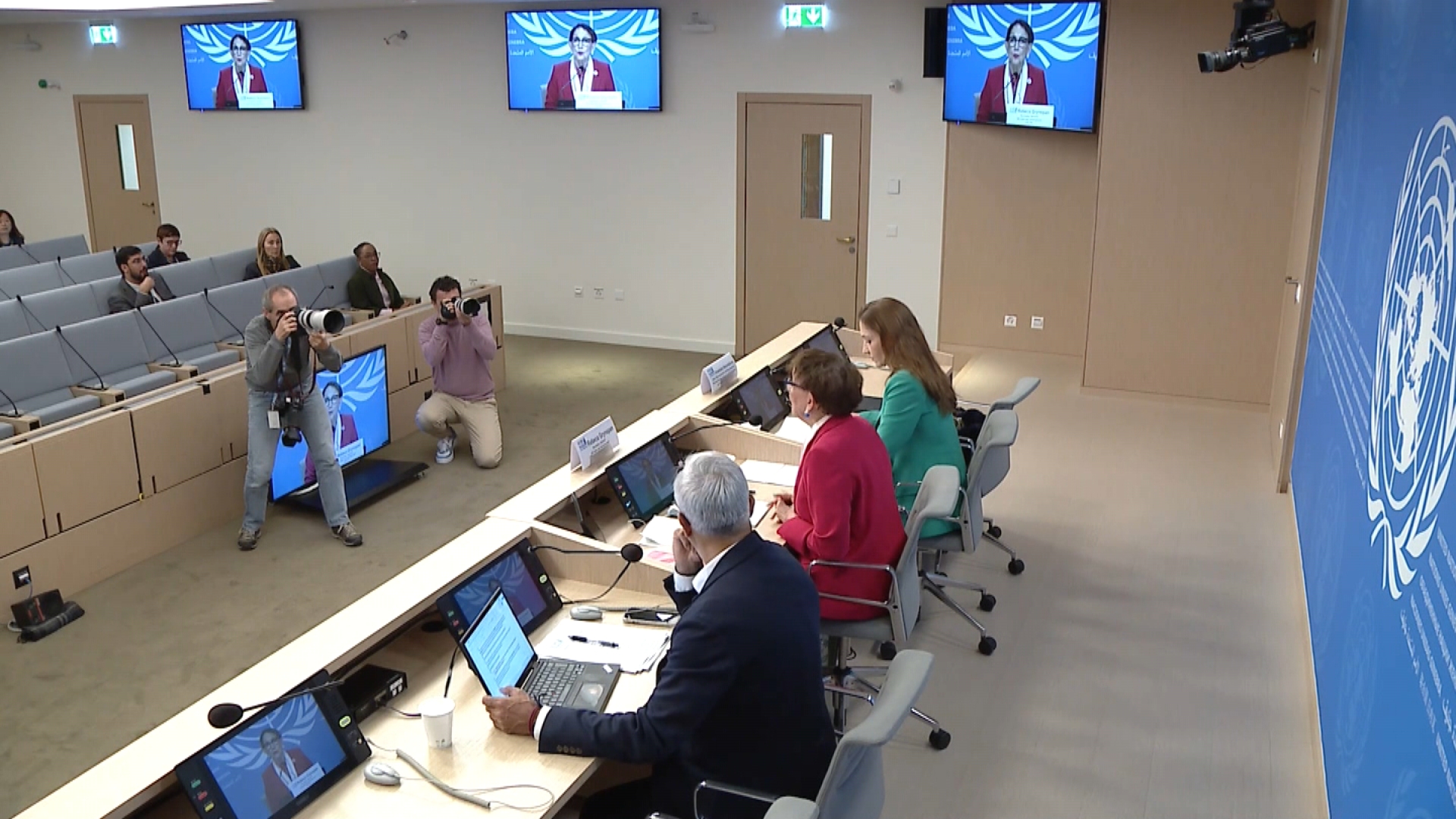
14. Med shot, press conference
15. SOUNDBITE (English) Pedro Manuel Moreno, Acting Secretary-General UN Trade and development (UNCTAD):
“The message from UNCTAD is clear the Global South is not simply responding to this new global economy. It is also increasingly saving it.”
16. Med shot, press conference room
Global trade reached a record $35 trillion in 2025. In 2026, higher trade values are being driven by price increases amid the energy shock. The global trade map is shifting: trade between China and the United States has fallen by more than 20% since 2024, while East Asia has expanded trade with both China and North America. Export controls, investment screening and supply-chain conditions make strategic sectors harder for new entrants to access.
UNCTAD’s flagship report finds that governments increasingly use industrial, trade, financial and technology policies to pursue economic and national security objectives. Market access and the ability to move into higher-value activities now depend more heavily on technology, finance and geopolitics.
But the resilience is fragile and uneven. Growth is slowing, financial risks are mounting and development finance is under strain. Apart from a handful of Asian economies, most of the global South is falling further behind.
The rules of the game are also changing. Governments are using trade restrictions, financial subsidies and technology controls to compete for industries seen as vital to economic and national security, including semiconductors, artificial intelligence infrastructure and clean energy technologies. Called geoeconomics, it's reshaping global trade and investment.
Yet the changing map of global production also creates openings. As companies shift operations, some developing economies are attracting new trade and investment. The question is whether developing economies can turn these openings into stronger industries and lasting growth.
Calls to action:
Support industries over the long term, building skills, research and local suppliers until they can compete on their own.
Use financial policy to support industry. Tie foreign investment to local suppliers, technology transfer and more value created at home.
Help countries move into higher-value activities instead of remaining stuck in the lowest-value parts of global supply chains.
Strengthen regional cooperation on trade, payments, technology and industrial development so countries can create opportunities together.