Media Home
 UN Web TV
 UN Audiovisual Library
 UN Photo
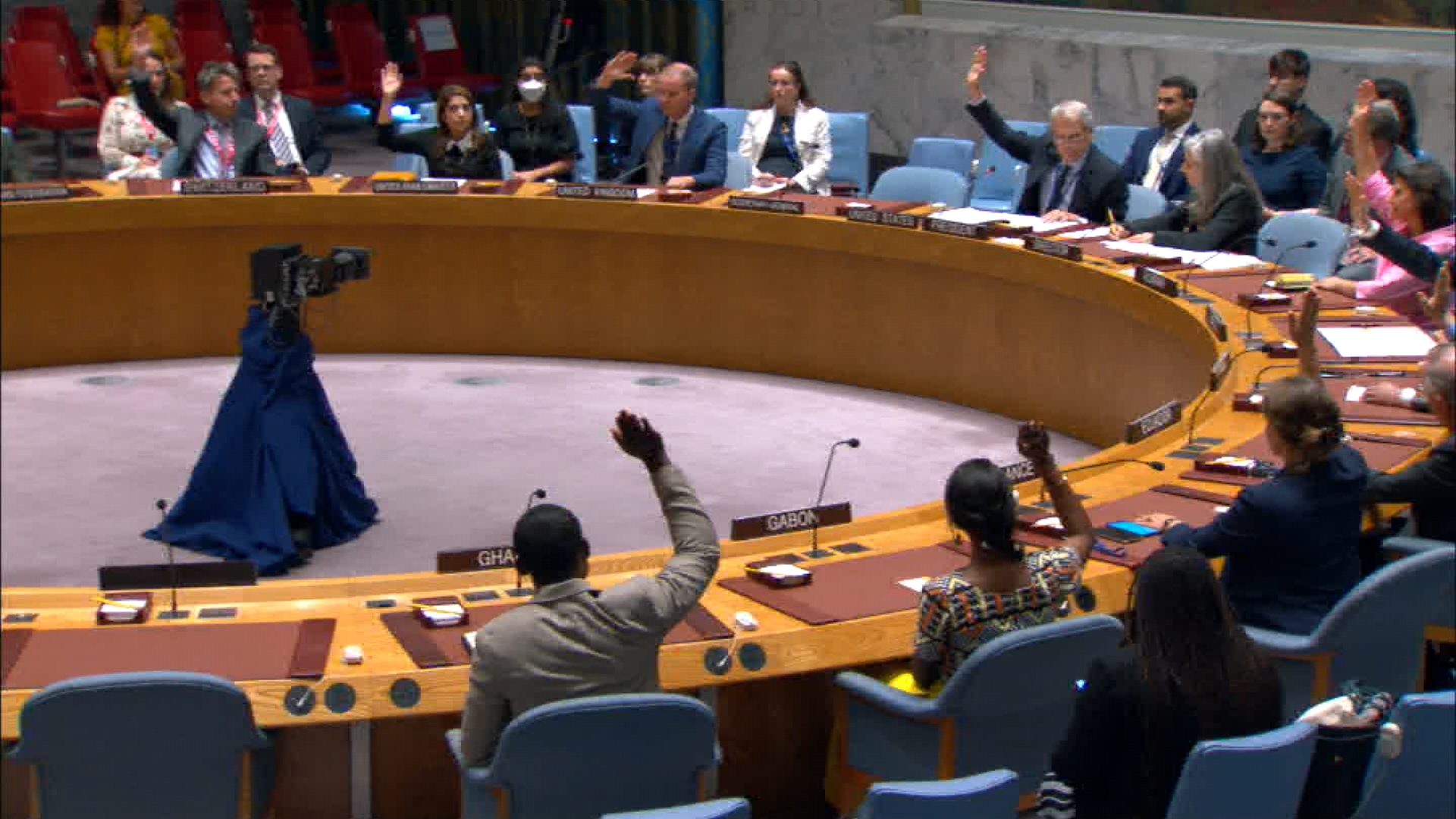
UN / COLOMBIA MANDATE
STORY: UN / COLOMBIA MANDATE
TRT: 04:29
SOURCE: UNIFEED
RESTRICTIONS: NONE
LANGUAGES: ENGLISH / SPANISH / NATS
DATELINE: 30 OCTOBER 2026, NEW YORK CITY / FILE
FILE - NEW YORK CITY
1. Wide shot, exterior, United Nations Headquarters
30 OCTOBER 2026, NEW YORK CITY
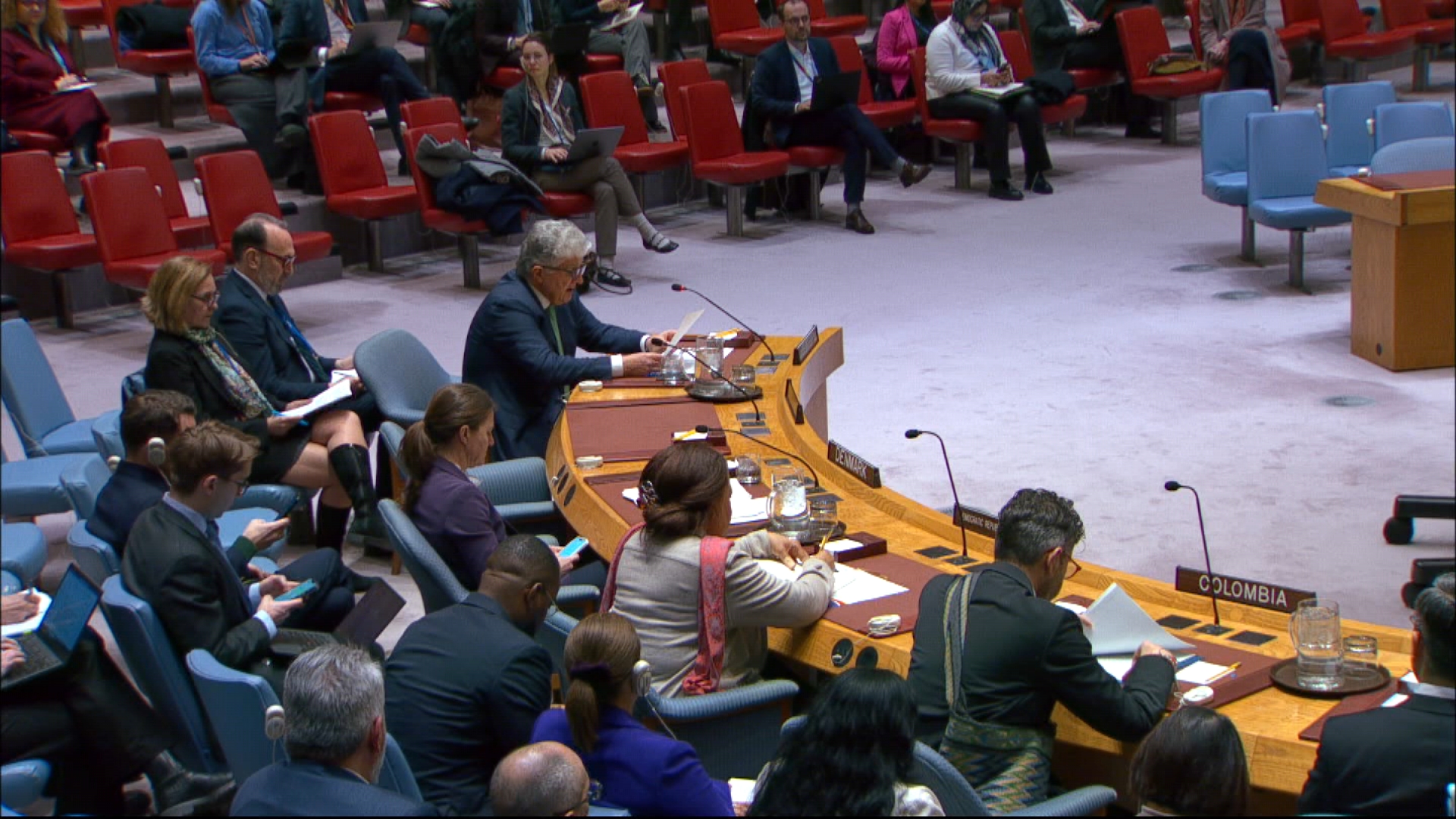
2. Wide shot, Security Council
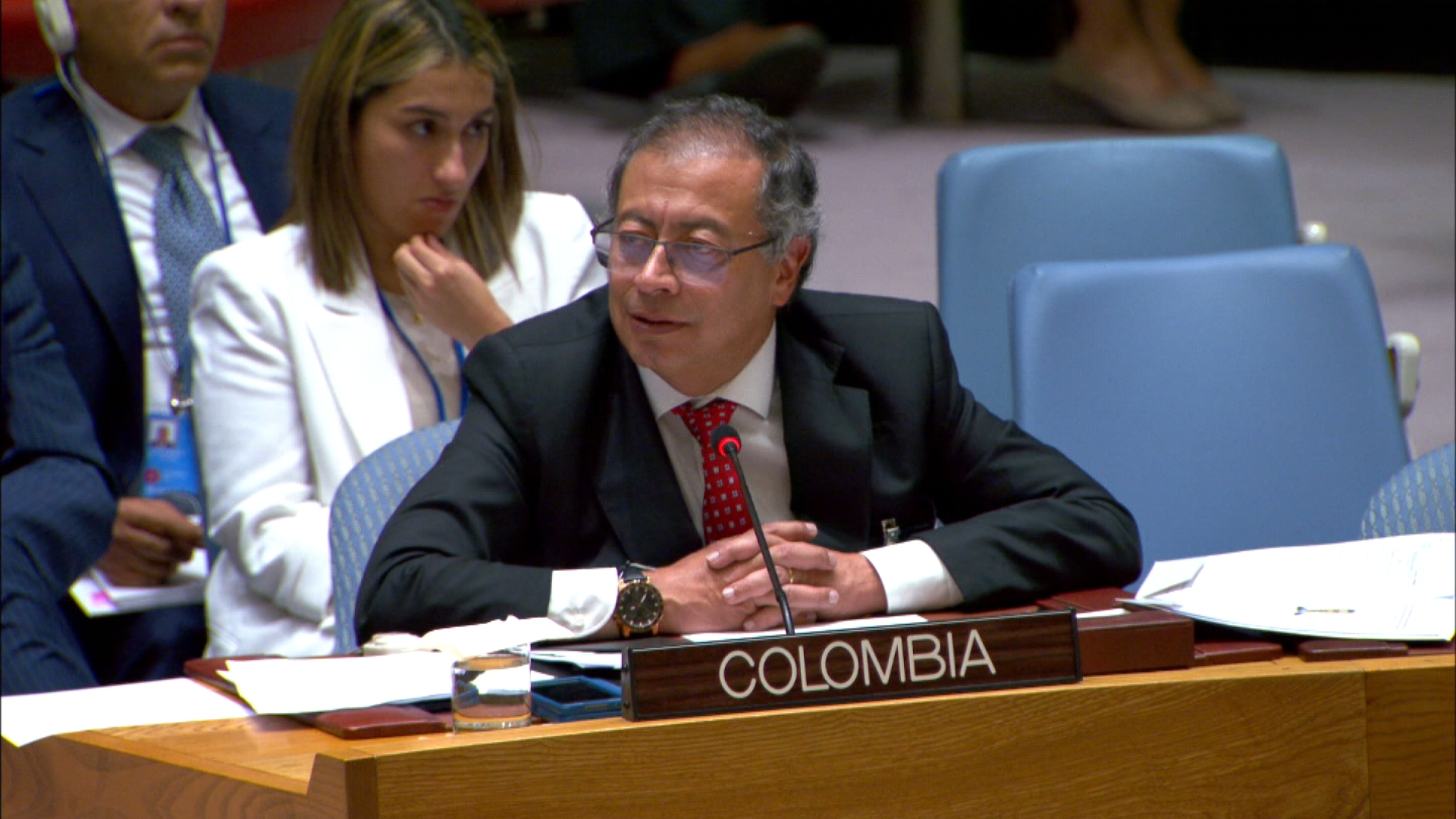
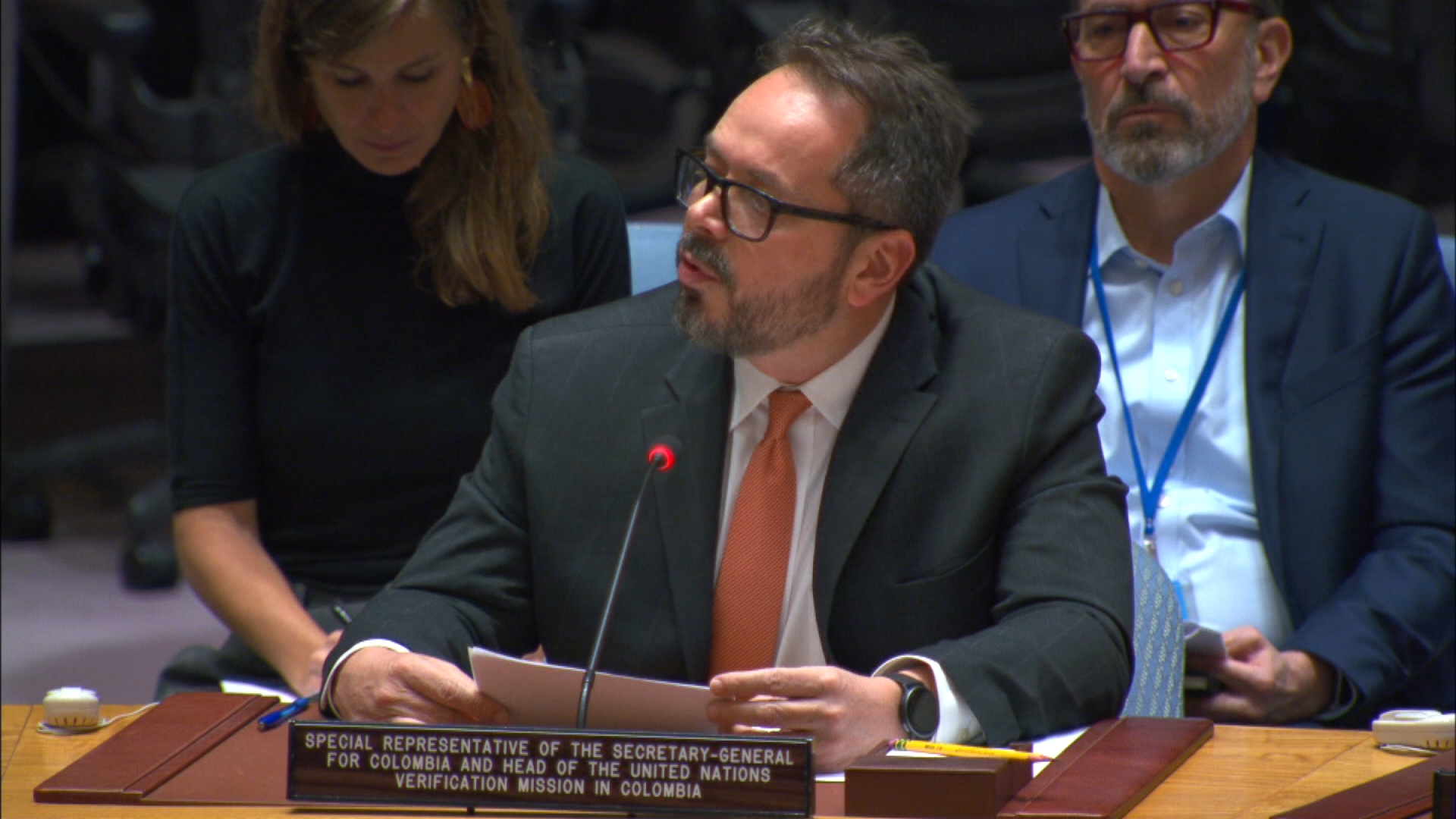
3. Med shot, Colombia’s Ambassador Mauricio Gaona Bejarano
4. Pan left, Council vote
5. Wide shot, Council
6. SOUNDBITE (English) Sarah MacIntosh, Permanent Representative to the United Nations, United Kingdom:
“Protecting the gains of the agreement and addressing today's security challenges are not competing objectives. They are mutually reinforcing and are essential not only for Colombia's future, but also for stability and peace throughout the region. We welcome the commitment from the government of Colombia to rural reform, and that this will now transfer to domestic institutions.”
7. Med shot, Panama’s Ambassador Alfaro de Alba addressing Council
8. SOUNDBITE (Spanish) Alfaro de Alba, Permanent Representative to the United Nations, Panama:
“Naturally, each government has moved ahead with different approaches and priorities to the implementation of this constitutional and state level commitment, which goes beyond election cycles and ideological differences. In this context, although Panama recognises the value of international verification on rural reform, we respect Colombia's priorities as the host country, and we celebrate the consensus reached in this Council to adjust the Mission's mandate.”
9. Wide shot, Council
10. SOUNDBITE (English) Tammy Bruce, Deputy Permanent Representative to the United Nations, United States:
“On its own initiative, Colombia asked the Security Council to narrow this Mission scope back to its core function, verifying reintegration and security guarantees. We supported that request and we are pleased to see it reflected in this text. Colombia made clear it is ready to carry rural reform forward as its own national responsibility. That is exactly the kind of ownership this Council should want to see from every host government, not endless mandates, but governments stepping up and taking the lead.”
11. Med shot, Gaona Bejarano addressing Council
12. SOUNDBITE (English) Mauricio Gaona Bejarano, Permanent Representative to the United Nations, Colombia:
“What we did here today is not going against peace. It is just understanding that the circumstances in the country, the world, and the conflict have evolved. And as such, the United Nations needs to evolve its mandate to be more effective.”
13. Med shot, Gaona Bejarano addressing Council
14. SOUNDBITE (English) Mauricio Gaona Bejarano, Permanent Representative to the United Nations, Colombia:
“The government of Colombia, and the millions of citizens who elected it are not against peace. We are against impunity. We are against using peace as a political shield for crimes against humanity and human rights atrocities, all while enabling criminal organisations all anew, gain power and trample the most basic rights and the human dignity of our working people.”
15. Med shot, Gaona Bejarano addressing Council
16. SOUNDBITE (English) Mauricio Gaona Bejarano, Permanent Representative to the United Nations, Colombia:
“Let me please disabuse you of the illusion and false narratives that sometimes surrounded the idea that you have heard from those who have benefit the most from this unsettling peace process, particularly the ones that claim that the 2016 peace accord in Colombia is a model for the world. Well, not our world, nor the world of the thousands of Colombians that have been killed, kidnapped, or extorted since the agreement was signed. Certainly not the world of women that have been abducted by the guerrillas, and not the world of hundreds of children that have been recruited by gangs, criminal organisations, and drug cartels.”
17. Med shot, Gaona Bejarano addressing Council
18. SOUNDBITE (Spanish) Mauricio Gaona Bejarano, Permanent Representative to the United Nations, Colombia:
“The unanimous vote of the UN Security Council is a resounding and unmistakeable message. A verification mission that is focussed, effective, efficient, and aligned with the reality being experienced by millions of Colombians has a greater chance of being successful.”
19. Wide shot, end of Council meeting
The Security Council today (30 Oct) unanimously adopted a resolution renewing the mandate of the UN Verification Mission in Colombia for another year, retaining the verification mission’s core tasks while discontinuing the Mission’s role monitoring implementation of comprehensive rural reform.
After the vote British Ambassador Sarah MacIntosh, penholder of the draft text, told the Council that “protecting the gains of the agreement and addressing today's security challenges are not competing objectives. They are mutually reinforcing and are essential not only for Colombia's future, but also for stability and peace throughout the region.”
MacIntosh welcomed “the commitment from the government of Colombia to rural reform, and that this will now transfer to domestic institutions.”
Panama’s Ambassador Alfaro de Alba, for his part told the Council that in the ten years since the signing of the peace agreement, successive Colombian governments have “moved ahead with different approaches and priorities to the implementation of this constitutional and state level commitment, which goes beyond election cycles and ideological differences. “
De Alba said, “although Panama recognises the value of international verification on rural reform, we respect Colombia's priorities as the host country, and we celebrate the consensus reached in this Council to adjust the Mission's mandate.”
United States Ambassador Tammy Bruce said, “Colombia made clear it is ready to carry rural reform forward as its own national responsibility. That is exactly the kind of ownership this Council should want to see from every host government, not endless mandates, but governments stepping up and taking the lead.”
Colombia’s Ambassador Mauricio Gaona Bejarano said, “what we did here today is not going against peace. It is just understanding that the circumstances in the country, the world, and the conflict have evolved. And as such, the United Nations needs to evolve its mandate to be more effective.”
Gaona Bejarano said, “we are against impunity. We are against using peace as a political shield for crimes against humanity and human rights atrocities, all while enabling criminal organisations all anew, gain power and trample the most basic rights and the human dignity of our working people.”
He said, “let me please disabuse you of the illusion and false narratives that sometimes surrounded the idea that you have heard from those who have benefit the most from this unsettling peace process, particularly the ones that claim that the 2016 peace accord in Colombia is a model for the world. Well, not our world, nor the world of the thousands of Colombians that have been killed, kidnapped, or extorted since the agreement was signed. Certainly not the world of women that have been abducted by the guerrillas, and not the world of hundreds of children that have been recruited by gangs, criminal organisations, and drug cartels.
To conclude, the Colombian Ambassador said, “the unanimous vote of the UN Security Council is a resounding and unmistakeable message. A verification mission that is focussed, effective, efficient, and aligned with the reality being experienced by millions of Colombians has a greater chance of being successful.
The core tasks of the 2016 Final Agreement that remain in place are to verify implementation of the reincorporation of former FARC-EP combatants and personal and collective security guarantees, including for communities and organisations in conflict-affected areas.