Media Home
 UN Web TV
 UN Audiovisual Library
 UN Photo
UN / SUDAN DENISE BROWN INTERVIEW
STORY: UN / SUDAN DENISE BROWN INTERVIEW
TRT: 04:11
SOURCE: UN NEWS
RESTRICTIONS: CREDIT WFP FOOTAGE ON SCREEN
LANGUAGES: ENGLISH / NATS
DATELINE: 03 NOVEMBER 2026, NEW YORK CITY
CREDIT WFP - 07 JULY 2026, GOZ AL-SALAM CAMP, KOSTI, WHITE NILE STATE, SUDAN
1. Various shots, general views of the camp
03 NOVEMBER 2026, NEW YORK CITY
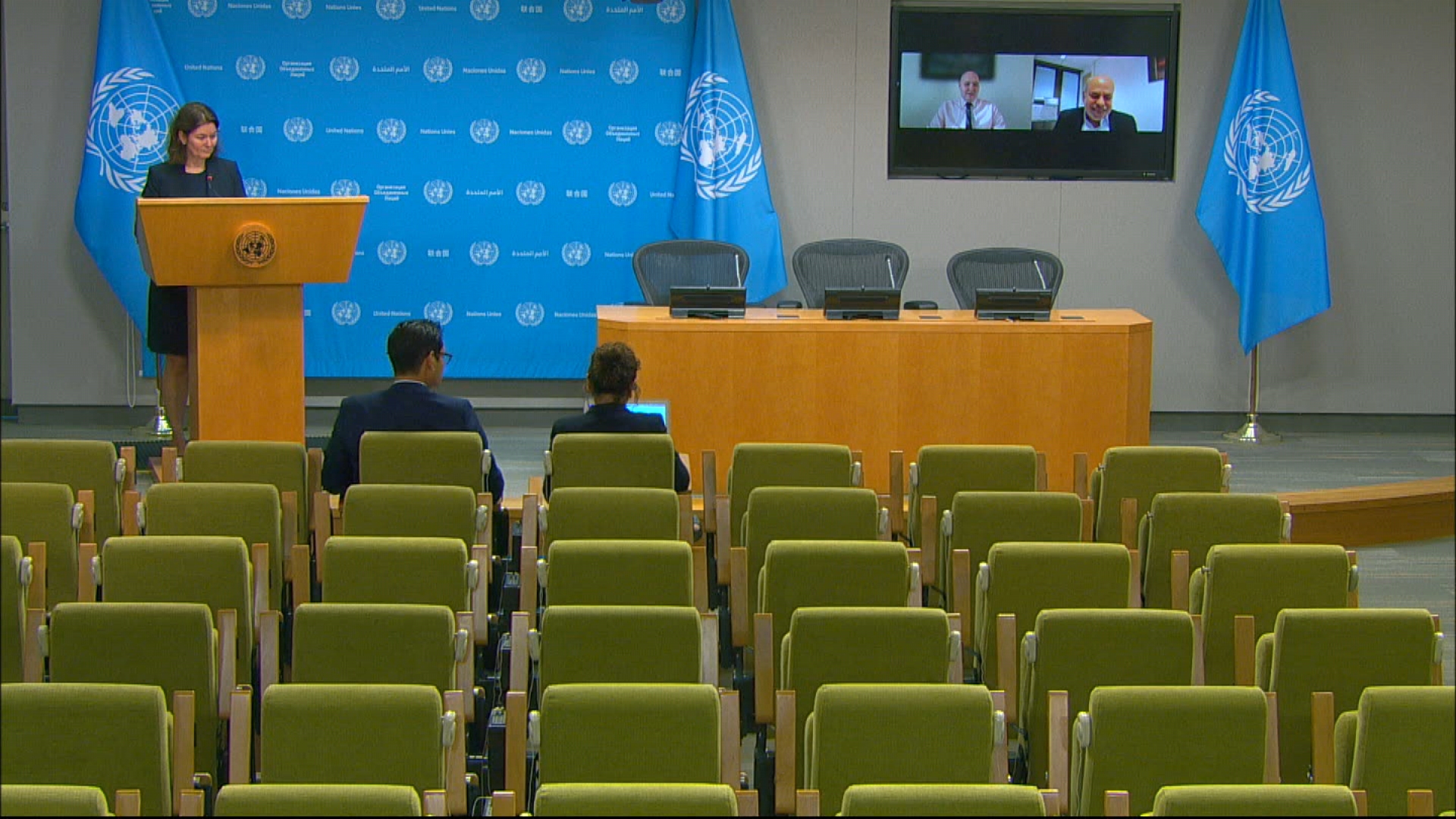
2. SOUNDBITE (English) Denise Brown, UN Resident Coordinator and the Humanitarian Coordinator in Sudan:
“There's been an intense pattern of drone strikes over the past couple of weeks. In particular, what we're seeing is what appeared to be targeted attacks of civilian infrastructure, which of course are protected under international humanitarian law. So, sources of energy and fuel appear to be systematically targeted and destroyed. So already there's an apparent violation here.”
CREDIT WFP - 07 JULY 2026, GOZ AL-SALAM CAMP, KOSTI, WHITE NILE STATE, SUDAN
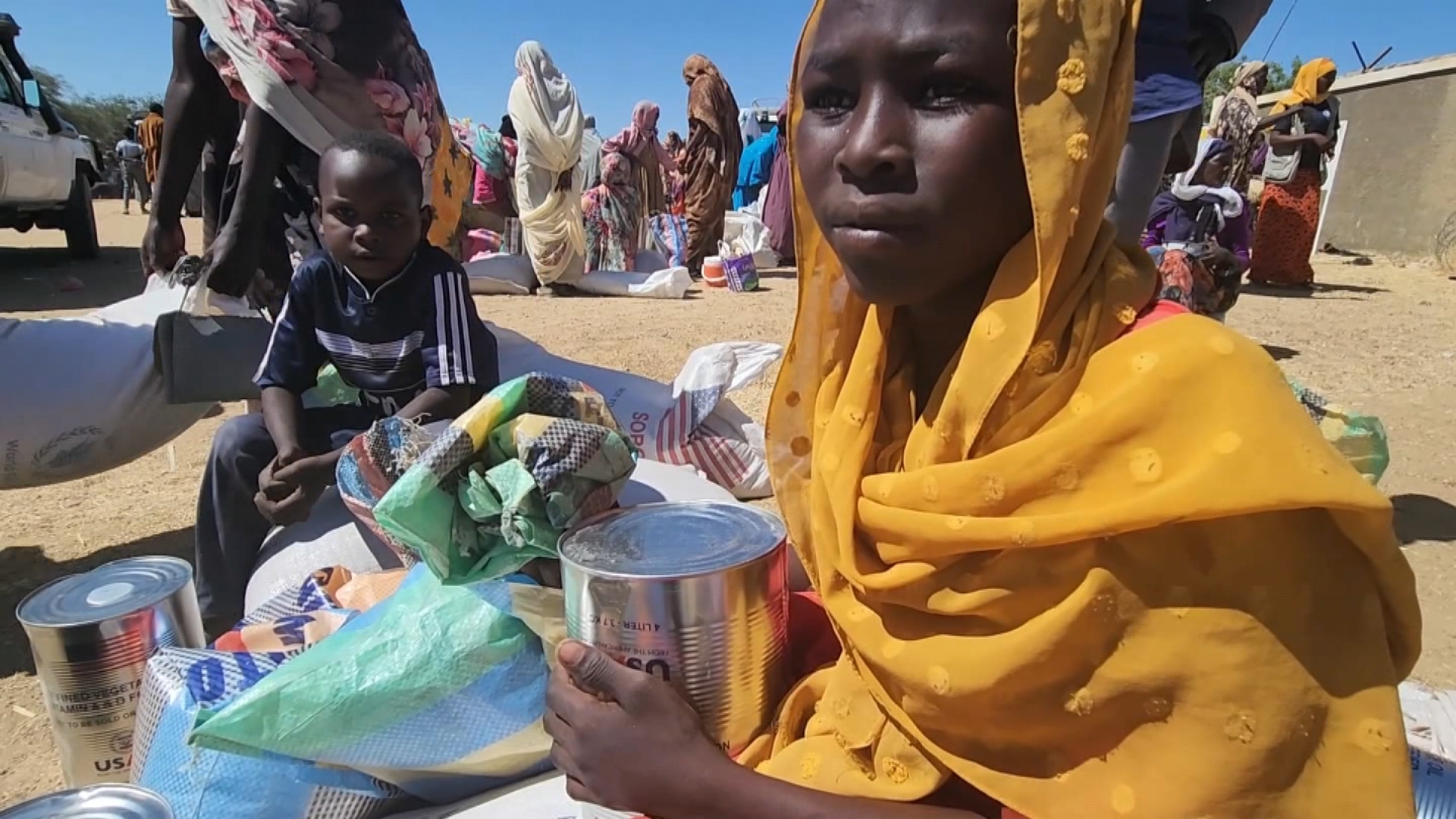
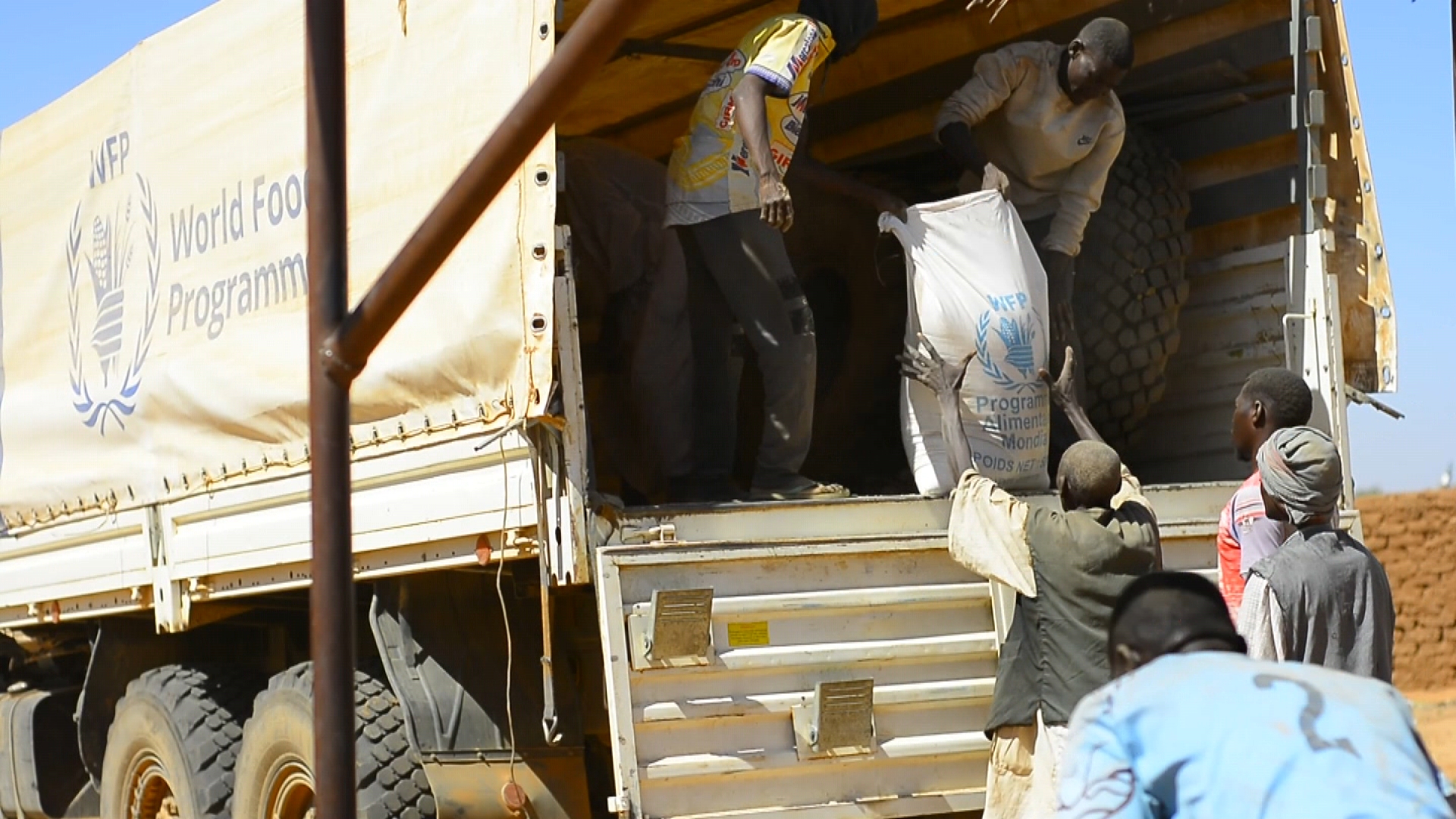
3. Various shots, food distribution
03 NOVEMBER 2026, NEW YORK CITY
4. SOUNDBITE (English) Denise Brown, UN Resident Coordinator and the Humanitarian Coordinator in Sudan:
“Then what's occurring is that services, essential services, of course, are being massively disrupted. Colleagues from the World Health Organization were in a hospital yesterday just outside of Khartoum. The electricity went out because of these drone strikes. The hospital has no generator, no solar panel. So, the 25 people on dialysis which they need, that dialysis stopped, point blank. Nothing to do, no electricity. This affects women giving birth. This affects children. This affects the people we saw yesterday. This affects everyone.”
CREDIT WFP - 07 JULY 2026, GOZ AL-SALAM CAMP, KOSTI, WHITE NILE STATE, SUDAN
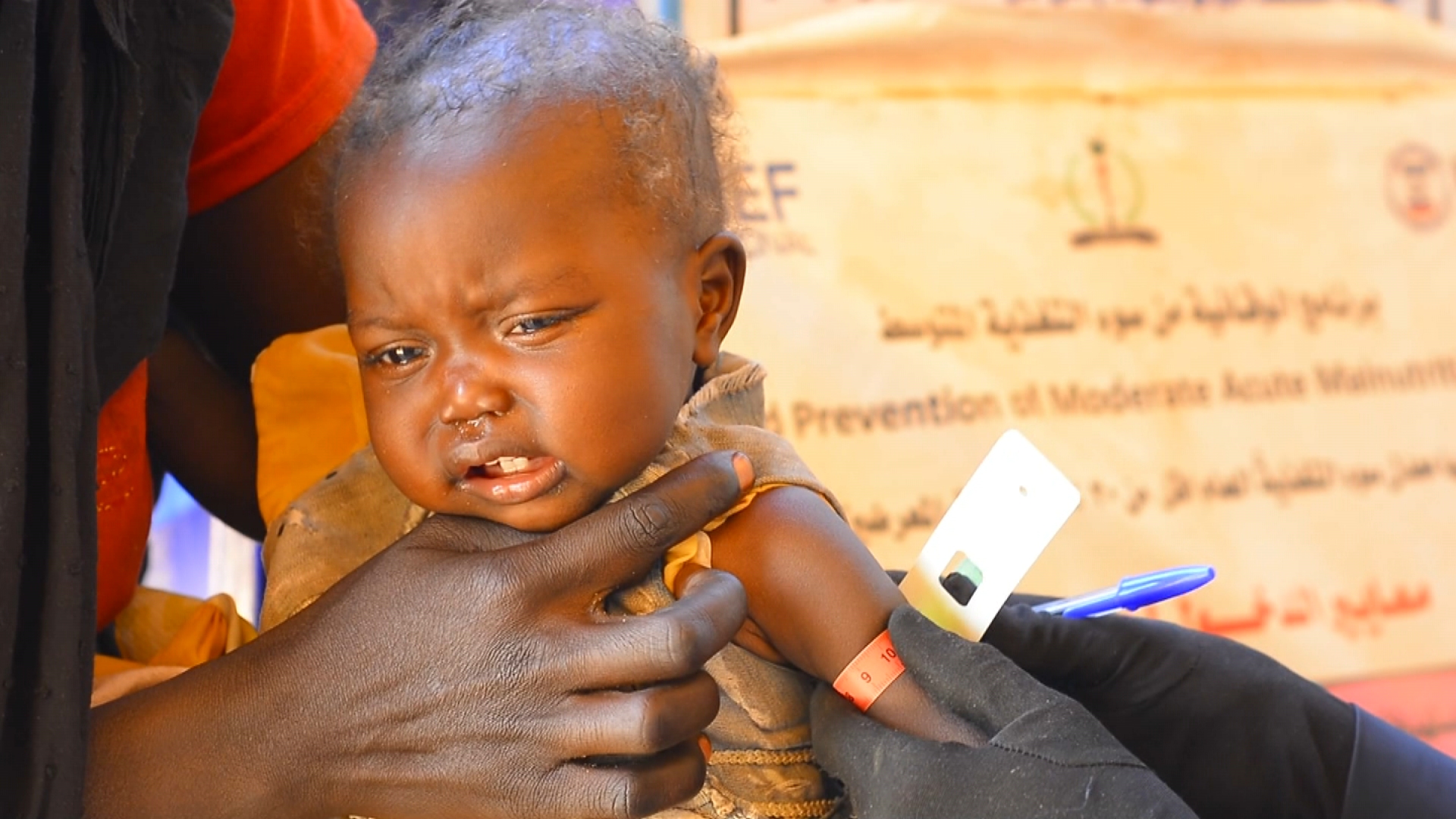
5. Various shots, children
03 NOVEMBER 2026, NEW YORK CITY
6. SOUNDBITE (English) Denise Brown, UN Resident Coordinator and the Humanitarian Coordinator in Sudan:
“There are also widespread fuel shortages. So, in Khartoum, there are queues kilometers long as people wait for fuel. And that's everybody. But in particular, what we see is the Tuk Tuk (Rickshaw) drivers, those who take people to work and to the market. These are people who earn their daily wage, are having to wait several days in a row to get that fuel, which means they're not earning their income. So, there is direct impact from this intensification of the drone strikes, which are widespread, and then the immediate consequences on the civilian population. And of course, we've also seen markets being hit, people in displaced sites being hit. So, it's widespread and I have to say, increasingly worrying for us and scary for the population.”
CREDIT WFP - 07 JULY 2026, GOZ AL-SALAM CAMP, KOSTI, WHITE NILE STATE, SUDAN
7. Various shots, food distribution
03 NOVEMBER 2026, NEW YORK CITY
8. SOUNDBITE (English) Denise Brown, UN Resident Coordinator and the Humanitarian Coordinator in Sudan:
“I was in a camp in Abu Shende in Blue Nile a couple of weeks ago, and people said to me, we need food. And I had to tell them, please be patient. How can I tell people to be patient and wait for food? How does that happen? They have no money. They've left everything behind. They need us and we need the donors. This is not about politics. This is about people and putting the people of Sudan front and center of what is going on and making sure that at least we're taking care of their basic needs.”
CREDIT WFP - 07 JULY 2026, GOZ AL-SALAM CAMP, KOSTI, WHITE NILE STATE, SUDAN
9. Wide shot, food distribution
“How can I tell people to be patient and wait for food? How does that happen?” the top UN aid official in Sudan asked, recalling displaced families who had pleaded for help during her recent visit to a camp in Blue Nile State.
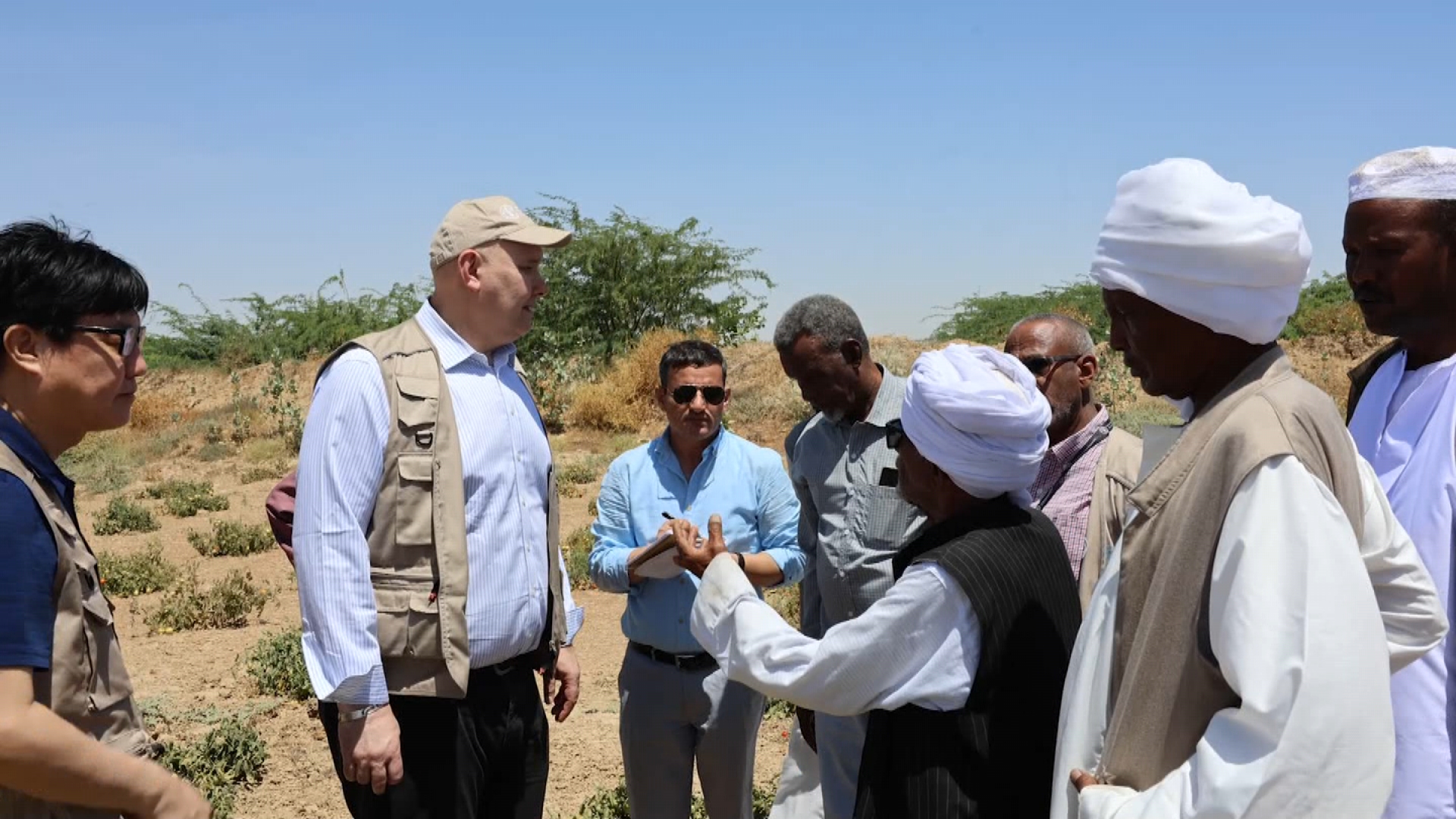
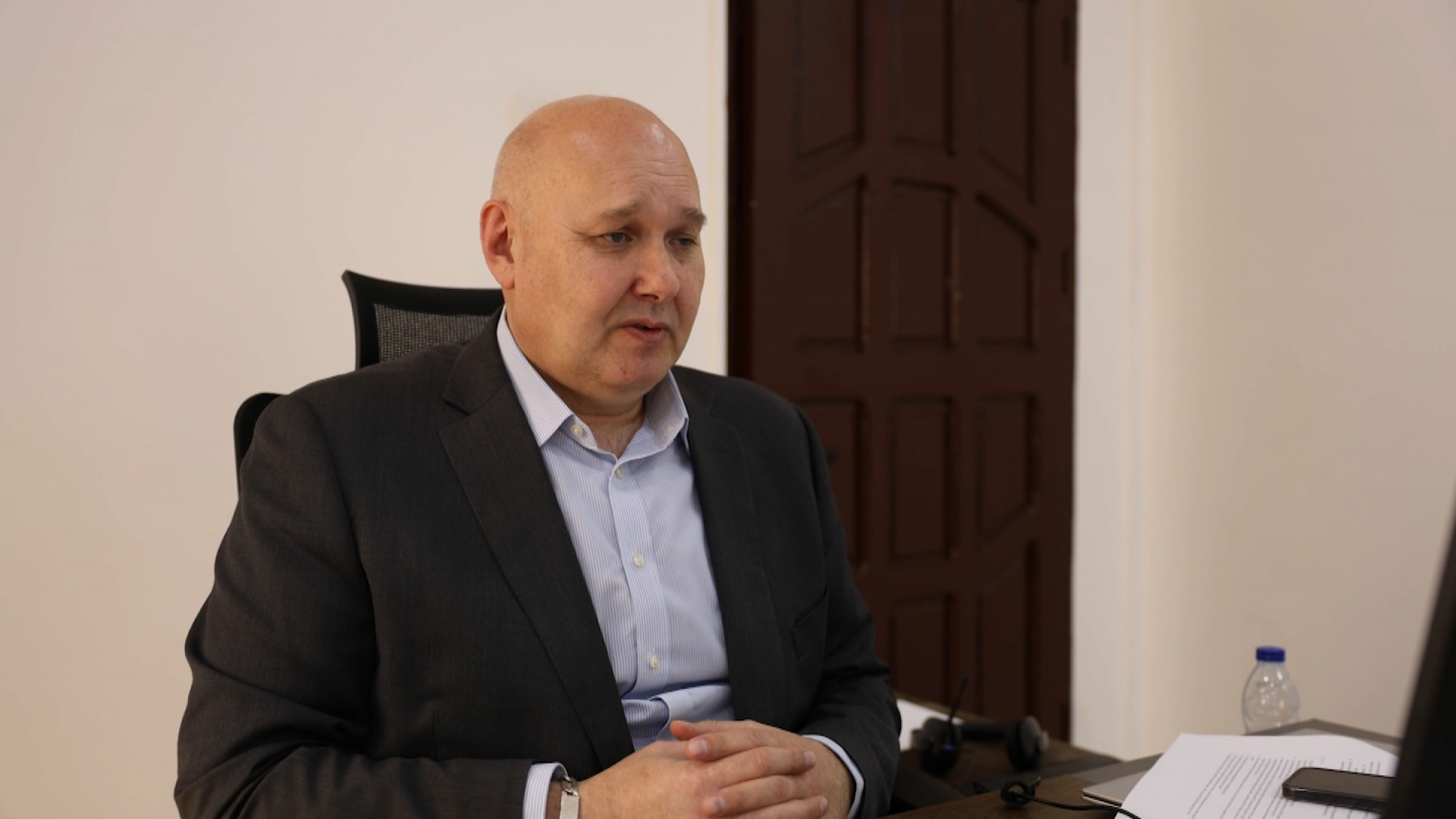
Speaking to UN News from Sudan today (3 Nov), Denise Brown, UN Resident Coordinator and Humanitarian Coordinator in Sudan, said of the people at Abu Shende camp, “They have no money. They've left everything behind. They need us and we need the donors. This is not about politics. This is about people.”
Brown warned of an intense pattern of drone strikes over the past couple of weeks, which according to her, appear to be targeting civilian infrastructure protected under international humanitarian law, including energy and fuel sources.
She said World Health Organization colleagues were in a hospital outside Khartoum when the power went out because of the strikes. With no generator or solar panel, “the 25 people on dialysis, which they need, that dialysis stopped, point blank,” she noted.
According to the coordinator, the strikes have also caused widespread water and fuel shortages, with queues stretching for kilometres in Khartoum. Daily-wage earners such as tuk-tuk drivers are waiting several days for fuel and losing their income. “We've also seen markets being hit, people in displaced sites being hit. So, it's widespread and I have to say, increasingly worrying for us and scary for the population,” Brown added.