Media Home
 UN Web TV
 UN Audiovisual Library
 UN Photo
UNICEF / CHILDREN ACCESS TO WATER
STORY: UNICEF / CHILDREN ACCESS TO WATER
TRT: 06:21
SOURCE: UNICEF
RESTRICTIONS: PLEASE CREDIT UNICEF ON SCREEN
LANGUAGES: NATS
DATELINE: SEE SHOT LIST
01 AUGUST 2025, KHARTOUM, SUDAN
1. Wide shot, destroyed and looted UNICEF warehouse in Khartoum. UNICEF’s warehouse in Khartoum was the backbone of operations in Sudan, storing vital water and sanitation supplies
2. Wide shot, destroyed and looted UNICEF warehouse in Khartoum
JUNE 2025, KHARTOUM, SUDAN
3. Wide shot, during a cholera outbreak, UNICEF staff inspect damaged water and sanitation facility
4. Wide shot, UNICEF staff inspect damaged water and sanitation facility
5. Wide shot, UNICEF staff inspect damaged water and sanitation facility
AUGUST 2025, TAWILA, NORTH DARFUR, SUDAN
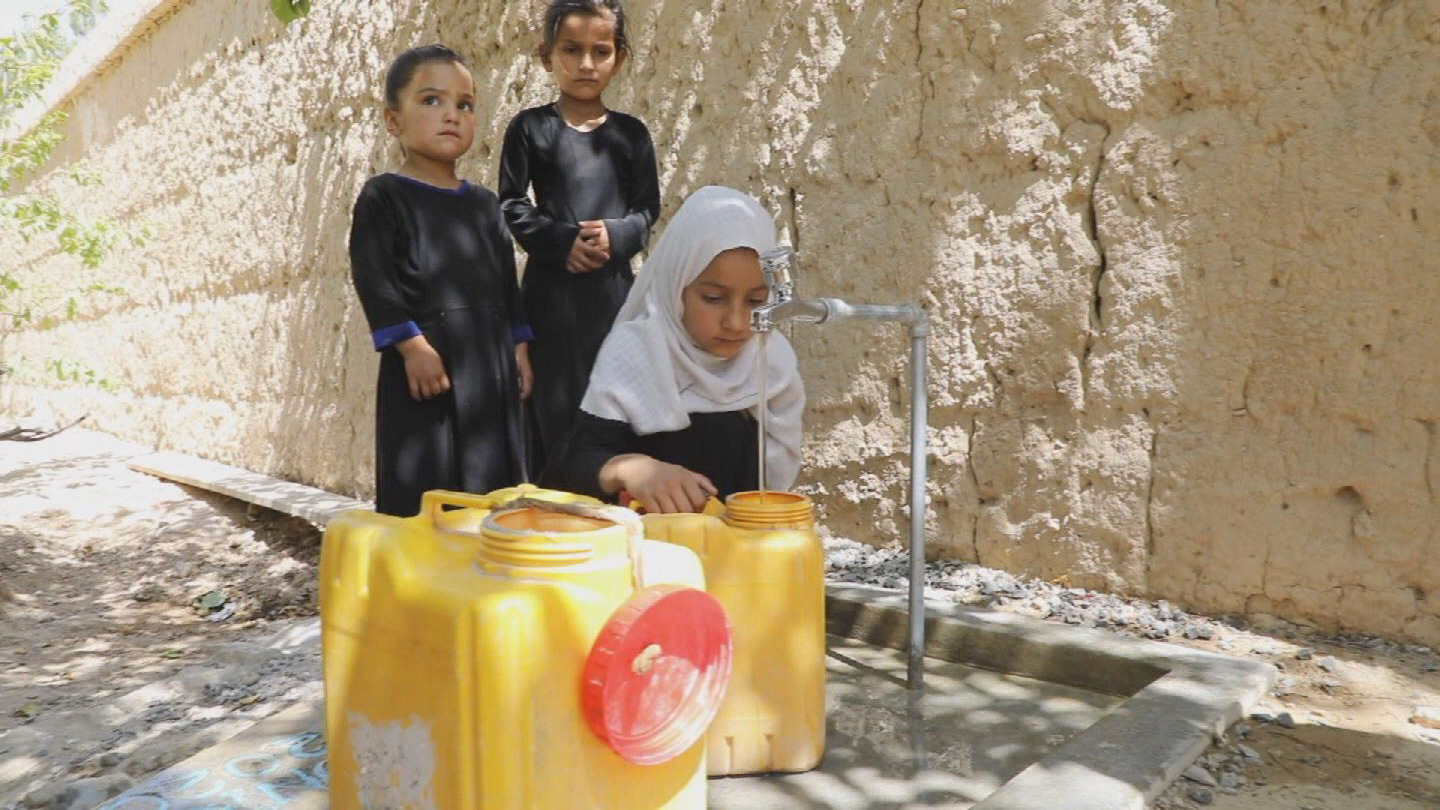
6. Med shot, children at water access point
7. Wide shot, families line up at water access point.
8. Med shot, families filling containers of water
AUGUST 2025, KHARTOUM, SUDAN
9. Wide shot, child loads up water cart
10. Wide shot, child driving water cart down the road
11. Wide shot, child at temporary water access point
12. Med shot, child filling water tank
13. Close up, child using water purification tablets
14. Med shot, children at home
12 MARCH 2023, DHAMAR GOVERNORATE, YEMEN
15. Med shot, Nabil pours water from a jerrycan for his son Mohammed at their apartment.
Against a backdrop of conflict and climate change, Yemen remains one of the most water scarce countries on earth. Relying on unsafe water sources caused Mohammed to contract cholera. The family now has clean water supplied through the UNICEF supported solar water project in Dhamar.
16. Close up, Nabil pours water from a jerrycan for his son Mohammed at their apartment
17. Close up, Nabil pours water from a jerrycan for his son Mohammed at their apartment
15 AUGUST 2024, TAIZ, YEMEN
18. Med shot, child filling containers at water access point
19.Med shot, children washing clothing at water access point
20. Close up, children washing clothing at water access point
21. Med shot, child filling containers at water access point
22. Med shot, child filling containers at water access point
AUGUST 2026, ADEN IDP CAMP, YEMEN
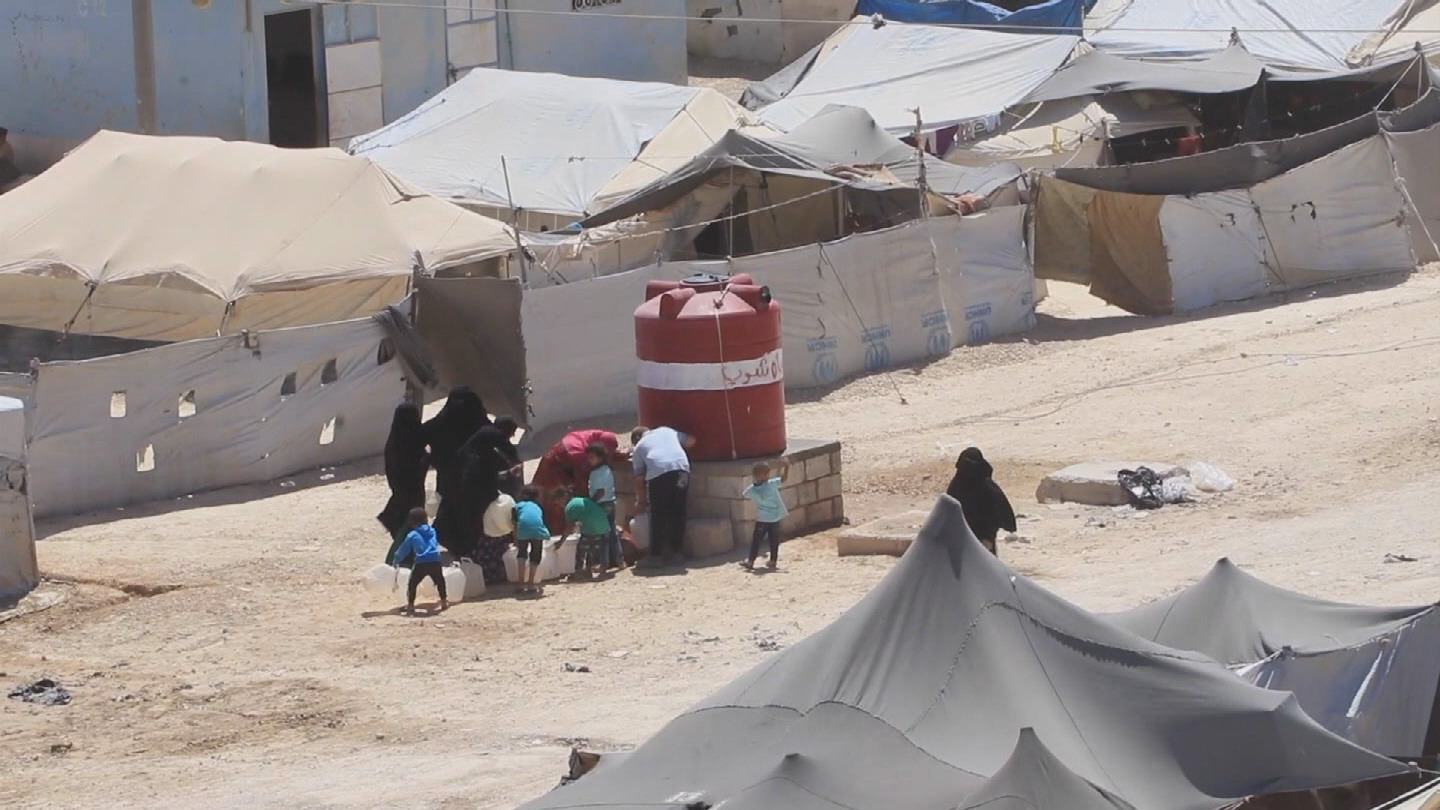
23. Wide shot, family filling water containers at water access point in IDP camp
19 SEPTEMBER 2026, MARIB GOVERNORATE, YEMEN
24. Wide shot, sustainable water network project in Marib City, which aims to improve access to reliable water services by strengthening and expanding the local water distribution network
25. Wide shot, a concrete hoist transports concrete
26. Wide shot, workers mix the concrete
27. Wide shot, a worker collects rock
28. Wide shot, a worker collects sand
29. Wide shot, concrete is being mixed in the machine
30. Wide shot, a worker pours sand and stones into the concrete mixer
MARCH 2025, KHERSON, SOUTHERN UKRAINE
31. Med shot, worker inspecting water pipe
32. Med shot, worker repairing water pipe
MARCH 2025, KRAMATORSK, DONETSK REGION, UKRAINE
33. Wide shot, Worker in damaged water facility. In February 2024, the Kramatorsk Water Utility was damaged during a missile attack, killing and injuring workers on site
34. Close up, worker in damaged water facility
AUGUST 2025, DRUZHKIVKA, DONETSK REGION, UKRAINE
35. Wide shot, workers at damaged water main
In the frontline town of Druzhkivka, eastern Ukraine, around 30,000 residents, including 2,000 children, continue to rely on emergency water crews who work under shelling and dangerous conditions.
36. Close up, damaged water main
37. Close up, worker welds damaged water main
38. Close up, worker welds damaged water main
39. Close up, child pours water from container
40. Med shot, mother demonstrates empty tap at home
41. Close up, empty tap at home
42. Close up, children fill water containers at water access point
43. Med shot, children fill water containers at water access point
44. Med shot, child fills water container at water access point
12 OCTOBER 2025, GAZA CITY, STATE OF PALESTINE
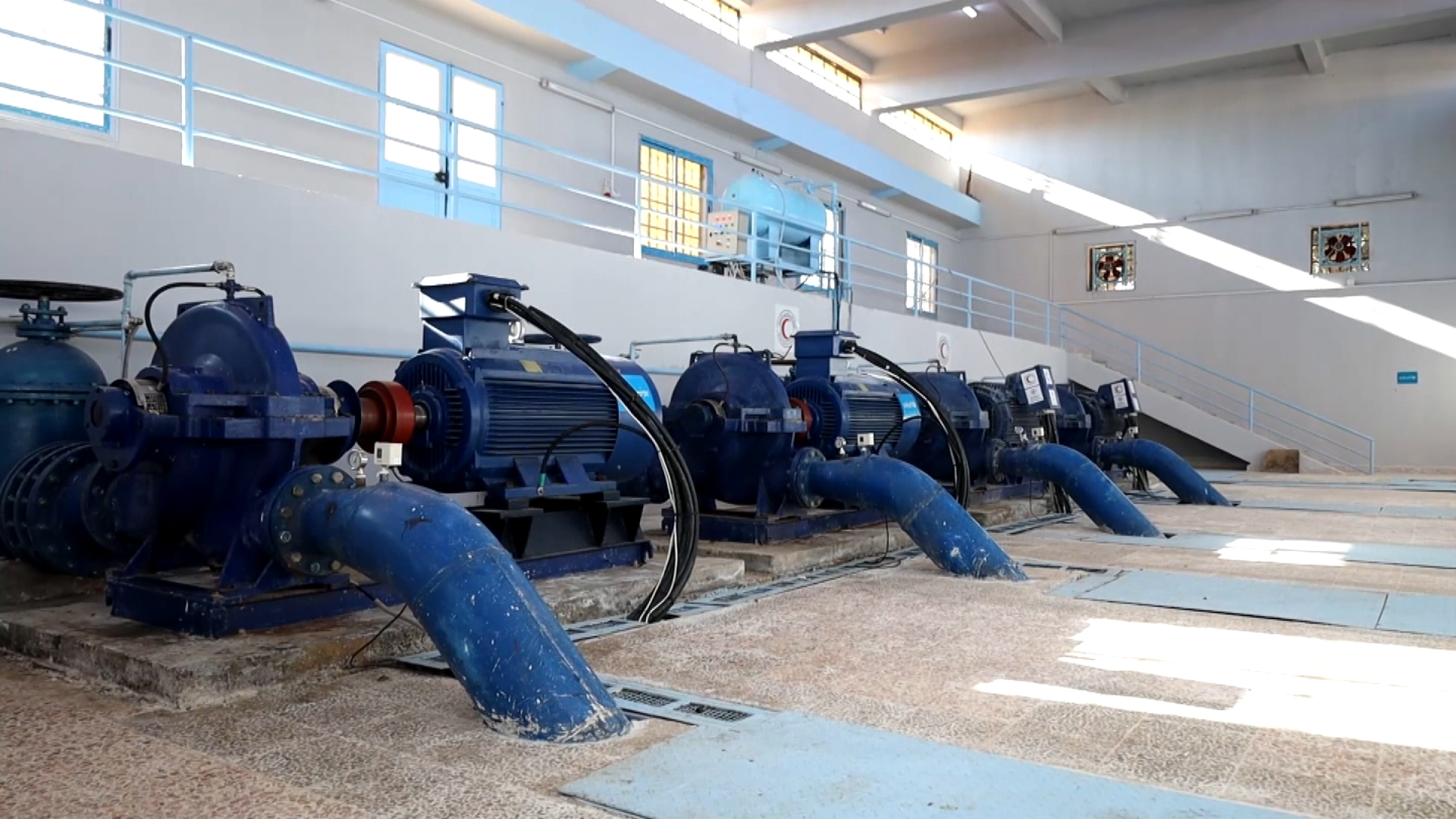
45. Various shots, A UNICEF water and sanitation officer inspects a UNICEF-support Palestinian Water Authority desalination plant in Gaza City
46. Wide shot, water truck filled at desalination plant in Gaza City
47. Various shots, water distribution in Gaza City
20 OCTOBER 2025, SHEIKH RADWAN, GAZA STRIP, STATE OF PALESTINE
48. Wide shot, UNICEF and SRP staff with the pond seen at the background
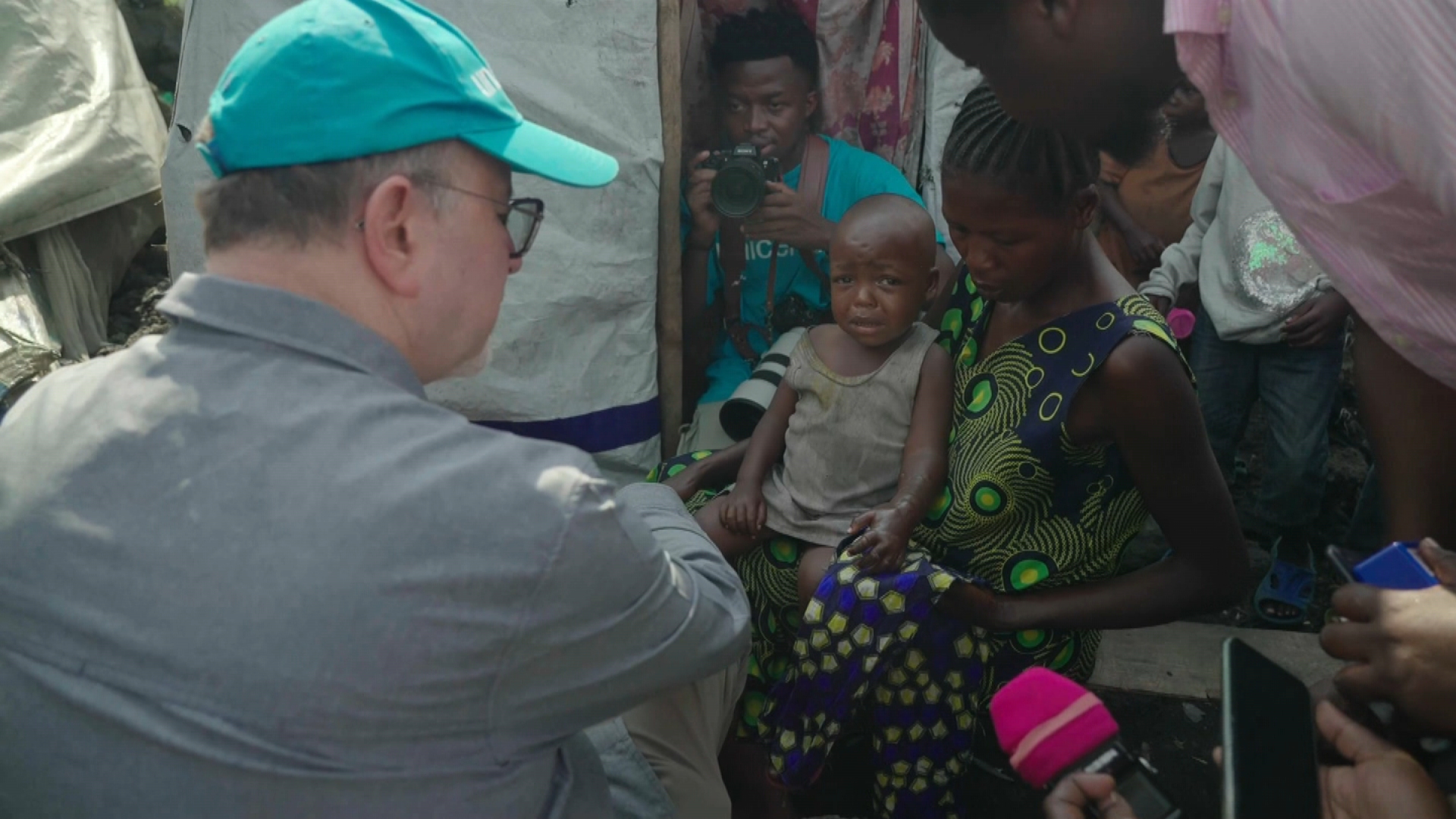
Edouard Beigbeder, UNICEF Regional Director for MENA, visited the Sheikh Radwan Pond (sewage). The Sheik Radwan Pond was damaged in the recent offensive in Gaza City and requires repairs to drain the pond’s water – which is rising with stormwater and sewage – before the imminent rains risk flooding the neighbouring community.
49. Various shots, interior shots of the facility. Damage is visible on the walls, ceilings, equipment
OCTOBER 2026, GAZA, STATE OF PALESTINE
50. Wide shot, water truck leaving facility
In the first six months of 2026, UNICEF and its partners continued to deliver life-saving assistance across the Gaza Strip despite significant operational constraints. More than 1.15 million people accessed safe drinking water through emergency water trucking.
51. Med shot, truck with damage to windshield travels to community
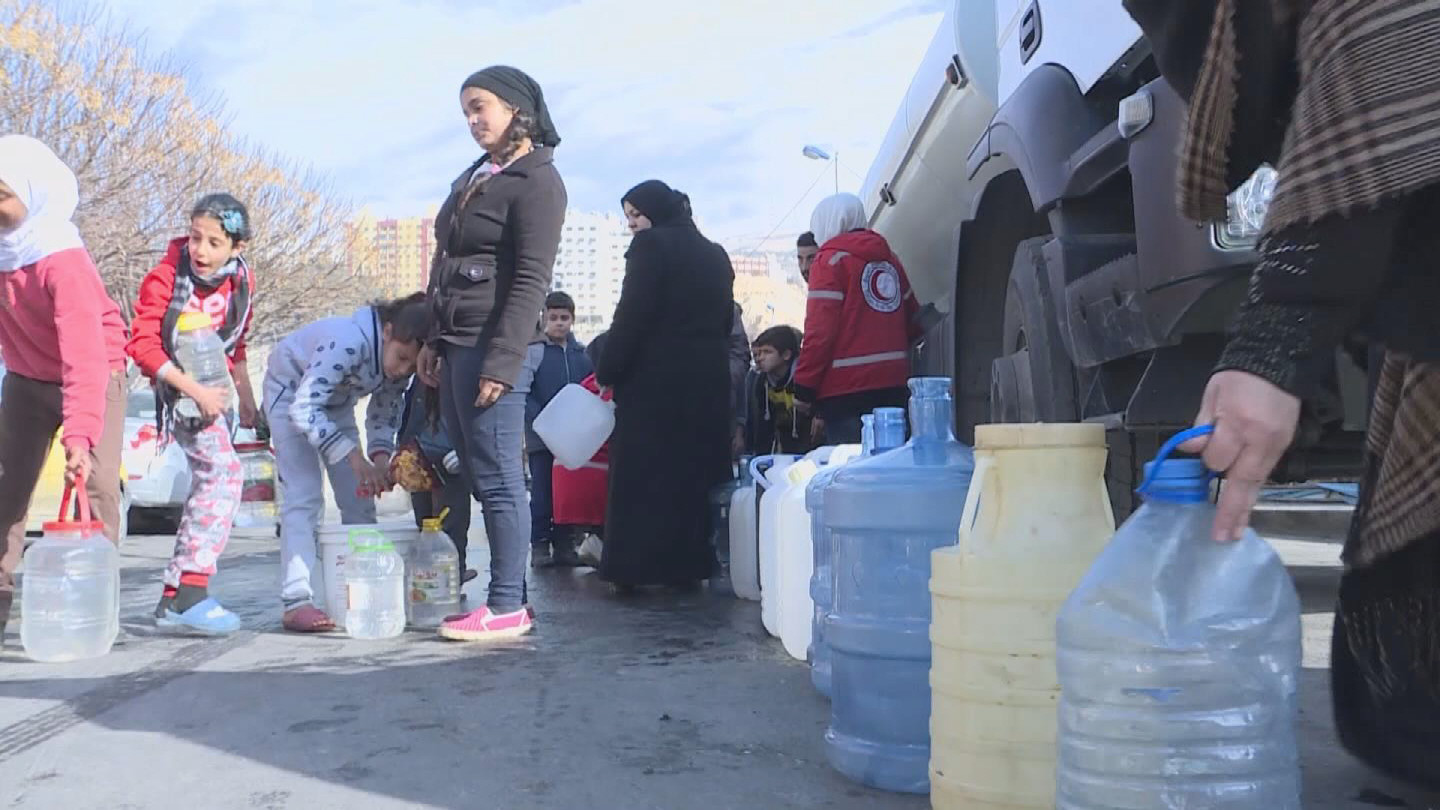
52. Wide shot, community with water containers
53. Wide shot, child waiting with water containers
54. Wide shot, children waiting with water containers
55. Wide shot, child in neighborhood
Reported attacks that damaged or destroyed water and sanitation systems in conflict rose threefold between 2021 and 2025, heightening children’s risk to disease outbreaks, malnutrition and violence, according to a new UNICEF report released today.
Water Under Fire Volume 4 documents attacks harming water, sanitation and hygiene (WASH) systems, workers and users in 23 countries and territories between January 2021 and June 2026. It finds growing patterns of attacks, with more frequent and varied attacks affecting wider geographic areas globally.
“Attacks on water and sanitation systems deprive children of safe drinking water and the essential services that rely on water to function effectively,” said UNICEF Executive Director Catherine Russell. “Humanitarian workers do their best to keep water flowing despite increasing attacks. However, repairs cannot substitute for the protection of these facilities that is required under international humanitarian law.”
The report describes seven types of attacks. They range from strikes on treatment plants, pipelines and wells to the contamination of water sources, restrictions on spare parts and treatment chemicals. In Sudan, by March 2024 only one of Khartoum State's 13 water treatment plants was still functioning. In Burkina Faso, more than 145 water points had been destroyed in attacks between 2020 and 2025, cutting off access for around 830,000 people, more than half of whom were children. In Gaza, since October 2023, more than 130,000 metres of sewage pipeline had been damaged, and untreated sewage was being discharged into the Mediterranean Sea or to temporary holding areas.
The report shows how water can be cut off even where pipes and pumps are intact. In Ukraine, by December 2022, attacks harming energy infrastructure had left almost 7 million children without sustained access to electricity, heating and water. In Iraq, a drone attack on a gas field in November 2025 cut electricity production across the Kurdistan Region by about 80 per cent, and authorities had to ration power between water projects, hospitals and cities.
The effects reverberate beyond access to drinking water. Without clean water, health facilities cannot sterilise equipment, deliver babies safely, or prepare the therapeutic milk used to treat severely malnourished children. Repeated diarrhea from unsafe water stops children absorbing the nutrients they need and weakens their ability to fight the infections that multiply when water is unsafe or inaccessible.
In camps in eastern Chad hosting refugees from Sudan, WHO linked a hepatitis E outbreak to poor access to safe water and sanitation. Half of the 2,092 suspected cases recorded between January and April 2024 were children aged 6 to 17.
The report also documents how children have been killed, injured or harmed while queuing for water, with multiple examples documented in Gaza. Where families must collect water outside the home, women and girls do this in seven out of ten households. Longer, more dangerous journeys raise their risk of sexual violence and take time away from school.
The people who keep water running are also at risk, with the UN recording 14 staff of Lebanon's Water Establishments killed during the conflict in 2024.
The report lays out how humanitarian teams are adapting. In Afghanistan, around 65 per cent of UNICEF-supported water systems now run on solar power, which reduces dependence on fuel and the national grid. In other contexts, teams are training local mechanics, stocking spare parts before damage occurs and building smaller local systems so that one strike does not cut supply to everyone.
However, this work is at risk due to severe funding cuts. In countries with a coordinated humanitarian WASH response, 137.9 million people need WASH assistance, and only 26 per cent of the funding required for 2026 has been received.
UNICEF is calling on parties to conflict, Member States, donors and humanitarian and development actors to:
• Treat WASH systems in conflict as indispensable to civilian survival, particularly for children, and their protection as essential to the realization of their fundamental rights.
• Create a mechanism to systematically collect data on attacks affecting WASH in conflict.
• Protect children and communities seeking WASH services and WASH and energy workers.
• Enable safe, timely and unimpeded access for humanitarian, WASH and energy workers to people in need and to the essential supplies required to keep water and energy systems functioning.
• Invest in conflict-resilient WASH approaches and locally led service continuity arrangements.