Media Home
 UN Web TV
 UN Audiovisual Library
 UN Photo
GAZA / FOOD ASSISTANCE FUNDING CUTS
STORY: GAZA / FOOD ASSISTANCE FUNDING CUTS
TRT: 05:13
SOURCE: UNIFEED
RESTRICTIONS: NONE
LANGUAGES: ARABIC / ENGLISH / NATS
DATELINE: 04 NOVEMBER 2026, GAZA STRIP, PALESTINE
1. Various shots, outside one of the World Food Programme's food assistance distribution centres
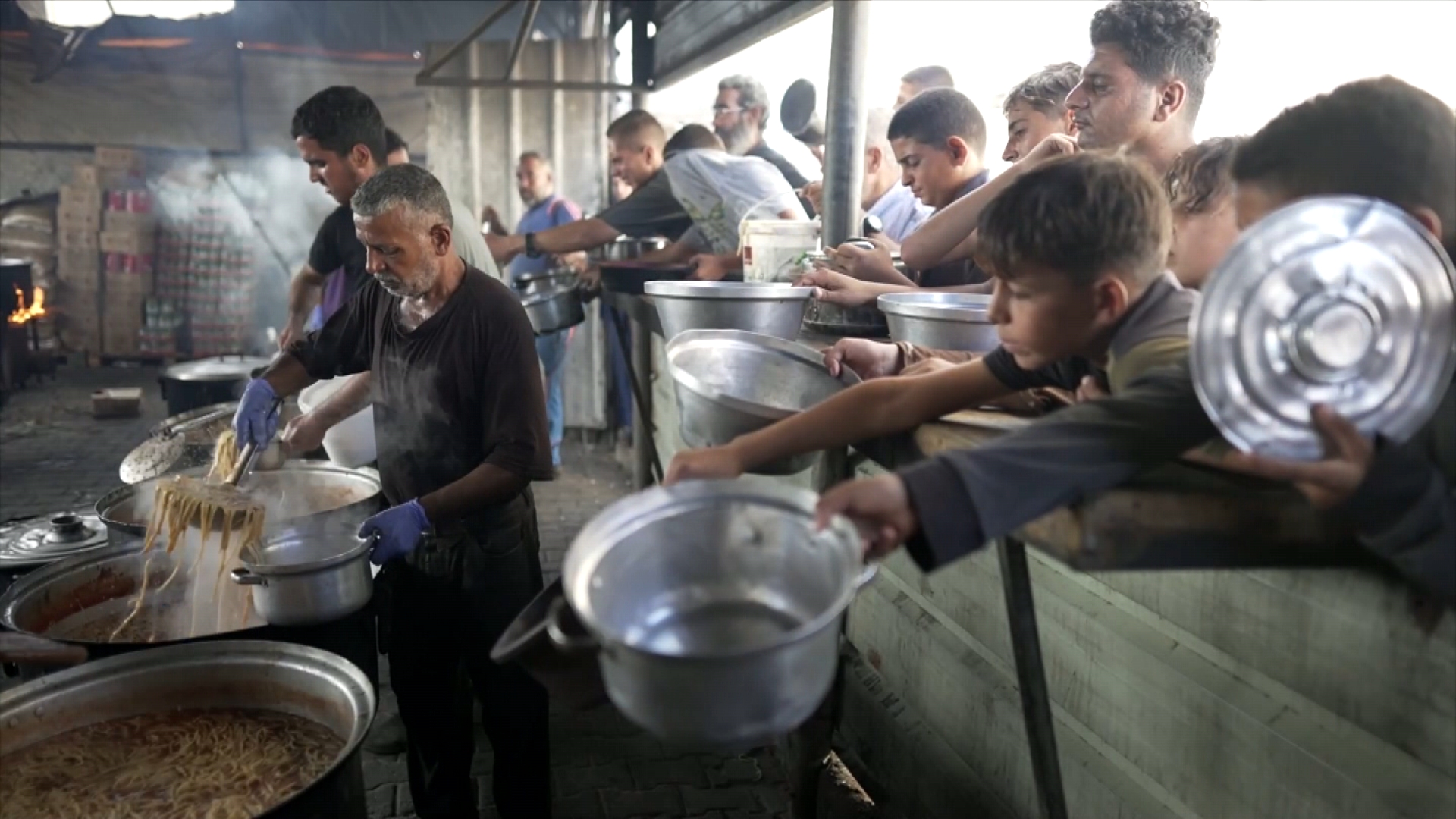
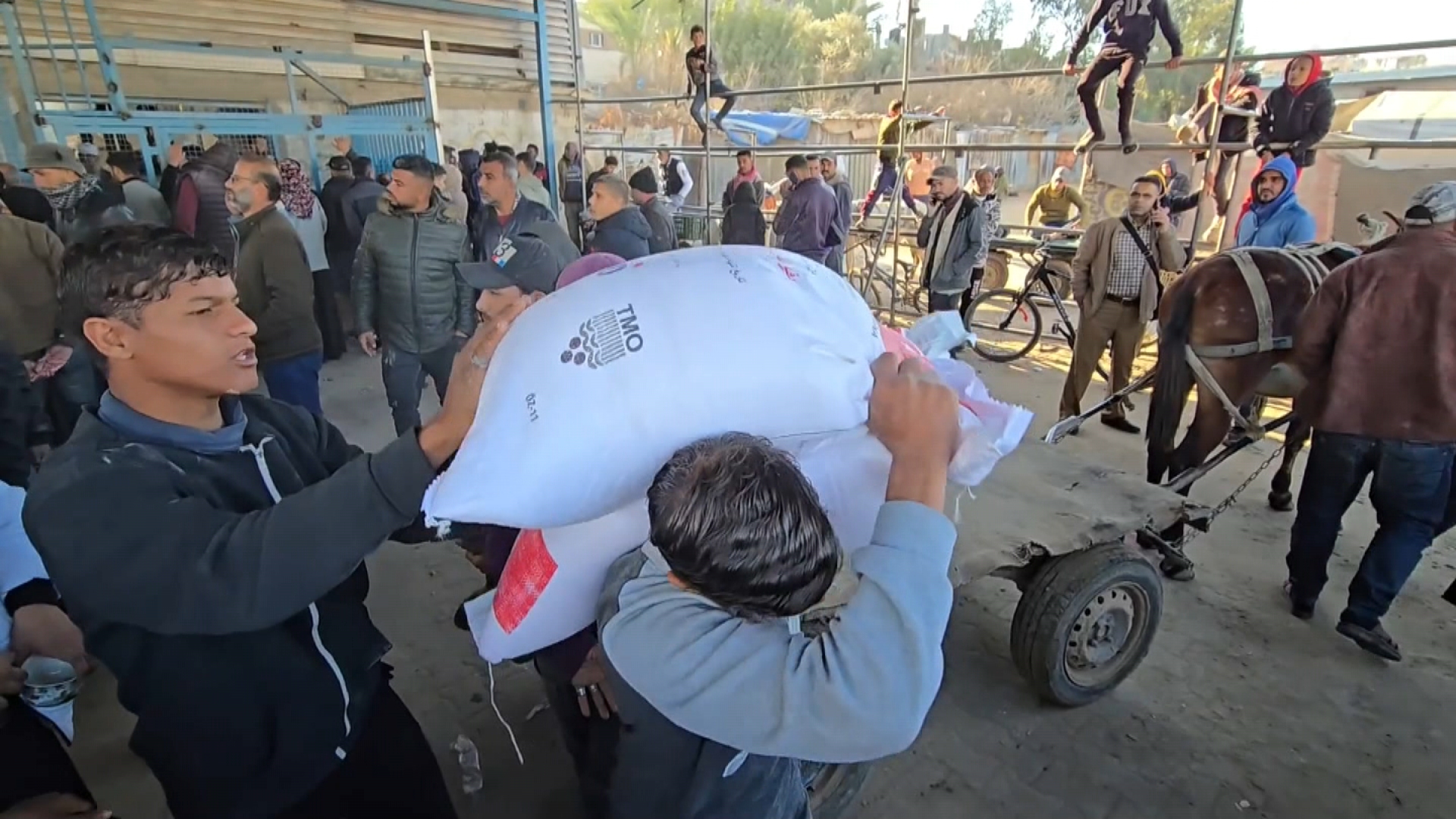
2. Various shots, Palestinian residents receiving food rations from one of the World Food Programme's assistance distribution centres
3. Various shots, workers inside one of the World Food Programme's food assistance distribution centres
4. Various shots, Palestinian residents inside one of the World Food Programme's food assistance distribution centres while registering their information to receive assistance
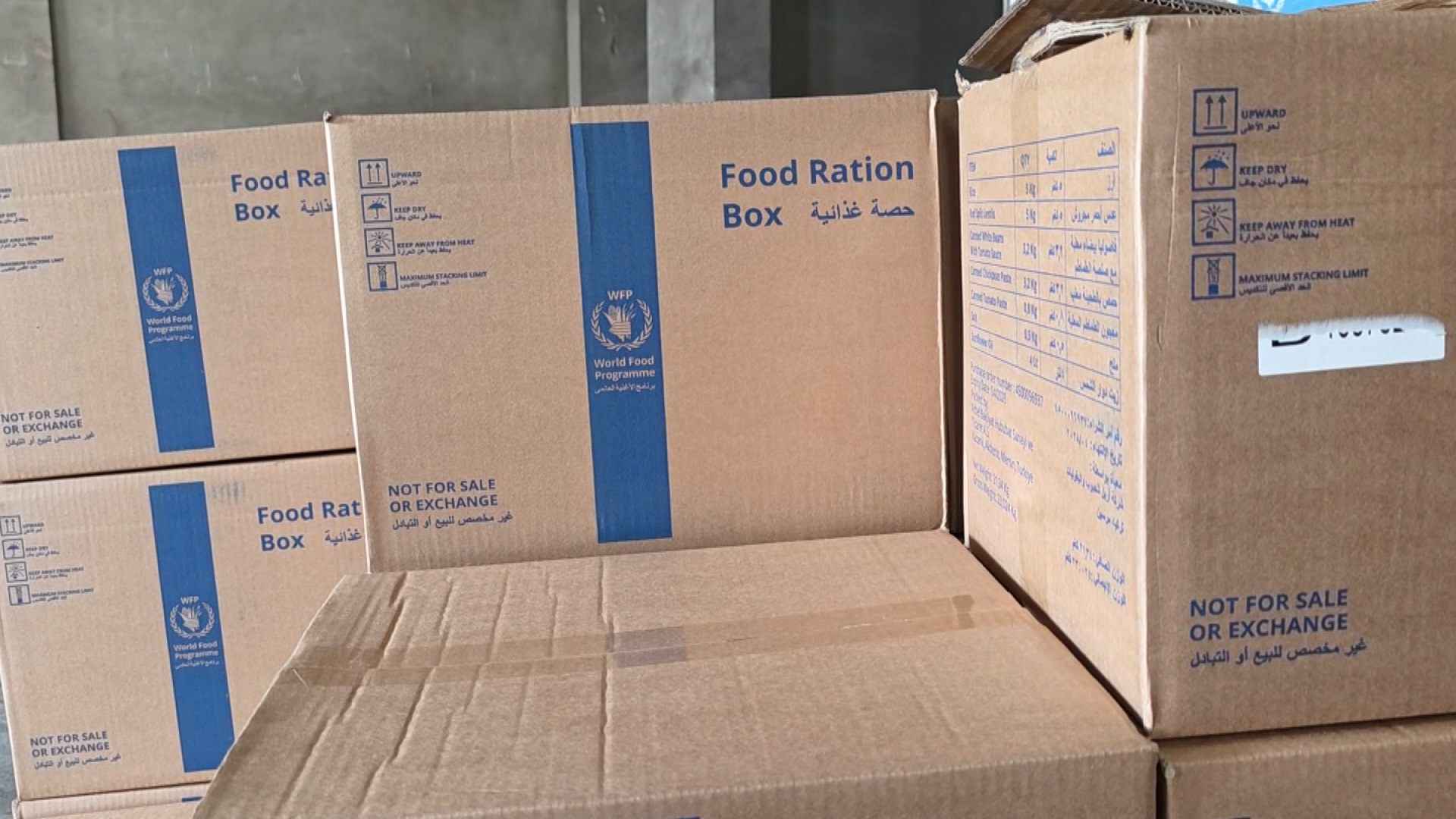
5. Various shots, inside one of the World Food Programme's warehouses, showing boxes of food assistance bearing the United Nations logo
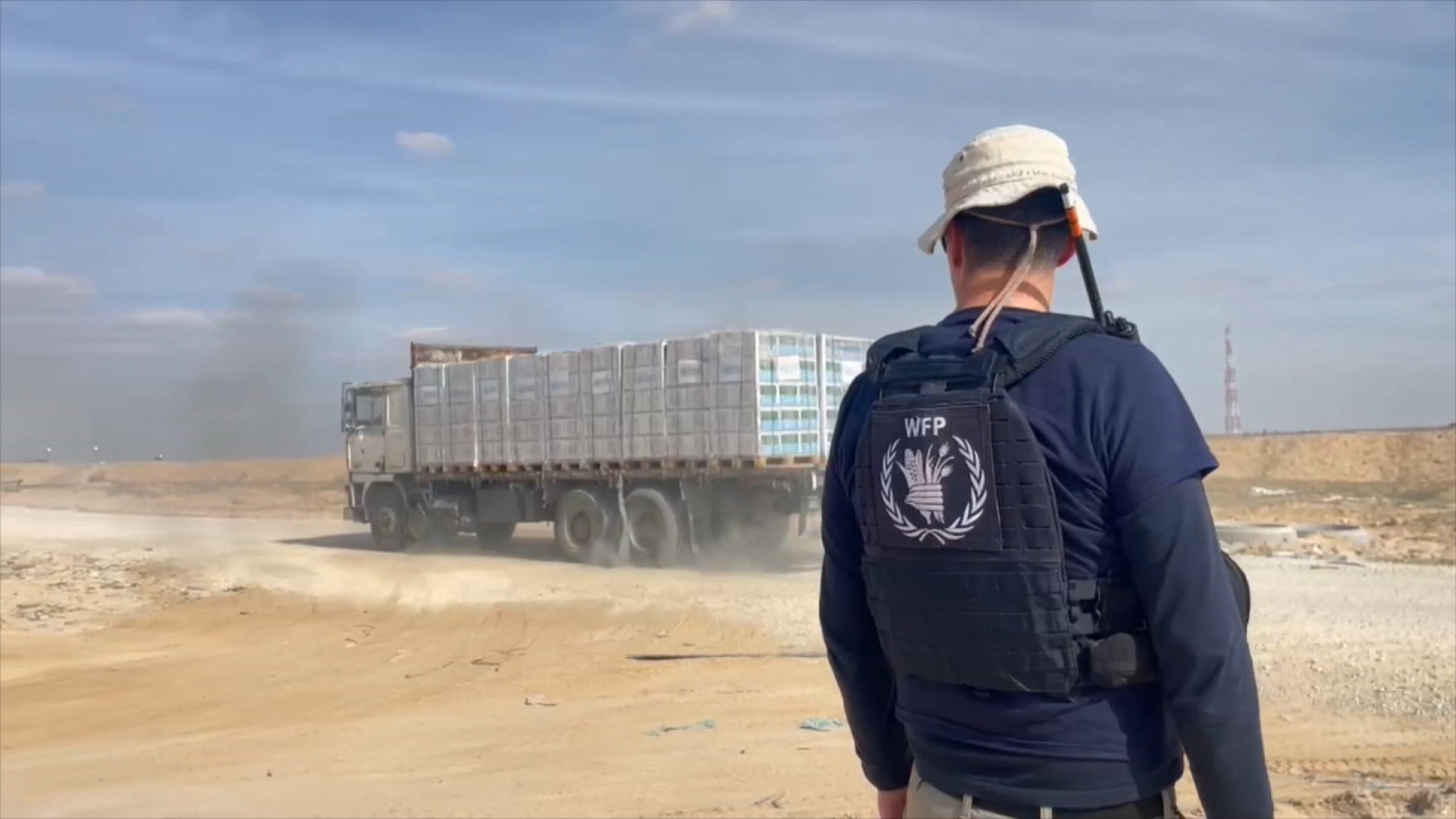
6. Various shots, Willy Nyeko, the World Food Programme's Emergency Coordinator in Gaza, inspecting one of the programme's food assistance warehouses
7. Various shots, Nyeko speaking with a young Palestinian man after he received food assistance from the programme
8. SOUNDBITE (English) Willy Nyeko, Emergency Coordinator in Gaza, World Food Programme (WFP):
"You see, people are coming here to get assistance. As I like to reiterate, the fact that Gaza is 90 percent dependent on humanitarian assistance and out of that - 1.9 million people which is the 90 percent - you have 1.4 million people who are acutely food insecure. Now everyone with 80 percent of unemployment, with no livelihood opportunities, dependency on food aid is extremely, extremely important. Now, recently we've seen a significant reduction in the funding available to WFP and also other humanitarian partners to be able to mount a response in Gaza. The implication of this is not theoretical, it's not academic. All the people that you see here who are dependent on humanitarian assistance because the context has not allowed them to rebuild their livelihood are going to start losing out on the very important and critical basic assistance on which they rely. WFP is now being forced to reduce the number of people that assist every month from 1.6 million people in Gaza to 1.1 million people. That's 500,000 people who are not going to be receiving assistance each month."
9. Various shots, World Food Programme's partner organizations staff receiving residents including Abu Hazem Abu Jahl and updating their information to obtain food assistance
10. SOUNDBITE (Arabic) Abu Hazem Abu Jahl, WFP Food Assistance Recipient:
"Today, everyone is suffering, and everyone is living under conditions of displacement. People here are waiting for this food coupon and are demanding that it be improved. The quantities must be increased, not reduced. Also, the time between food coupon distributions has become longer than before. For example, from August until today, we have not received the food coupon. Therefore, we call on the World Food Programme to distribute assistance as it did previously, when the quantities were good and everyone benefited from them."
11. Various shots, Palestinian residents receiving food rations from one of the World Food Programme's assistance distribution centres
The United Nations World Food Programme (WFP) has warned that a sharp decline in humanitarian funding is forcing it to reduce its food assistance in the Gaza Strip, including cutting the number of monthly beneficiaries by approximately half a million people, reducing the size of food rations, and extending the intervals between assistance distributions to families.
Willy Nyeko, the World Food Programme's Emergency Coordinator in Gaza, said that the programme had been forced to reduce the number of people receiving its food assistance each month from 1.6 million to 1.1 million due to a decline in the funding available to implement the humanitarian response.
Nyeko explained, during a tour of one of the programme's warehouses in Gaza City, that the shortage of resources had forced the programme to reduce the size of food rations provided to families, alongside the adoption of a rotational system for distributing assistance, whereby some families that previously received a food ration every month now receive one only once every two to three months.
He pointed out that these measures mean that beneficiary families are now receiving quantities of food below the minimum required to meet their dietary needs, describing the situation as unsustainable.
According to the figures provided by the UN official, approximately 90 percent of the Gaza Strip's population, equivalent to nearly 1.9 million people, depend on humanitarian assistance, while 1.4 million people suffer from acute food insecurity.
He added that the rise in the unemployment rate to approximately 80 percent, amid limited job opportunities and sources of income, is increasing the population's dependence on food assistance to meet their basic needs.
Nyeko warned that the continued shortage of funding, alongside difficult living conditions and winter-related risks, including cold weather, flooding, diseases, and shelter problems, could lead to a further deterioration in food security.
He expressed the programme's concern that conditions could rapidly deteriorate to levels similar to the famine-like conditions experienced in the Strip in the year preceding the period covered by his statement.
He called for the necessary funding to be provided to ensure the continuation of food assistance to the most vulnerable families, alongside creating conditions that would allow residents to restore their sources of income and reduce their dependence on humanitarian assistance.
At one of the food assistance distribution centres in Gaza City, residents continue to register and update their information to receive food rations, while some beneficiaries complain about reduced quantities and long waiting periods between distributions.
Abu Hazem Abu Jahl, one of the beneficiaries of World Food Programme assistance, said that displaced families are facing increasing difficulties in securing food and that the rations they previously received have become less regular than before.
He added that he had not received his food ration since August and up to the time of the interview, calling for an increase in the quantities of assistance and the restoration of regular distributions, allowing assistance to reach the largest possible number of families in need.
These warnings come at a time when the World Food Programme emphasizes that sustaining the food assistance response in Gaza requires additional resources, alongside improving the conditions that would enable residents to rebuild their livelihoods and reduce their dependence on assistance.