Media Home
 UN Web TV
 UN Audiovisual Library
 UN Photo
UN / PEACEKEEPING LACROIX PRESSER
STORY: UN / PEACEKEEPING LACROIX PRESSER
TRT: 03:35
SOURCE: UNIFEED
RESTRICTIONS: NONE
LANGUAGE: ENGLISH / NATS
DATELINE: 04 NOVEMBER 2026, NEW YORK CITY / FILE
FILE – NEW YORK CITY
1. Wide shot, United Nations Headquarters
04 NOVEMBER 2026, NEW YORK CITY
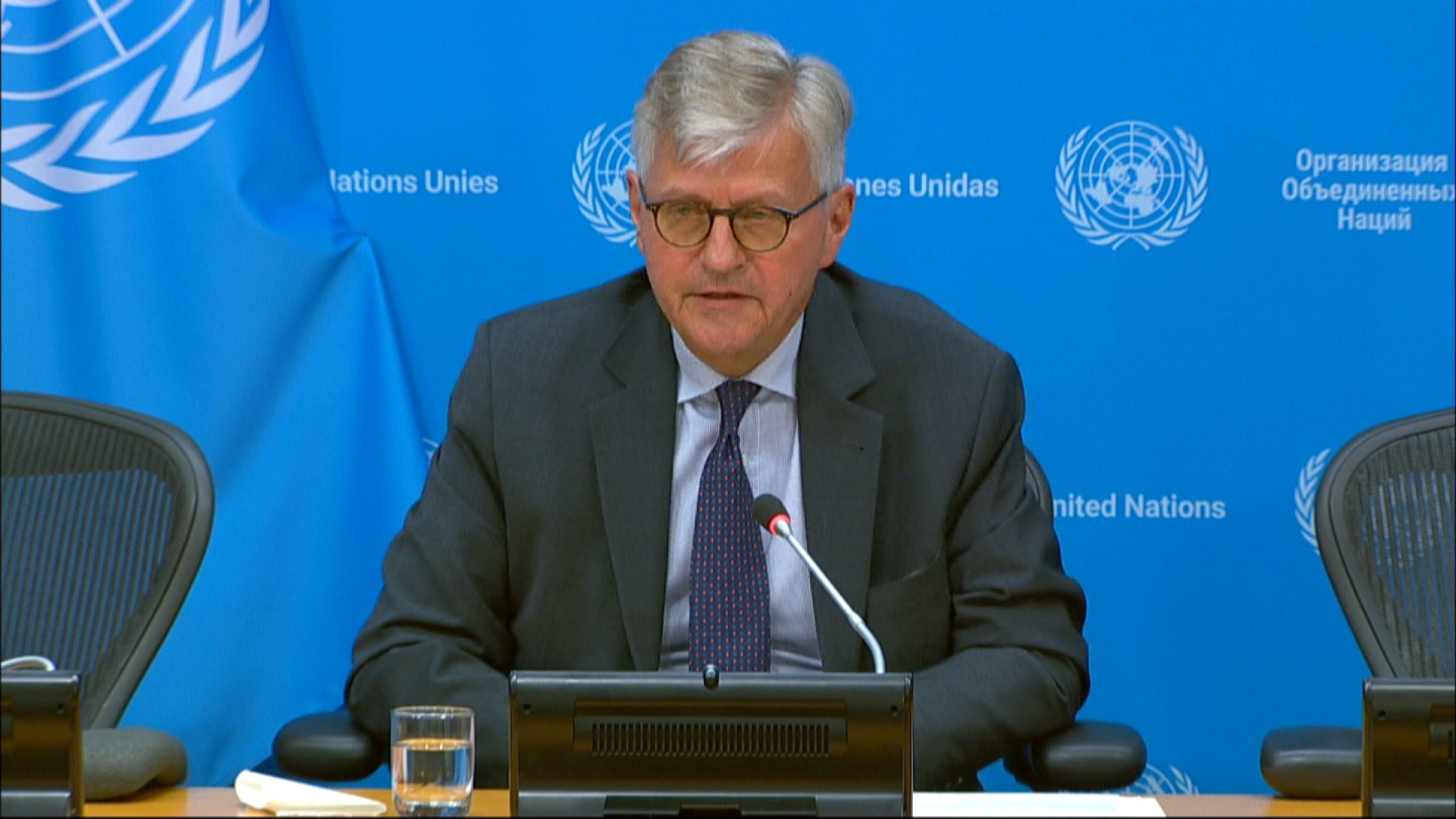
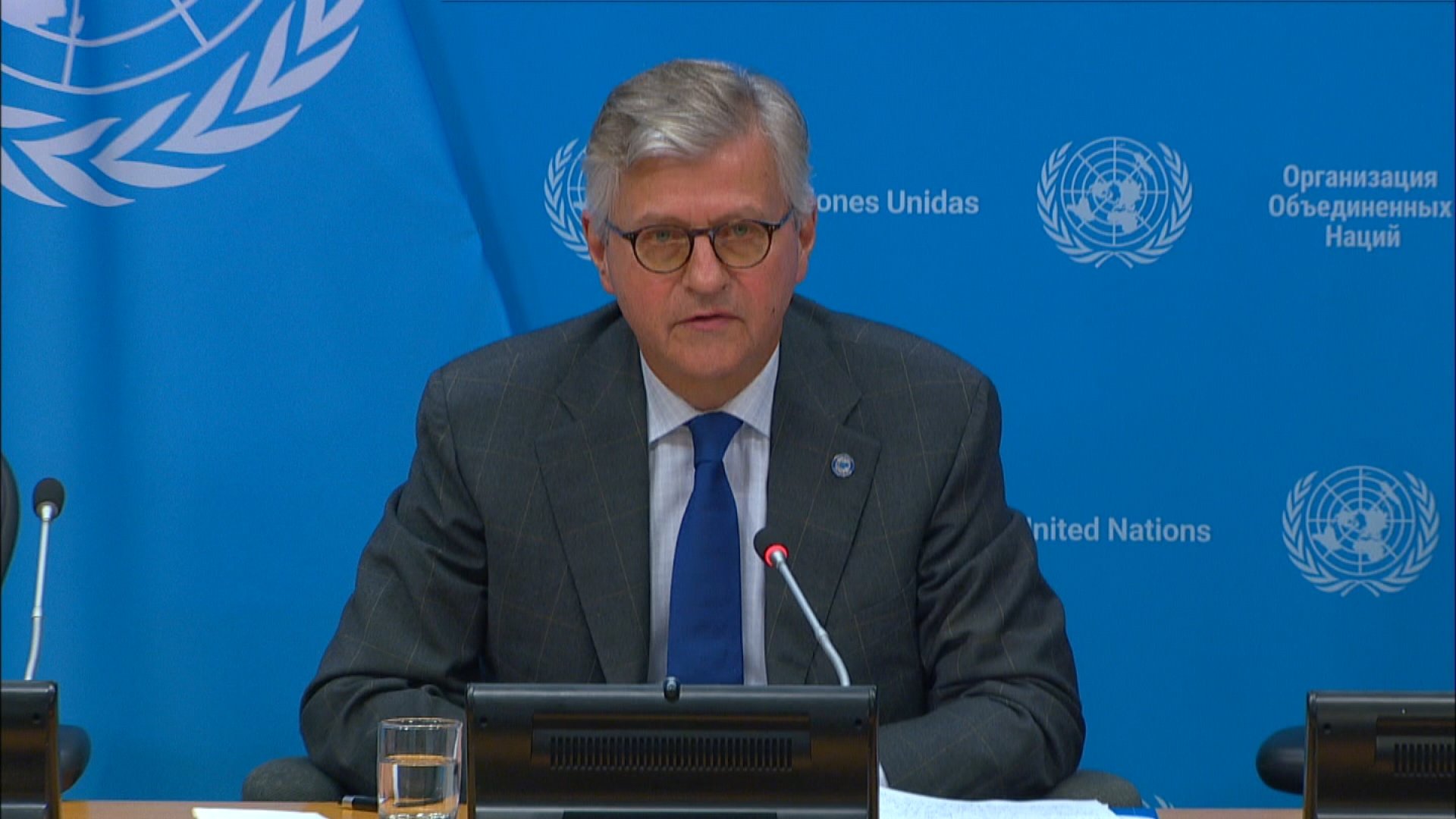
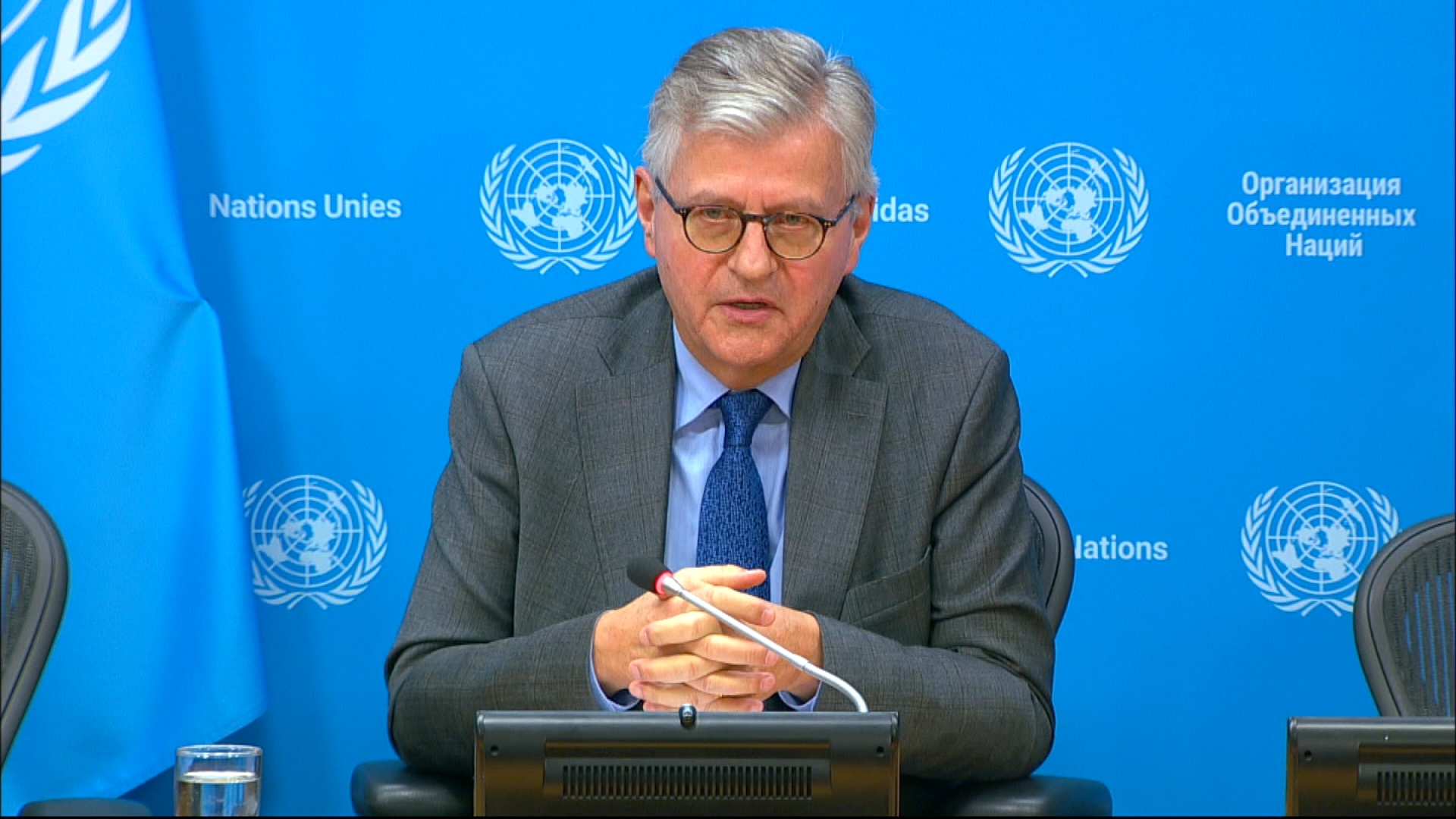
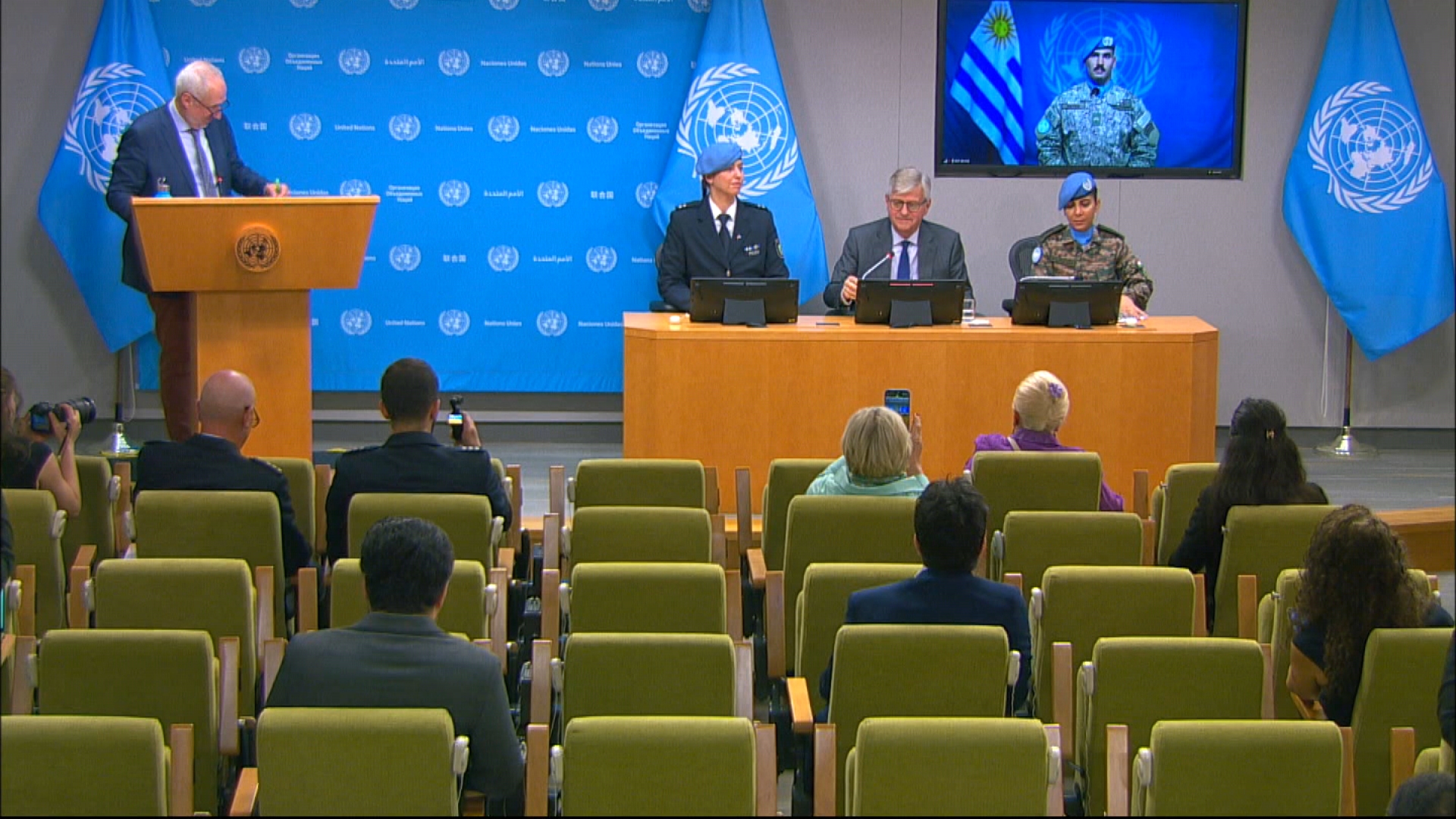
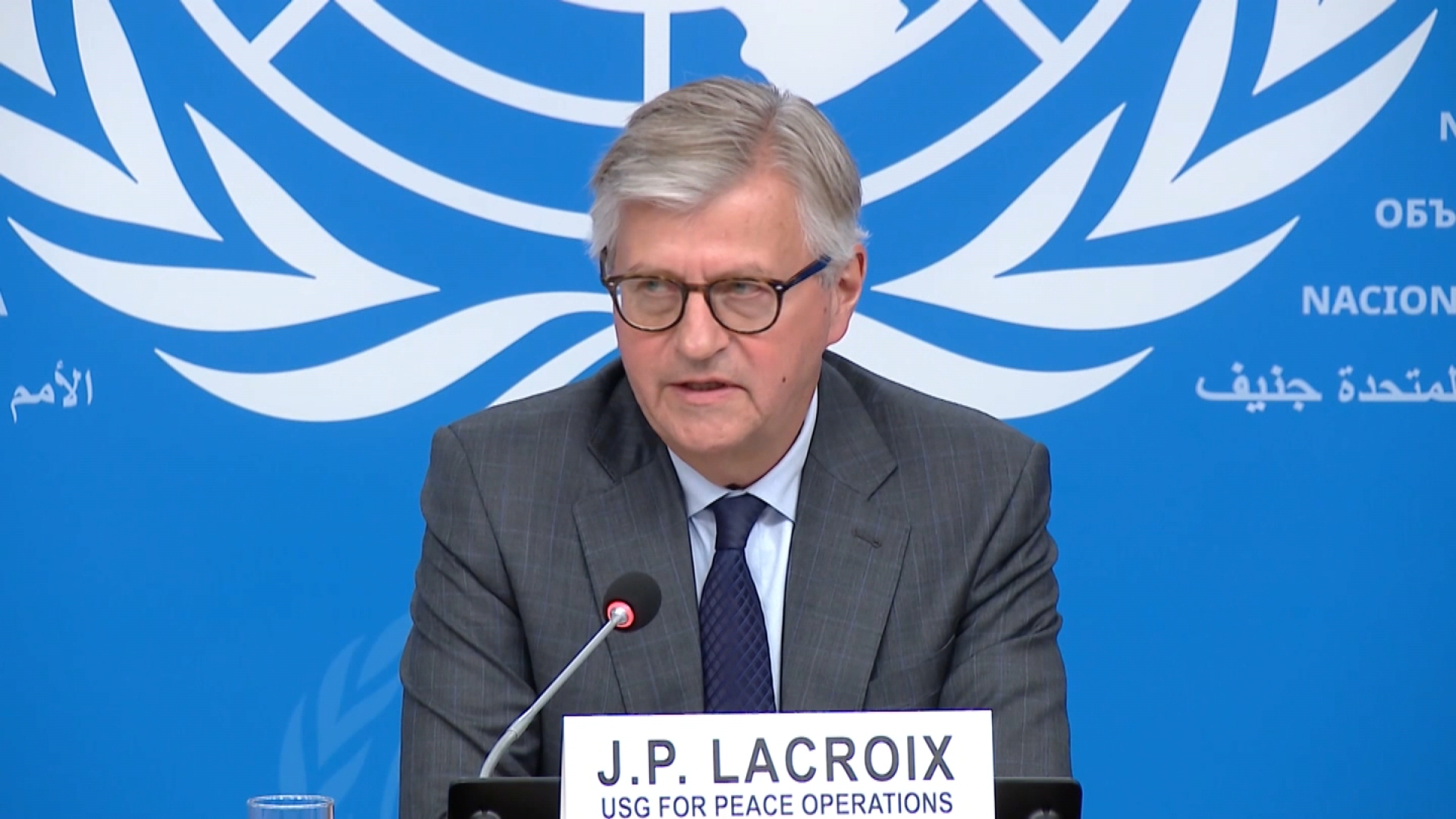
2. Wide shot, press conference dais
3. SOUNDBITE (English) Jean‑Pierre Lacroix, Under‑Secretary‑General for Peace Operations, United Nations:
“UNIFIL peacekeepers continue to do their work. They continue to implement their mandate. They continue to monitor developments on their in their area of operation, as well as a report on violations. They maintain liaison and deconfliction with the parties and they facilitate - that is very important - they keep facilitating humanitarian access in southern Lebanon because, as you know, there continues to be people living in those areas.”
4. Wide shot, dais
5. SOUNDBITE (English) Jean‑Pierre Lacroix, Under‑Secretary‑General for Peace Operations, United Nations:
“We do believe that a UN presence in Lebanon continues to be needed. I believe that is also the view of the Lebanese authorities.”
6. Wide shot, dais
7. SOUNDBITE (English) Jean‑Pierre Lacroix, Under‑Secretary‑General for Peace Operations, United Nations:
“Hopefully we will see some movement at the Security Council, but ultimately, we are in the hands of our Member States, we are in the hands of the members of the Council. And we would be, of course, very happy to get some, clear guidance from this Council. Ultimately, the UN's objectives have not changed. We want a successful political process with the resolution 1701 as the compass.”
8. Wide shot, dais
9. SOUNDBITE (English) Jean‑Pierre Lacroix, Under‑Secretary‑General for Peace Operations, United Nations:
“The civilian population feels a very strong impact as a result of the presence of the presence of the Israel Defence Forces on the ground. They convey their complaints to us about people being detained, about restrictions of access or properties being confiscated. And our colleagues do convey these concerns and complaints to the Israel Defence Forces. And I'm happy to report that, on a number of occasions we have been able, through these liaison work to secure the release of people, detained people, and also the return of properties.”
10. Wide shot, dais
11. SOUNDBITE (English) Jean‑Pierre Lacroix, Under‑Secretary‑General for Peace Operations, United Nations:
“Following the Security Council's failure to agree on an extension of mandate, the mandate of MINURSO has expired on the 31st of October. And the Mission now has ceased its operation after 35 years. I want to, again, reiterate our deepest gratitude to all the military and civilian personnel who have served with MINURSO very often in austere, actually very austere, conditions and very remote locations. And particular tribute, of course, paid to the 22 MINURSO personnel who lost their lives serving this Mission.”
12. Wide shot, dais
13. SOUNDBITE (English) Jean‑Pierre Lacroix, Under‑Secretary‑General for Peace Operations, United Nations:
“As of 31st October midnight. MINURSO only has one task, which is to carry out its withdrawal. That's it. So, no verification mechanism, no nothing. It just has to organize its exit, and as I indicated of course, the support from the parties to that process will be very important.”
14. Wide shot, end of presser
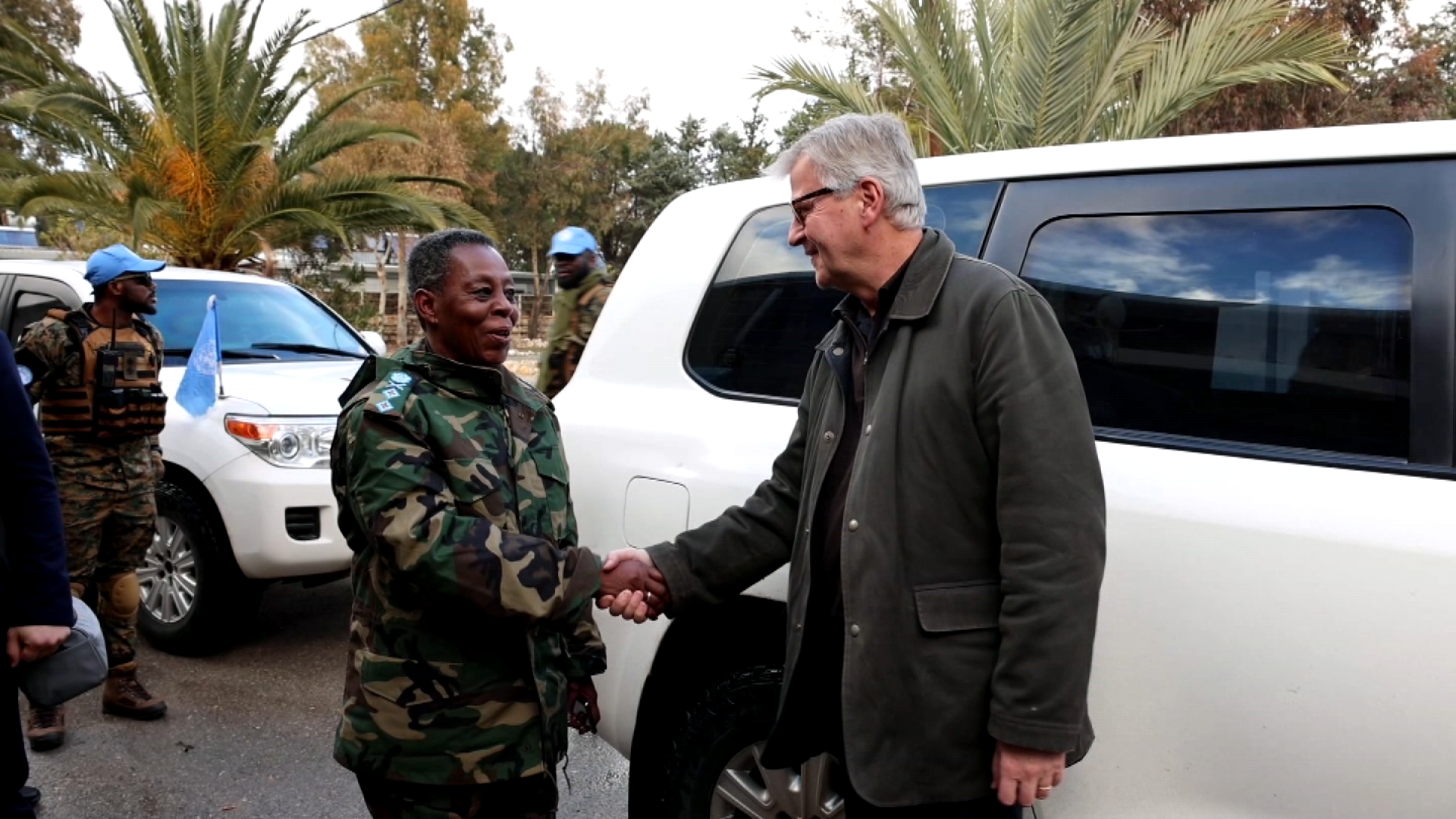
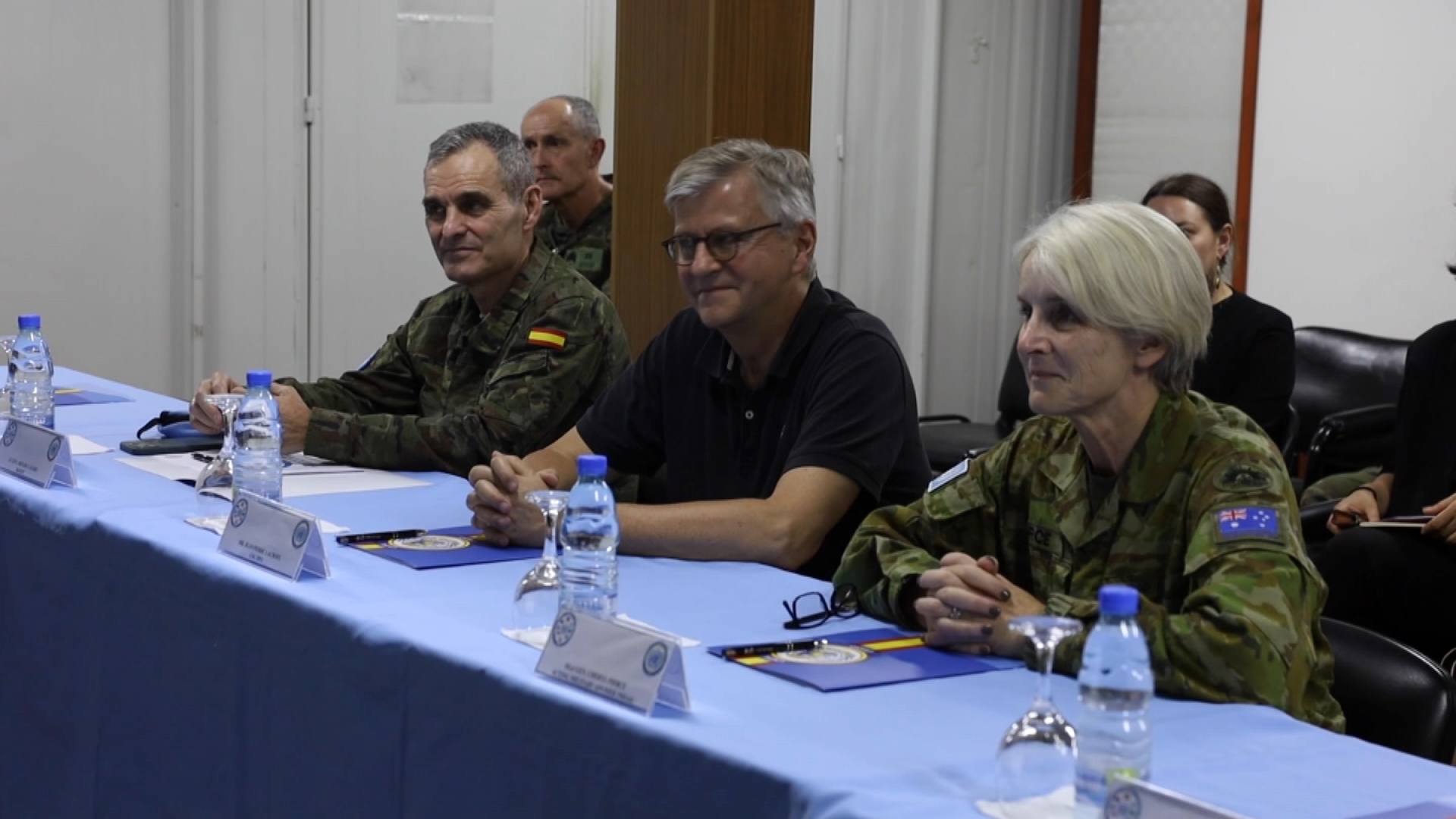
Following his recent trip to the Middle East, peacekeeping Chief Jean‑Pierre Lacroix today (4 Nov) told journalists in New York that United Nations Interim Force in Lebanon (UNIFIL) peacekeepers “continue to implement their mandate” and said, “we would be, of course, very happy to get some, clear guidance” from the Security Council” on the future of the Mission.
Lacroix said, UNIFIL peacekeepers “continue to monitor developments on their in their area of operation, as well as a report on violations. They maintain liaison and deconfliction with the parties and they facilitate - that is very important - they keep facilitating humanitarian access in southern Lebanon because, as you know, there continues to be people living in those areas.”
He said, “we do believe that a UN presence in Lebanon continues to be needed. I believe that is also the view of the Lebanese authorities,” and “hopefully we will see some movement at the Security Council, but ultimately we are in the hands of our Member States, we are in the hands of the members of the Council.”
Turning to Syria and the United Nations Disengagement Observer Force (UNDOF) area of operation, Lacroix said, “the civilian population feels a very strong impact as a result of the presence of the presence of the Israel Defence Forces on the ground. They convey their complaints to us about people being detained, about restrictions of access or properties being confiscated. And our colleagues do convey these concerns and complaints to the Israel Defence Forces.”
He said, “I'm happy to report that, on a number of occasions we have been able, through these liaison work to secure the release of people, detained people, and also the return of properties.”
On the end of the United Nations Mission for the Referendum in Western Sahara’s (MINURSO) mandate on 31 October, the peacekeeping Chief noted that “the Mission now has ceased its operation after 35 years” and reiterated “our deepest gratitude to all the military and civilian personnel who have served with MINURSO very often in austere, actually very austere, conditions and very remote locations.”
He said, “as of 31st October midnight. MINURSO only has one task, which is to carry out its withdrawal. That's it. So, no verification mechanism, no nothing. It just has to organize its exit, and as I indicated of course, the support from the parties to that process will be very important.”