Media Home
 UN Web TV
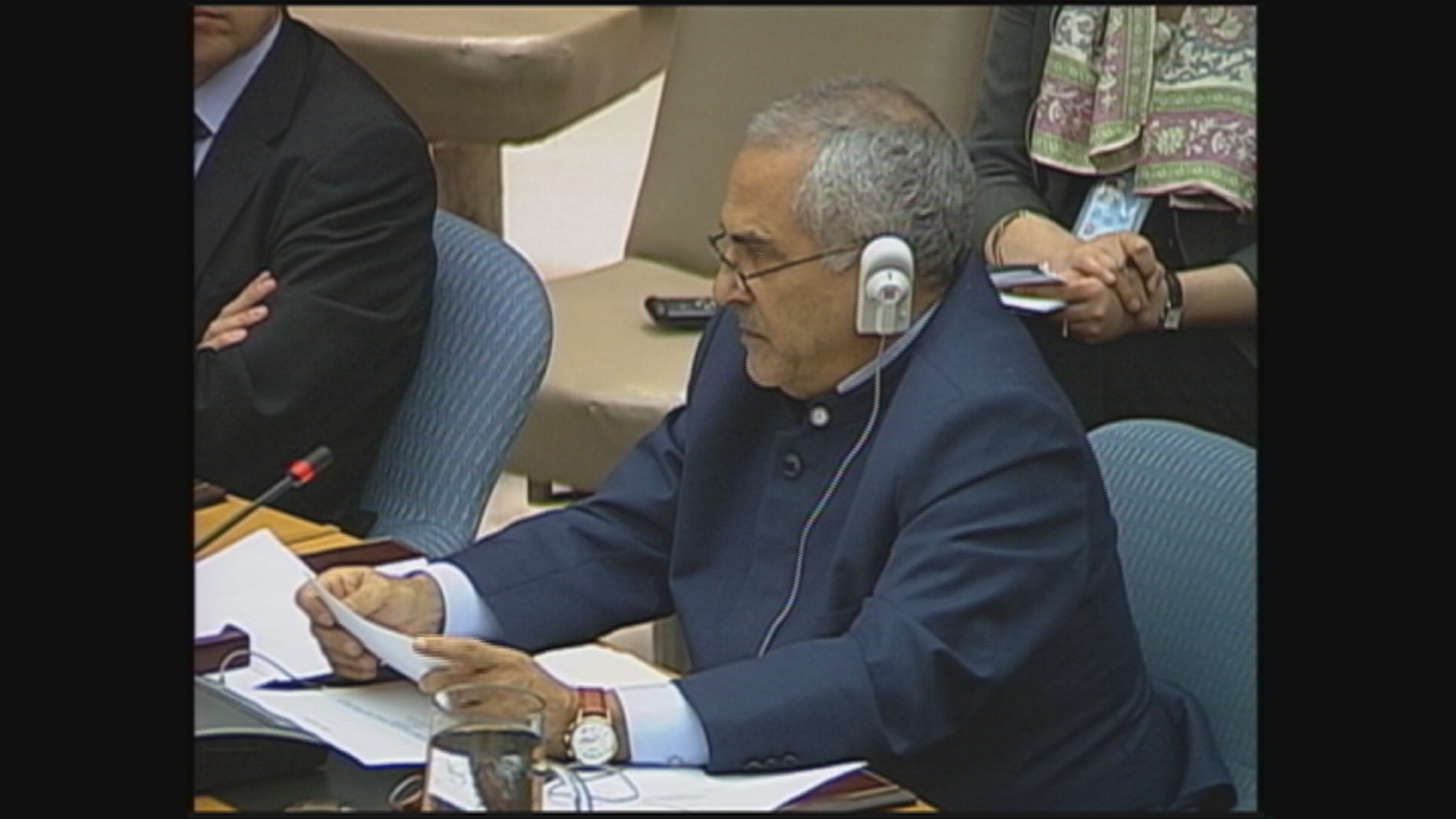
 UN Audiovisual Library
 UN Photo
UN / GUINEA-BISSAU
Download
There is no media available to download.
Share
STORY: UN / GUINEA-BISSAU
TRT: 1.12
SOURCE: UNTV
RESTRICTIONS: NONE
LANGUAGE: ENGLISH / NATS
DATELINE: 8 MARCH 2009, NEW YORK CITY
RECENT 2009, NEW YORK CITY
1. Wide shot, exterior, United Nations headquarters
8 MARCH 2009, NEW YORK CITY
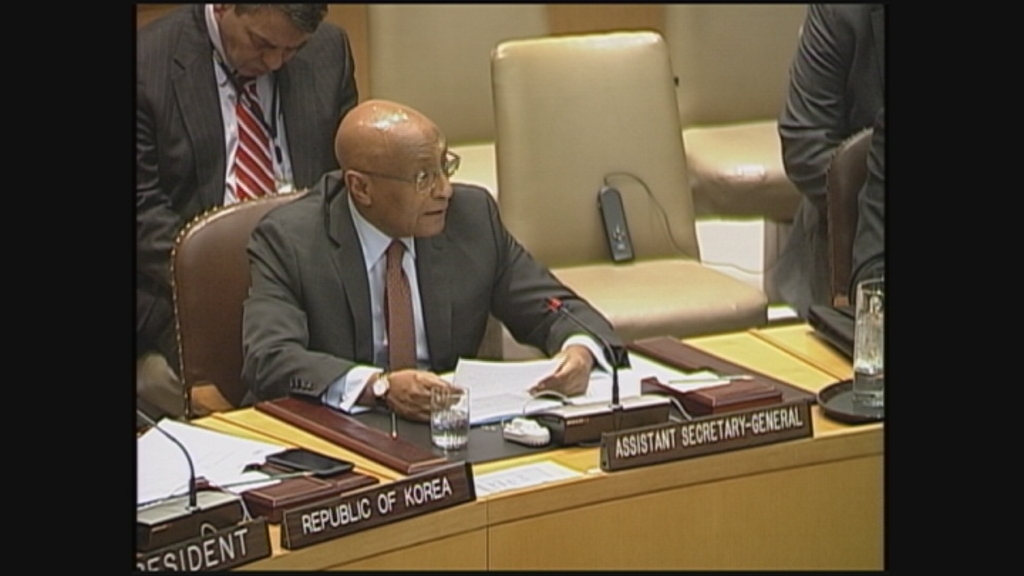
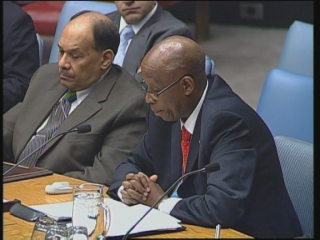
2. Wide shot, Security Council
3. Med shot, delegates
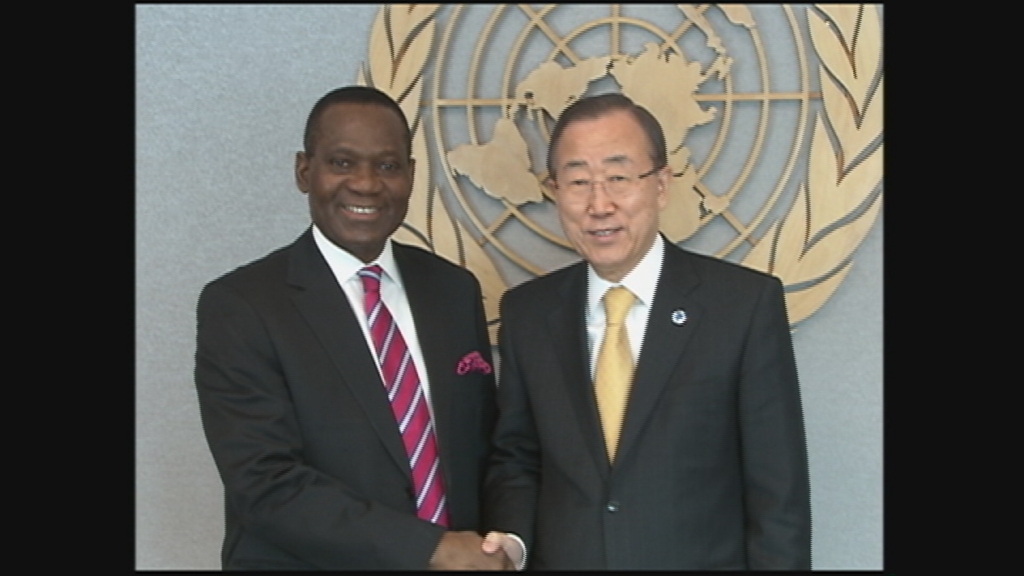
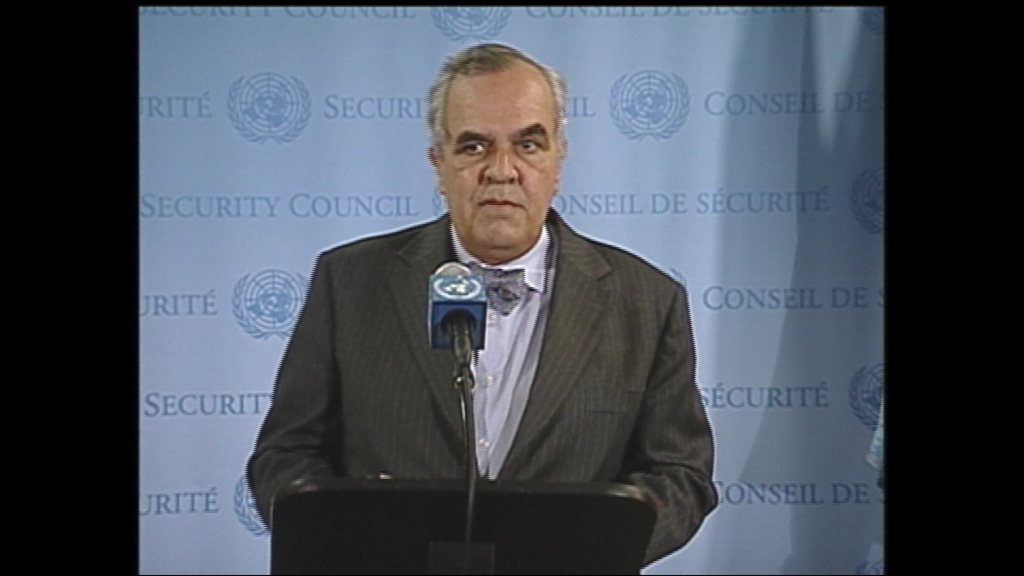
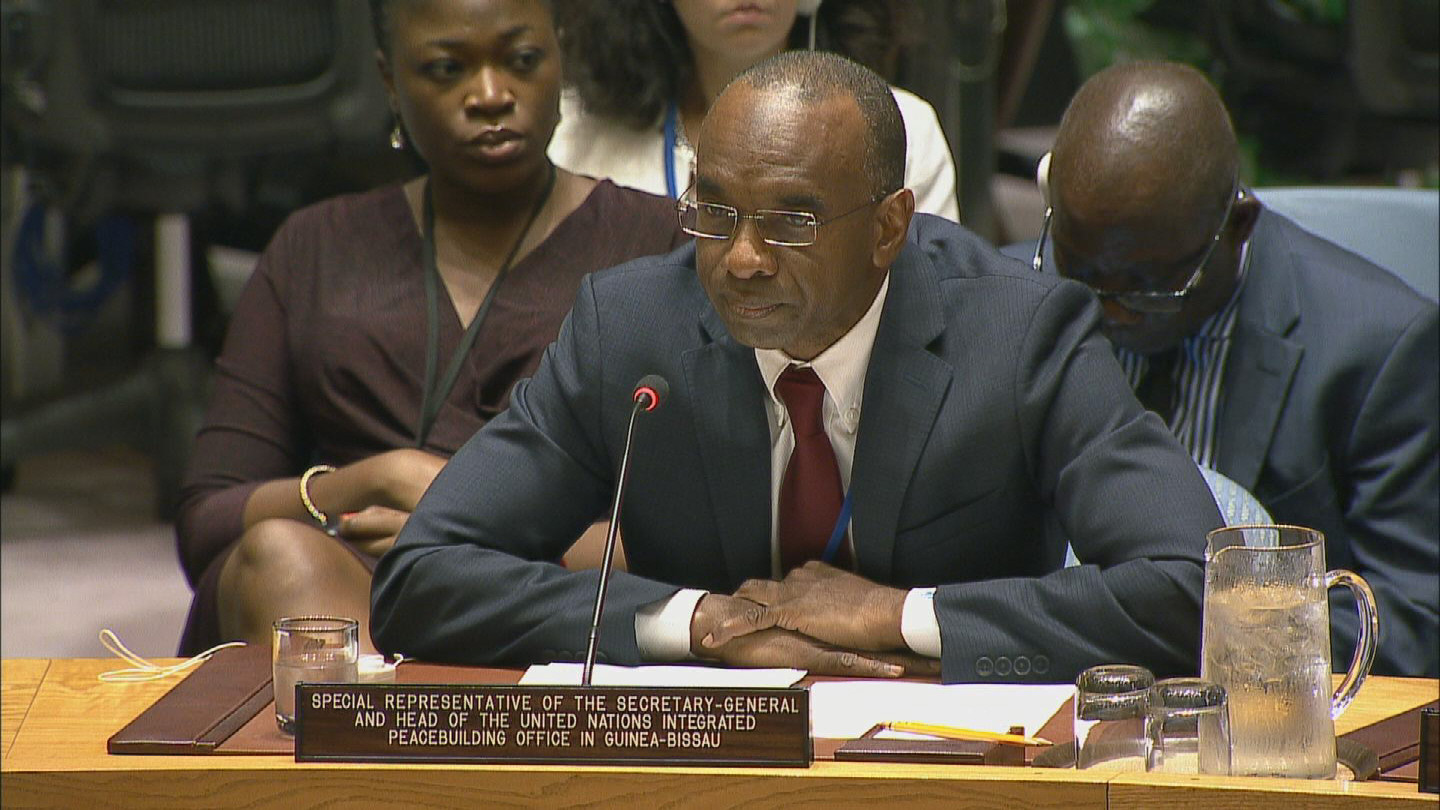
4. SOUNDBITE (English) Joseph Mutaboba, Special Representative for Guinea-Bissau, United Nations:
“We support elections as part of the democratic process and respect for the Constitution but we must take on board those perceptions and be aware that there is a growing disconnect between the population and the democratic process which in the eyes of the many treats the population as a lot of fodder and gives them nothing in return. It is important therefore that the population must see some quick improvements in their lives if democracy is to mean anything to them.”
5. Med shot, delegates
6. SOUNDBITE (English) Joseph Mutaboba, Special Representative for Guinea-Bissau, United Nations:
“The prosecutor general has on several occasions argued that the commission does not have the necessary material or technical support and recently complained of the lack of cooperation from the military in this matter.”
7. Med shot, delegates
8. Wide shot, delegates leaving the chamber
The United Nations Special Representative to Guinea-Bissau urged the Security Council today for continued support on national reconciliation and the fight against impunity in the West African country.
Guinea-Bissau is gearing up for elections on 28 June 2009, following last month’s assassinations of President João Bernardo Vieira and Chief of Staff of the Armed Forces General Batista Tagme Na Waie.
On the elections, Mutaboba said that many people questioned the appropriateness of those elections so soon after major violence and before the socio-political and military environment had time to settle.
Mutatoba said that the mission supported elections as part of the democratic process and respect for the Constitution, but he stressed that the council should take on board those perceptions and be aware that there was a growing disconnect between the population and the democratic process, which, he said “in the eyes of many, treats the population as electoral fodder and gives them nothing in return.”
He said it was important that the population saw some quick improvements in their lives if democracy was to mean anything to them.
He also noted that the Commission of Inquiry into last month’s attacks had begun its work on 12 March, and that a parallel inquiry has been set up by the military to investigate General Tagme’s assassination.
Mutaboba said that a sound commission of inquiry was essential to end the cycles of violence and impunity in the country.
But he also noted that the prosecutor general had expressed concerns about the lack of security for members and witnesses against threats and intimidation, and over the lack of cooperation from the military with regard to information exchange on the military inquiry.