Media Home
 UN Web TV
 UN Audiovisual Library
 UN Photo
SUDAN / FEMALE GENITAL MUTILATION
Download
There is no media available to download.
Share
STORY: SUDAN / FEMALE GENITAL MUTILATION
TRT: 4:52
SOURCE: UNICEF
RESTRICTIONS: NONE
LANGUAGE: ENGLISH / ARABIC / NATS
DATELINE: 7-14 MARCH, GEDARAF, PORT SUDAN, KHARTOUM, SUDAN
7-14 MARCH, GEDARAF, SUDAN
1. Wide shot, town
2. Various shots, Tahani Omar Ali
3. SOUNDBITE (Arabic) Tahani Omar Ali, mother:
“I remember the day of my circumcision very well indeed. I was five years old and it was a painful day. I stayed in bed for 15 days, after which it healed, but for the rest of my life I suffered. I suffer in my daily life.”
4. Various shots, town
7-14 MARCH, PORT SUDAN, SUDAN
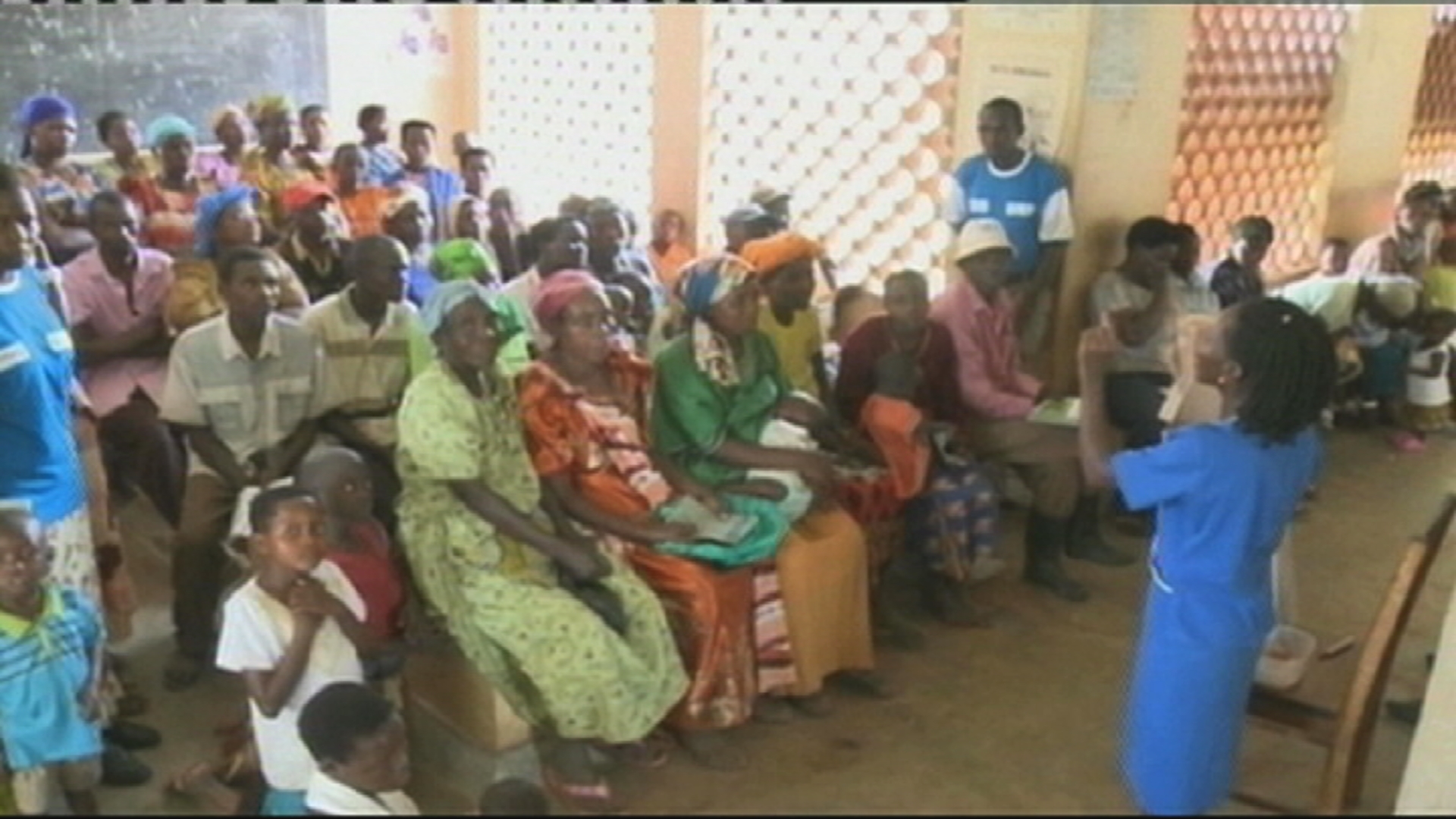
5. Various shots, women at non formal education group
6. Close up, Saleema poster
7-14 MARCH, KHARTOUM, SUDAN
7. SOUNDBITE (English) Samira Ahmed, UNICEF Child Protection Specialist:
“Saleema in itself is an Arabic word which means complete intact, whole, as god created.”
7-14 MARCH, PORT SUDAN, SUDAN
8. Various shots, non formal education group
9. SOUNDBITE (Arabic) Amal Mohammed Murad Saleema, trainer:
“I convince them by approaching them little by little, not abruptly. I use proper logic; gaining their friendship. I use booklets and posters and seminars too.”
7-14 MARCH, GARDARAF, SUDAN
10. Various shots, Tahani and girls watch Saleema message on television
11. Various shots, community gathering where Saleema message is shared
12. Various shots, people wearing traditional Saleema scarf
7-14 MARCH, KHARTOUM, SUDAN
SOUNDBITE (English) Gamar Habani, Secretary General, National Council for Child Welfare:
“We designed these colours as Saleema slogans. Everybody who wears is Saleema and he is support abandoning FGM. This will lead to a very wide dialogue in community.”
7-14 MARCH, GARDARAF, SUDAN
13. Med shot, leaders wearing Saleema scarf
7-14 MARCH, KHARTOUM, SUDAN
14. SOUNDBITE (English) El Sadig Almadhi, Imam/Former Sudanese Prime Minister:
“There is a growing human rights movement in this country. There are many who are reactionary and conservative who try to speak of human rights as cultural imperialism from outside. We have done exactly the opposite to say Islam is the greatest bastion, supporter of human rights.”
7-14 MARCH, GARDARAF, SUDAN
15. Various shots, public Saleema meeting
7-14 MARCH, KHARTOUM, SUDAN
16. SOUNDBITE (English) Samira Ahmed, UNICEF Child Protection Specialist:
“The European Commission is one of the direct donors and major donors of this project and with support to UNICEF, UNICEF has managed to scale up the project on abandoning FGM during the last two years.”
7-14 MARCH, GARDARAF, SUDAN
17. Various shots, public abandonment ceremony
7-14 MARCH, KHARTOUM, SUDAN
18. SOUNDBITE (English) Gamar Habani, Secretary General, National Council for Child Welfare:
“The campaign is targeting the communities , the abandonment of FGM should not be as personal act it should an act for the whole community.”
7-14 MARCH, GARDARAF, SUDAN
19. Med shot, Tahani and husband Abdul outside their home
20. SOUNDBITE (Arabic) Abdul Atti Abdullah Ibrahim, father:
“When I came across this program, Saleema, I consulted my wife. We were ready and prepared to respond to this program, a girl is born Saleema, so leave her Saleema.”
21. Various shots, Tahani and her daughters fold linen
22. Various shots, girls hold Saleema posters
During an ordinary day in Northern Sudan, Tahani Omar Ali and her daughters are taking care of household chores. Tahani’s expression is serene but it belies a life marked by pain.
SOUNDBITE (Arabic) Tahani Omar Ali, mother:
“I remember the day of my circumcision very well indeed. I was five years old and it was a painful day. I stayed in bed for 15 days, after which it healed, but for the rest of my life I suffered. I suffer in my daily life.”
Female genital mutilation is widespread in this sparsely populated and conservative region. The roots of the practice are tangled deep in Sudan’s social and religious traditions, and wrapped in the concepts of female honor.
The word to describe an uncut girl is a word of shame.
But UNICEF and the European Commission are working with the Sudanese to develop a new way of thinking about girls who have not been cut.
The program is based on one very carefully chosen word called Saleema.
SOUNDBITE (English) Samira Ahmed, UNICEF Child Protection Specialist:
“Saleema in itself is an Arabic word which means complete intact, whole, as god created, untouched, you know.”
The Saleema campaign encourages conversation about human rights between families, neighbours and communities.
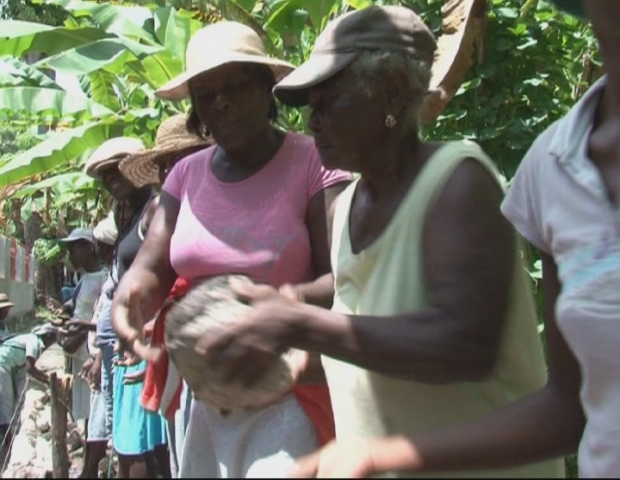
The conversation often begins in a non-formal classroom where women and girls meet regularly to discuss women’s health.
SOUNDBITE (Arabic) Amal Mohammed Murad Saleema, trainer:
“I convince them by approaching them little by little, not abruptly. I use proper logic; gaining their friendship. I use booklets and posters and seminars too.”
In a country as large as Sudan, mass media is essential to broadcast the positive message of Saleema.
But using community forums and theatre, song and dance the message is transmitted from community to community.
Wearing a traditional scarf in the Saleema colors can start a conversation. The scarves, for men and women, have been distributed in more than fifteen states. More than two hundred communities have adopted the campaign.
SOUNDBITE (English) Gamar Habani, Secretary General, National Council for Child Welfare:
“We designed these colors as Saleema slogans. Everybody who wears is Saleema and he is support abandoning FGM. This will lead to a dialogue in community.”
Also joining the dialogue are more than a hundred religious leaders.
SOUNDBITE (English) El Sadig Almadhi, Imam, former Sudanese Prime Minister:
“There is a growing human rights movement in this country. There are many who are reactionary and conservative who try to speak of human rights as cultural imperialism from outside. We have done exactly the opposite to say Islam is the greatest bastion, supporter of human rights.”
European Union support helps to get Saleema to the widest possible audience.
SOUNDBITE (English) Samira Ahmed, UNICEF Child Protection Specialist:
“The European Commission is one of the direct donors and major donors of this project and with support to UNICEF, UNICEF has managed to scale up the project on abandoning FGM during the last two years.”
That support leads to ceremonies where communities publicly celebrate their decision to stop cutting and declare that it’s in everybody’s best interests.
SOUNDBITE (English) Gamar Habani, Secretary General, National Council for Child Welfare:
“The campaign is targeting the communities, the abandonment of FGM should not be as personal act it should an act for the whole community.”
Saleema has encouraged couples like Tahani Omar Ali and her husband to jointly decide what is best for their daughters.
SOUNDBITE (Arabic) Abdul Atti Abdullah Ibrahim, father:
“When I came across this program, Saleema, I consulted my wife. We were ready and prepared to respond to this program, a girl is born Saleema, so leave her Saleema.”
In reaching this decision Tahani and Abdul have not only given their children lives free from the debilitating medical and psychological consequences of genital mutilation they’ve opened the door to a more prosperous future in which all of Sudan’s daughters can reach their full human potential.