Media Home
 UN Web TV
 UN Audiovisual Library
 UN Photo
UN / EAST ASIA ECONOMY REPORT
Download
There is no media available to download.
Share
STORY: UN / EAST ASIA ECONOMY REPORT
TRT: 1.51
SOURCE: WORLD BANK
RESTRICTIONS: NONE
LANGUAGE: ENGLISH / NATS
DATELINE: 15 OCTOBER 2010, WASHINGTON DC / FILE
FILE / JULY 2010, CHINA
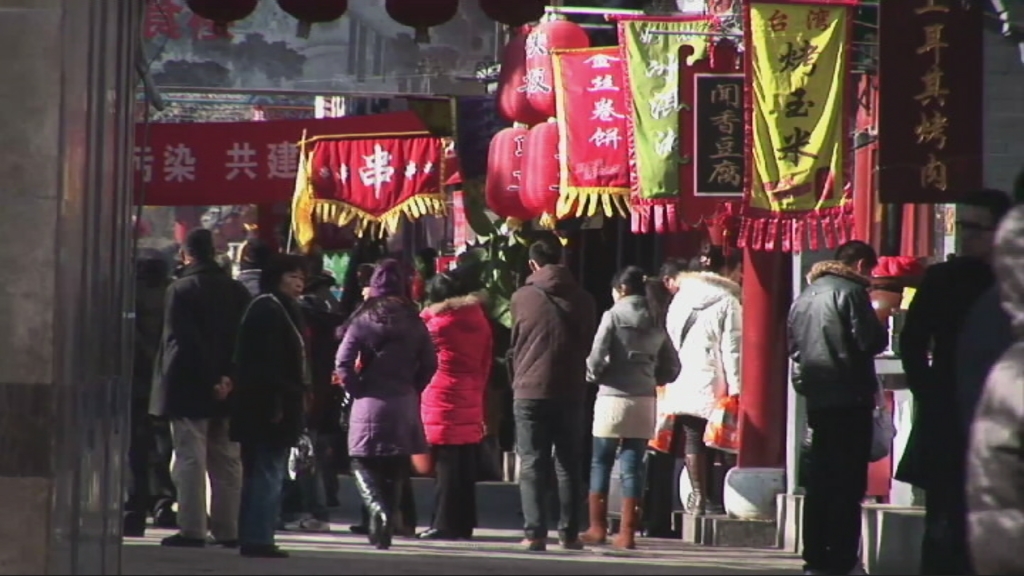
1. Med shot, traffic in Chinese city
2. Med shot, Chinese jewellery shop
3. Wide shot, Chinese shopping mall
15 OCTOBER 2010, WASHINGTON DC
4. SOUNDBITE (English) Vikram Nehru, Chief economist for the East Asia and Pacific region, World Bank:
"The biggest rising risk now is with capacity used up in the region inflation is beginning to re-emerge, but this is being exacerbated by the abundant global liquidity that’s available, lots of dollars that are flowing into the region and this is complicating the lives of monetary authorities who are trying to ensure that inflation is kept in check. But unfortunately inflation is rising, as I said and exchange rates are appreciating."
FILE / JULY 2010, CHINA
5. Wide shot, old and new architecture in Beijing, hutong and skyscrapers
6. Wide shot, Chinese department store
15 OCTOBER 2010, WASHINGTON DC
7. SOUNDBITE (English) Vikram Nehru, Chief economist for the East Asia and Pacific region, World Bank:
"This pattern of growth is now being rebalanced, rebalancing that pattern of growth in a bit more sustainable way. Towards environmental sustainability, towards social sustainability, sustainability between the various sectors of the economy is now taking precedence and future growth will crucially depend on how successful the authorities are in achieving this challenge."
FILE / JULY 2010, CHINA
8. Chinese store with solar panels
9. Chinese wind generator close up
10. Chinese wind generator wide shot
15 OCTOBER 2010, WASHINGTON DC
11. SOUNDBITE (English) Vikram Nehru, Chief economist for the East Asia and Pacific region, World Bank:
"I believe that in fact East Asia with its high levels of investment has a real chance of becoming a leader in green technology in the future. Here are countries where the environment is being taken seriously, they are investing in new technologies, and my expectation is that within ten to fifteen years, many of these, not all, but many of these countries could in fact master these technologies and become very competitive in developing them, manufacturing them and exporting them to the rest of the world."
FILE / JULY 2010, CHINA
12. Wide shot, Chinese Skyscrapers
The economic recovery in East Asia and the Pacific is robust but risks are rising, says a new World Bank report. (World Bank's East Asia and Pacific Economic Update. )
Trade flows have returned to pre-crisis levels. Real GDP growth in the region is expected to rise to 8.9 percent this year. However, massive capital inflows pose challenges to policymakers.
SOUNDBITE (English) Vikram Nehru, Chief economist for the East Asia and Pacific region, World Bank:
"The biggest rising risk now is with capacity used up in the region inflation is beginning to re-emerge, but this is being exacerbated by the abundant global liquidity that’s available, lots of dollars that are flowing into the region and this is complicating the lives of monetary authorities who are trying to ensure that inflation is kept in check. But unfortunately inflation is rising, as I said and exchange rates are appreciating."
There are also doubts about the sustainability of Chinese growth, which so far has been capital intensive and export oriented.
SOUNDBITE (English) Vikram Nehru, Chief economist for the East Asia and Pacific region, World Bank:
"This pattern of growth is now being rebalanced, rebalancing that pattern of growth in a bit more sustainable way. Towards environmental sustainability, towards social sustainability, sustainability between the various sectors of the economy is now taking precedence and future growth will crucially depend on how successful the authorities are in achieving this challenge."
Increased attention to environmental sustainability and green technologies could create new opportunities for the region.
SOUNDBITE (English) Vikram Nehru, Chief economist for the East Asia and Pacific region, World Bank:
"I believe that in fact East Asia with its high levels of investment has a real chance of becoming a leader in green technology in the future. Here are countries where the environment is being taken seriously, they are investing in new technologies, and my expectation is that within ten to fifteen years, many of these, not all, but many of these countries could in fact master these technologies and become very competitive in developing them, manufacturing them and exporting them to the rest of the world."
New technologies that could help to maintain East Asian growth in the long run.