Media Home
 UN Web TV
 UN Audiovisual Library
 UN Photo
HAITI / CHOLERA OUTBREAK UPDATE
Download
There is no media available to download.
Share
STORY: HAITI / CHOLERA OUTBREAK UPDATE
TRT: 3:18
SOURCE: UNICEF
RESTRICTIONS: NONE
LANGUAGE: ENGLISH / CREOLE / NATS
DATELINE: OCTOBER 2010, ARTIBONITE, HAITI
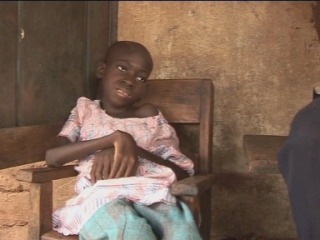
1. Close up, crying girl at the L’Estere Medical Center
2. Med shot, crying girl with mother and women
3. Wide shot, girls standing in the waiting area of the hospital
4. Med shot, people waiting at the hospital
5. SOUNDBITE (Creole) Saint Jacques Destin, Patient’s Uncle:
“Our whole family was sick with diarrhea but our village is very far away. It’s not easy to get here. We ended up having to use a motorbike taxi but both Jackson’s father and mother died along the way.”
6. Med shot, patient with a doctor attending to her in a tent
7. Close up, sick baby
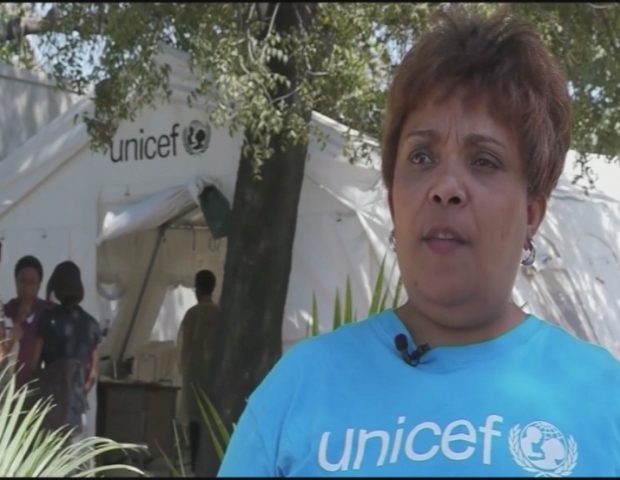
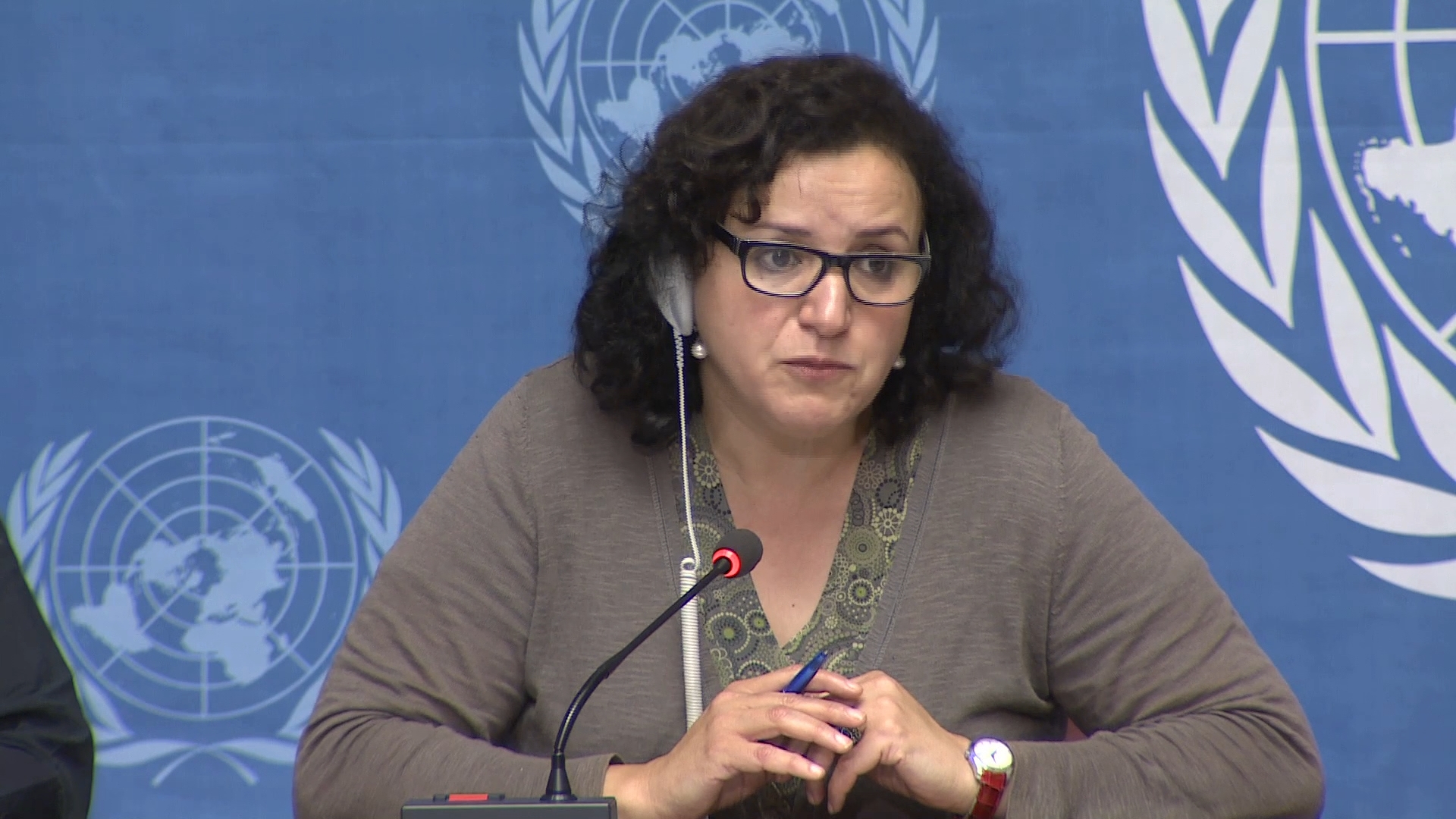
8. SOUNDBITE (English) Chantal Mutenya, UNICEF Emergency Health Officer:
“Since Wednesday, they have admitted more than 400 patients. At the moment, we don’t have the breakdown of the statistics but in this hospital, I can say from the perspective of admissions, the patients I see, I can say that children under 18 may represent 30 to 40 % of admitted patients.”
9. Med shot, doctor with mask attending a patient in a tent
10. Med shot, doctor injecting patient with a drip
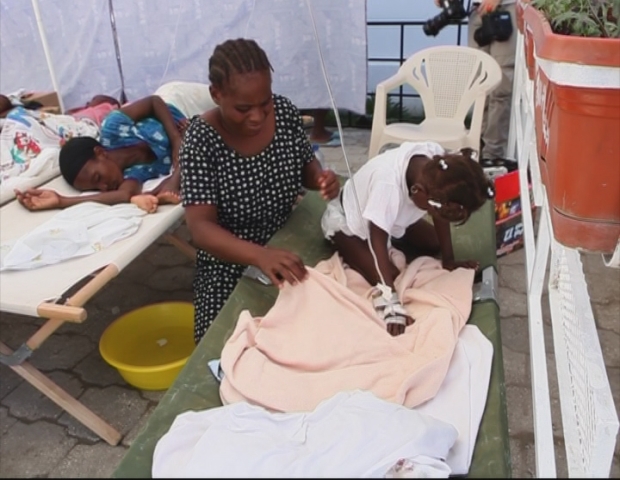
11. Med shot, sick child with drip on a stretcher
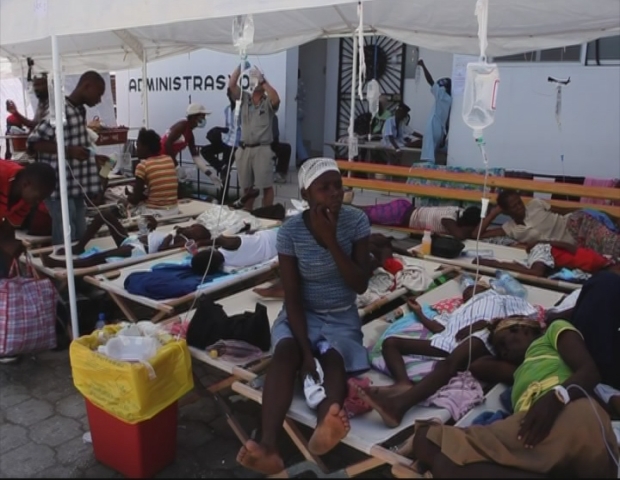
12. Wide shot, hospital ward
13. Med shot, doctor attends to a child
14. Wide shot, mother sitting by her child with a drip in the open ground
15. Wide shot, hospital ward with patients on drips
16. Pan right, from one sick baby to another on hospital bed
17. Wide shot, patients in the hospital
18. Pan right, sick child on hospital bed to the mother
19. Wide shot, patients in a makeshift tented hospital ward
20. Wide shot, doctor examines patient
21. Med shot, doctor gives rehydration salt to patient
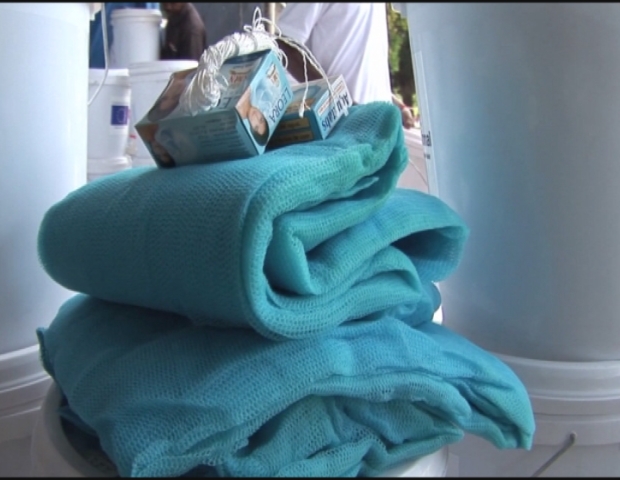
22. Med shot, health worker give water purification tablets and drugs to woman
23. Close up, rehydration salts
24. SOUNDBITE (English) Nigel Fisher, UN Deputy Special Representative of the Secretary General:
“In any of these humanitarian crises coordination is absolutely key, so for instance UNICEF is coordinating the water and sanitation cluster which is absolutely critical to manage cholera so it’s really UNICEF who is pulling all the other organizations together.”
25. Wide shot, people waiting in a long line for medication
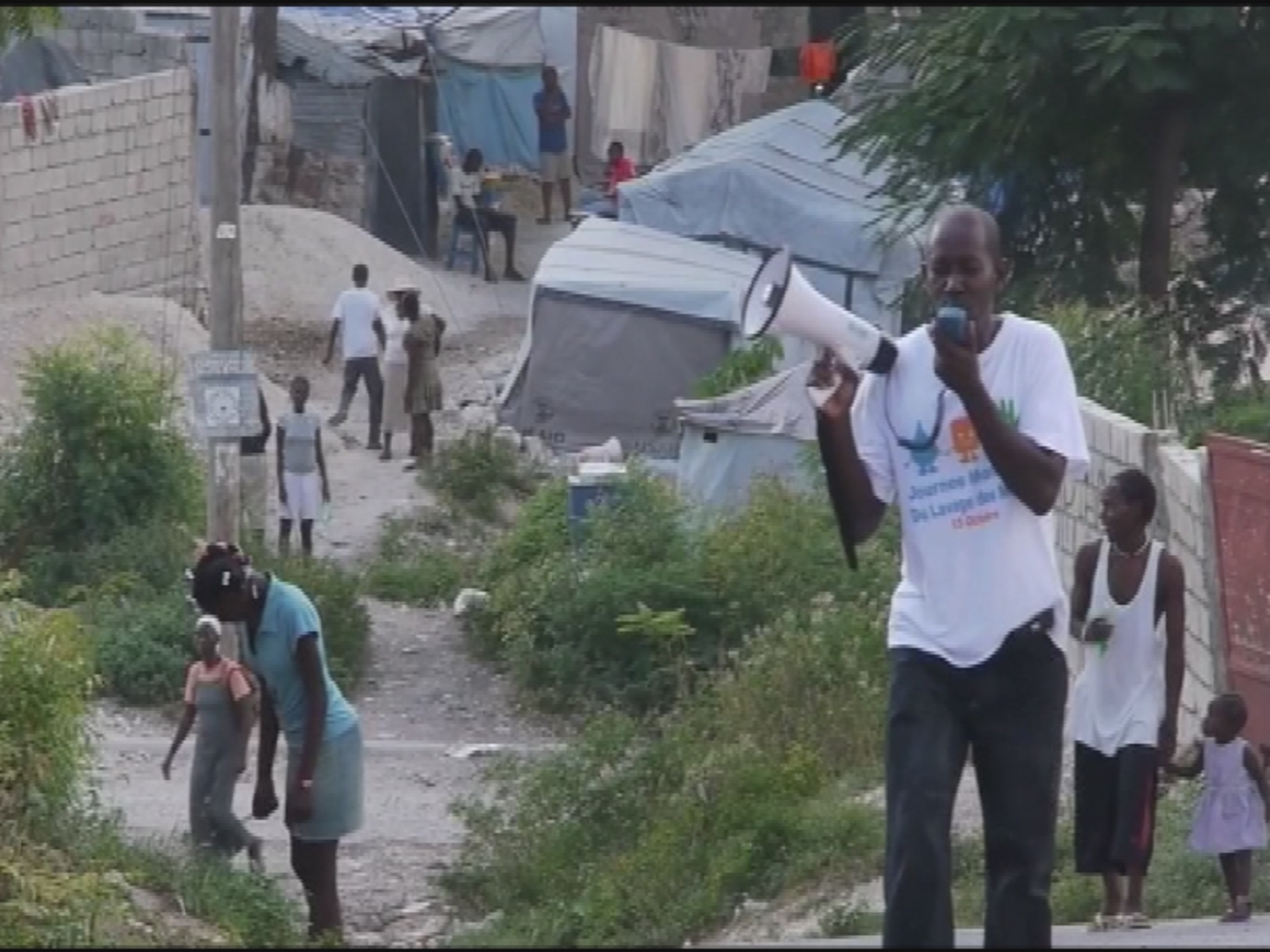
26. Med shot, health worker makes announcement as people listen
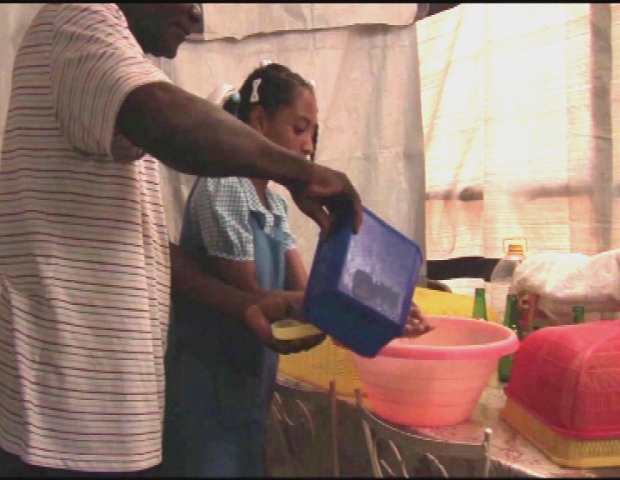
27 Med shot, health workers giving precautions to people, showing them how to avoid cholera by washing hands
28. SOUNDBITE (English) Frank Kashanko, UNICEF Field Coordinator:
“This will allow people to know how to avoid sickness and it will reduce the numbers of infected people because everyone who has the knowledge, passes it onto others who were not informed and over time we hope that the whole population will be informed so that we can contain this epidemic while the health workers can concentrate on those who are already sick.”
29. Med shot, mother attends to her sick child
30. SOUNDBITE (English) Nigel Fisher, UN Deputy Special Representative of the Secretary General:
“The case load is increasing but the death rate has actually gone down a bit which shows that the response has been quite effective but frankly we have been focusing on the areas of high contamination, we need to go everywhere because this is going to spread unfortunately.”
31. Close up, sick child on hospital bed
32. Close up, sick child on hospital bed
33. Med shot, mother gives water to her sick child
Cries of pain fill L‘Estere Medical Center in Artibonite, the epicenter of Haiti’s cholera epidemic. Almost a week after the first cases were reported, new victims continue to arrive to the center.
Two-year-old Jackson just got here with her Uncle Saint Jacques Destins but her parents did not make it.
SOUNDBITE (Creole) Saint Jacques Destin, Patient’s Uncle:
“Our whole family was sick with diarrhea but our village is very far away. It’s not easy to get here. We ended up having to use a motorbike taxi but both Jackson’s father and mother died along the way.”
So far over 250 deaths have been reported out of the more than 3,000 confirmed cholera cases.
SOUNDBITE (English) Chantal Mutenya, UNICEF Emergency Health Officer:
“Since Wednesday, they have admitted more than 400 patients. At the moment, we don’t have the breakdown of the statistics but in this hospital, I can say from the perspective of admissions, the patients I see, I can say that children under 18 may represent 30 to 40 % of admitted patients.”
The wards of hospitals are overflowing with serious cases of the deadly water-borne bacteria. Many are being treated out in the open.
Cholera causes massive and painful diarrhea that ravages the body. Left untreated it can kill within hours.
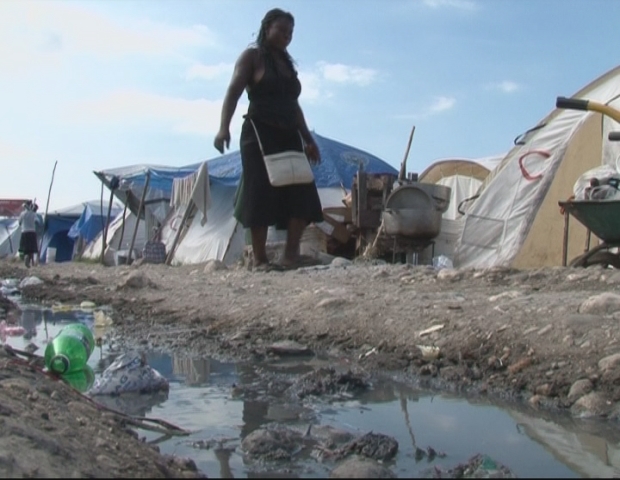
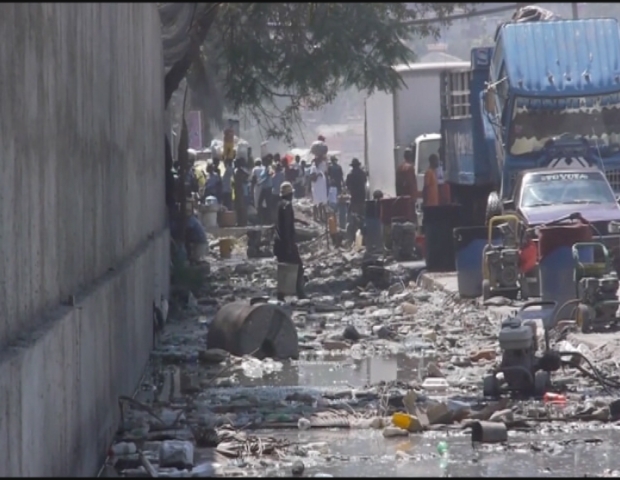
Stemming the spread of the disease is a huge challenge since many communities don’t have access to clean water. Teams of Cuban doctors are helping local health authorities treat the sick with medical supplies provided by UNICEF. The organization is spearheading efforts to distribute soap, water purification tablets and rehydration salts across the district
SOUNDBITE (English) Nigel Fisher, UN Deputy Special Representative of the Secretary General:
“In any of these humanitarian crises coordination is absolutely key, so for instance UNICEF is coordinating the water and sanitation cluster which is absolutely critical to manage cholera so it’s really UNICEF who is pulling all the other organizations together.”
Haiti has not seen a cholera epidemic for more than a century, making the country extremely unfamiliar with this disease.
Health organizations are working relentlessly to give information and spread awareness about the precautions people should take.
SOUNDBITE (English) Frank Kashanko, UNICEF Field Coordinator:
“This will allow people to know how to avoid sickness and it will reduce the numbers of infected people because everyone who has the knowledge, passes it onto others who were not informed and over time we hope that the whole population will be informed so that we can contain this epidemic while the health workers can concentrate on those who are already sick.”
With proper care and the treatment most cases recover fairly quickly.
SOUNDBITE (English) Nigel Fisher, UN Deputy Special Representative of the Secretary General:
“The case load is increasing but the death rate has actually gone down a bit which shows that the response has been quite effective but frankly we have been focusing on the areas of high contamination, we need to go everywhere because this is going to spread unfortunately.”
Though cholera seems to be have established a strong foothold in beleaguered Haiti, the influx of aid will go a long way in containing the disease.