Media Home
 UN Web TV
 UN Audiovisual Library
 UN Photo
WASHINGTON D.C. / REMITTANCES FACT BOOK
Download
There is no media available to download.
Share
STORY: WASHINGTON D.C. / REMITTANCES FACT BOOK
TRT: 1.29
SOURCE: WORLD BANK
RESTRICTIONS: NONE
LANGUAGE: ENGLISH / NATS
DATELINE: 5 NOVEMBER 2010, WASHINGTON DC.
RECENT, WORLD BANK HEADQUARTERS, WASHINGTON D.C.
1. Med shot, World Bank HQ
5 NOVEMBER 2010, WASHINGTON DC.
2. SOUNDBITE (English) Hans Timmer, Director of Development Prospects, World Bank:
“Remittances are very important because of their size; remittances are at the moment some 325 billion dollars to developing countries that is 3 times as large as official development aid. It is almost as large as all the foreign investment together.”
FILE / JULY 2009, WASHINGTON DC
3. Med shot, lady walking to money transfer counter
4. Close up, staff counting money
5. Wide shot, money transaction over counter
6. Close up, counting money
5 NOVEMBER 2010, WASHINGTON DC.
7. SOUNDBITE (English) Hans Timmer, Director of Development Prospects, World Bank:
“Very important advantage of remittances is that it goes directly to households and often households that needed it most, and that means that suddenly families have surplus moneys that they can use for education of their kids, they have surplus money that they can invest in small business, they can also open banking accounts now because they have foreign money.”
FILE / JULY 2008, VIETNAM
8. Close up, counting money
9. Close up, counting dollars
FILE / JULY 2008, BISHKEK, KYRGYZSTAN
10. Close, market
11. Wide shot, women buying bread
FILE / DECEMBER 2009, BRAZIL
12. Various shots, woman at ATM machine
FILE NOVEMBER, 2009, TAJIKISTAN
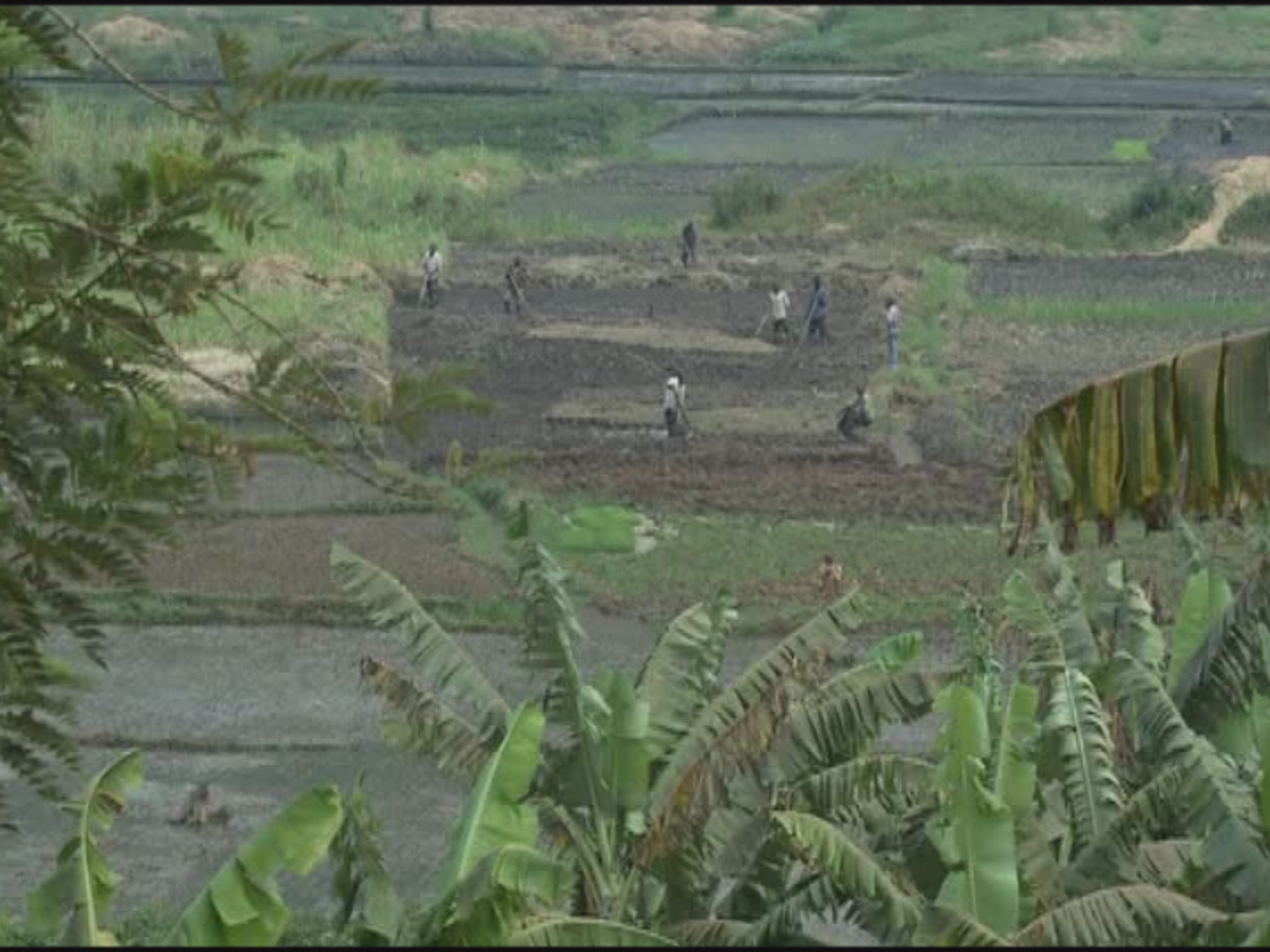
13. Various shots, cultivating land
FILE / JUNE 2009, MOLDOVA
14. Med shot, man on tractor
15. Med shot, three youths walking
16. Close up, bank
17. Wide shot, bank
More than 215 million people live outside their countries of birth. The billions of dollars they send home each year are triple the volume of official aid flows, and a lifeline to many poor countries.
According to a new study by the World Bank, remittances were a vital and steady source of income to developing nations during the recent global economic crisis.
SOUNDBITE (ENGLISH) Hans Timmer, Director of Development Prospects, World Bank:
“Very important advantage of remittances is that it goes directly to households and often households that needed it most, and that means that suddenly families have surplus moneys that they can use for education of their kids, they have surplus money that they can invest in small business, they can also open banking accounts now because they have foreign money.”
The study estimates that- after recovery from the crisis by the end of the year-recorded remittances to developing countries will further rise, possibly exceeding 370 billion dollars in two years time.
SOUNDBITE (ENGLISH) Hans Timmer, Director of Development Prospects, World Bank:
“Remittances are very important because of their size; remittances are at the moment some 325 billion dollars to developing countries that is 3 times as large as official development aid. It is almost as large as all the foreign investment together.”
The new study also highlights risks to the steady flow of remittances. These include uncertain currency movements, regulatory changes in the global remittance market, and the tightening of immigration quotas in migrant-receiving countries due to high unemployment there.
The top developing country recipients in 2010 are India, China, Mexico and the Philippines. The top remittance sending countries in 2009 were the United States, Saudi Arabia, Switzerland, Russia, and Germany.