Media Home
 UN Web TV
 UN Audiovisual Library
 UN Photo
GENEVA / YEMEN REFUGEES
Download
There is no media available to download.
Share
STORY: GENEVA / YEMEN REFUGEES
TRT: 2.16
SOURCE: CH UNTV
RESTRICTIONS: NONE
LANGUAGE: ENGLISH/ NATS
DATELINE: 18 NOVEMBER 2011, GENEVA, SWITZERLAND / FILE
FILE – RECENT, GENEVA, SWITZERLAND
1. Wide shot, Palais des Nations
18 NOVEMBER 2011, GENEVA, SWITZERLAND
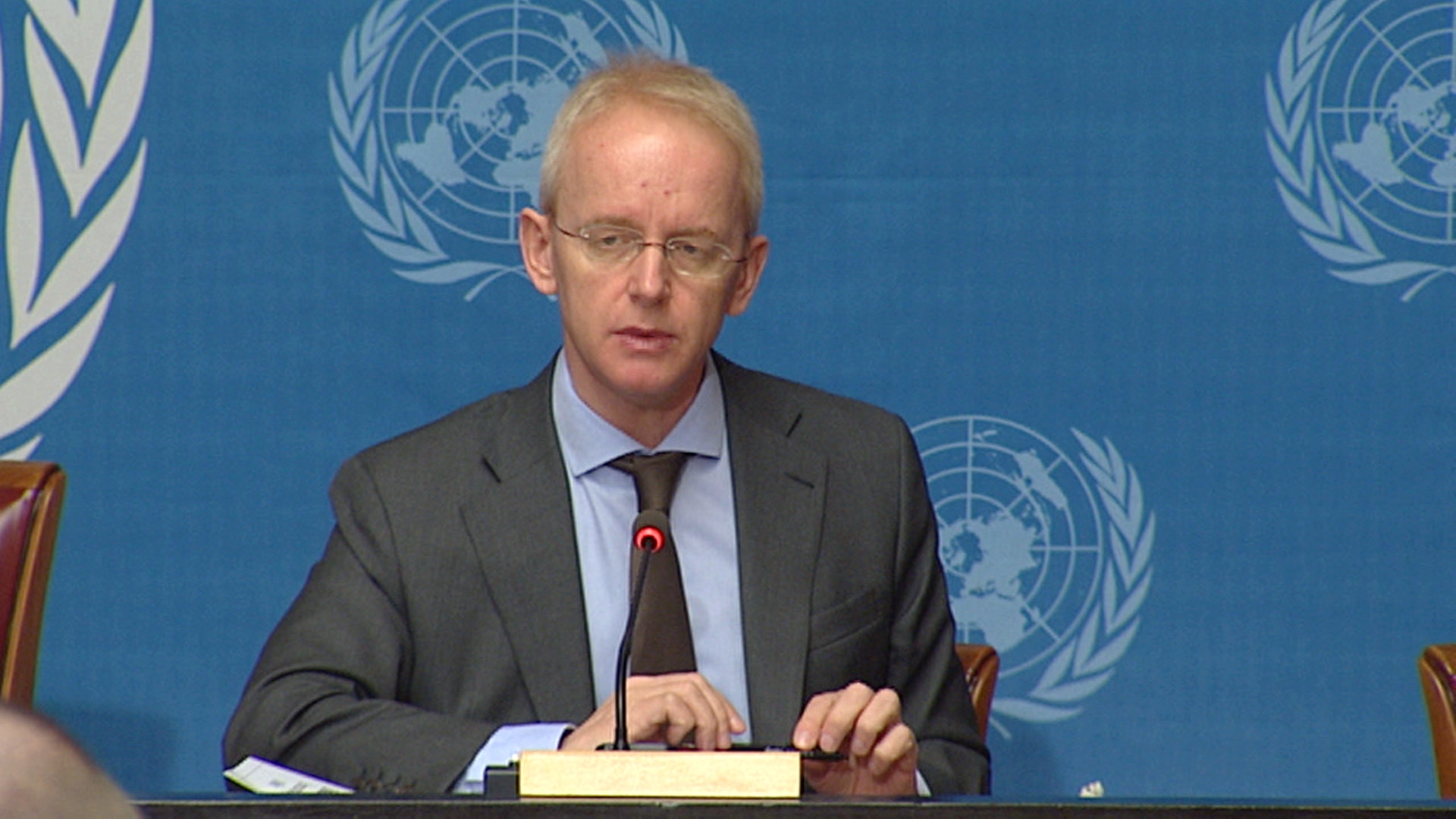
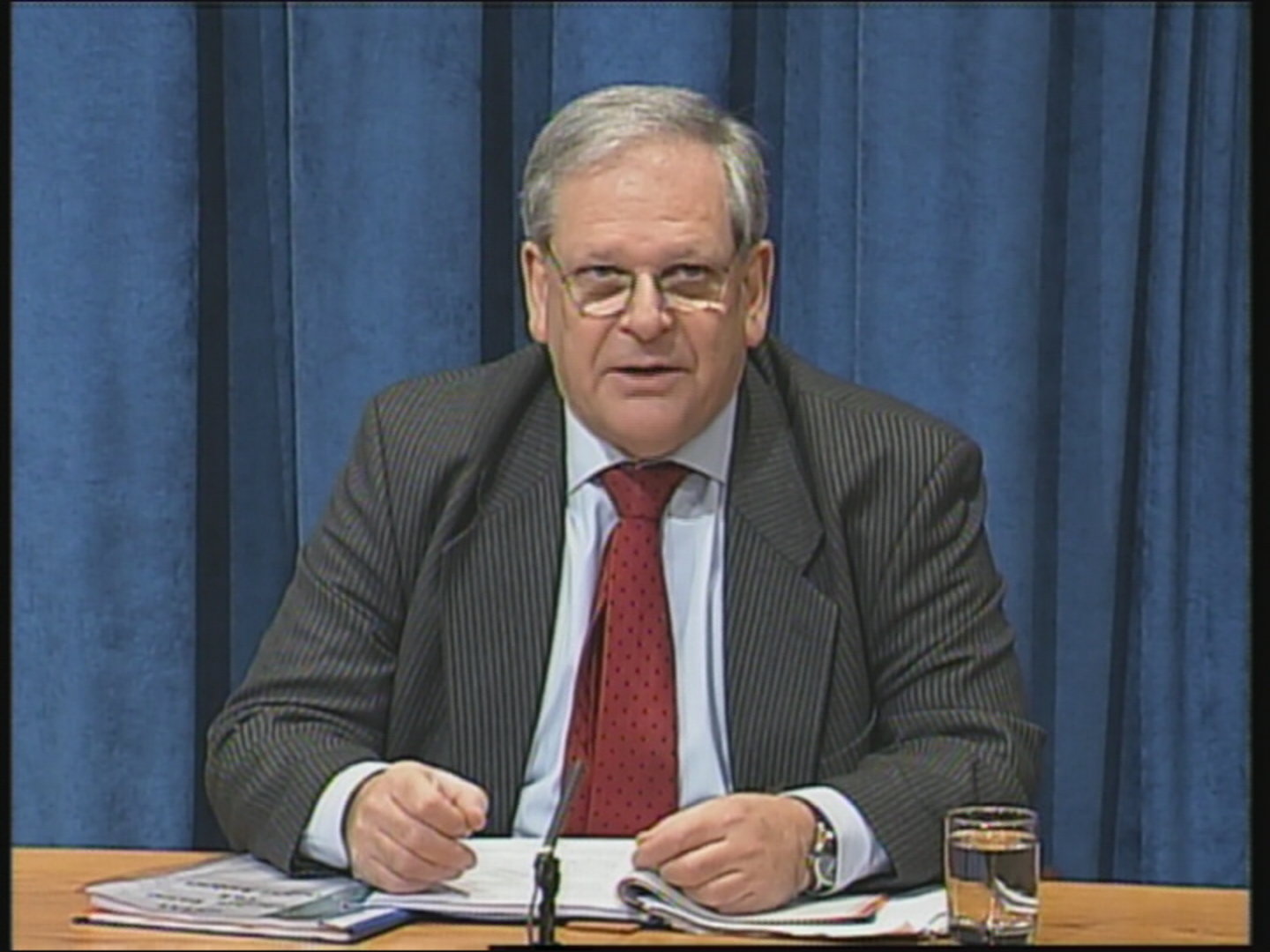
2. Wide shot, press room
3. SOUNDBITE (English) Melissa Fleming, United Nations High Commissioner for Refugees (UNHCR) Spokesperson:
“In one month alone, last month, over 12,000 people arrived in Yemen. So last month, the month before, was the previous record. So, we are really seeing and experiencing a surge.”
4. Close up, reporter
5. SOUNDBITE (English) Melissa Fleming, United Nations High Commissioner for Refugees (UNHCR) Spokesperson:
“Twenty thousand are from Somalia, sixty-one thousand from Ethiopia. Before, between 2006 and 2008, it was Somali refugees accounting for the majority of all arrivals, but that has now changed. Since 2009 Ethiopian migrants have constituted the largest group crossing the Red Sea and the Gulf of Aden. Their number has increased during this period six-fold.”
6. Med shot, reporters
7. SOUNDBITE (English) Melissa Fleming, United Nations High Commissioner for Refugees (UNHCR) Spokesperson:
“They arrive, unfortunately, unaware of the turbulent situation and the insecure situation growing in Yemen which makes their movement inside Yemen difficult. And it also makes our ability to assist them difficult.”
8. Close up, reporter
9. SOUNDBITE (English) Melissa Fleming, United Nations High Commissioner for Refugees (UNHCR) Spokesperson:
“I would just like to point to a worrying increasing trend in abductions, extortions, kidnapping, and sexual assaults targeting refugees and particularly Ethiopian migrants. As you know Somalis are generally recognised automatically as refugees whereas Ethiopians are recognised as generally they don’t usually claim asylum or seek asylum and they are trying usually to get to another place. We believe the smugglers target them in particular because they do have some money for their onward journey. These are gangs and they are profiting from the reduced police presence in parts of Yemen.”
10. Close up, reporters
11. Wide shot, press room
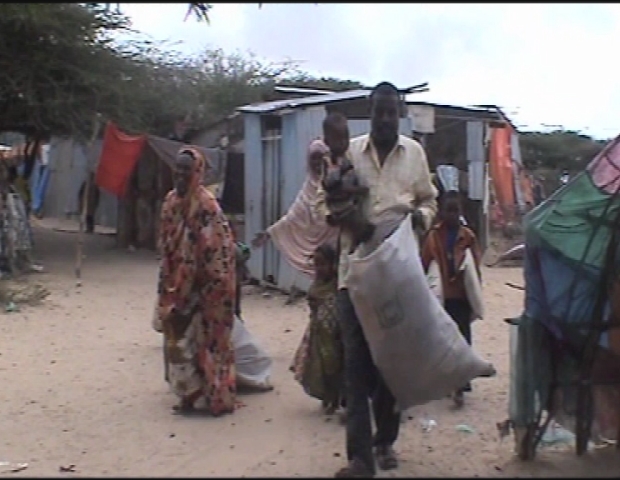
A record number of refugees and migrants arrived in Yemen by boat in October fleeing famine, insecurity and hardship in Somalia and Ethiopia respectively according to the UN refugee agency. 12,545 people arrived in October, compared to 12, 079 in September, the previous record.
Speaking to journalists in Geneva, spokeswoman Melissa Fleming said it was the highest monthly total since the agency had begun compiling data on arrivals in January 2006.
SOUNDBITE (English) Melissa Fleming, United Nations High Commissioner for Refugees (UNHCR) Spokesperson:
“In one month alone, last month, over 12,000 people arrived in Yemen. So last month, the month before, was the previous record. So, we are really seeing and experiencing a surge.”
Between January this year and the start of November 84,656 people arrived by sea, more than the earlier annual record in 2009 of 77,000 people.
Ethiopians now make up the majority of the arrivals. From 2006 to 2011 their number has increased six fold - from some 11,000 in 2006 to 61,000 between January and October this year.
The migrants and refugees used to cross the Gulf of Aden but since 2009 there has been increasing traffic on the Red Sea.
SOUNDBITE (English) Melissa Fleming, United Nations High Commissioner for Refugees (UNHCR) Spokesperson:
“Twenty thousand are from Somalia, sixty-one thousand from Ethiopia. Before, between 2006 and 2008, it was Somali refugees accounting for the majority of all arrivals, but that has now changed. Since 2009 Ethiopian migrants have constituted the largest group crossing the Red Sea and the Gulf of Aden. Their number has increased during this period six-fold.”
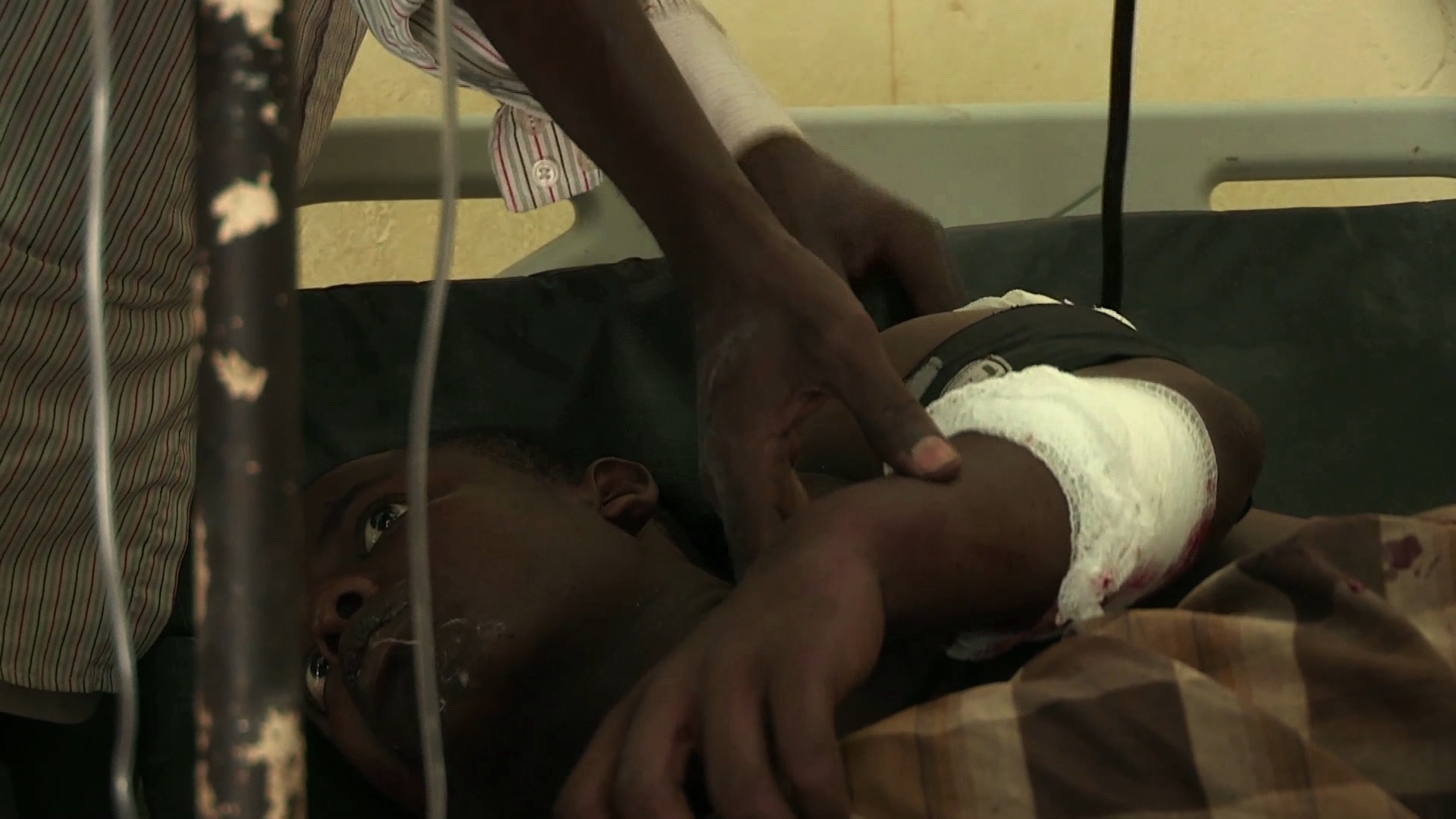
Unfortunately many of the new arrivals are unaware of the insecurity in Yemen itself. Hundreds have been killed and thousands injured during peaceful protests in Yemen this year.
SOUNDBITE (English) Melissa Fleming, United Nations High Commissioner for Refugees (UNHCR) Spokesperson:
“They arrive, unfortunately, unaware of the turbulent situation and the insecure situation growing in Yemen which makes their movement inside Yemen difficult. And it also makes our ability to assist them difficult.”
UNHCR is concerned about the increasing trend of abductions, extortions, kidnappings and sexual assaults particularly on Ethiopian migrants who arrive with more money.
SOUNDBITE (English) Melissa Fleming, United Nations High Commissioner for Refugees (UNHCR) Spokesperson:
“I would just like to point to a worrying increasing trend in abductions, extortions, kidnapping, and sexual assaults targeting refugees and particularly Ethiopian migrants. As you know Somalis are generally recognised automatically as refugees whereas Ethiopians are recognised as generally they don’t usually claim asylum or seek asylum and they are trying usually to get to another place. We believe the smugglers target them in particular because they do have some money for their onward journey. These are gangs and they are profiting from the reduced police presence in parts of Yemen.”
The Somali refugees are fleeing conflict, insecurity, drought and the resulting famine while the Ethiopians are mostly economic migrants seeking better livelihoods.