Media Home
 UN Web TV
 UN Audiovisual Library
 UN Photo
UN / INTERNATIONAL WOMEN’S DAY
Download
There is no media available to download.
Share
STORY: UN / INTERNATIONAL WOMEN’S DAY
TRT: 1.56
SOURCE: UNTV
RESTRICTIONS: NONE
LANGUAGE: ENGLISH / NATS
DATELINE: 7 MARCH 2012, NEW YORK CITY
FILE – 2011, UNITED NATIONS HEADQUARTERS
1. Wide shot, exterior United Nations Headquarters
7 MARCH 2012, NEW YORK CITY
2. Wide shot, conference room interior
3. Med shot, various delegations
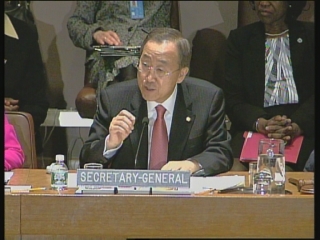
4. SOUNDBITE (English) Ban Ki-moon, Secretary-General, United Nations:
“Investing in rural women is a smart investment in a nation’s development. Yet, despite the obvious benefits, women farmers receive only 5 per cent of agricultural extension services. This makes no sense. On this International Women’s Day, let us commit to ending discrimination and empowering the world’s rural women.”
5. Cutaway, various delegations
6. SOUNDBITE (English) Ban Ki-moon, Secretary-General, United Nations:
“I urge Governments, civil society and the private sector to commit to gender equality and the empowerment of women – as a fundamental human right and a force for the benefit of all. The energy, talent and strength of women and girls represent humankind’s most valuable untapped natural resource.”
7. Cutaway, various delegations
8. SOUNDBITE (English) Marjon V. Kamara, Permanent Representative of Liberia to the United Nations, Chair of the Commission of the Status of Women:
“The work for gender equality is not the responsibility of only women or of one particular group of stakeholders. Realizing gender equality and women’s empowerment is a societal responsibility. A responsibility of governments, civil society, grass-roots organizations, the private sector, of men and women, girls and boys everywhere. As we celebrate International Women’s Day 2012 let us reaffirm this common responsibility so as to continue our work re-energized and with renewed determination.”
9. Cutaway, various delegations
10. Med shot, end of commemoration
Secretary-General Ban Ki-moon commemorated International Women’s Day 2012 today in New York by highlighting the potential of rural women to improve the well-being of entire societies if they are given equal access to resources and set free from the discrimination and exploitation holding them back.
SOUNDBITE (English) Ban Ki-moon, Secretary-General, United Nations:
“Investing in rural women is a smart investment in a nation’s development. Yet, despite the obvious benefits, women farmers receive only 5 per cent of agricultural extension services. This makes no sense. On this International Women’s Day, let us commit to ending discrimination and empowering the world’s rural women.”
Speaking on the eve of the Day, which is observed annually on 8 March, the Secretary-General called for action to advance women’s rights and participation.
“I urge Governments, civil society and the private sector to commit to gender equality and the empowerment of women – as a fundamental human right and a force for the benefit of all. The energy, talent and strength of women and girls represent humankind’s most valuable untapped natural resource.”
Liberian Ambassador Marjon V. Kamara, who is chairing the current session of the UN Commission of the Status of Women, emphasized the shared responsibility to further the situation of women and girls.
SOUNDBITE (English) Marjon V. Kamara, Permanent Representative of Liberia to the United Nations, Chair of the Commission of the Status of Women:
“The work for gender equality is not the responsibility of only women or of one particular group of stakeholders. Realizing gender equality and women’s empowerment is a societal responsibility. A responsibility of governments, civil society, grass-roots organizations, the private sector, of men and women, girls and boys everywhere. As we celebrate International Women’s Day 2012 let us reaffirm this common responsibility so as to continue our work re-energized and with renewed determination.”
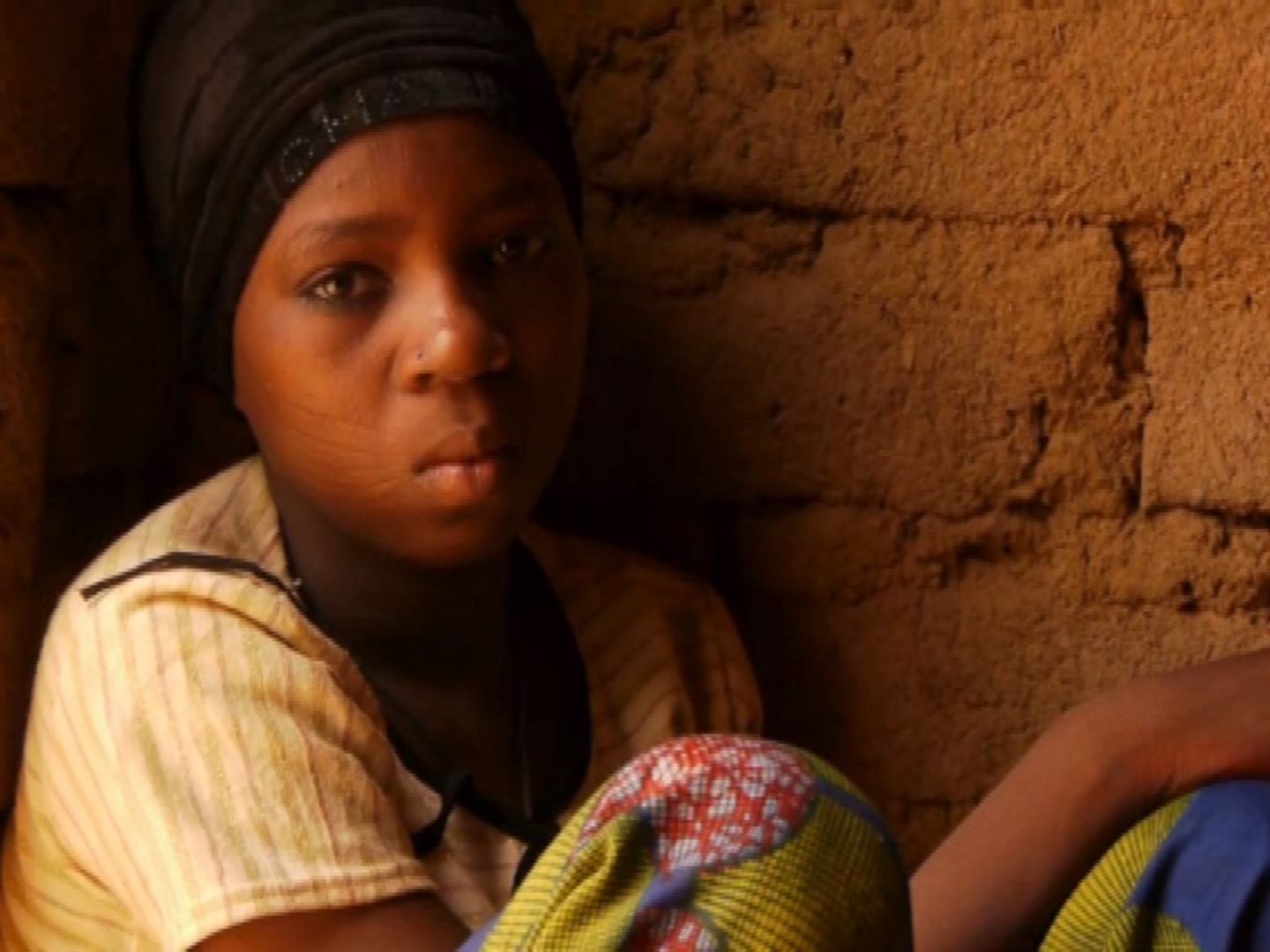
The theme of this year’s International Women’s Day is “Empower Rural Women – End Hunger and Poverty.” Rural women and girls make up a quarter of the global population, yet they routinely figure at the bottom of every economic, social and political indicator, from income, education and health to participation in decision-making.