Media Home
 UN Web TV
 UN Audiovisual Library
 UN Photo
UN / GUINEA-BISSAU
Download
There is no media available to download.
Share
STORY: UN / GUINEA-BISSAU
TRT: 2.40
SOURCE: UNTV
RESTRICTIONS: NONE
LANGUAGE: ENGLISH / PORTUGUESE / NATS
DATELINE: 7 MAY 2012, NEW YORK CITY / FILE
FILE – RECENT, NEW YORK CITY
1.Wide shot, exterior United Nations headquarters
7 MAY 2012, NEW YORK CITY
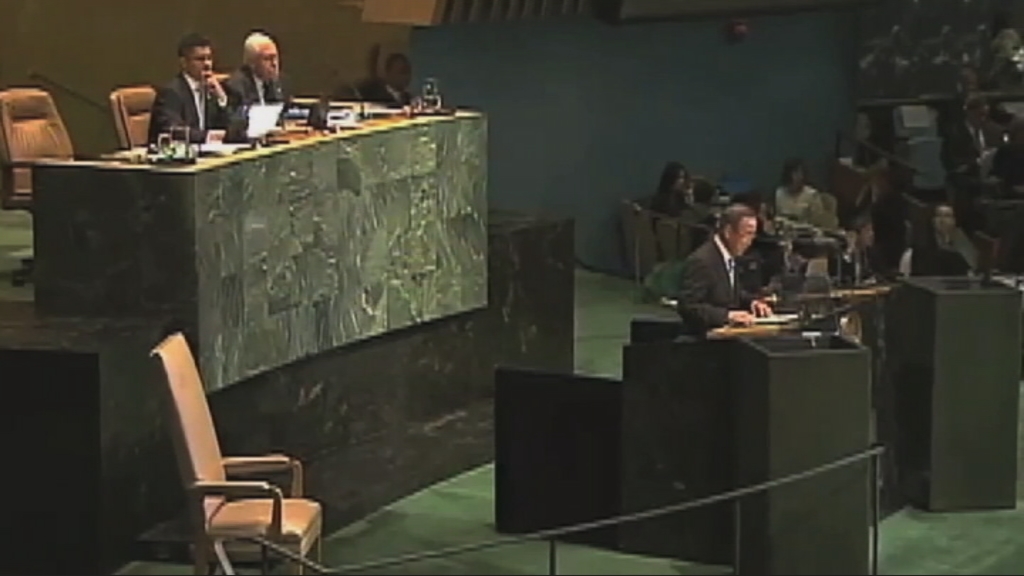
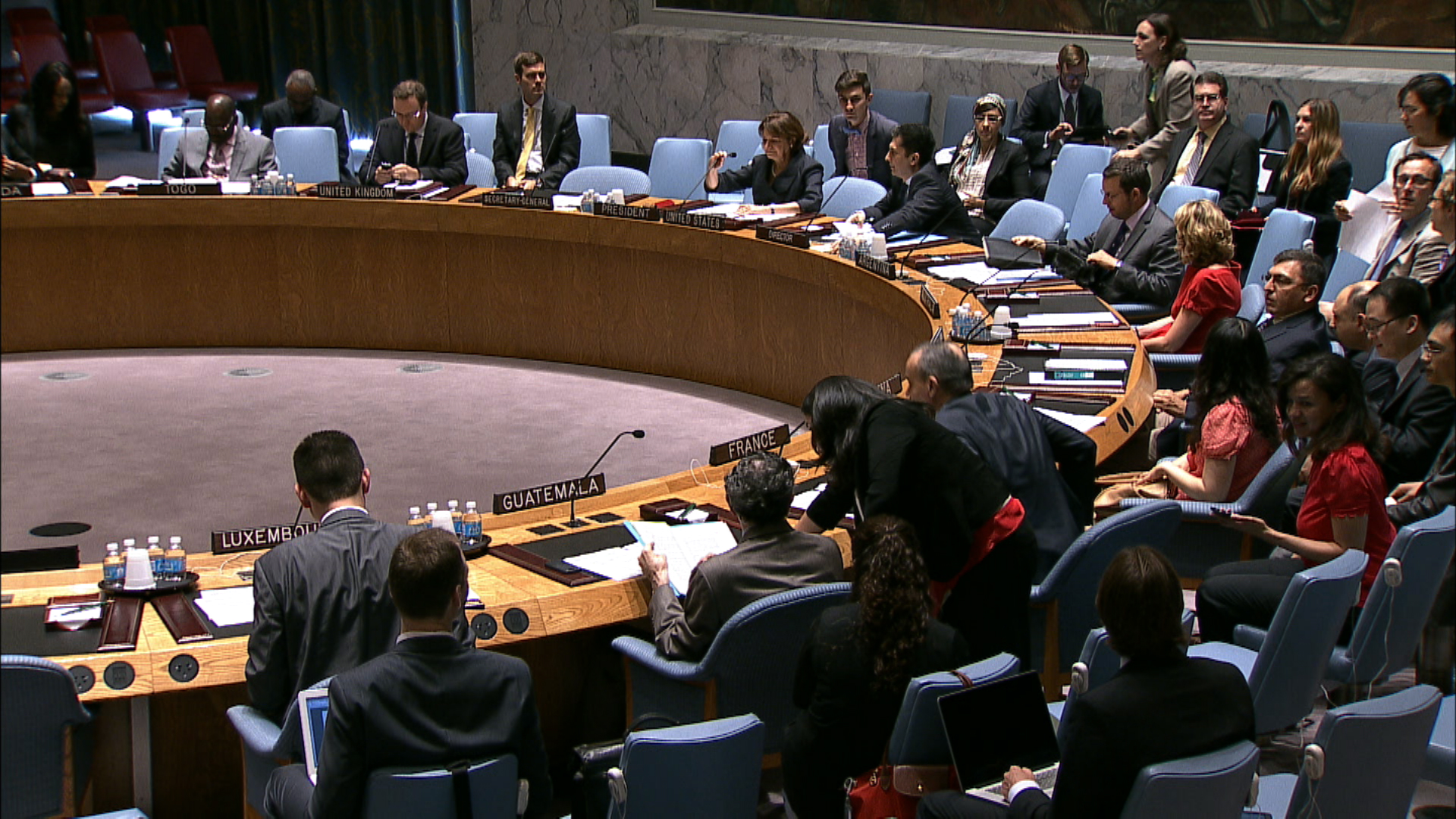
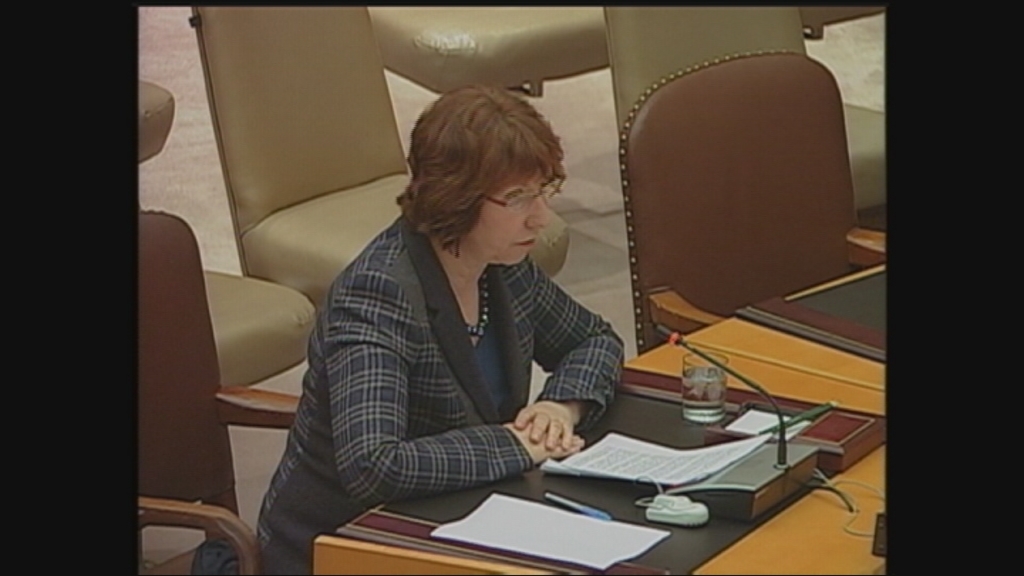
2.Wide shot, Security Council
3.Med shot, delegates
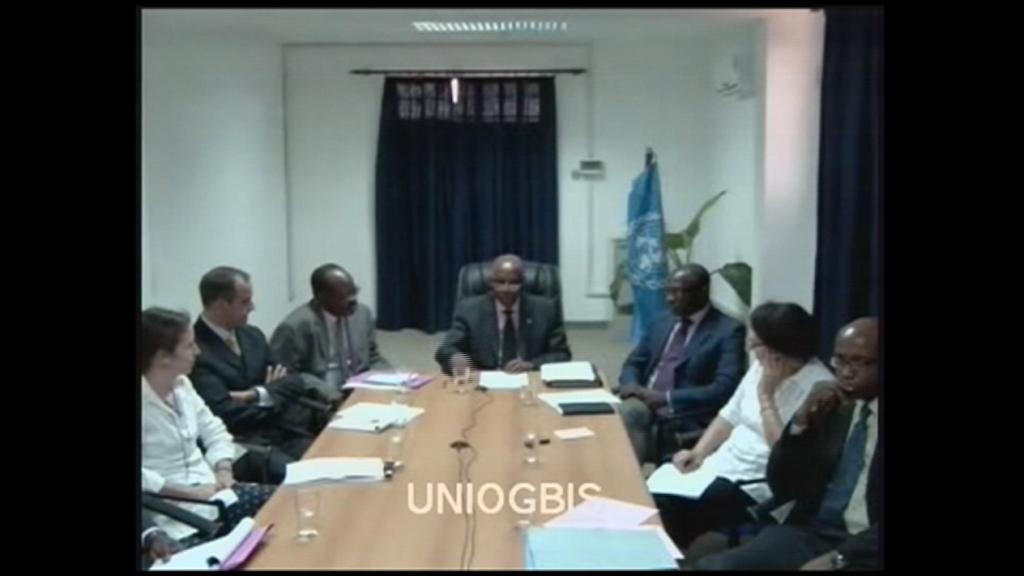
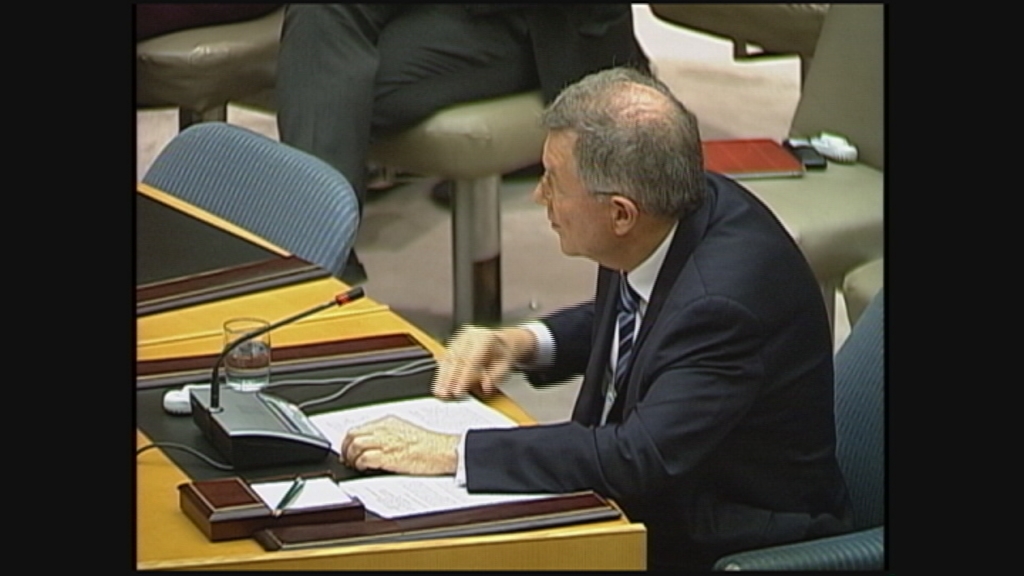
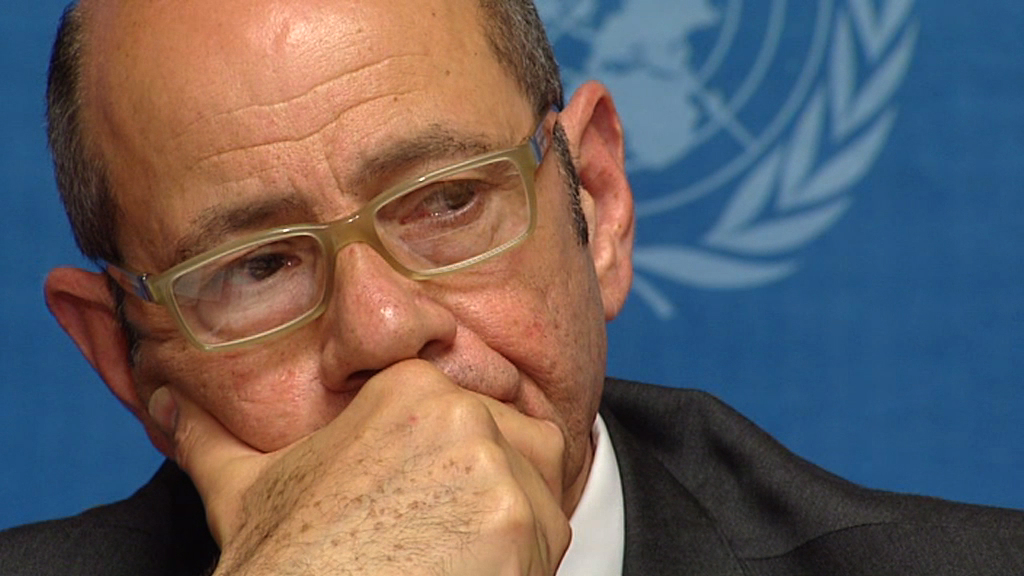
4.SOUNDBITE (English) Joseph Mutaboba, Special Representative of the Secretary-General and Head of United Nations Integrated Peace-Building Office in Guinea-Bissau (UNIOGBIS):
“I would like to reaffirm the United Nations’ strong condemnation of the unconstitutional seizure of power by the armed forces in Guinea-Bissau. I also underscore the importance of the United Nations’ support for the ECOWAS led mediation process which should aim at ensuring the restoration of constitutional rule in the country in compliance with Guinea-Bissau’s constitution. Secondly, in light of the divisions in Guinea-Bissau, including within and between the political and military groupings in the country, any sustainable solution to the current political crisis must be one that is inclusive of all national stakeholders.”
5.Med shot, delegates
6.SOUNDBITE (Portuguese) Mamadu Saliu Djalo Pires, Minister of Foreign Affairs of the Republic of Guinea-Bissau:
“The authorities of Guinea Bissau are concerned at the mechanisms adopted by the ECOWAS to implement the principle of zero tolerance regarding coup d'états. In truth, the solution put forward by the ECOWAS could in practice be ineffective in resolving the current political and military crisis in Guinea-Bissau and may aggravate the serious problems faced by the country and may objectively legitimize the coup d'état by not calling for the resumption of the second round of the electoral process nor a return of the legitimate authorities in functions until the 11 of April.”
7.Med shot, delegates
8.SOUNDBITE (Portuguese) Georges Rebelo Chikoti, State Secretary for External Relations of Angola:
“The CPLP and its member nations continue to be deeply concerned by the developments in the country having since adopted two resolutions on Guinea-Bissau. The latest one on 5 May reaffirms firstly that the only authorities recognized by the CPLP are the ones that result from constitutional and democratic legitimacy.”
9.Med shot, delegates
10.Wide shot, Security Council
The United Nations envoy for Guinea-Bissau today (7 May) gave the Security Council an update on the situation in the country since the forceful seizure of power by the Armed Forces on 12 April.
Joseph Mutaboba, the Secretary-General’s Special Representative for Guinea-Bissau, reaffirmed the United Nations’ condemnation of the coup d'état and underscored the importance of supporting the mediation process led by the Economic Community of West African States (ECOWAS), which he said “should aim at ensuring the restoration of constitutional rule in the country in compliance with Guinea-Bissau’s constitution.”
Mutaboba stressed that “any sustainable solution to the current political crisis must be one that is inclusive of all national stakeholders.”
He added that the delay in returning the country to normalcy is having a negative impact on its innocent citizens. In that regard, he said, the Security Council may wish to consider the imposition of targeted measures against those continuing to impede the return to constitutional order in Guinea-Bissau.
The Minister of Foreign Affairs of the deposed Government expressed concern at the mechanisms adopted by the ECOWAS to implement the principle of zero tolerance regarding coup d'états.
He said that the solution put forward by the ECOWAS “could in practice be ineffective in resolving the current political and military crisis in Guinea-Bissau” and may “objectively legitimize the coup d'état by not calling for the resumption of the second round of the electoral process nor a return of the legitimate authorities in functions until the 11 of April.”
Soldiers in Guinea-Bissau – a country with a history of coups, misrule and political instability since it gained independence from Portugal in 1974 – seized power on 12 April. The move came ahead of the presidential run-off election that was slated for 22 April between former Prime Minister Carlos Gomes Junior and ex-president Kumba Yala.
The West African nation was undergoing a political transition as a result of Sanhá’s death, which prompted early elections – the first round of which were held on 18 March. A run-off was scheduled for 22 April.
The Minister of Foreign Affairs of Angola, Georges Rebelo Chikoti, speaking in behalf of the Community of Portuguese Language Speaking Countries (CPLP) said that its members remain “deeply concerned by the developments in the country” and noted that the organization passed two resolutions reaffirming that “the only authorities recognized by the CPLP are the ones that result from constitutional and democratic legitimacy.”
Secretary-General Ban Ki-moon’s latest report on Guinea-Bissau underscores that any lasting solution to instability in the country should include actions to fight impunity and ensure that those responsible for political assassinations – including those committed in 2009, when the country’s then-president was killed – are brought to justice. It also reaffirms the UN’s support including through the UN Integrated Peacebuilding Office for Guinea-Bissau (UNIOGBIS).