Media Home
 UN Web TV
 UN Audiovisual Library
 UN Photo
UN / MATERNAL MORTALITY
Download
There is no media available to download.
Share
STORY: UN / MATERNAL MORTALITY
TRT: 2.45
SOURCE: UNFPA / UNICEF
RESTRICTIONS: NONE
LANGUAGE: ENGLISH / NATS
DATELINE: MAY 2012, NEW YORK / FILE
FILE – UNICEF - 8, 9 MARCH 2012, TORIT, EASTERN EQUATORIA, SOUTH SUDAN
1. Wide shot, Torit Civil Hospital
2. Close up, the maternal and child health wing with UNICEF logo
3. Med shot, a nurse checking a pregnant woman’s blood pressure
4. Med shot, a midwife examining the pregnant woman
5. Med shot, a nurse getting blood sample from a pregnant woman for HIV test
UNFPA - MAY 2012, NEW YORK
6. SOUNDBITE (English) Babatunde Osotimehin, Executive Director, UNFPA:
“Since the 1990s we have halved the number of women dying giving birth. We are still not there yet because our work is not done. We must develop zero tolerance to women dying giving life and I think that what UNFPA is committed to accomplishing with our partners and our country partnerships, we know what to do, we know how to do it.”
FILE – UNICEF - 03 AUGUST 2011, DAIKUNDI AFGHANISTAN
7. Wide shot, mother riding with baby on donkey
8. Wide shot, pregnant woman being examined
9. Close up, pregnant woman’s face
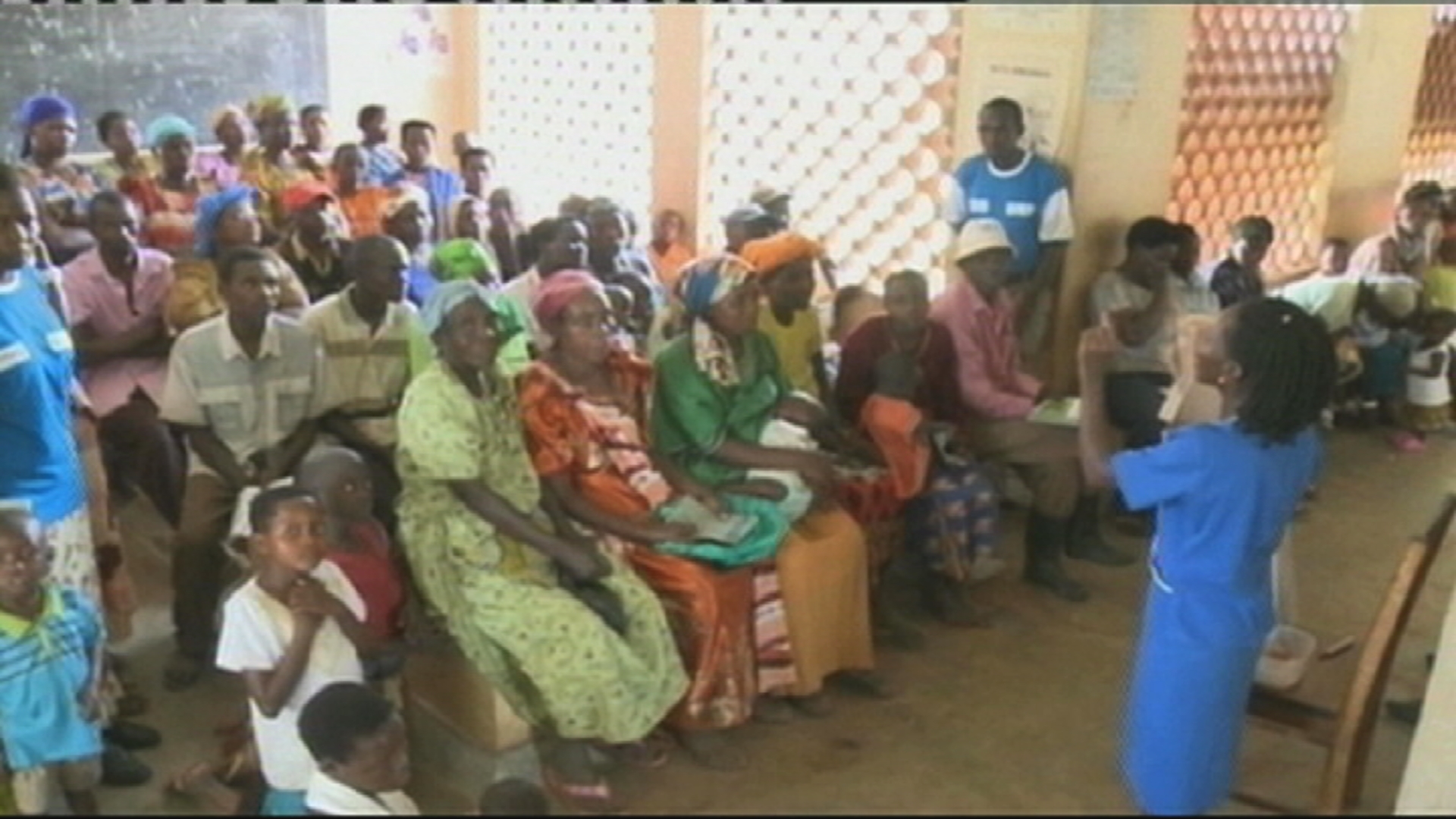
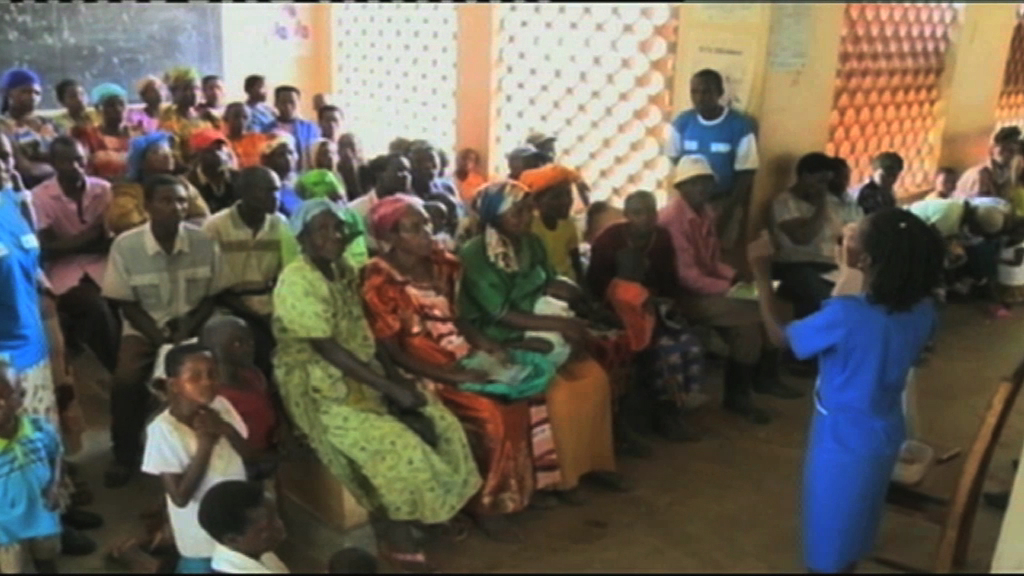
10. Wide shot, women listening to health worker giving a talk
11. Med shot, health worker giving information
12. Wide shot, midwife checking pregnant woman
13. Close up, hands
14. Med close, midwife examining woman
UNFPA - MAY 2012, NEW YORK
15. SOUNDBITE (English) Babatunde Osotimehin, Executive Director, UNFPA:
“Family planning is a major intervention that reduces maternal mortality. We know that one third of maternal mortality is due to lack of access to family planning. Today in the world 250 million women who need modern contraception are not getting it. This is unacceptable.”
FILE – UNICEF - 8, 9 MARCH 2012, TORIT, EASTERN EQUATORIA, SOUTH SUDAN
16. Pan right, women waiting outside the maternity ward of Torit Civil Hospital
17. Med shot, pregnant women waiting to give birth
18. Various shots, newborn babies
UNFPA - MAY 2012, NEW YORK
19. SOUNDBITE (English) Babatunde Osotimehin, Executive Director, UNFPA:
“When you look at maternal mortality figures that we derive from across the world you find that young people particularly are vulnerable especially to early childbirth, early marriage, or self abortion. We know that if we’re able to provide them with contraception and family planning we’ll be saving the lives of millions of young people around the world. And I think its something that we must do.”
FILE – UNICEF - 3 AUGUST 2011, DAIKUNDI AFGHANISTAN
20. Various shots, midwife with pregnant woman
The number of women dying of pregnancy and childbirth related complications has almost halved in 20 years, according to new estimates released today (16 May) by the United Nations, which stressed that greater progress is still needed in significantly reducing maternal deaths.
The report, entitled “Trends in Maternal Mortality: 1990 to 2010”, showed that from 1990 to 2010, the annual number of maternal deaths dropped from more than 543,000 to 287,000 – a decline of 47 per cent.
“We must develop zero tolerance to women dying giving life and I think that’s what UNFPA is committed to accomplishing with our partners and our country partnerships, we know what to do, we know how to do it,” said Babatunde Osotimehin, the Executive Director of the UN Population Fund (UNFPA), which released the report along with the World Health Organization (WHO), the UN Children’s Fund (UNICEF) and the World Bank.
According to the agencies, every two minutes a woman dies of pregnancy-related complications. The four most common causes are severe bleeding after childbirth, infections, high blood pressure during pregnancy, and unsafe abortions. Ninety-nine per cent of maternal deaths occur in developing countries; most could have been prevented with proven interventions.
Noting that family planning was a major intervention that reduced maternal mortality, Osotimehin said, “we know that one third of maternal mortality is due to lack of access to family planning. Today in the world 250 million women who need modern contraception are not getting it. This is unacceptable.”
According to the report, one-third of all maternal deaths occur in just two countries. In 2010, almost 20 per cent of deaths, or 56,000, were in India, and 14 per cent, or 40,000, were in Nigeria. Of the 40 countries with the world’s highest rates of maternal death, 36 are in sub-Saharan Africa.
East Asia, which made the greatest progress in preventing maternal deaths, has a contraceptive prevalence rate of 84 per cent. That rate is only 22 percent in sub-Saharan Africa, the region with the highest maternal death toll.
Young people particularly are vulnerable to early childbirth, early marriage, or self abortion, Osotimehin said, adding that “we know that if we’re able to provide them with contraception and family planning we’ll be saving the lives of millions of young people around the world. And I think its something that we must do.”