Media Home
 UN Web TV
 UN Audiovisual Library
 UN Photo
UN / WORLD ECONOMIC AND SOCIAL SURVEY
Download
There is no media available to download.
Share
STORY: UN / WORLD ECONOMIC AND SOCIAL SURVEY
TRT: 2.16
SOURCE: UNTV
RESTRICTIONS: NONE
LANGUAGE: ENGLISH / NATS
DATELINE: 5 JULY 2012, NEW YORK CITY / FILE
FILE – RECENT, UNITED NATIONS HEADQUARTERS, NEW YORK CITY
1. Wide shot, exterior, United Nations headquarters
5 JULY 2012, NEW YORK CITY
2. Wide shot, dais
3. Wide shot, journalists
4. SOUNDBITE (English) Robert Vos, UN Department of Economic and Social Affairs (DESA):
“There’s a lot more finance that could be mobilized for development cooperation through forms of internationally concerted taxes and other mechanisms to the tune of maybe 400 billion dollars per year to meet development needs and global challenges like fighting climate change.”
5. Med shot, journalists
6. SOUNDBITE (English) Robert Vos, UN Department of Economic and Social Affairs (DESA):
“By having clarity on how the funds can be used and linking the uses to the origin of funds, could also make it more politically acceptable that for instance, a carbon tax or a financial transaction tax could be allocated for development purposes, so it’s not like OK, let’s have another tax and then we will se what we do for the money, but that there’s a very clear mechanism through which tax payers can see that it is serving development purposes.”
7. Wide shot, journalists
8. SOUNDBITE (English) Robert Vos, UN Department of Economic and Social Affairs (DESA):
“If you tax, for instance, one percent of the wealth held by billionaires, so meaning everybody holding more than one billion dollars in wealth, that would not really affect them in terms of their incomes. The revenue, the income flows that they already have on their wealth holding, would by far outstrip that tax that you would take away from them. So, in that sense it would be another tax that which also make sense from any economic theoretical argument.”
9. Wide shot, journalists
10. SOUNDBITE (English) Robert Vos, UN Department of Economic and Social Affairs (DESA):
“So, what we are giving from the report is some arguments to say maybe an international tax, which. We have an international agreement to mobilize resources for a particular purposes, so why not also have international agreements to mobilize how to mobilize the resources to fill the funds for development and for climate financing.”
11. Close up, photographer
12. Med shot, end of press conference
In a major report, the United Nations today (5 July) proposed a series of financial mechanisms to raise $400 billion annually for development needs, as many donor countries have cut back their assistance funding due to the global economic crisis.
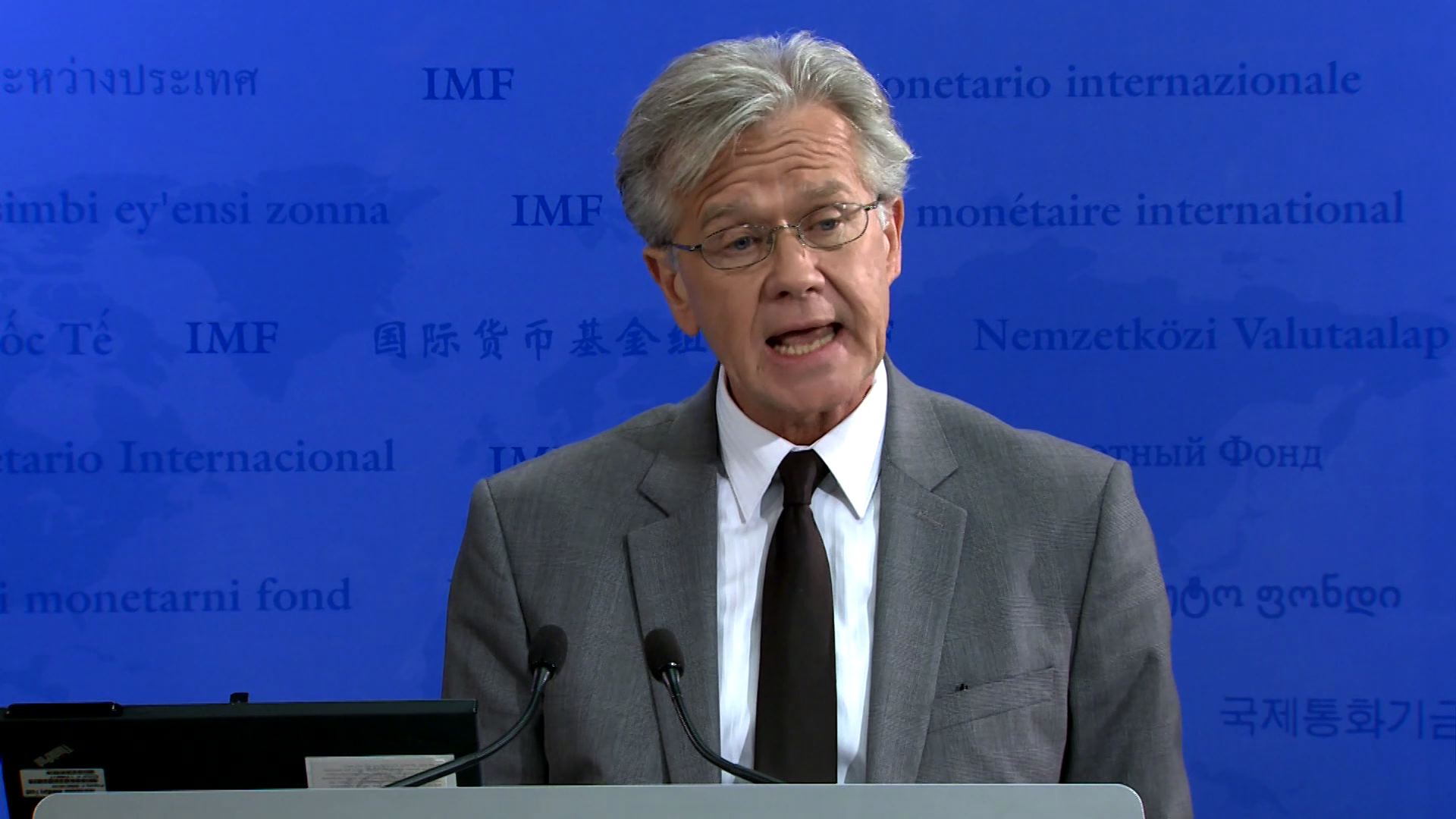
Rob Vos, the lead author of the World Economic and Social Survey 2012: In Search of New Development Finance, which contains the proposals, said in a press conference at UN Headquarters that “there’s a lot more finance that could be mobilized for development cooperation through forms of internationally concerted taxes and other mechanisms.”
Produced by the UN Department of Economic and Social Affairs (DESA), this year’s issue of the annual report on global development found that development aid declined in real terms in 2011, highlighting the need for additional and more predictable financing from new sources.
Some of the new mechanisms to raise funds which were identified in the report include a tax on carbon dioxide emissions in developed countries, a small currency transaction tax, and earmarking a portion of the proposed European Union financial transaction tax. These measures would yield substantial revenues of $250 billion, $40 billion and $71 billion per year, respectively, for international cooperation, he said.
Vos said that “having clarity on how the funds can be used and linking the uses to the origin of funds” could make it more politically acceptable to institute a carbon tax or a financial transaction tax allocated for development purposes.
Another idea would be to tax “one percent of the wealth held by billionaires” in a way that “would not really affect them in terms of their incomes.”
The report notes that while existing initiatives to fund programmes in the developing world have been successful, the scope for scaling them up or replicating them is too limited to meet the needs for developments financing in the next coming decades, and new funding sources need to be tapped.
Vos said that the report provides an argument for “an international tax” based on international agreements on “how to mobilize the resources to fill the funds for development and for climate financing.”
The World Economic and Social Survey 2012: In Search of New Development Finance also notes that current financing resources in many low-income countries have focused on allocating funds to fight specific diseases such as HIV, tuberculosis and malaria, and that while this has brought benefits for disease control, it has also contributed to the fragmentation of health systems in these countries.